So you've seen the photos—the giant yellow pumpkin on the pier, the serene concrete galleries blending into hillsides. You want to visit Japan's art islands, Naoshima, Teshima, and Inujima. The first question that hits you is the practical one: how on earth do I get there? It's not as straightforward as hopping on a subway in Tokyo, but that's part of the adventure. Having missed a ferry or two in my earlier trips, I've learned the routes inside out. This guide strips away the confusion and gives you the exact steps, routes, and money-saving tips you need to plan your pilgrimage to the Benesse Art Site.
Your Quick Navigation to the Art Islands
What Are Japan's Art Islands?
Let's be clear. When people talk about "Japan's art islands," they're primarily referring to three islands in the Seto Inland Sea: Naoshima, Teshima, and Inujima. They are the core of the Benesse Art Site and the famed Setouchi Triennale.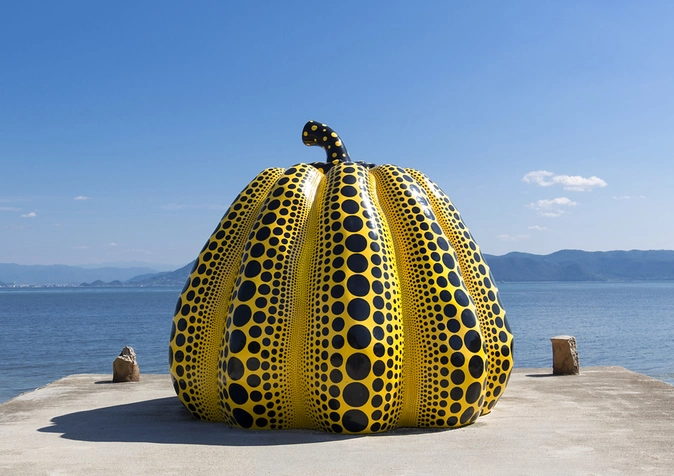
Naoshima is the flagship. It's where you'll find the iconic Yayoi Kusama pumpkin, the stunning Chichu Art Museum (built into a hill), and the Benesse House Museum. Teshima feels more organic, with the breathtaking Teshima Art Museum (a single water droplet-shaped space) and art scattered through its villages. Inujima is the smallest and most intense, its art projects often repurposing old copper refinery ruins.
The magic here isn't just seeing art in a white cube. It's about the journey, the landscape, and the dialogue between nature, abandoned spaces, and contemporary creation. But to experience that, you first need to navigate the sea.
How to Get to the Art Islands from Major Cities
All roads (or rather, train lines) lead to the ports. The art islands are accessed via ferry from a handful of ports on Japan's main island of Honshu or from Shikoku. Your base city determines your port.
The Two Main Gateway Ports
Takamatsu (on Shikoku) and Uno Port (in Okayama Prefecture, Honshu) are your primary ferry hubs. Uno is a tiny town whose sole purpose seems to be funneling visitors to the islands. Takamatsu is a proper city with its own attractions, like Ritsurin Garden.
Most first-timers aim for Uno because the ferry rides are shorter. From Uno to Naoshima's Miyanoura Port is about 20 minutes. From Takamatsu, it's 50 minutes. The choice depends on your overall Japan itinerary.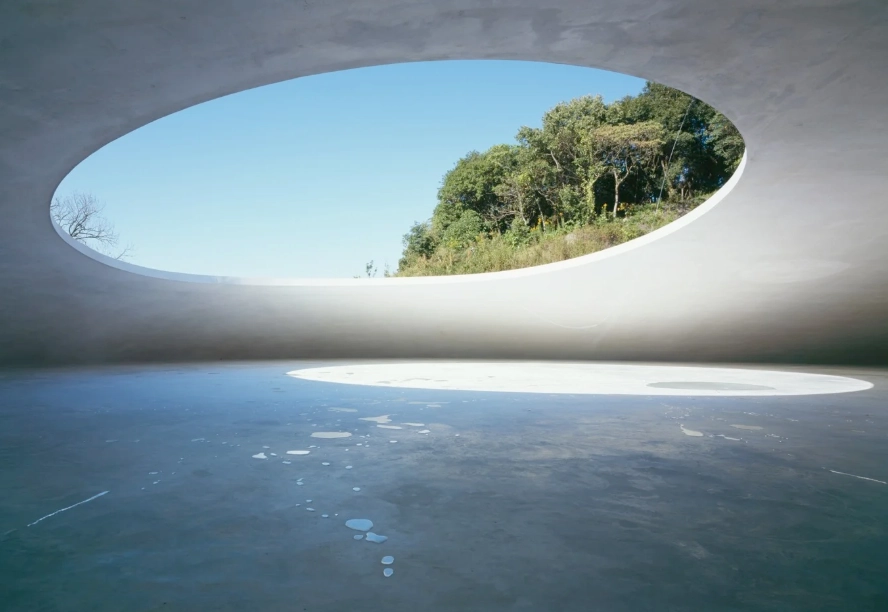
Step-by-Step: From Major Cities to the Ferries
Pro Tip: Always, always check the ferry timetables before booking your accommodation or planning your day. Schedules change seasonally (summer has more ferries), and some routes don't run on certain weekdays. The official Benesse Art Site access page is your bible, but the local ferry operator sites (like Shikoku Kisen) have the most precise, up-to-date info.
From Osaka/Kyoto: Take the JR Shinkansen (bullet train) to Okayama Station. This takes about 45-60 minutes from Osaka. From Okayama Station, transfer to the JR Uno Line local train. It's a 45-60 minute ride to Uno Station. The port is a 3-minute walk from the station. This is the most efficient route. Total travel: ~2 hours to the port.
From Tokyo: You have a long but scenic journey. Take the Tokaido/Sanyo Shinkansen to Okayama Station (about 3.5 hours). Then, follow the same steps as above (Uno Line to Uno Port). Alternatively, you can fly to Takamatsu Airport (from Haneda) and take a bus to Takamatsu Port. For most, the train is less hassle.
From Hiroshima: You're in luck. Take the Shinkansen east to Okayama (~45 mins) and proceed to Uno. Or, you can take a limited express train or bus to Matsuyama (on Shikoku) and access the islands from there, though this is a less common route.
The Ferry Routes: Your Island-Hopping Network
Here’s the core network. Fares are reasonable, typically between 500 to 1500 yen per leg.
| Route | Approx. Duration | Key Operator | Notes |
|---|---|---|---|
| Uno Port ↔ Naoshima (Miyanoura) | 20 min | Shikoku Kisen | Most frequent service. The workhorse route. |
| Takamatsu Port ↔ Naoshima (Miyanoura) | 50 min | Shikoku Kisen | Scenic ride. Good if basing in Takamatsu. |
| Naoshima (Honmura) ↔ Teshima (Ieura) | 25-30 min | Naoshima Teshima Ferry | Not as frequent. Plan carefully. |
| Uno Port ↔ Teshima (Ieura/Karato) | 35-40 min | Shikoku Kisen | Direct route, bypassing Naoshima. |
| Naoshima (Miyanoura) ↔ Inujima | 15-20 min | Naoshima Teshima Ferry | Limited daily services. Check! |
A common mistake is thinking you can island-hop spontaneously all day. You can't. The ferry schedules create a natural rhythm. You might have a 2-hour gap between ferries to Teshima, which is perfect for exploring a part of Naoshima, not perfect if you're just standing at the dock.
How to Plan Your Art Islands Itinerary
Your itinerary is dictated by ferries, not whimsy. Here’s how to structure it based on time.
The One-Day Blitz (From Osaka/Kyoto)
Ambitious but possible if you start early. Focus on Naoshima only. Catch the first Shinkansen to Okayama, then the first train to Uno. Aim for a 9:30 AM ferry to Naoshima. Rent an e-bike at Miyanoura Port (a lifesaver for hills). Hit the Chichu Art Museum (book tickets online in advance), see the Lee Ufan Museum, and end with the Benesse House area and the yellow pumpkin. Catch a late afternoon ferry back to Uno. You'll be exhausted, but you'll have seen the highlights.
The Two-Day Balanced Trip
This is the sweet spot. Day 1: Naoshima in depth. Stay overnight on Naoshima (book months ahead) or in Uno/Takamatsu. Day 2: Take a morning ferry to Teshima. Rent an electric assist bicycle (essential for Teshima's long slopes). Visit the Teshima Art Museum (require timed ticket), the Teshima Yokoo House, and wander the coastal road. Return to your base in the late afternoon.
The Three-Day Immersion
Add Inujima on Day 3. Inujima is small but potent; the "Seirensho" art project and the Inujima Art House Project take 2-3 hours. The feeling of remoteness is profound. Alternatively, use Day 3 to revisit a favorite spot or explore less-visited art sites on Naoshima like the Ando Museum or the Go'o Shrine.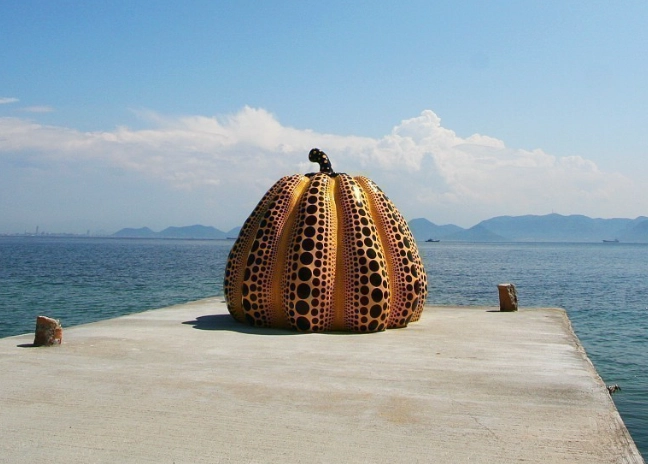
The Transport Pass Most People Miss: If you're coming from Osaka/Kyoto and focusing on Uno Port and Naoshima, look into the JR Kansai-Hiroshima Area Pass. It can cover your Shinkansen round-trip to Okayama and the local train to Uno, potentially saving you money compared to individual tickets. Do the math for your specific route.
Essential Tips and Insider Knowledge
This is the stuff that separates a smooth trip from a stressful one.
Booking Ferry Tickets: For the main routes (Uno-Naoshima, Takamatsu-Naoshima), you can buy tickets at the port counter just before departure. No need to book online. For the smaller inter-island ferries (like Naoshima to Teshima), just pay on board with cash. The only time you need to worry about booking is during peak festival periods.
Luggage Storage: Do not drag large suitcases onto the islands. There are coin lockers at Uno Station, Okayama Station, and Takamatsu Station. Naoshima's Miyanoura Port also has lockers, but they fill up. Store your main luggage at your previous city's station (e.g., Osaka) or at your port base.
Getting Around the Islands: Public buses exist but are infrequent. Your best options are:
- Rental Bicycle: Electric-assist is worth every extra yen, especially on hilly Teshima. Rentals are right at the ports.
- Benesse House Shuttle Bus: If you visit the Benesse House Museum or stay at the hotel, you can use their free shuttle between the Honmura/Miyanoura ports and the museum area. A little-known hack: they rarely check if you're a museum visitor if you're just going up the hill. Be discreet.
Timed Tickets for Major Museums: The Chichu Art Museum, the Teshima Art Museum, and the Lee Ufan Museum require (or strongly recommend) reserving a specific entry time online in advance, especially on weekends. This isn't a suggestion—it's a rule. I've seen people turned away at the door. Book on the Benesse Art Site website as soon as you know your date.
When to Go: Spring (April-May) and Autumn (October-November) have perfect weather. Summer (July-September) is brutally hot and humid, but the Setouchi Triennale often runs then, with more art and extended ferry hours. Winter is quiet, some facilities have shorter hours, but you'll have places almost to yourself.
One personal gripe? The food options on the islands, especially Teshima and Inujima, are limited and can have long lines. Pack some snacks and water. Don't rely on finding a convenient cafe at noon.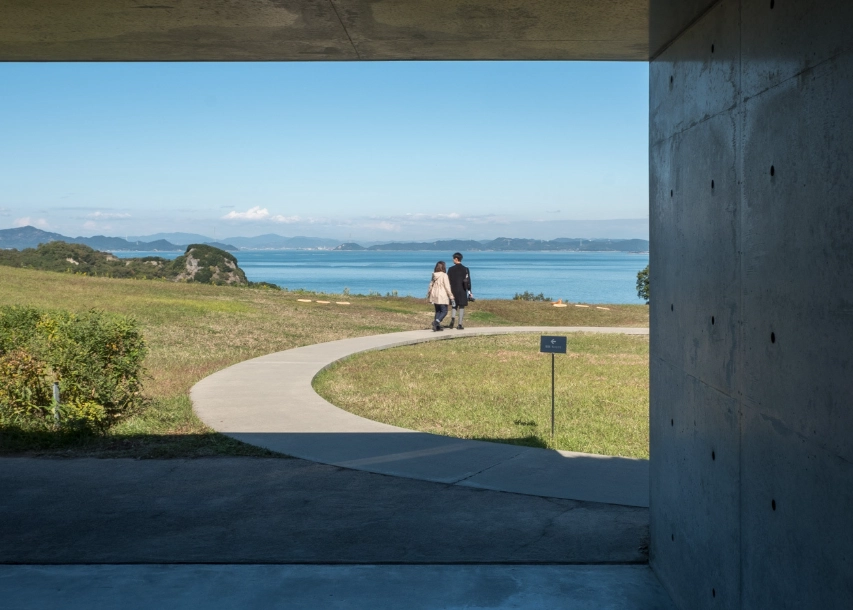
Frequently Asked Questions (Answered by an Art Island Veteran)
Reaching Japan's art islands is a puzzle, but solving it is part of the reward. It forces you to slow down, to pay attention to timetables and tides. Once you step off that ferry onto Naoshima's quiet pier, the modern world fades, and the art begins. Just remember to book those museum tickets, rent an e-bike, and never, ever assume you know when the last boat leaves.
Share Your Thoughts