Your Festival Roadmap
Let's cut right to the chase. If you're searching for what is the top 3 festival in Japan, you'll keep bumping into the same three names: Gion Matsuri, Tenjin Matsuri, and Kanda Matsuri. But why these three? It's not just some random blog list. In Japan, they're officially recognized as the "Three Great Festivals" (三大祭り, *Sandai Matsuri*), a title steeped in history, scale, and cultural significance that goes back centuries. I remember my first trip, scribbling notes and getting confused by all the options. It's overwhelming. So let's break it down, not just as a checklist, but to understand what makes each one tick, and more importantly, how you can actually enjoy them without getting lost in a sea of people.
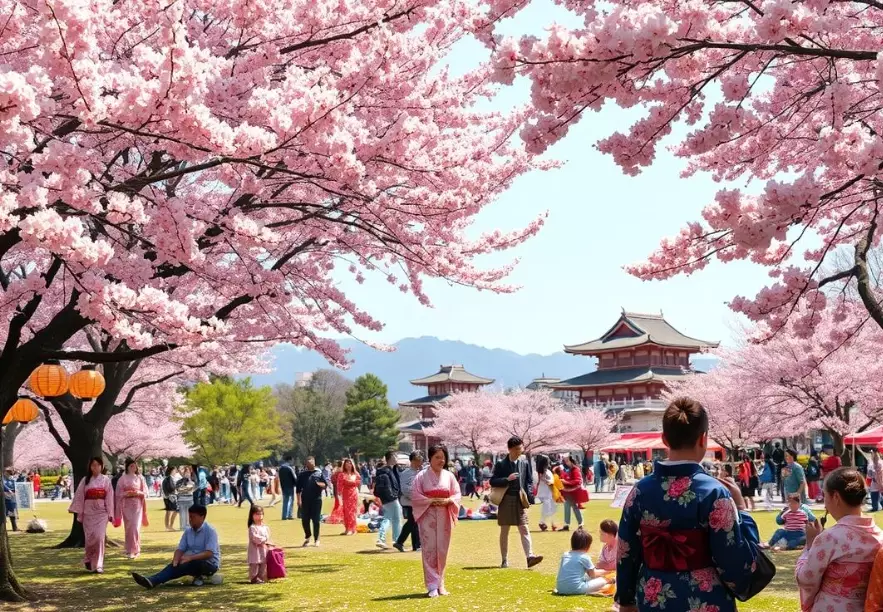
This isn't about flashy promo. We'll dig into the gritty details—the best spots that aren't in every guidebook, the moments that are genuinely worth the elbow-to-elbow crowds, and the practical stuff like where to stay and how not to offend anyone. Think of this as a chat from someone who's been squeezed, amazed, and occasionally rained on at these very events.
The Crown Jewel: Kyoto's Gion Matsuri
When people ask me what is the top 3 festival in Japan, Gion Matsuri is always the first name on my lips. It's the big one. The granddaddy. With a history stretching back over 1,150 years to 869 AD as a purification ritual to appease gods during an epidemic, it feels less like a party and more like a moving museum. The entire month of July in Kyoto is infused with its energy, but it peaks over two days.
Why It's a Top Tier Experience
It's all about the Yamaboko Junko (float procession). Imagine 33 elaborate, towering floats, some weighing up to 12 tons, being pulled through the narrow streets of downtown Kyoto by teams of men in traditional garb. There are two types: the Yama (smaller mountain floats) and the Hoko (massive wheeled pagodas). The craftsmanship is insane—detailed tapestries, some of which are centuries-old imported silks, and intricate wood carvings.
Key Events & How to Navigate Them
- Yoiyama (Eve Festivals, July 16th & 17th): The nights before the processions. The floats are displayed on the streets, lit by lanterns. This is actually my favorite part. The atmosphere is electric but slightly more relaxed. Streets become pedestrian paradises with food stalls (yatai) selling everything from yakitori to chocolate bananas. Some private homes in the float districts (chōnai) open their doors to display family heirlooms (byōbu matsuri or folding screen festival)—a rare, intimate glimpse into old Kyoto wealth.
- Yamaboko Junko Processions: The main events on July 17th (Saki Matsuri, First Parade) and July 24th (Ato Matsuri, Later Parade). The July 17th one is larger. You have two choices: paid seating (booked way, way in advance) or claiming a free spot on the curb hours ahead. For the Saki Matsuri, the route along Shijo Street and Kawaramachi Street is the heart of the action.
It's not all perfect. The heat and humidity in July are brutal. Hydrate like it's your job. And the crowds can feel oppressive. But seeing history roll by on creaking wooden wheels makes it worth it.
The Spectacle on Water: Osaka's Tenjin Matsuri
If Gion Matsuri is about solemn grandeur, Osaka's Tenjin Matsuri is its fiery, energetic cousin. Held on July 24th and 25th to honor Sugawara no Michizane, the deity of learning, this is a festival of duality—land and water. It's often cited as one of the world's greatest water festivals, and for good reason.
A Festival in Two Acts
The first day (Yomiya) is more ritualistic, with ceremonies at Osaka Tenmangu Shrine. Nice, but the real show is on the 25th.
- Land Procession (Rikutōgyō): Starting around 3:30 PM, a vibrant parade of about 3,000 people in Heian-period court dress, warriors, musicians, and palanquins carrying the deity's spirit march from the shrine through the city center. The costumes are a riot of color.
- River Procession (Funatōgyō): This is the showstopper. As evening falls, the procession boards around 100 boats at the Tenmangu riverbank. These illuminated boats, with the main divine palanquin boat (gozabune) at the center, sail down the Okawa River in a dazzling pageant. Drums beat, traditional music plays, and finally, a massive fireworks display (Hanabi) lights up the sky over the water.
The energy is pure Osaka—loud, friendly, and celebratory. You can feel the city's merchant spirit in the air.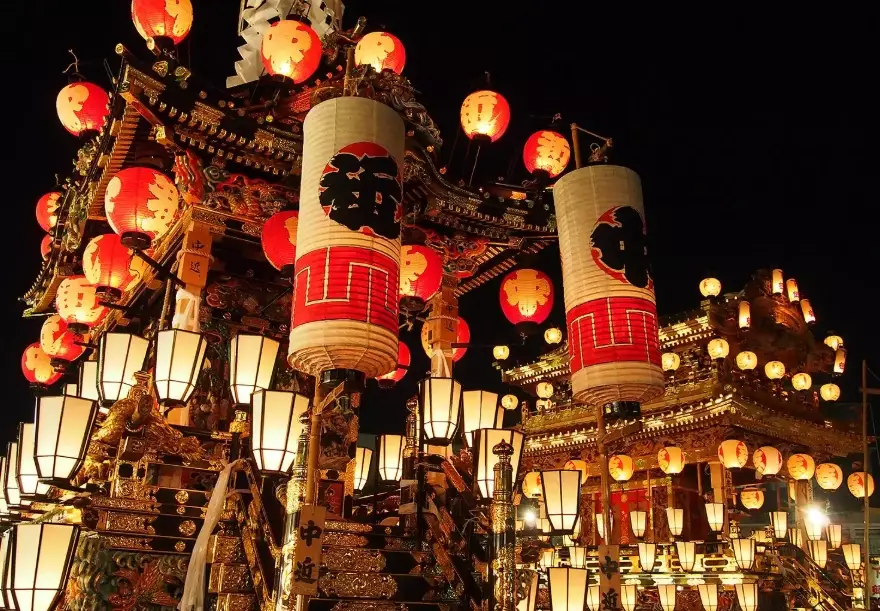
| Aspect | Gion Matsuri (Kyoto) | Tenjin Matsuri (Osaka) | Kanda Matsuri (Tokyo) |
|---|---|---|---|
| Core Vibe | Historical, solemn, majestic | Energetic, fiery, waterfront spectacle | Powerful, lively, Shogun-era pageantry |
| Main Highlight | Yamaboko float processions (day) | Illuminated boat procession & fireworks (night) | Massive parades through modern Tokyo |
| Best Viewing Tactic | Stake out curb spot early or attend Yoiyama | Reserve riverside restaurant seat or find spot on south bank | Watch near Kanda Shrine or along main parade route |
| The Crowd Factor | Extremely High (prepare for squeezing) | Very High (especially for fireworks) | High, but more spread out |
Practicalities for Tenjin Matsuri
For the river spectacle, the best free views are from the south bank (Temma Riverside Park area). Get there by late afternoon. Some people pay for seating on the north bank or, the ultimate splurge, a table at a riverside restaurant with a view (book months ahead). The Osaka Convention & Tourism Bureau website has excellent viewing maps.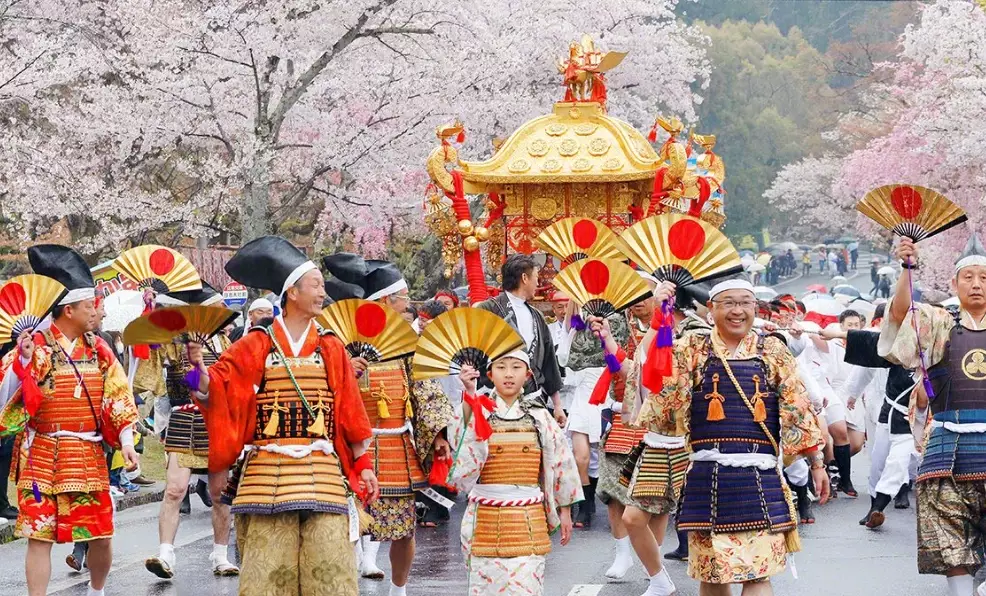
Again, July heat. Wear a hat, use a fan, and drink plenty of fluids. Osaka in summer is no joke.
The Shogun's Festival: Tokyo's Kanda Matsuri
Completing the trio is Tokyo's Kanda Matsuri, centered on the Kanda Myojin Shrine in Chiyoda. It's held in mid-May in odd-numbered years (e.g., 2023, 2025), so planning is crucial. Its claim to fame is its historical connection to the Tokugawa shogunate. After Tokugawa Ieyasu's victory at Sekigahara, the festival was designated an official celebration, and the shogun himself would observe it. That legacy of power and display lives on.
Scale and Pageantry in the Modern Metropolis
Kanda Matsuri feels like a powerful, confident assertion of tradition in the heart of a hyper-modern city. The main events are spread over a weekend:
- Shinkō-sai (Main Parade): On the Saturday, a procession of over 500 people, including priests on horseback, musicians, dancers, and massive mikoshi (portable shrines) parade from Kanda Myojin through the Nihonbashi and Otemachi districts—Tokyo's financial heart. Seeing these ancient shrines carried past skyscrapers and bank headquarters is a surreal and powerful contrast.
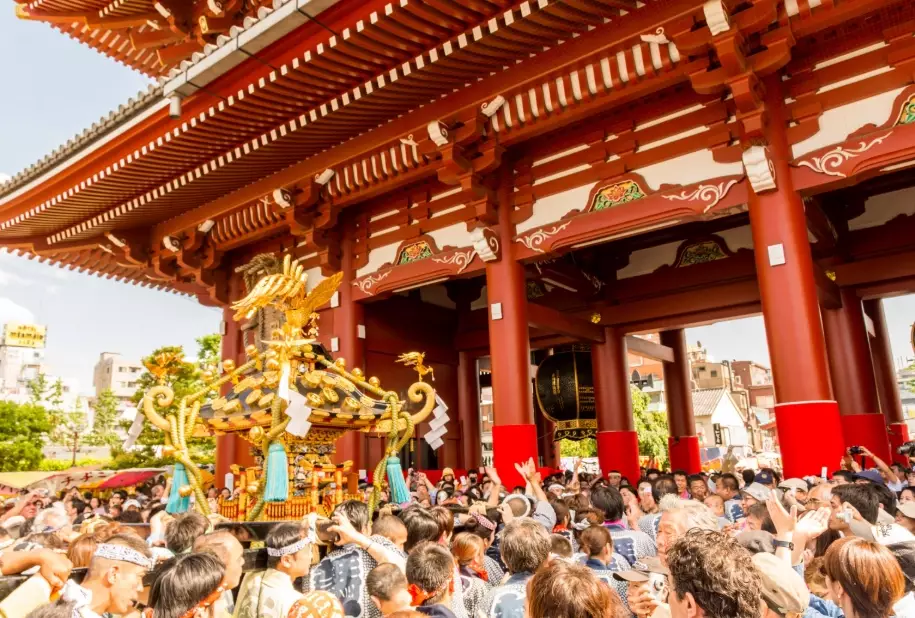
- Mikoshi Miyairi: On the Sunday, over 100 neighborhood mikoshi from surrounding districts converge on Kanda Myojin in a lively, noisy, and joyous gathering. This is the community heart of the festival, with teams energetically chanting and bouncing the shrines.
What I love about Kanda Matsuri is its accessibility. It's a top-tier festival right in the middle of Tokyo. You can combine it with sightseeing, and the May weather is generally glorious—sunny and mild compared to the summer humidity of the other two.
My slight criticism? In recent years, due to traffic and security, the main parade route has been slightly shortened. It's still magnificent, but purists might note it's a bit more managed than in decades past. Still, the raw energy when all the mikoshi gather is contagious.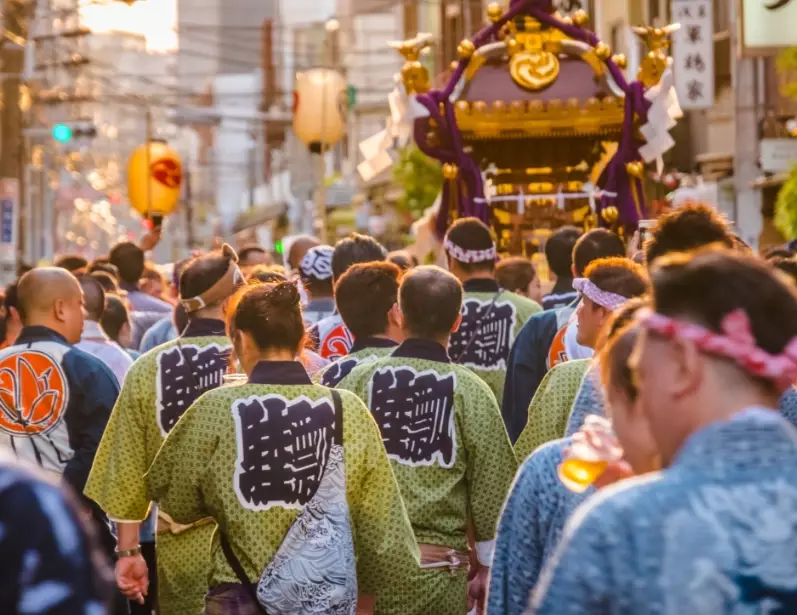
Beyond the Big Three: Addressing Your Burning Questions
Okay, so now you know what is the top 3 festival in Japan. But your brain is probably buzzing with more questions. Let's tackle some common ones head-on.
Planning Your Festival Trip: The Nitty-Gritty
Let's get practical. Knowing what is the top 3 festival in Japan is step one. Actually going is step two.
Accommodation & Transportation
Hotels near the festival sites sell out months in advance, and prices skyrocket. For Gion, look at hotels along the Karasuma or Hankyu lines for easier access. For Tenjin, the Kita (Umeda) or Minami (Namba) areas are well-connected. For Kanda, anywhere on the Tokyo Metro Chuo or Sobu lines is convenient.
Public transport will be packed. After the evening events, trains are jammed. Consider walking a few stops away from the epicenter to find a less crowded station, or just embrace the slow shuffle with everyone else. It's part of the experience.
Etiquette & Participation
- Don't touch the floats or mikoshi unless explicitly invited to help pull (which sometimes happens in community areas of Kanda Matsuri!).
- If you're in a paid seating area, stay in it. Blocking streets or climbing on property is a big no-no.
- Dispose of trash properly. Festivals generate a lot, but you'll see volunteers constantly cleaning. Follow their lead.
- While photography is generally fine, be mindful. Don't use flash on night processions like Tenjin's boats, and don't stick your camera in participants' faces.
What to Bring & Wear
Comfort is king. Breathable clothing, a wide-brimmed hat, sunglasses, and sunscreen for day events. A small towel to wipe sweat. A refillable water bottle—there are often free water stations. Cash for street food and drinks (cards aren't widely accepted at yatai). A power bank for your phone. And that portable stool can be a lifesaver.
So, there you have it. The answer to what is the top 3 festival in Japan isn't just three names. It's an invitation to three distinct, profound cultural experiences. Whether you're drawn to Kyoto's historical weight, Osaka's aquatic fireworks, or Tokyo's powerful parades, each offers a unforgettable window into the Japanese spirit. Do your research, plan ahead, pack your patience, and get ready to be swept up in something truly extraordinary.
Honestly, just pick one and go. You won't regret it.

Share Your Thoughts