What's Inside This Guide
- Japan's Four Seasons: A Quick Rundown
- The Month-by-Month Temperature Breakdown
- Beyond Averages: Regional Climate Differences That Matter
- Matching Weather to Your Activities
- The Crowd and Cost Factor
- Your Personal Japan Temperature Checklist
- Frequently Asked Questions (FAQs)
- The Final Verdict: So, What's the Best Time?
So you're planning a trip to Japan. That's fantastic. But then you hit the big question – when should you actually go? If you're like most people, you type something like "best time to visit Japan temperature" into Google, hoping for a clear answer. And you're met with a dozen articles that all say "spring and autumn" and leave it at that. Not super helpful, right?
I've been there. I remember planning my first trip and feeling utterly confused. Everyone raved about cherry blossoms, but what if I hated crowds? Autumn foliage sounded dreamy, but was it really that much better than summer? And what about the actual, you know, temperature? I'm not a fan of sweating through my shirt while trying to enjoy a temple.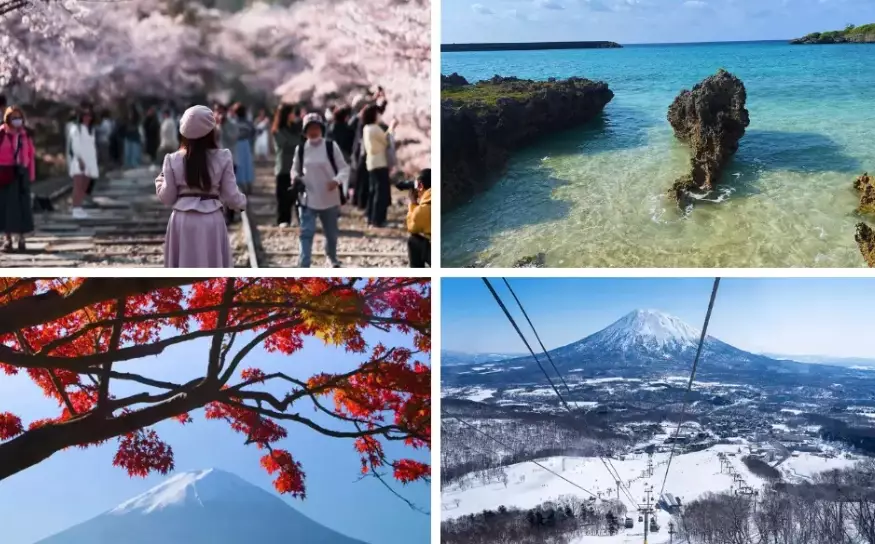
The truth is, the "best" time is deeply personal. It depends on what you want to do, your tolerance for heat, cold, and other people, and even your budget. This guide won't just give you a one-size-fits-all answer. Instead, I'll break down Japan's weather month-by-month, city-by-city, and activity-by-activity. We'll talk real numbers, not just vague descriptions. You'll walk away knowing exactly which month offers the temperature sweet spot for *your* dream Japanese adventure.
Japan's Four Seasons: A Quick Rundown
Japan has a distinct four-season climate, but it's not uniform. The country stretches over a huge latitude, from the relatively cool north (Hokkaido) to the subtropical south (Okinawa). Most first-time visitors stick to the main island of Honshu, home to Tokyo, Kyoto, and Osaka. The climate here is temperate, but with pronounced seasonal shifts.
Spring (March-May) is famous for sakura (cherry blossoms) and mild weather. Summer (June-August) is hot, humid, and rainy, except in Hokkaido. Autumn (September-November) brings crisp air, stunning koyo (foliage), and comfortable temperatures. Winter (December-February) is cold and dry on the Pacific side (Tokyo), but snowy on the Japan Sea side and in the mountains.
See? Already more nuanced than just "spring good, summer bad."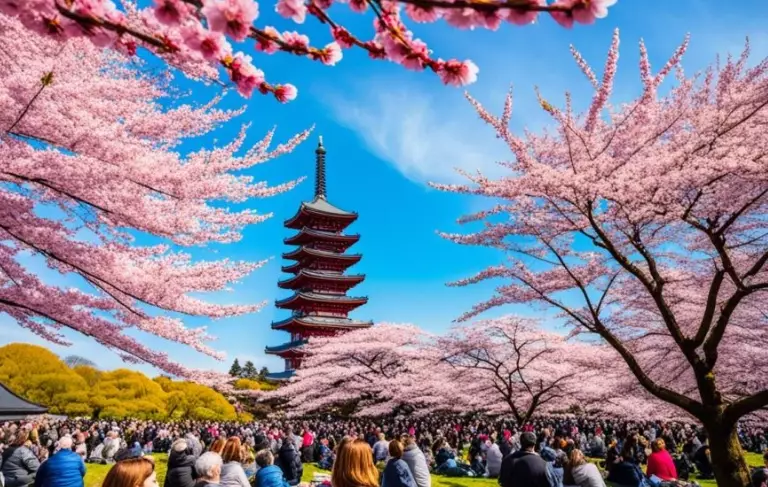
The Month-by-Month Temperature Breakdown
Here’s where we get practical. I’ve put together a table comparing the average high and low temperatures for three key tourist cities: Tokyo, Kyoto, and Sapporo (in Hokkaido). This shows you the dramatic differences across regions when searching for the best time to visit Japan temperature-wise.
The data is sourced from the Japan Meteorological Agency, which is the official government authority on weather. You can't get more reliable than that.
| Month | Tokyo Avg. High/Low (°C) | Kyoto Avg. High/Low (°C) | Sapporo Avg. High/Low (°C) | Vibe & Key Considerations |
|---|---|---|---|---|
| January | 10°C / 2°C | 9°C / 1°C | -1°C / -7°C | Cold, dry, sunny. Great for winter festivals in the north. Crowds are low. |
| February | 10°C / 2°C | 10°C / 1°C | 0°C / -7°C | Similar to Jan. End of month sees early plum blossoms. |
| March | 13°C / 5°C | 14°C / 4°C | 4°C / -3°C | Transitional. Can be chilly, especially at night. Late March kicks off cherry blossom season in some areas. |
| April | 19°C / 10°C | 20°C / 10°C | 11°C / 2°C | Peak spring. Often cited as the best time to visit Japan temperature-wise. Mild days, cool nights. Also peak crowds and prices due to sakura. |
| May | 23°C / 15°C | 25°C / 15°C | 17°C / 7°C | Beautiful, warm weather. "Golden Week" holiday (early May) is insanely busy. Late May is lovely. |
| June | 26°C / 19°C | 28°C / 20°C | 22°C / 12°C | Start of the rainy season (tsuyu) in most of Honshu. Hot, humid, and wet. Hokkaido misses most of the rain. |
| July | 30°C / 23°C | 32°C / 24°C | 26°C / 17°C | Hot, humid, and rainy (except post-tsuyu). Hokkaido is pleasantly warm. Mountain hiking season opens. |
| August | 31°C / 24°C | 34°C / 25°C | 27°C / 19°C | Peak heat and humidity. Kyoto can feel like a steam bath. Obon festival mid-month causes domestic travel chaos. |
| September | 27°C / 21°C | 29°C / 21°C | 23°C / 14°C | Still warm, but heat starts to break. Typhoon season peaks. Can be a gamble. |
| October | 22°C / 15°C | 23°C / 14°C | 17°C / 7°C | Prime autumn. Excellent temperatures, lower humidity. Foliage starts in north/mountains late month. |
| November | 17°C / 9°C | 17°C / 8°C | 9°C / 1°C | Cool, crisp, and stunning with koyo (foliage). A top contender for best time to visit Japan temperature and scenery. |
| December | 12°C / 5°C | 12°C / 4°C | 2°C / -4°C | Winter begins. Dry, sunny, and festive with illuminations. Great for onsen (hot springs). |
Looking at that table, April, May, October, and November clearly have the most comfortable temperature ranges for most people. But comfort isn't just about the number on the thermometer.
Beyond Averages: Regional Climate Differences That Matter
Talking about the "temperature in Japan" is like talking about the "weather in the USA." It's meaningless without specifying where. Let's zoom in.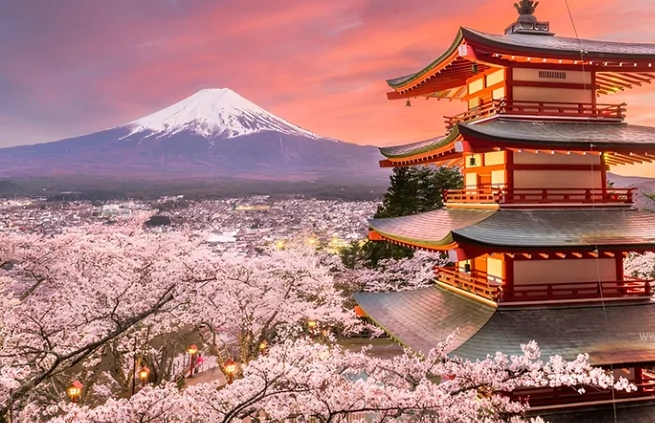
Central Japan (Tokyo, Kyoto, Osaka, Nagoya)
This is the classic tourist trail. The climate is temperate. Spring and autumn are genuinely delightful here. But summer is brutal due to the urban heat island effect mixed with humidity. Winter is mild with little snow, but buildings can be poorly insulated, so it feels colder inside than you'd expect.
Northern Japan (Hokkaido - Sapporo, Otaru, Furano)
A whole different world. Hokkaido has shorter, cooler summers with low humidity – it's a glorious escape in July/August. Winters are long, cold, and snowy, perfect for skiing. The best time to visit Japan temperature-wise for summer activities? Hokkaido in August. For winter sports? Hokkaido from December to March.
Spring comes late (May), and autumn comes early (September/October). They have their own beautiful, less-crowded blossom (lilac, lavender) and foliage seasons.
Southern Japan (Kyushu, Okinawa)
Subtropical. Winters are very mild (perfect for escaping cold). Summers start earlier, are longer, and are even hotter and more humid than Honshu, with a heavier rainy season. The best time for beach weather in Okinawa is late April to June (before the peak typhoon/rain threat) and October to November.
Matching Weather to Your Activities
Your ideal temperature depends entirely on what you plan to do. Let's match them up.
Best Time for City Exploration & Temple Hopping
You'll be walking. A lot. You want dry weather and temperatures between 15°C and 25°C (59°F-77°F).
- Top Choice: October to early December. The air is crisp, skies are often clear, and the humidity is gone. Late November can be chilly, but still great for walking.
- Second Choice: Late March to April (excluding cherry blossom peak). Similarly good temperatures, but higher chance of rain (spring showers) and the infamous "kafunsho" (cedar pollen) allergy season can be hellish for sufferers.
- Worst Choice: July to August. The heat and humidity will sap your energy and turn temple visits into a slog.
I once tried to do a full-day walking tour of Kyoto in mid-August. By 11 am, I was drenched, exhausted, and hiding in a convenience store for the air conditioning. It completely ruined the day's plans.
Best Time for Hiking & Nature
For high-altitude hikes (Alps, Mt. Fuji), the official season is brief: July to early September. That's when the snow has melted, and mountain huts are open. Even then, be prepared for sudden weather changes. For lower-level hikes and nature walks, May-June (before heavy rains) and September-October are superb.
Best Time for Skiing & Snow Sports
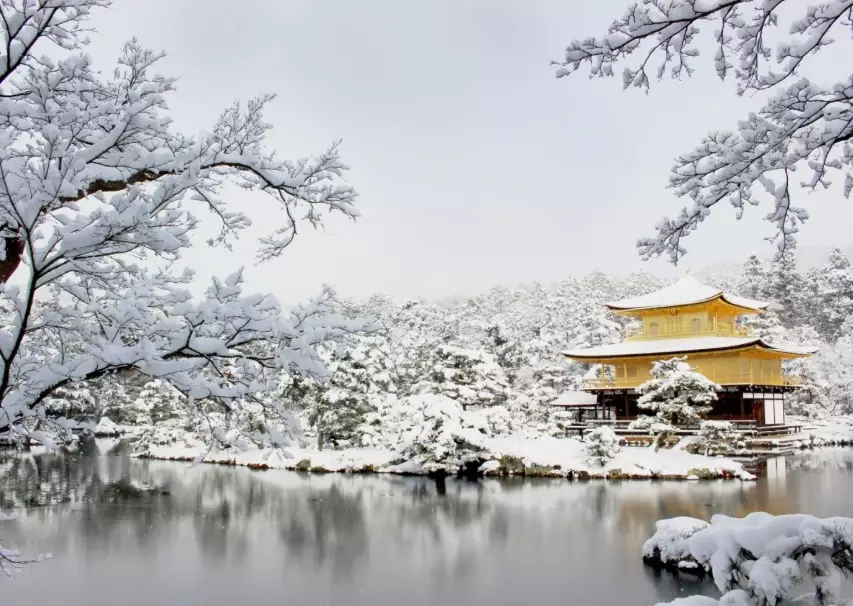
January and February offer the most reliable powder, especially in Hokkaido and the Japan Alps (Nagano, Niigata). December can be good, and March can have great spring skiing with longer days.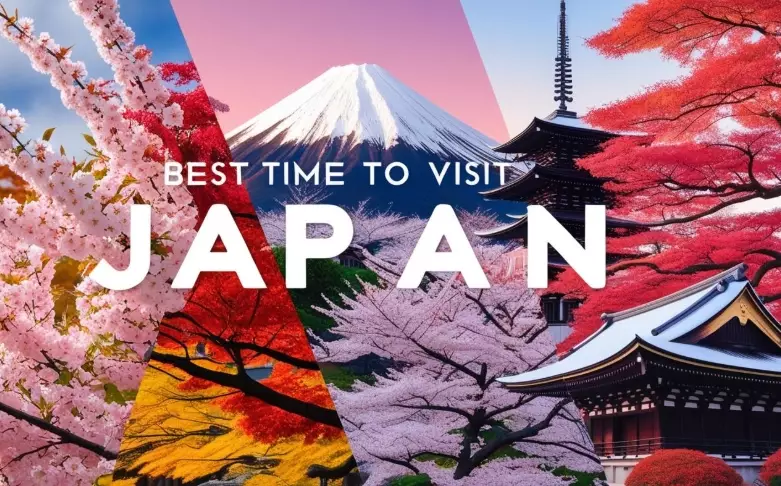
Best Time for Beaches & Island Hopping (Okinawa)
The water is warm enough from April through November. To dodge the worst of the rain and typhoon risk, aim for the April-June sweet spot or October-November. July-September is hottest but also peak typhoon season.
The Crowd and Cost Factor
Perfect weather often means perfect crowds. This is the eternal travel dilemma.
Peak Seasons (High Crowds & Prices):
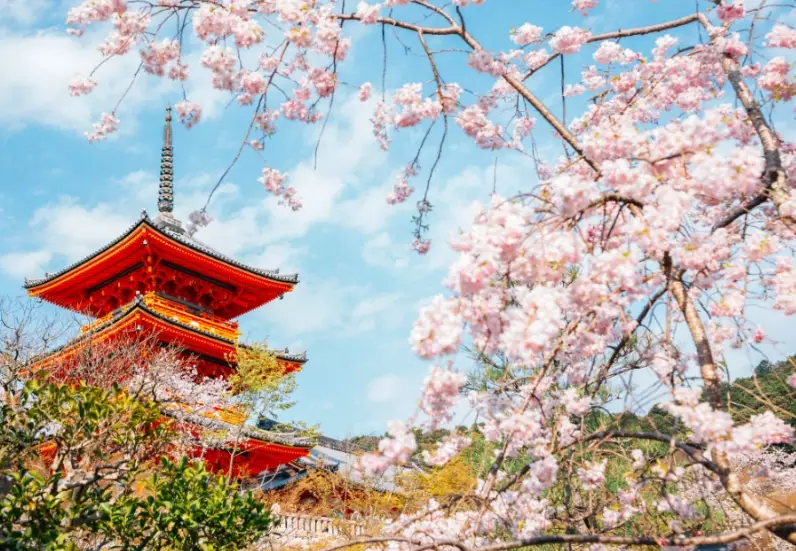
- Cherry Blossom Season: Late March to mid-April (varies yearly). This is the single busiest time. Hotels book up a year in advance, and prices double or triple.
- Autumn Foliage Season: Late October to late November (varies by region). Nearly as busy as spring, especially in Kyoto.
- Golden Week: A cluster of national holidays from late April to early May. Avoid at all costs unless you enjoy packed trains and fully booked attractions.
- Obon: Mid-August. Similar domestic travel frenzy.
Sweet Spot (Good Weather, Fewer People):
- Late May / Early June: After Golden Week, before the heavy rains. Warm, green, and less crowded.
- Late September / Early October: After the summer heat breaks, before the foliage crowds descend. Watch for typhoons, though.
- November (after foliage peaks in a region): Gets cooler, but crowds thin out quickly while landscapes remain beautiful.
Value Seasons (Lower Prices, Weather Gamble):
- Winter (Jan-Feb, excluding New Year): Cold but sunny. Crowds are minimal. Great for city culture, onsens, and winter festivals.
- June (Rainy Season): If you don't mind carrying an umbrella, you'll have cities almost to yourself. It doesn't rain all day, every day – often just heavy showers.
- September: Typhoon risk keeps crowds away, but you can get lucky with a full week of gorgeous weather.
Your Personal Japan Temperature Checklist
Ask yourself these questions to find your best time:
- What's my ideal daytime temperature? (e.g., I prefer 20-25°C / 68-77°F)
- How do I handle humidity? (If you hate it, rule out June-September for Honshu)
- What's my main goal? (Sakura, hiking, skiing, city culture, beaches?)
- What's my budget and tolerance for crowds? (Can I pay peak prices? Do I mind sharing sights with thousands?)
- Am I flexible? (Can I shift dates to chase a better weather window?)
Frequently Asked Questions (FAQs)
The Final Verdict: So, What's the Best Time?
If I had to pick one period to recommend to a first-time visitor who wants the classic experience with the highest chance of great weather, I'd say mid-October to mid-November.
You get comfortable, crisp temperatures perfect for walking. The humidity of summer is a distant memory. The landscapes are painted in incredible autumn colors. While it's busy, the crowds feel slightly more manageable than the sakura frenzy (except maybe in Kyoto's most famous spots). It's simply a spectacular season that delivers on almost all fronts when considering the best time to visit Japan temperature and scenery combined.
But maybe you're not a first-timer. Maybe you want to ski, or see summer festivals, or get a deal. That's the beauty of Japan – there is no single "best" time. There's a best time for you.
Use the month-by-month data. Be honest about your crowd tolerance. Match the weather to your dream activity list. And remember, even in a less-than-ideal season, you're still in Japan. I've had magical days in the drizzle of June and breathtaking moments in the freezing cold of January. Sometimes, going against the grain reveals a quieter, more authentic side of the country.
Happy planning. Your perfect Japanese adventure, with its perfect temperature, is out there waiting.
Share Your Thoughts