You've booked a ryokan with a private onsen. The picture shows a wooden tub overlooking a bamboo grove, steam rising into the cool air. It's the dream. But then a quiet panic sets in. What are the rules? Is it just like a bathtub back home, or is there a whole ritual you're supposed to follow? Let me tell you, getting the private onsen etiquette right isn't just about avoiding embarrassment—it transforms a simple soak into a deeply authentic and respectful Japanese cultural experience. This guide will walk you through every step, from booking to drying off, so you can relax completely, knowing you're doing it right.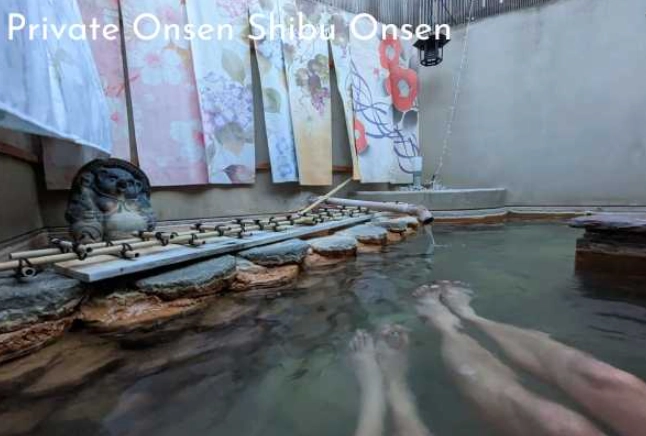
What's Inside This Guide
Private Onsen vs. Public Onsen: What's the Difference?
Think of it this way: a public onsen is a communal swimming pool, with shared rules and a social atmosphere. A private onsen (家族風呂, kazoku-buro, or 貸切風呂, kashikiri-buro) is more like renting a private pool for your group. The core purpose—bathing in natural hot spring water—is the same. But the context changes everything.
| Aspect | Public Onsen | Private Onsen |
|---|---|---|
| Privacy | None. Mixed-gender or gender-segregated large baths. | Complete. Just you and your booked companions. |
| Booking | Usually free with stay or paid entry. | Requires reservation, often for a fixed time slot (e.g., 50 mins). |
| Atmosphere | Social, quiet, focused on the bathing ritual. | Intimate, relaxed. You control the noise level. |
| Core Etiquette | Strict. Mandatory pre-wash, no towels in water, absolute silence norms. | Relaxed but present. Pre-wash is NON-NEGOTIABLE. Other rules are about respect for space. |
The biggest misconception? That "private" means "anything goes." It doesn't. You're still using a facility maintained by the ryokan, often with water shared from the same source as the public baths. The fundamental hygiene rule—washing thoroughly before entering—is sacred and unchanged. What relaxes are the social rules: you can talk, you don't have to be silent, and you have the space to yourself.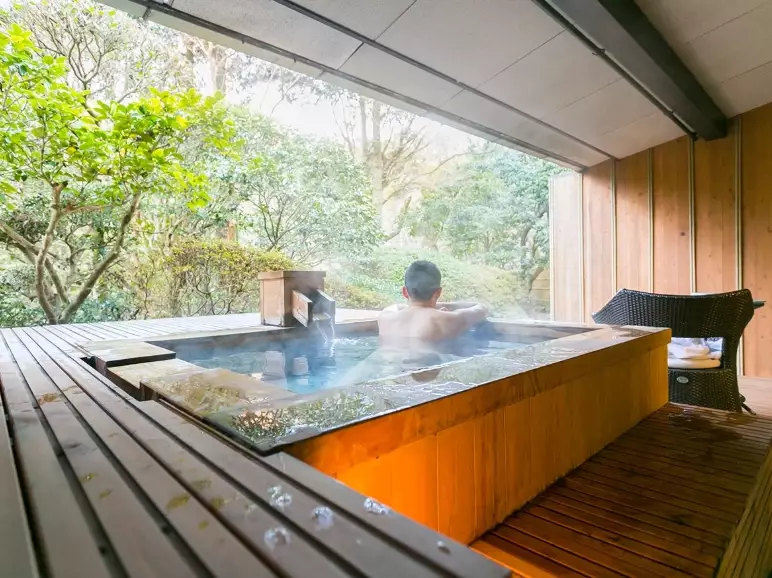
How to Book a Private Onsen
This isn't something you just walk into. Planning is key.
Book Early, Especially for Peak Times. The best slots—sunrise, sunset, under the stars—sell out fast. When you make your ryokan reservation, inquire immediately about private onsen booking. Some high-end places include a slot with your room; most charge an extra fee (typically ¥1,500 to ¥4,000 per group per session).
Understand the Schedule. Sessions are almost always timed. 45 or 50 minutes is standard. The clock starts at your booked time, whether you're there or not. I learned this the hard way in Hakone, arriving five minutes late and losing precious soaking time. Be in the hallway a few minutes early.
Know What's Provided. Usually, the private onsen room will have towels, basic toiletries (shampoo, body wash), a hairdryer, and sometimes a cold water dispenser. It's good practice to bring the small towel from your room too. Don't assume there will be robes (yukata) in the room; you'll likely wear yours from your room to the onsen entrance.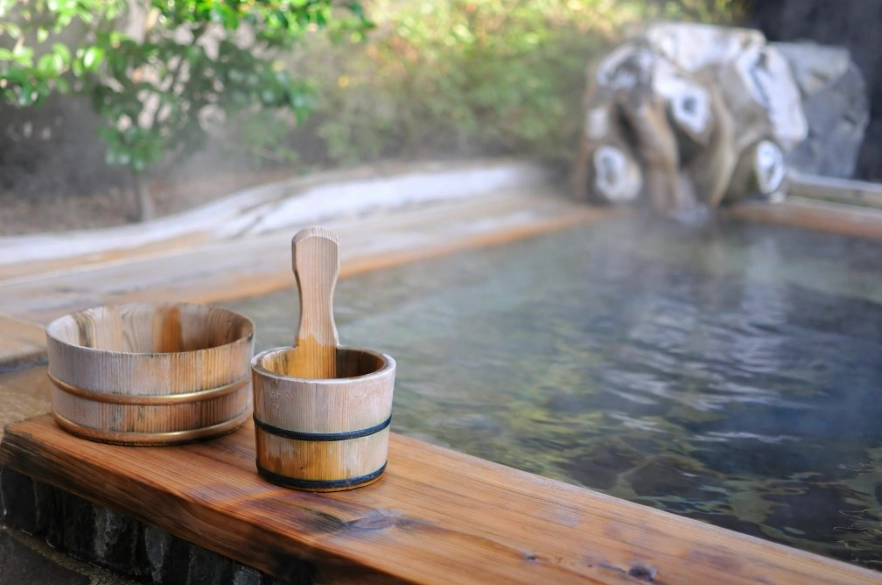
Pro Booking Tip
Ask the ryokan staff: "Kashikiri-buro no naka ni, sekiyu ya taoru wa arimasu ka?" (Are there shampoo and towels inside the private bath?) It shows you're thinking ahead and saves you an awkward trip back to your room dripping wet.
Private Onsen Etiquette: The Step-by-Step Guide
Let's walk through the process from start to finish. Imagine you've booked a 5 PM slot.
Step 1: Entering the Onsen Room
At your booked time, go to the designated door. There's usually a simple lock or a sign you flip to "使用中" (shiyōchū - in use). Inside, you'll find a changing area and the bathing/washing area separate from the actual onsen tub. First thing: take off your slippers. They stay at the entrance. You'll be walking barefoot or in provided bath slippers from here. Place your clothes and dry towel in a basket or on a shelf.
Step 2: The Pre-Bath Shower (Kakeyu)
This is the rule. The non-negotiable, cardinal rule of all onsen. Before you even think about the beautiful steaming tub, you must wash.
Go to the washing station. Sit on the small stool provided. Yes, sit. This prevents water and suds from splashing on neighboring bathers (even if there aren't any, it's the proper form). Use the shower head, basin, soap, and shampoo to scrub every part of your body thoroughly. Rinse off all soap suds. Your body should be completely clean before you stand up. This ritual, called kakeyu, purifies you before entering the shared mineral waters. I've seen people skip this in private onsens, and it's the single biggest giveaway of a novice. Don't be that person.
Step 3: Entering the Onsen
Now you're ready. Rinse your body once more with the shower to remove any stray soap and to acclimate your temperature. Walk to the onsen tub. Use the small towel—you can place it on your head, on the side of the tub, or rinse it and fold it by the edge. Do not let it soak in the water. It's considered unclean.
Enter slowly and quietly. It's hot. It's always hotter than you think. Ease in, letting your body adjust. Once in, relax. You can talk quietly with companions. This is your time.
Step 4: During and After the Bath
Don't stay in too long. 10-15 minutes at a time is plenty. Get out, cool down, drink some water, and re-enter if you wish. The timed session includes all of this, so manage your moments.
When finished, exit the tub. Do not rinse off with soap or shower gel again. The mineral water (onsen no yu) on your skin is considered beneficial. A quick rinse with clean water from the shower to remove excess minerals is okay, but vigorous soaping defeats the purpose. Pat yourself dry with your towel in the washing area, not while dripping over the pristine wooden floor.
Step 5: Exiting and Cleaning Up
Get dressed. Take everything you brought in. Check for stray hairs around the drain or washing area—a quick rinse down the drain is a thoughtful gesture. Wipe the stool if you made a mess. Flip the sign on the door back to "空き" (aki - vacant) when you leave. You're done.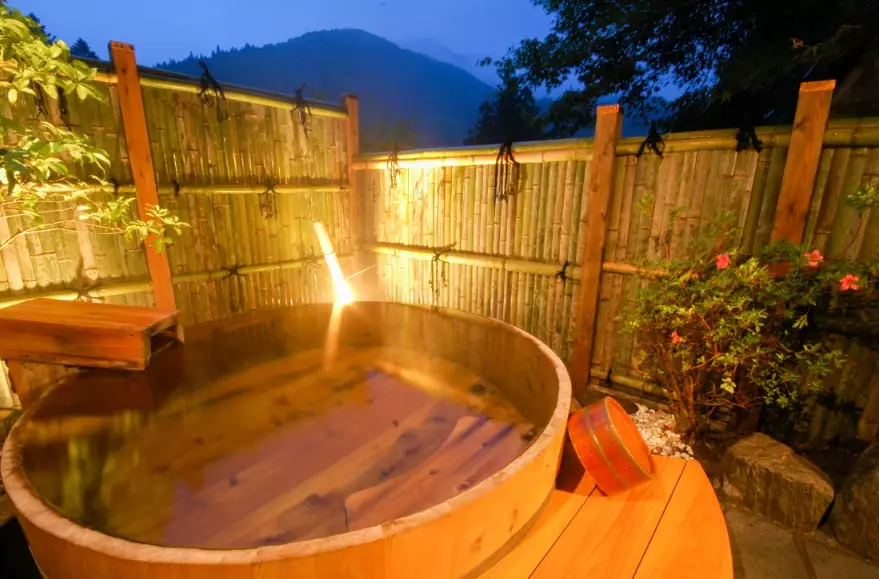
Common Mistakes to Avoid in a Private Onsen
Even with the best intentions, small errors happen. Here are the big ones I've witnessed or heard from ryokan owners.
Assuming No Rules Apply. The pre-wash rule stands. So does the "no towels in the water" rule. Treating it like your personal jacuzzi can damage the ryokan's property and offend the staff who clean it.
Being Too Loud. While you can talk, walls can be thin. Boisterous laughter or loud music from a speaker disrupts the peaceful ambiance for others in nearby rooms or gardens. Keep the volume respectful.
Overstaying Your Time Slot. This is a major grievance. The next guest is waiting. Set a timer on your phone (on silent!) if you have to. Leaving 2-3 minutes early is a classy move.
Using Products in the Water. No bath bombs, no oils, no bubble bath. You're soaking in a specific mineral composition. Adding foreign substances can alter the water chemistry and clog the filters.
Not Drying Off Properly. Dripping water through the hallway makes floors slippery and hazardous. Dry yourself thoroughly in the bathing area before stepping out to change.
Beyond the Basics: Enhancing Your Private Onsen Experience
Now that you've got the rules down, let's make it magical.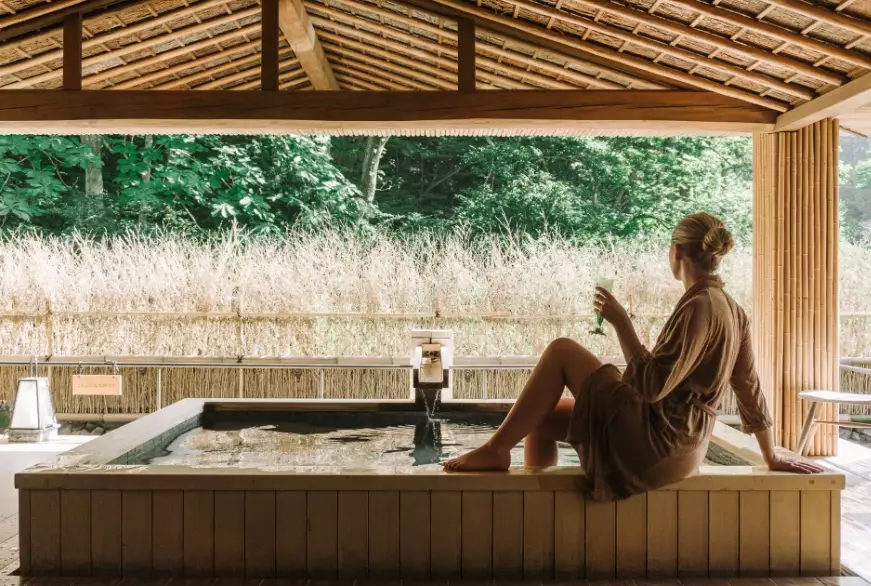
Choose Your Time Wisely. A sunrise soak energizes the day. An evening bath under the stars (many outdoor private onsens, rotenburo, are perfect for this) is unforgettable. Post-dinner soaks aid digestion, but avoid going right after a large meal or on an empty stomach.
Bring a Drink. Hydration is crucial. Many private onsen rooms have a small fridge or space for the water bottle from your room. A cold glass of water, green tea, or even a small sake (in moderation!) can elevate the ritual. Use provided coasters.
Embrace the Silence. Try at least a few minutes of your soak in complete silence. Listen to the water, the wind, the distant sounds. This mindfulness is at the heart of the onsen tradition.
Consider the Season. In winter, the shock of cold air when you get out of the hot water is exhilarating. In autumn, you might have a view of maple leaves. Ask the staff about the seasonal highlights of your particular bath.
Your Private Onsen Questions Answered
 Mastering private onsen etiquette isn't about memorizing a strict list of don'ts. It's about understanding the spirit behind the practice: respect for the water, the place, and the culture. When you follow these guidelines, you're not just checking a box—you're participating in a centuries-old tradition of purification and relaxation. That awareness, more than anything, is what turns a good soak into a profound experience. Now go enjoy that bath.


Share Your Thoughts