Quick Guide
- The Foundation: Architecture and Layout
- A Closer Look: The Key Furnishings and Items
- The Bathroom Situation: Ensuite vs. Shared
- The Rhythm and Rituals: A Day in a Ryokan Room
- Common Questions & Things People Don't Tell You
- How to Choose the Right Ryokan Room for You
- Final Thoughts: Embracing the Difference
You've seen the pictures. The serene, minimalist spaces, the floor you're not sure you can walk on, the low table that looks impossible to eat at comfortably. The idea of staying in a ryokan is incredibly appealing, but it can also feel a bit intimidating if you've never done it before. I remember my first time—I was so worried about doing everything wrong that I almost didn't enjoy the stunning room I was paying good money for.
Let's clear that up right now. A typical ryokan room isn't just a hotel room with a Japanese theme. It's a carefully designed environment meant to immerse you in a specific feeling—one of calm, tradition, and connection to nature. It follows a logic that might be different from Western hotels, but once you understand it, everything clicks into place. This guide is here to walk you through every single element, from the moment you slide open the door to the moment you reluctantly leave.
We're going to get into the nitty-gritty. The smells, the sounds, the little objects you might wonder about. We'll talk about the stuff nobody really tells you, like how to actually manage the bathroom slippers situation without feeling silly. By the end, you'll not only know what a typical ryokan room is like, you'll feel prepared to relax and soak in every moment of the experience.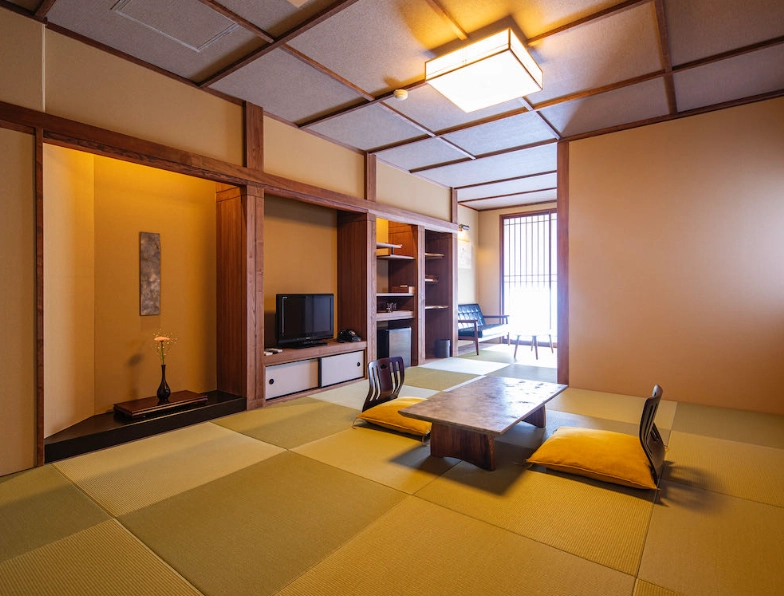
The Foundation: Architecture and Layout
First things first, you don't just walk into a ryokan room. You enter it. There's a ceremony to it. The entrance is usually a sliding door, a fusuma or shoji, made of wood and paper. It feels fragile but is surprisingly sturdy. The first thing you'll notice is a small step up or a clearly defined area.
This is the genkan (entrance area). It's a crucial social and practical buffer zone.
You leave your outdoor shoes here, facing outward, and step up into the main living space in your socks or the provided slippers. This act physically and symbolically separates the outside world from the inner sanctuary. It’s the first rule, and it’s non-negotiable. I once saw a tourist try to shuffle in with their sneakers still on to grab a forgotten item, and the staff's polite but firm intervention was a masterclass in Japanese hospitality. They were right, of course—you're bringing the outside dirt onto the pristine tatami.
Ah, the tatami. This is the heart and soul of the floor. These are woven straw mats, traditionally measuring about 1.8 by 0.9 meters (a jo), and rooms are often described by how many mats they fit—an 8-tatami room, a 10-tatami room. They have a distinct, earthy, grassy smell that is the signature scent of a ryokan. It's calming. The texture is firm yet slightly yielding underfoot. You absolutely do not wear any footwear on the tatami. Not even socks, sometimes. It's a sacred surface for living, sleeping, and sitting.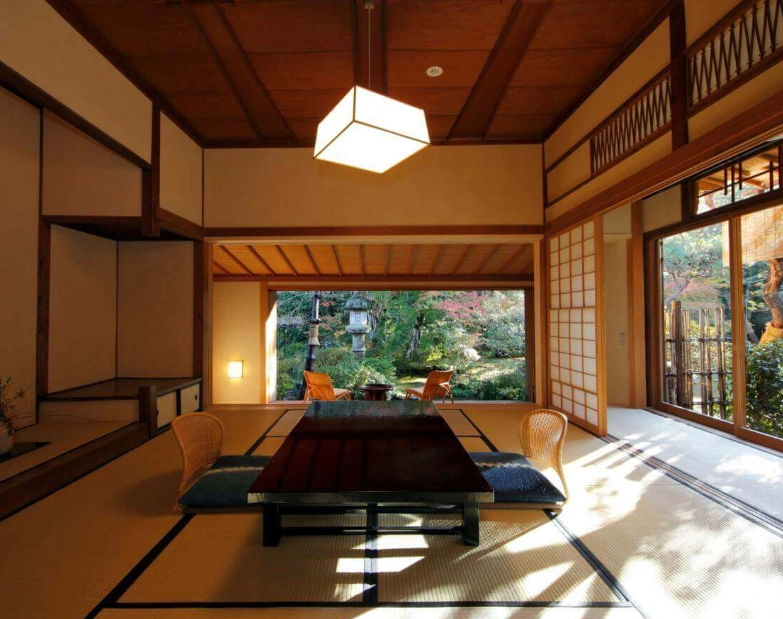
The Flow of Space: Multi-Functional and Open
A typical ryokan room is the opposite of a compartmentalized hotel suite. It's a large, open, flexible space. During the day, it's a living and dining area. At night, it transforms into a bedroom. This magic trick is key to understanding what a typical ryokan room is like—it’s dynamic.
Walls are often minimal. You might have a tokonoma, an alcove that is the focal point of the room. This is where you'll find a scroll (kakejiku) with calligraphy or a painting, and a simple flower arrangement (ikebana). It's considered the spiritual center of the room, so don't put your luggage or personal items there! It's for contemplation. The other main feature is the engawa—a sort of covered wooden veranda that runs along the outside of the room, acting as a transitional space between the interior and the garden. Sitting here with a cup of tea, watching the rain or the garden, is one of the purest joys of ryokan life.
Lighting is soft and indirect. You won't find harsh overhead lights. Instead, there are paper lanterns (andon), floor lamps, and subtle fixtures that create a warm, gentle glow. As evening falls, the staff will often come to draw the shoji screens and turn on the lights, setting the mood perfectly.
A Closer Look: The Key Furnishings and Items
Now let's look at the stuff that fills this beautiful, empty space. It's minimal, but every item has a purpose.
The Centerpiece: The Low Table (Zabuton & Kotatsu)
In the middle of the room, you'll find a low table, usually with cushions (zabuton) around it. In colder months, this might be a kotatsu—a table with a heater underneath and a heavy blanket draped over it. Let me tell you, there are few things cozier in this world than sticking your legs under a kotatsu on a chilly Japanese evening. It's social media-worthy comfort.
This is where you'll have your meals served (often in your room), drink tea, read, or just chat. Sitting on the floor for hours can be tough if you're not used to it. My advice? Don't be proud. Shift positions often. Sit cross-legged, stretch your legs out to the side, or even use the table for support. Nobody is judging your flexibility.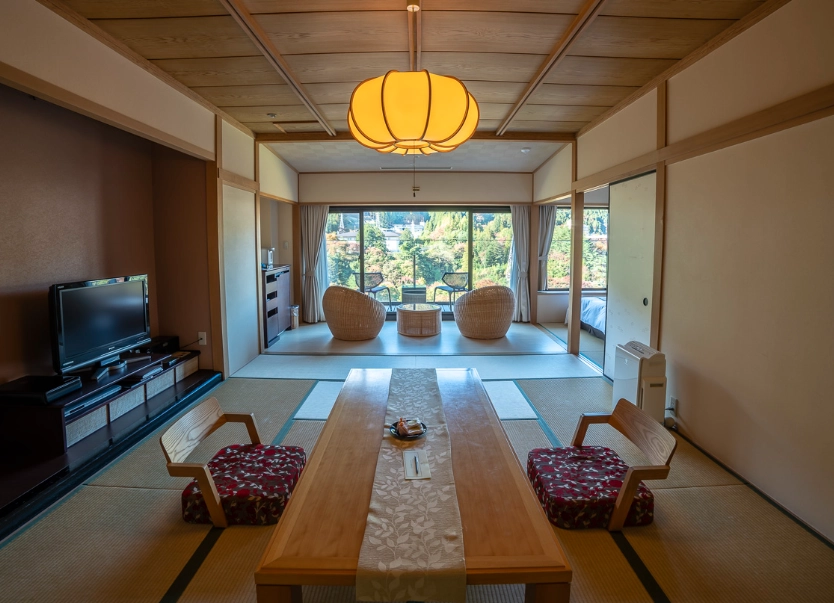
The Bedding: The Futon (Shikibuton & Kakebuton)
This is the element that causes the most curiosity and sometimes anxiety. Where's the bed? The answer is: in the closet. A true Japanese futon is not a couch. It's a sleeping mattress (shikibuton) and a duvet/comforter (kakebuton) that are stored in the large closet (oshiire) during the day.
While you're out at dinner, a staff member (often called nakai-san) will silently enter your room and perform the nightly transformation. They will lay out the futons on the tatami, fluff the pillows (which are often filled with buckwheat hulls—they have a unique crunch and are great for neck support), and turn down the covers. Coming back to a room magically turned into a bedroom is a delightful part of the experience. The sleep? Personally, I find a good futon on tatami to be incredibly supportive for my back. It's firm, but in a good way. Some people find it too hard. It's a matter of taste, but you should be prepared for a different feel than a plush mattress.
The Essential Toolkit: What You'll Find in the Room
Let's break down the common items you'll encounter. This table should demystify a lot:
| Item | Japanese Name (if common) | What It Is & What To Do With It |
|---|---|---|
| Yukata | 浴衣 | A lightweight cotton kimono. This is your ryokan uniform. You wear it everywhere—to dinner, to the baths, to lounge in your room. Left side over right (the opposite is for the deceased). Tie the obi (belt) comfortably. |
| Tenugui | 手拭い | A thin cotton hand towel. Often provided for use at the hot spring baths. More absorbent than it looks. Some people use it as a headband or scarf. |
| Green Tea Set | - | A pot, cups, and a canister of loose-leaf green tea (sencha). There's always a hot water thermos. Making your own tea is a lovely ritual. Don't expect English Breakfast tea; this is part of the immersion. |
| Slippers | スリッパ | Usually plastic or fabric. For walking in the hallways ONLY. Step out of them before stepping onto the tatami or the bathroom floor. The bathroom often has its own dedicated pair. |
| Bathroom Slippers | - | Located just inside the bathroom door. You swap your room slippers for these when using the toilet. Swap back when you leave. This keeps bathroom germs contained. It feels fussy at first, but you get used to it. |
| Hashi (Chopsticks) & Tableware | 箸 | For your in-room meals. Often beautiful lacquerware. Don't stick your chopsticks upright in rice (another funeral association). |
| Small Basket/Bag | - | For carrying your toiletries, tenugui, and small items to the public bath. It’s functional and cute. |
See? Once you know what everything is for, the room stops being a puzzle and starts being a playground of comfort.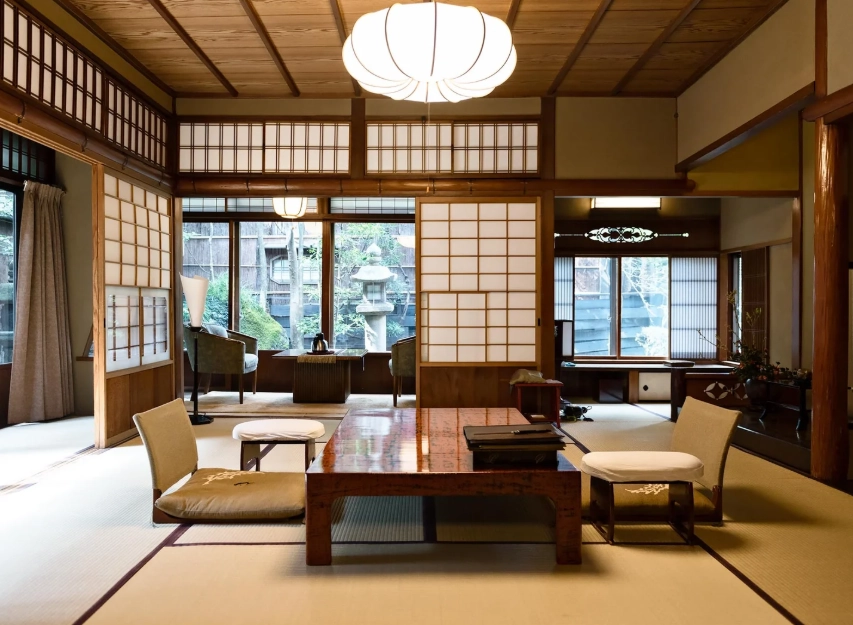
The Bathroom Situation: Ensuite vs. Shared
This is a major point of consideration. A typical ryokan room might have a private, ensuite bathroom, or it might not. Traditionally, many ryokan were built around communal bathing, and the rooms had only a toilet and sink. The bathing experience was meant to be social and ritualistic in the large, often stunning onsen (hot spring) baths.
Many modern ryokan now offer rooms with private open-air baths (kaze-no-buro or rotenburo). These are fantastic but come at a premium. When booking, you need to check carefully: does the room have a private bath, just a shower/toilet unit, or only a toilet? If you're not comfortable with shared bathing, this will dictate your choice. Personally, I think the shared onsen is a core part of the ryokan experience, but I totally understand the desire for privacy.
If you're using the public bath, the etiquette is strict but simple: wash thoroughly at the shower stations before entering the common soaking pool. No swimsuits. Use the small towel to cover yourself modestly while walking, but don't let it touch the bath water. Tie long hair up. Be quiet and contemplative. The Japan National Tourism Organization has a great, simple guide on onsen etiquette that's worth a glance before you go.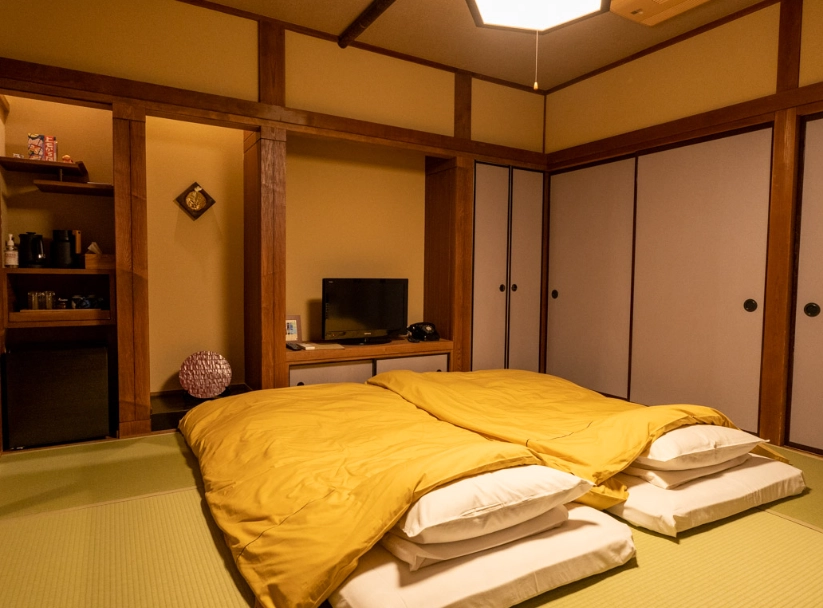
The Rhythm and Rituals: A Day in a Ryokan Room
Understanding what a typical ryokan room is like isn't just about the physical space; it's about how you live in it. The room facilitates a specific, slower rhythm.
Check-in & The First Moments
You'll be escorted to your room, not just given a key. The staff will show you around, explain the yukata, the tea, the meal times. They might serve you a welcome sweet and tea right there while you sit on the zabuton. It's a moment to decompress. Don't rush it.
Meal Times: Kaiseki in Your Room
Many ryokan include exquisite multi-course dinners (kaiseki ryori) and breakfasts. These are often served in your room. The nakai-san will bring in tray after tray of beautifully arranged, seasonal dishes. She'll explain each one (if there's a language barrier, she'll do her best with gestures!). It's a performance and a feast. The meal can last 1-2 hours. After dinner, while you're perhaps enjoying a stroll, she will clear everything away and lay out the futons.
Breakfast is often an equally elaborate affair, sometimes traditional Japanese (grilled fish, rice, miso soup, pickles) which can be a bold wake-up call if you're used to cereal. It's an integral part of the experience.
The Bathing Ritual
Whether in your room or the public bath, bathing is an event, not a chore. It's about cleansing and soaking away stress. The hot, mineral-rich water is meant to be enjoyed slowly. After your bath, you're not supposed to rinse off—you let the minerals sink into your skin. You'll feel incredibly relaxed and sleepy afterward, perfect for slipping into your futon.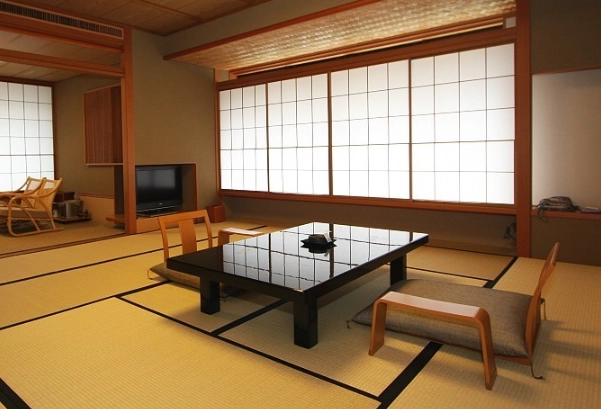
Common Questions & Things People Don't Tell You
Let's tackle some of the real, practical questions that pop up when you're trying to picture what a typical ryokan room is like.
Here's a personal one: the walls in older ryokan can be very thin. You might hear your neighbors, especially if they're not used to the quiet culture. I once had a room next to a couple who argued loudly in whispers all night—it was almost comical. It's rare, but it happens. Higher-end ryokan have better sound insulation.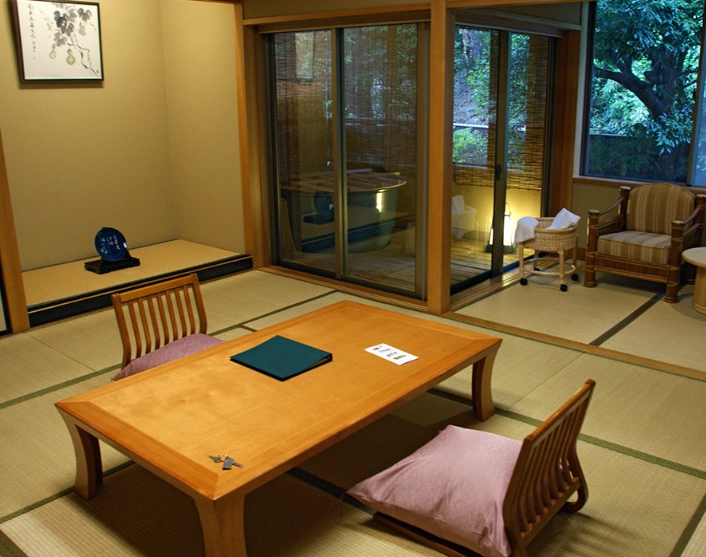
How to Choose the Right Ryokan Room for You
Not all ryokan rooms are created equal. Your perfect experience depends on your priorities. Here’s a quick breakdown to help you decide what to look for when booking.
- For the First-Timer Seeking Comfort: Look for a room with a private ensuite bathroom (even just a shower unit) and maybe a small seating area with chairs. This eases the cultural transition. A garden view is highly recommended.
- For the Onsen Purist: Prioritize ryokan with exceptional communal baths (indoor and outdoor) and perhaps a room without a bath to save cost. The room is your resting pod; the baths are the main event. Check the water source and minerals.
- For the Ultimate Splurge: Book a room with a private open-air bath (rotenburo) on the balcony. Soaking under the stars or while watching snow fall is an unforgettable luxury. Meals are often next-level kaiseki.
- For the Budget-Conscious Traveler: Look for smaller, family-run ryokan (minshuku) which offer a more rustic, homely version of the experience. The room might be simpler, the baths shared, but the hospitality is warm and authentic.
A resource like the Japanese Ryokan Association website can be a good starting point to find certified establishments, though it's not exhaustive. Regional tourism sites, like those for Niigata or Okayama, often have excellent, curated lists of local ryokan.
Final Thoughts: Embracing the Difference
So, what is a typical ryokan room like? It's more than a place to sleep. It's a sensory and cultural capsule. It's the smell of tatami and simmering dashi from the kitchen. It's the feel of cotton yukata and the shock of hot spring water on your skin. It's the sound of silence punctuated by the careful footsteps of a nakai-san in the hallway.
It asks you to slow down, to follow simple rules that make communal living graceful, and to appreciate beauty in emptiness and ritual. It might feel awkward at first—the floor sitting, the slipper swaps, the public bathing. But if you lean into it, you'll discover a form of travel luxury that has nothing to do with thread count and everything to do with peace, presence, and a deep connection to a timeless Japanese aesthetic.
Go in with an open mind, respect the customs, and let the room work its magic. You might just find that your night in a ryokan becomes the most memorable part of your entire trip to Japan. I know it always is for me.
Now you're ready. Go book that stay, slide open that door, and step into a world designed for tranquility.

Share Your Thoughts