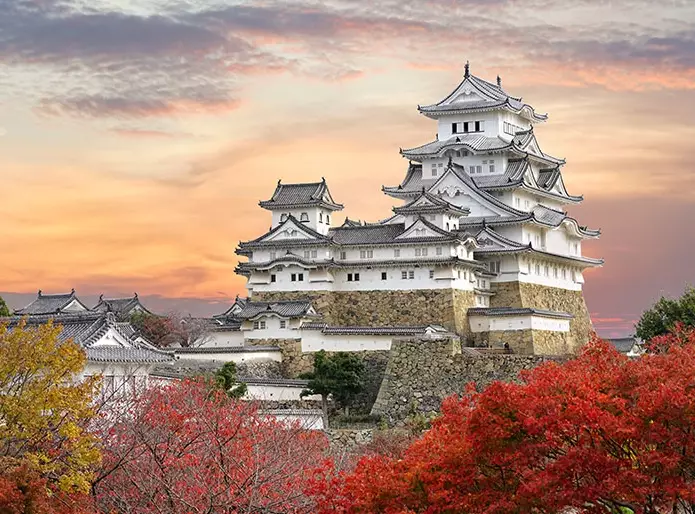
Let's settle the debate right away. When people ask about the biggest Japanese castle, they're almost always talking about Himeji Castle (Himeji-jō). It's not just big; it's a masterpiece. Perched on a hill in Hyogo Prefecture, its brilliant white plaster walls and layered roofs have earned it the nickname "White Heron Castle." But its beauty is backed by serious size and one of the most sophisticated defensive designs in feudal Japan. Forget just looking at a pretty building. Visiting Himeji is about walking through a 400-year-old military puzzle.
I've been three times—once as a rushed tourist, once during its massive restoration (more on that later), and once with a proper guide. Each visit peeled back another layer. Most visitors see the iconic keep and leave. They miss the real story written in its stone walls and confusing passages.
Your Quick Guide to This Article
What Makes Himeji Castle the Biggest?
"Biggest" can mean a few things. Some castles might have a larger total land area if you count sprawling ruins. But Himeji wins on every metric that matters for a surviving, original fortress.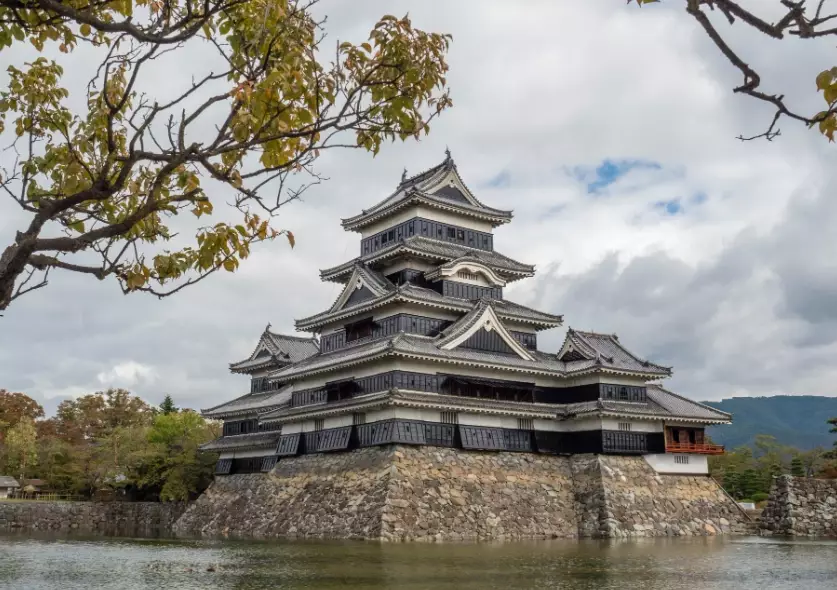
Scale of the Complex: This isn't just one tower. The castle grounds sprawl over 233 hectares. The central compound, with its main keep, three smaller keeps, and connecting galleries, forms the largest and most complete surviving example of early 17th-century Japanese castle architecture. Walking from the outermost gate (Ōtemon) to the base of the main keep is a journey through multiple concentric baileys (maru), each designed as a kill zone.
Height and Presence: The main keep (tenshu) rises 46.4 meters from the stone foundation to the tip of its roof finial. Because it's built on Himeyama Hill, the total height above sea level is about 92 meters. It dominates the skyline for miles. The complex has over 80 buildings—gates, towers, walls—most dating from the early 1600s. Compare that to famous rebuilt castles like Osaka, which is mostly modern concrete with a historic-looking exterior.
Defensive Ingenuity as a Measure of Size: Its size is functional. The labyrinthine approach to the keep, with paths that turn back on themselves, dead ends, and heavily fortified gates, was designed to slow and disorient attacking armies. The sheer amount of thought put into defense—the angles of the stone walls (ishigaki), the placement of arrow slits and gun ports—makes the castle feel intellectually massive. You're not just in a big building; you're inside a giant, beautiful trap.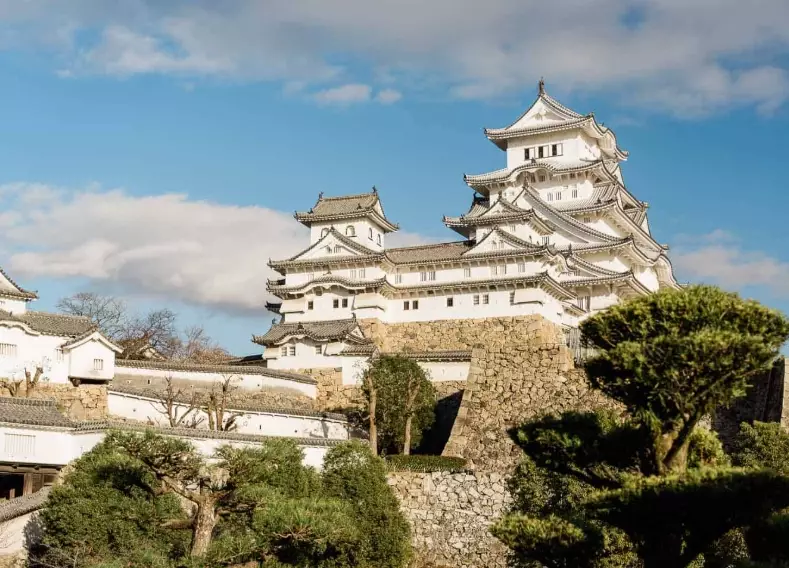
Himeji Castle at a Glance
Location: 68 Honmachi, Himeji, Hyogo Prefecture 670-0012, Japan.
Main Keep Height: 46.4 meters (152 feet).
Construction Era: Current structure completed in 1609 (early Edo period).
UNESCO Status: Inscribed in 1993 as one of the first World Heritage Sites in Japan.
Nickname: Shirasagijō (White Heron Castle) due to its elegant white plaster walls and layered roofs resembling a bird taking flight.
Planning Your Visit: Tickets, Hours & Getting There
Getting this right makes all the difference. Himeji is a day trip magnet from Osaka and Kyoto, meaning it gets packed.
Ticket Options and Prices
You have two main choices:
- Castle-Only Ticket: 1,000 yen for adults. This gets you access to the entire castle grounds and the main keep.
- Combined Ticket (Castle + Kōko-en Garden): 1,050 yen for adults. For just 50 yen more, this is a no-brainer. Kōko-en is a stunning set of nine separate Edo-style gardens built on the site of a former samurai residence. It's peaceful, beautifully landscaped, and offers fantastic photo spots with the castle in the background.
Tickets are purchased at the entrance booth near the Ōtemon gate. You can't buy tickets online in advance for general entry, so factor in queue time. The line moves fast if you're just buying tickets, but the line to actually *enter* the main keep can be long.
Opening Hours and Best Time to Visit
The castle is open from 9:00 AM to 5:00 PM (last entry at 4:00 PM). It closes December 29th and 30th. Hours extend slightly during peak summer seasons.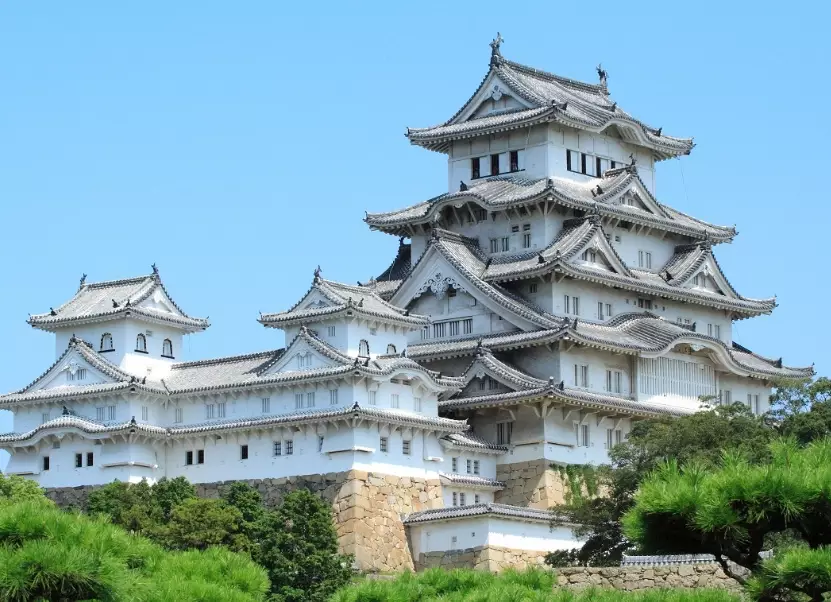
My strongest advice: Be at the ticket gate at 8:45 AM. Being among the first in means you can walk the grounds in relative peace and climb the keep before the crowds turn the staircases into slow-moving human traffic jams. The light is also soft and beautiful for photography. The second-best window is after 3:00 PM, when many tour groups have left.
How to Get to Himeji Castle
It's incredibly well-connected.
- By Shinkansen: From Osaka (Shin-Osaka Station) or Kyoto, take the Tokaido-Sanyo Shinkansen to Himeji Station. The trip takes about 30 minutes from Osaka and 60 minutes from Kyoto on the fastest Nozomi trains (not covered by the Japan Rail Pass). Using the Hikari or Sakura trains (which are covered) adds about 10-15 minutes. From Himeji Station's north exit, the castle is a 15-20 minute straight walk down Otemae-dori Street. You can see it the entire way—it's a fantastic approach.
- By Local Train: More economical but slower. From Osaka, you can take the JR Special Rapid Service on the JR Kobe Line, which takes about 60 minutes and is covered by the JR Pass.
Don't bother with a taxi from the station unless you have mobility issues; the walk is part of the experience.
Inside the White Heron: A Walkthrough Guide
Entering the castle grounds feels like stepping back in time. The first thing you notice is the sheer scale of the stone foundations. These aren't just walls; they're engineered slopes designed to be earthquake-resistant and impossible to scale.
The path winds up. You'll pass through the Hishi Gate, then into the Second Bailey (Ninomaru). This is a huge, open space where you get your first full frontal view of the main keep complex. It's breathtaking. Most people stop for photos here (and they should).
Then you enter the maze. To reach the main keep, you must pass through a series of heavily fortified gates with confusing layouts. The path doubles back, forces you through narrow channels, and exposes you to the angles of hidden defensive positions. This is where you appreciate Himeji as a fortress, not just a palace. Look for the ishi-otoshi—openings in the parapets where defenders could drop stones or boiling oil on attackers below.
Climbing the Main Keep: The interior is austere and functional. It's all massive wooden pillars, bare floors, and steep staircases. There are six floors (plus a basement level), but they aren't what you'd expect. The floors get progressively smaller as you go up. The climb is not for the faint of heart or those with bad knees—the stairs are incredibly steep, almost ladders. There are no elevators.
On each level, you'll find informative displays (in Japanese and English) about the castle's construction, history, and the armor/weapons used. The view from the top floor is the reward. On a clear day, you can see all across Himeji city and beyond. You can also see the intricate system of fish-shaped roof ornaments (shachihoko) that act as both decoration and talismans against fire.
A note on the restoration: From 2009 to 2015, the main keep was under wraps in a giant conservation scaffold. I visited during this period. While seeing it covered was a letdown, the exhibition about the restoration techniques was fascinating. They used traditional materials and methods, even re-plastering the walls with the same white clay mixture. This commitment to preservation is why Himeji feels so authentic.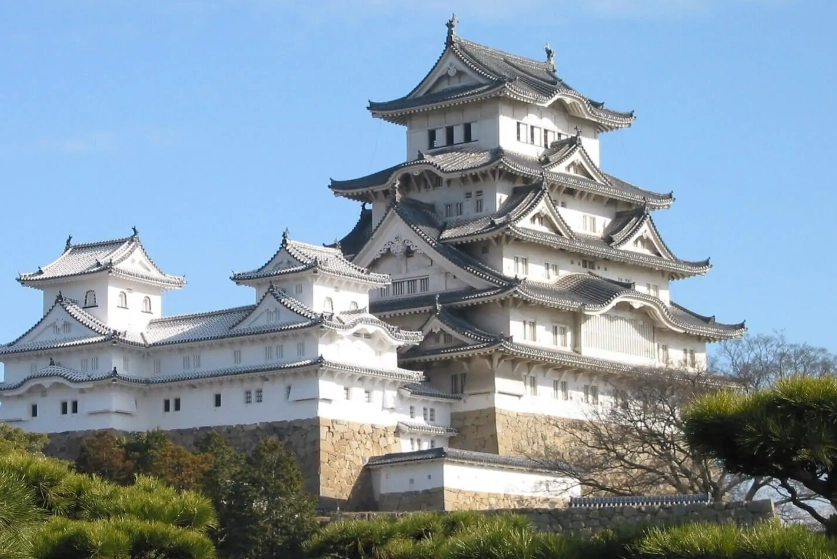
Expert Tips & Common Mistakes to Avoid
After multiple visits and talking to guides, here's what most people get wrong.
Mistake #1: Ignoring the defensive gates. Everyone rushes to the keep. Slow down. Stop at the Water Gate (Mizu-no-mon) and the Fan Slope (Ō-uchi-saka). Study how the walls curve and the sightlines work. This is where the castle's genius is most apparent.
Mistake #2: Wearing the wrong shoes. This should be obvious, but I see it all the time. You will be walking on uneven stone paths and climbing steep, polished wooden stairs. Wear comfortable, grippy walking shoes. Sandals or heels are a terrible idea.
Mistake #3: Not allocating enough time. A quick in-and-out in 90 minutes does Himeji a disservice. To truly explore the castle grounds, climb the keep, and visit Kōko-en Garden, you need a solid 3 to 4 hours minimum.
Pro Tip for Photos: The classic shot is from the Ninomaru bailey. For something different, after exiting the main keep, take the path that loops around the back towards Kōko-en. You'll get a stunning side-profile view framed by pine trees, with far fewer people.
What to See Beyond the Main Keep
Your ticket isn't just for the big tower.
- Kōko-en Garden: As mentioned, it's worth the extra 50 yen. It's serene, with koi ponds, streams, teahouses, and manicured landscapes. It's the perfect calm after the castle's martial intensity.
- The West Bailey (Nishi-no-maru): A long, grassy area that was once the residence of a princess. It offers a different, elongated perspective of the main keep and is often less crowded.
- Himeji City Museum of History: Located just north of the castle park, it delves deeper into the region's history and the castle's construction. Good for a deeper dive if you have time.
Lunch? The area around the station has more options, but there are a few decent soba and udon shops on the approach to the castle. Or, pack a small snack and have it in the castle park.
Your Himeji Castle Questions Answered
So, is Himeji Castle the biggest Japanese castle? In terms of historical significance, architectural completeness, defensive complexity, and sheer iconic presence, the answer is a definitive yes. It's not just a monument; it's an experience. It demands your time and attention, but rewards you with a profound understanding of Japan's feudal era. You leave not just having seen a beautiful white building, but having navigated the mind of a samurai strategist. That's what makes it truly great.




Share Your Thoughts