Quick Navigation
Let's be honest. You type "which temples in Kyoto are worth visiting" into Google, and you're immediately hit with a hundred lists saying the same thing: Kinkaku-ji, Kiyomizu-dera, Fushimi Inari. Sure, they're famous for a reason. But is that all there is? Is it worth fighting through the selfie-stick armies just to see a building you've seen a thousand times on Instagram? The short answer is yes, but also no. It depends entirely on what you're looking for.
Kyoto isn't a museum with a few exhibits. It's a living, breathing city with over 1,600 temples. Trying to see them all is a surefire way to get "temple fatigue" by lunchtime on day one. I've been there. You start to glaze over, one golden pavilion starts to look like the next, and you forget if you're at a temple or a shrine (there's a difference, by the way).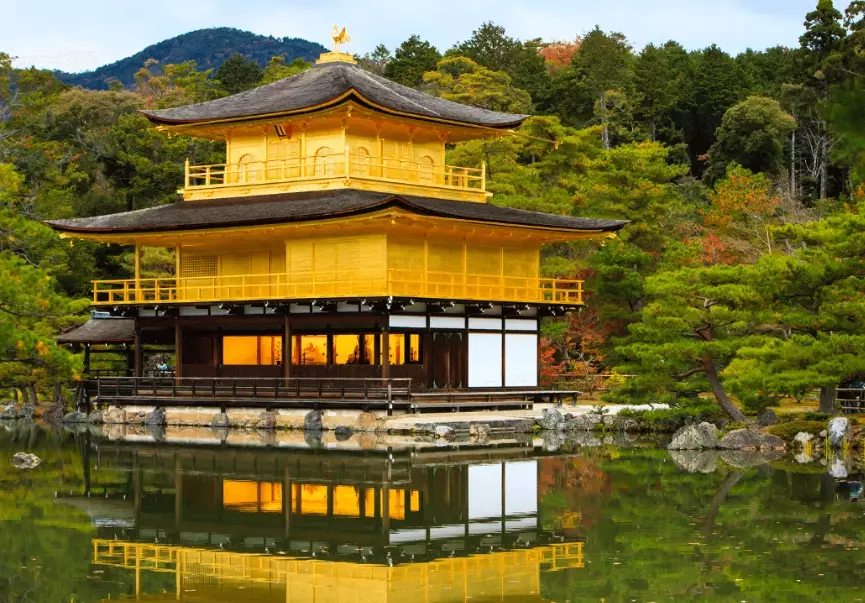
So this guide isn't about listing every single one. It's about helping you figure out which temples in Kyoto are worth visiting for you. We'll talk about the iconic ones you probably should see, the quieter spots where you can actually hear yourself think, the ones with mind-blowing gardens, and the ones that are just plain overrated if you're short on time. I'll throw in some hard-won practical advice I learned from getting lost in Arashiyama, showing up at closed gates, and wearing the wrong shoes.
The Non-Negotiables: Kyoto's Temple Superstars
These are the heavy hitters. They're crowded, they're on every poster, and you should probably visit at least one or two. They're famous because they're genuinely spectacular. The key is managing your expectations and timing.
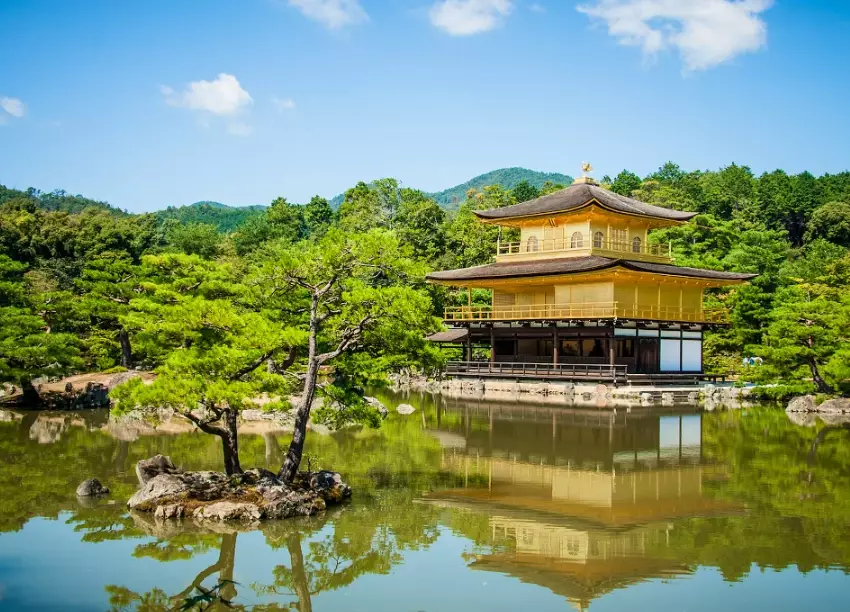
Kinkaku-ji (The Golden Pavilion)
Yes, it's always packed. Yes, the path is a one-way tourist conveyor belt. But listen, when that sunlight hits the gold leaf covering the entire top two floors, reflecting perfectly in the mirror pond... it's a legitimate "wow" moment. It's smaller than you imagine, and you can't go inside, but as a visual spectacle, it delivers. Go as soon as it opens. I mean it. 8:30 AM. The difference between 8:35 and 9:05 is the difference between a pleasant visit and a crowded nightmare.
Is Kinkaku-ji one of the temples in Kyoto worth visiting? For the iconic photo and sheer uniqueness, absolutely. For a contemplative experience, look elsewhere.
Kiyomizu-dera (The Pure Water Temple)
Perched on a hillside with a massive wooden stage jutting out over the trees, the view of Kyoto from here is the stuff of legends. The main hall is an architectural marvel, built without a single nail. The vibe here is more energetic, more vibrant than the serene gold of Kinkaku-ji. You'll see people drinking from the Otowa Waterfall below, hoping for health, longevity, or success in studies.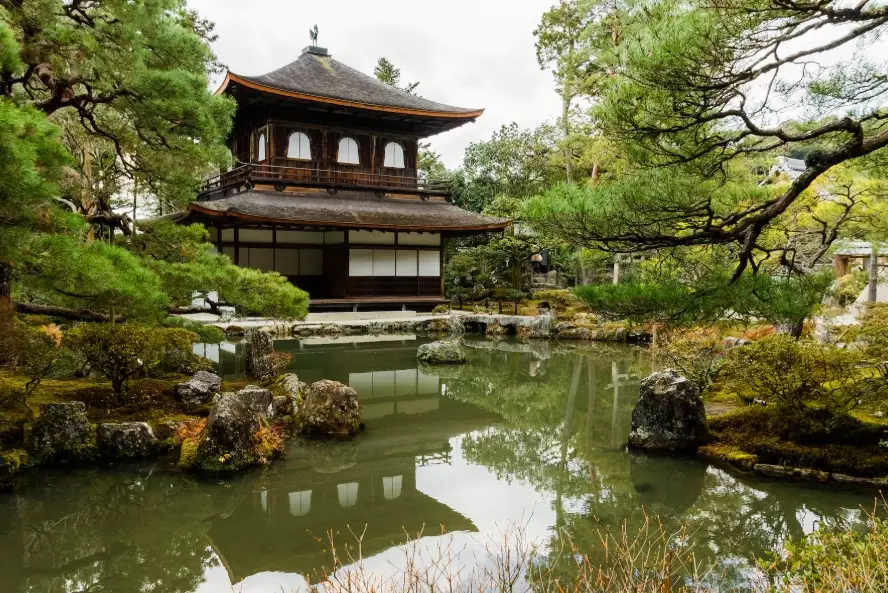
Fushimi Inari Taisha
Okay, technically this is a Shinto shrine, not a Buddhist temple, but no list answering "which temples in Kyoto are worth visiting" dares leave it out. The thousands of vibrant red torii gates winding up the mountain create an unforgettable tunnel. The first crowded section near the base is what everyone sees. But if you keep walking—past the halfway point, up to the Yotsutsuji intersection and beyond—the crowds thin dramatically. You can find quiet paths and smaller sub-shrines. Wear good shoes; it's a hike.
For a completely different feel, go at dawn or after dusk. The gates are lit, the atmosphere is eerie and powerful, and you'll have it mostly to yourself. Just stay on the main path.
| Temple | Main Attraction | Best Time to Visit | The Crowd Factor | My Personal Rating |
|---|---|---|---|---|
| Kinkaku-ji | The golden reflection, photo op | Opening time (8:30 AM) | Extremely High | 8/10 (Must-see, but brief) |
| Kiyomizu-dera | The wooden stage & city view | Late afternoon (for sunset light) | Very High | 9/10 (Iconic experience) |
| Fushimi Inari | The tunnel of red gates | Very early morning or evening | High at base, Low at summit | 10/10 (Unique in the world) |
Beyond the Postcard: Temples for Specific Vibes
This is where we answer the real question behind "which temples in Kyoto are worth visiting." If you want to escape the tour buses and find a place that resonates with your personal travel style, this list is for you.
For Zen Garden Perfection: Ryoan-ji
Kinkaku-ji screams for attention. Ryoan-ji, its neighbor, whispers. This is the home of Japan's most famous kare-sansui (dry landscape) rock garden. Fifteen rocks arranged on raked white gravel, surrounded by a clay wall. That's it. You sit on the veranda and just... look. Some people feel profound peace. Others get frustrated trying to find a meaning. I sat for 20 minutes, and my mind, usually buzzing with itinerary stress, actually went quiet. It's a masterclass in minimalism. The spacious moss garden behind the temple is also a lovely, underrated stroll.
For a Peaceful, Local Feel: Ginkaku-ji (The Silver Pavilion)
Everyone goes to the golden one, fewer make it to the silver one. Ironically, Ginkaku-ji was never actually covered in silver. But what it lacks in metallic sheen, it makes up for in sublime harmony. The sand garden, with its iconic "Moon Viewing Platform" sand cone, and the moss garden that winds up the hillside behind the pavilion are exquisite. It feels more integrated with nature than Kinkaku-ji. Afterwards, walk the Philosopher's Path. It connects you to other smaller temples and is gorgeous during cherry blossom season.
For the Ultimate Hidden Gem: Shoren-in Monzeki
This was my favorite find. Located near the bustling Higashiyama district, it's a temple where imperial family members once served as head priests. It feels like a secret. You can actually walk on the shoin (study room) tatami floors in your socks, opening sliding doors to view the garden from inside the building itself—a rare privilege. The garden is lush, with massive camphor trees and a pond. I visited on a Saturday afternoon and shared the space with maybe ten other people. When you're wondering which temples in Kyoto are worth visiting for a touch of aristocratic serenity, this is the answer.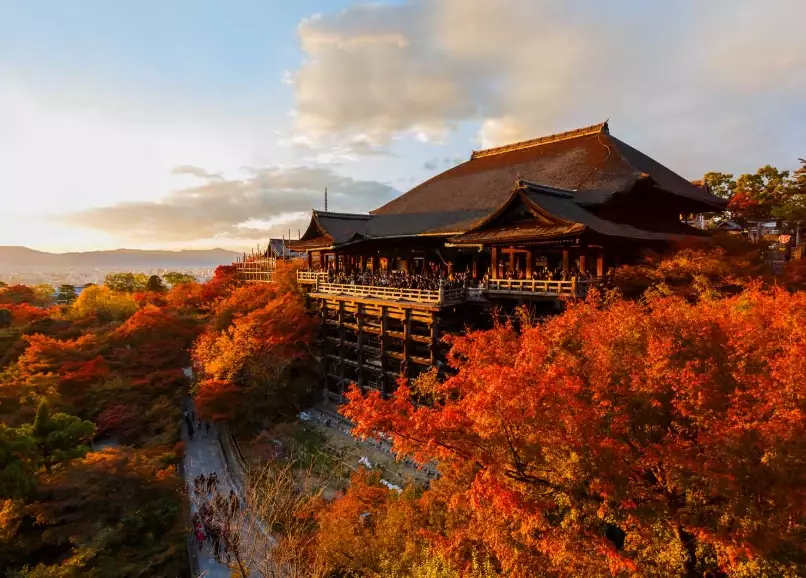
Sometimes, the best temple is the one you don't have to queue for.
The Deep Cuts & Special Interests
Maybe you've seen the big ones. Maybe you're a garden fanatic, a history buff, or just really hate lines. Here are temples that cater to niche interests.
- For Moss Lovers: Saiho-ji (Koke-dera), the "Moss Temple," is legendary. It's also the most exclusive. You must apply for permission by postcard weeks in advance (details are on the Kyoto City official website) and pay a higher fee. Once there, you participate in sutra copying before being let loose in the sublime, ethereal moss garden. It's a commitment, but for the right person, it's a pilgrimage.
- For Architectural Wonder: Sanjusangen-do houses 1,001 life-sized, gold-leafed statues of the goddess Kannon. Standing in the dimly lit, long hall facing this sea of serene, identical faces is an overwhelming, almost surreal experience. It's less about gardens and more about sheer, awe-inspiring craft.
- For Autumn Colors: Eikando Zenrin-ji is the undisputed king of autumn foliage in Kyoto. The crowds in November are insane, but the view of the pagoda reflected in a pond surrounded by fiery maples is arguably worth it. For a slightly less packed option, try Tofuku-ji, where you can walk on a covered bridge through a canyon of maple trees.
My Underrated Top Pick: Giou-ji
Tucked away in the Arashiyama area, far from the main bustle, this tiny temple is all about moss and maple trees. The thatched-roof hut sits in a perfect, small sea of vibrant green moss. It's humble, intimate, and profoundly peaceful. It won't take you long to see it, but the image sticks with you. It's the antidote to the grandeur of the big names.
The Practical Stuff: Making Your Visit Actually Work
Knowing which temples in Kyoto are worth visiting is half the battle. The other half is executing the plan without stress.
Timing is Everything (Seriously)
I can't stress this enough. The difference between a 9 AM and an 11 AM arrival at a major temple is the difference between a pleasant memory and a claustrophobic ordeal. Rule #1: Go early. Aim to be at the gate at opening time. Rule #2: Late afternoons (about 1.5 hours before closing) can also be good, as tour groups start to leave. Avoid the mid-morning to mid-afternoon crush at all costs.
Tickets, Etiquette, and What to Wear
Most temples have an entry fee, usually between 300 and 1000 yen. Have cash. While cards are spreading, many smaller places are cash-only.
Etiquette is simple but important: be respectful. It's a place of worship. Speak quietly. Don't eat or drink in the main halls or gardens. Before entering a building where you must remove shoes (like at Shoren-in), make sure your socks don't have holes! You'll be glad you checked.
Wear comfortable, easy-to-remove shoes. You'll be doing it a lot. Dress modestly. Shoulders and knees covered are a good guideline, though not strictly enforced at most tourist-heavy spots.
Planning Your Route: Geography Matters
Kyoto's temples are clustered. Don't zigzag across the city. Group them:
- Northwest: Kinkaku-ji, Ryoan-ji, Ninna-ji. Do these in one morning.
- East (Higashiyama): Kiyomizu-dera, Yasaka Pagoda, Shoren-in, Ginkaku-ji, the Philosopher's Path. This is a full day, or split into Southern and Northern Higashiyama.
- South: Fushimi Inari (it's near its own train station, pair it with something else south, or do it solo very early).
- West (Arashiyama): Tenryu-ji, Giou-ji, the bamboo grove. Another half or full day.
Use the city buses or the subway. The Kyoto City Transportation Bureau has excellent English maps. A one-day bus pass can be economical if you're temple-hopping across different clusters.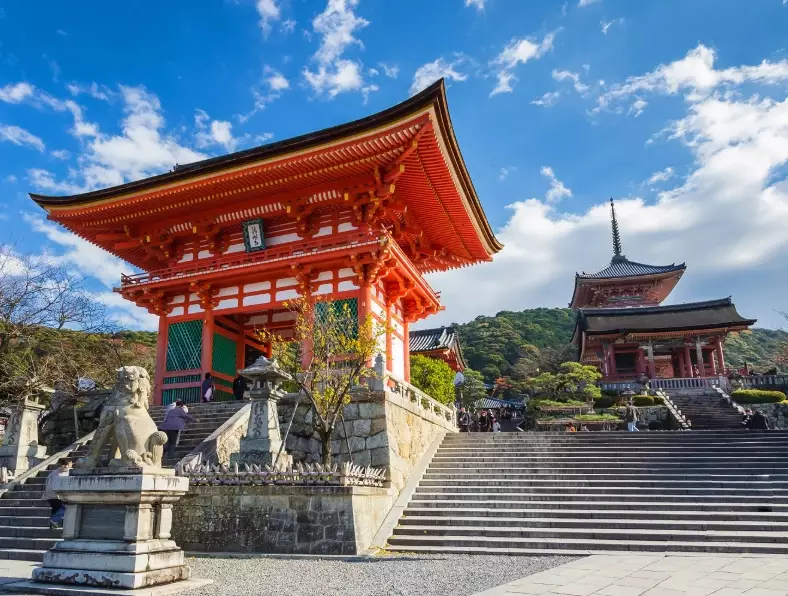
Answering Your Real Questions (FAQ)
Let's get straight to the doubts and specifics you might be searching for.
Two, maybe three max. Any more and you'll stop seeing them. You'll just see steps and ticket booths. It's not a checklist. Choose one "headliner" for the morning and one or two smaller, nearby ones for the afternoon. Quality over quantity, every time.
"Worth it" is subjective. But if you're extremely short on time (like, one day in Kyoto), I'd skip the interior of Nijo-jo Castle (it's a palace, not a temple, and the interior tour is a slow shuffle with no photos allowed) and be very selective in Arashiyama. Some of the very small, paid-entry temples right on the main drag can feel a bit insubstantial for the fee. Do your research on what's inside.
Avoid temples with lots of steep stairs (Kiyomizu-dera's approach is hilly, the main hall has stairs). Fushimi Inari's full hike is strenuous. Excellent, more accessible choices include:
- Kinkaku-ji: Flat, paved loop path.
- Ryoan-ji: Very flat and easy to navigate.
- Heian Jingu Shrine: Vast, flat gravel grounds and a huge torii gate. The garden is separate but mostly flat.
- Nijo-jo Castle Gardens: Wide, smooth paths.
For the most accurate opening hours, fees, and special access procedures (like Saiho-ji), always check the official source. The Japan National Tourism Organization (JNTO) website is a fantastic, reliable starting point for general planning. For a specific temple, a quick search for "[Temple Name] official website" usually works.
So, which temples in Kyoto are worth visiting?
It boils down to this: Start with one iconic sight to scratch that itch—see the gold, walk through the red gates, stand on the great stage. Then, dive deeper. Pick a temple that matches your mood: zen silence at a rock garden, aristocratic calm in a monzeki, or the simple beauty of a moss-covered hut. Space them out. Go early. Wear good shoes.
Kyoto's temples are layers of history, art, and nature. Don't just collect them. Experience them. Find the one that makes you stop, sit down, and just breathe. That's the temple worth visiting.

Share Your Thoughts