What You'll Find in This Guide
- Before You Go: Planning Your Japan Family Adventure
- Top Destinations & Experiences for Families in Japan
- Navigating Japan: Transport, Food & Daily Life with Kids
- Sample Itineraries for Japan with Kids
- Cultural Tips & Etiquette for Families
- Common Questions About Traveling Japan with Kids
- Final Thoughts & Making It Your Own
Let's be honest, the first time I thought about tackling Japan with kids, I felt a mix of excitement and pure panic. Images of serene temples clashed with visions of crowded Shibuya Crossing, and I wondered if my kids would live on a diet of white rice and convenience store onigiri for two weeks. But you know what? It turned out to be one of the most rewarding family trips we've ever taken. Japan is secretly a paradise for families – it's safe, mind-bogglingly clean, and packed with experiences that delight both the young and the young-at-heart. This guide is everything I wish I'd known before we went, mashed up with all the lessons we learned on the ground.
The key to a great trip to Japan with kids isn't just about picking the right sights. It's about understanding the rhythm. Japanese cities are a sensory overload in the best way, but kids can only handle so much. We learned to balance a morning of intense stimulation (hello, teamLab Planets) with an afternoon of pure, simple play in a fantastic local park. It's about knowing where to find the stroller-friendly routes (not everywhere, despite the high-tech image) and which seemingly fancy restaurant will welcome your toddler with a smile and a plastic bowl. So, let's dive in and strip away the anxiety, leaving just the fun parts of planning your Japan family adventure.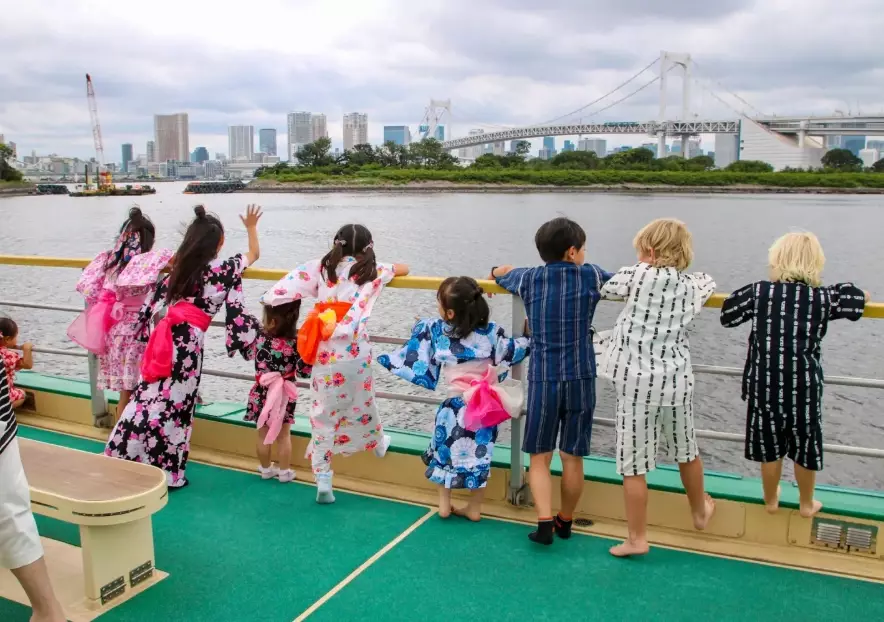
Before You Go: Planning Your Japan Family Adventure
Fail to plan, plan for a meltdown (yours or theirs). A little groundwork makes the actual trip to Japan with kids infinitely smoother.
When to Visit Japan with Your Family
This is a big one. The picture-perfect cherry blossom season (late March to April) is also crowded and expensive. It's beautiful, sure, but navigating packed parks with a stroller can test anyone's patience. Summer (June-August) is hot and humid, with a rainy season in June/July. The upside? Lively festivals. The downside? Sticky, uncomfortable kids. For my money, the sweet spots are late autumn (October-November) and spring (late April-May, after Golden Week). You get pleasant weather, stunning fall colors or late spring blooms, and slightly thinner crowds. Winter is cold but magical, especially if you hit the snow festivals in Hokkaido or enjoy illuminations without the sweat.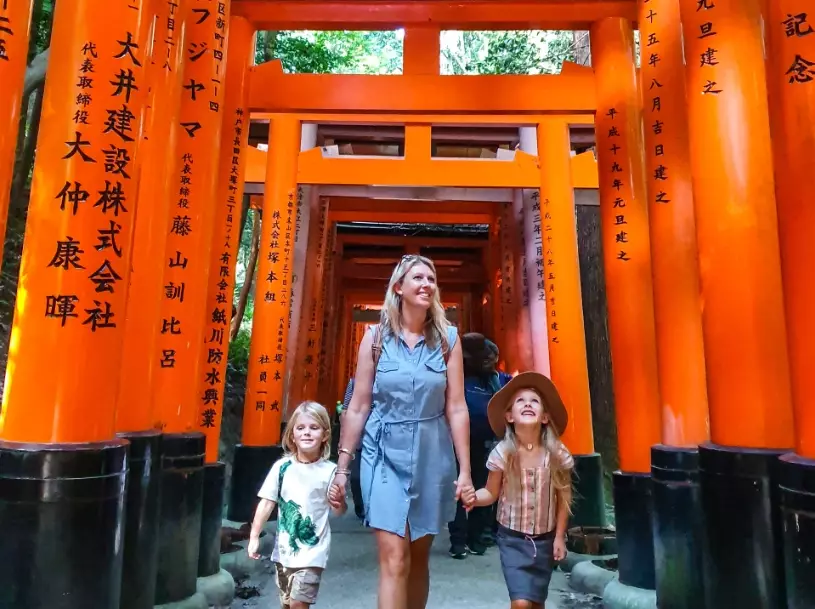
Booking Flights & Accommodation
For flights, consider the pain-to-gain ratio of a direct flight versus a cheaper one with a layover. With jet-lagged kids, that direct flight can feel worth its weight in gold. For accommodation, space is a premium in Japan. A standard "double" room often means two twin beds pushed together, with barely room to open a suitcase. Family rooms or interconnected rooms are gold dust. Look for western-style business hotels like Mitsui Garden or APA – they're no-frills but predictable, clean, and often have larger room options. Japanese-style ryokans are an incredible cultural experience, but check if they accept young children; some have age restrictions, and the rigid meal times can be tricky.
I made a mistake on our first trip by booking a "semi-double" room for the four of us, thinking it would be cozy. It was a lesson in creative Tetris. Never again.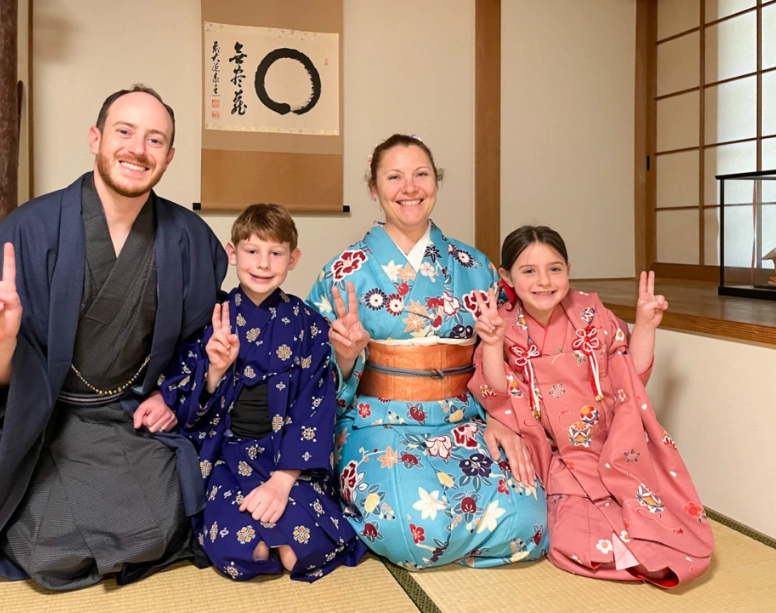
Packing Essentials for Japan with Kids
Beyond the usual clothes and toiletries, here’s your Japan-specific list:
- Comfortable Shoes for Everyone: You will walk. A lot. Break them in first.
- Portable Wi-Fi or SIM Card: Non-negotiable. Google Maps and translation apps are your lifelines. You can book pocket Wi-Fi in advance for airport pickup or grab a SIM card from a vendor like Sakura Mobile or Ninja WiFi.
- Small Daypack: For carrying water, snacks, spare clothes, and all the little treasures collected along the way.
- Hand Sanitizer & Masks: Even post-pandemic, masks are common when people feel unwell. Having some on hand is polite.
- A Small Plastic Bag for Trash: Public trash cans are rarer than a quiet moment in Akihabara. You'll carry your trash until you find a bin, usually at a convenience store.
- Baby Supplies: While you can buy diapers and formula easily (drugstores like Matsumoto Kiyoshi are everywhere), bring your preferred brand if your child is sensitive. Disposable placemats and bibs are also super handy.
Top Destinations & Experiences for Families in Japan
Japan isn't just Tokyo, though Tokyo is a fantastic starting point. The beauty of traveling Japan with kids is the variety. Here’s a breakdown of where to go and what to do.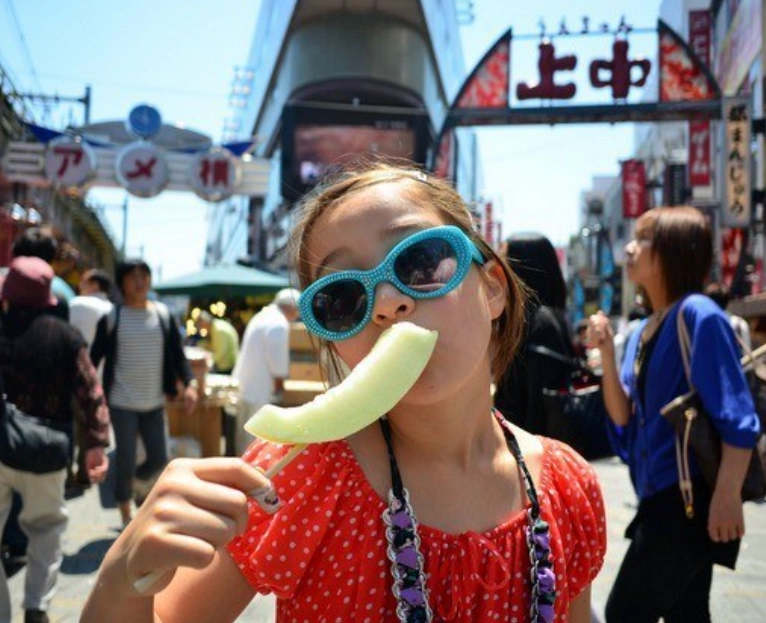
Tokyo: The Neon Playground
Tokyo is overwhelming, but in a structured, manageable way. Neighborhoods have distinct personalities. Forget trying to see it all. Pick a couple of areas per day.
For the Young & Theme Park Enthusiasts: Obviously, Tokyo Disneyland and DisneySea are top of the list. DisneySea is unique in the world and has a more adventurous vibe. Book tickets online well in advance, especially for weekends. A less chaotic alternative is Sanrio Puroland – an indoor Hello Kitty wonderland perfect for younger kids, especially on a rainy day.
For Interactive & Educational Fun: teamLab Borderless (reopening in 2024) or teamLab Planets are immersive digital art museums where kids can touch, play, and become part of the art. It's a guaranteed wow. The National Museum of Nature and Science in Ueno Park is fantastic, with dinosaur skeletons and hands-on exhibits.
For City Views & Green Space: Ueno Park is a one-stop shop: zoo, museums, street food, and paddle boats. The zoo is a bit old-fashioned but charming. Shinjuku Gyoen National Garden is a sprawling, beautiful escape from the skyscrapers, perfect for a picnic. For iconic views, the Tokyo Metropolitan Government Building in Shinjuku offers free observatories – a budget-friendly win.
Speaking of Odaiba, this man-made island is a hit. Ride the driverless Yurikamome train for cool views, see the giant Unicorn Gundam statue, explore the interactive Miraikan (National Museum of Emerging Science and Innovation), and let them loose at Legoland Discovery Center or the Toyota Mega Web showroom. It's a condensed, highly entertaining slice of futuristic Japan with kids.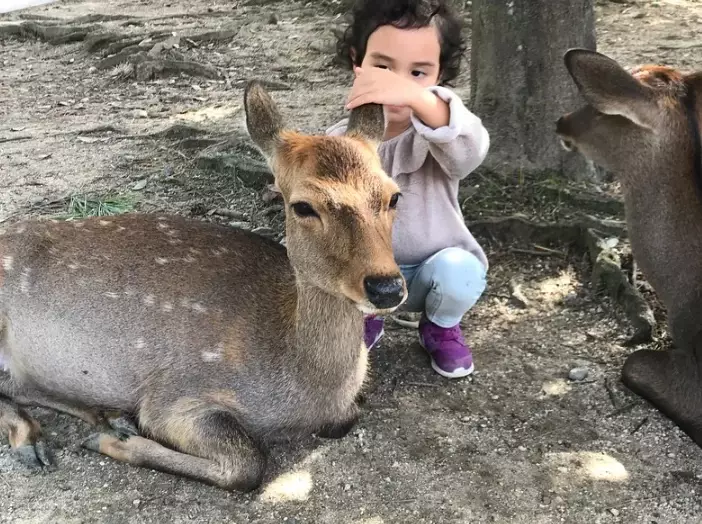
Beyond Tokyo: Cultural Heart & Natural Wonders
Getting out of Tokyo is easier than you think with the shinkansen (bullet train).
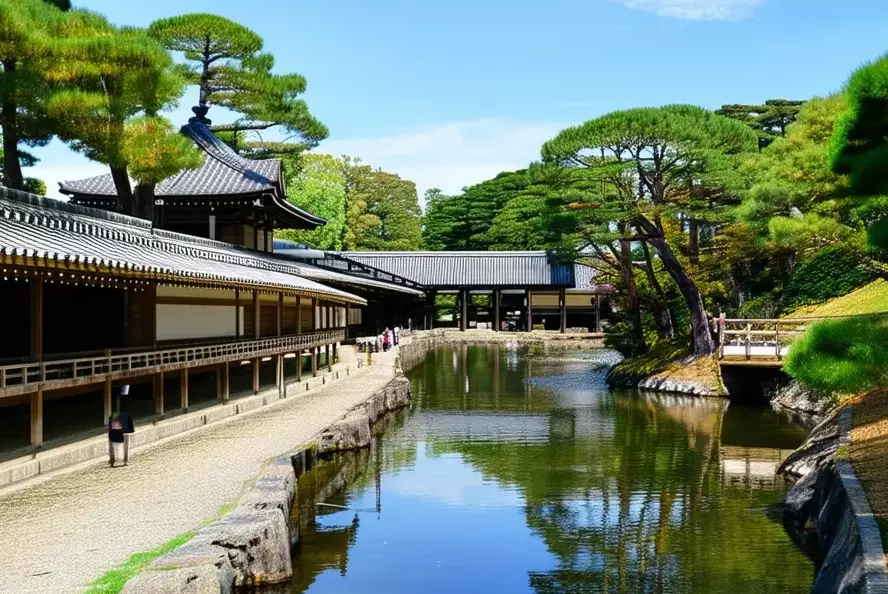
Kyoto: The cultural capital. Yes, it has crowds at major temples, but the magic is in the quieter moments. Rent kimono for the family in the Gion district (the kids looked adorable and loved it). Visit Fushimi Inari early in the morning to beat the crowds—even just hiking partway up the torii gate pathway is an adventure. Arashiyama offers the bamboo grove (go early!), the Iwatayama Monkey Park (a short hike to see monkeys), and scenic riverboat rides. The Kyoto Railway Museum is a world-class hit for any train-obsessed child (or adult).
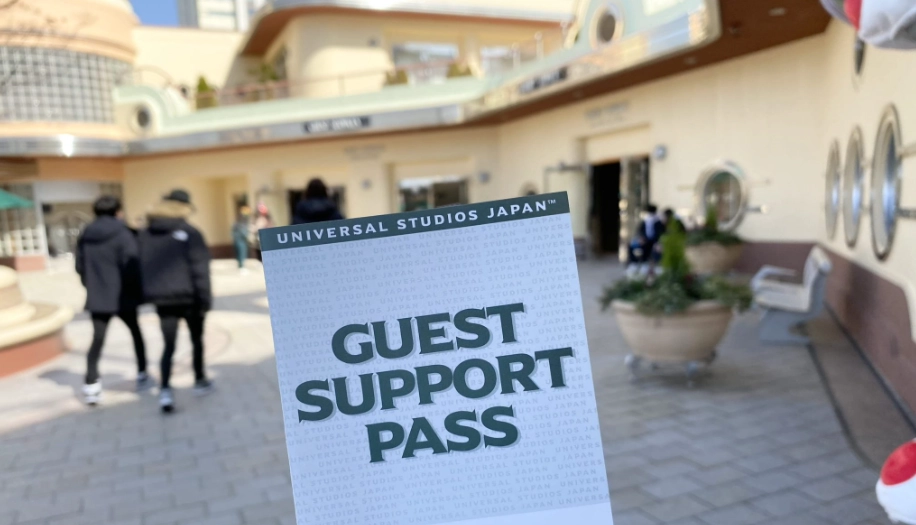
Osaka: Think of Osaka as Tokyo's more laid-back, food-obsessed cousin. Universal Studios Japan (with the incredible Super Nintendo World) is a major draw. Osaka Castle is impressive, and the museum inside is engaging. The real star is the food: Dotonbori at night is a spectacle of giant moving crab signs and takoyaki stalls. It's loud, bright, and kids eat it up (literally).
Hakone: The classic Tokyo escape. The Hakone Round Course is a fantastic day trip involving a pirate ship on Lake Ashi, a cable car over steaming volcanic valleys (Owakudani), and a chance to see Mt. Fuji on a clear day. It feels like a real adventure, changing transport all the time. Staying in a ryokan here with a private onsen (hot spring bath) is a memorable experience.
Nara: A easy day trip from Kyoto or Osaka. The deer in Nara Park are famously friendly (and will bow for crackers!). It's pure magic for kids to interact with them. The scale of Todai-ji Temple, housing a giant Buddha, is awe-inspiring even for little ones.
What About...?
Hokkaido: A summer paradise of flower fields and cool weather, or a winter wonderland for skiing and the Sapporo Snow Festival. It's more spacious and nature-focused.
Okinawa: For a totally different vibe—tropical beaches, unique culture, and fantastic aquariums like Churaumi. Perfect for mixing culture with beach time.
Hiroshima: A profound visit for older kids. The Peace Memorial Park and Museum are handled with great sensitivity. Combine it with the nearby island of Miyajima and its iconic floating torii gate.
Navigating Japan: Transport, Food & Daily Life with Kids
This is where the rubber meets the road. The logistics.
Getting Around: Trains, Subways & More
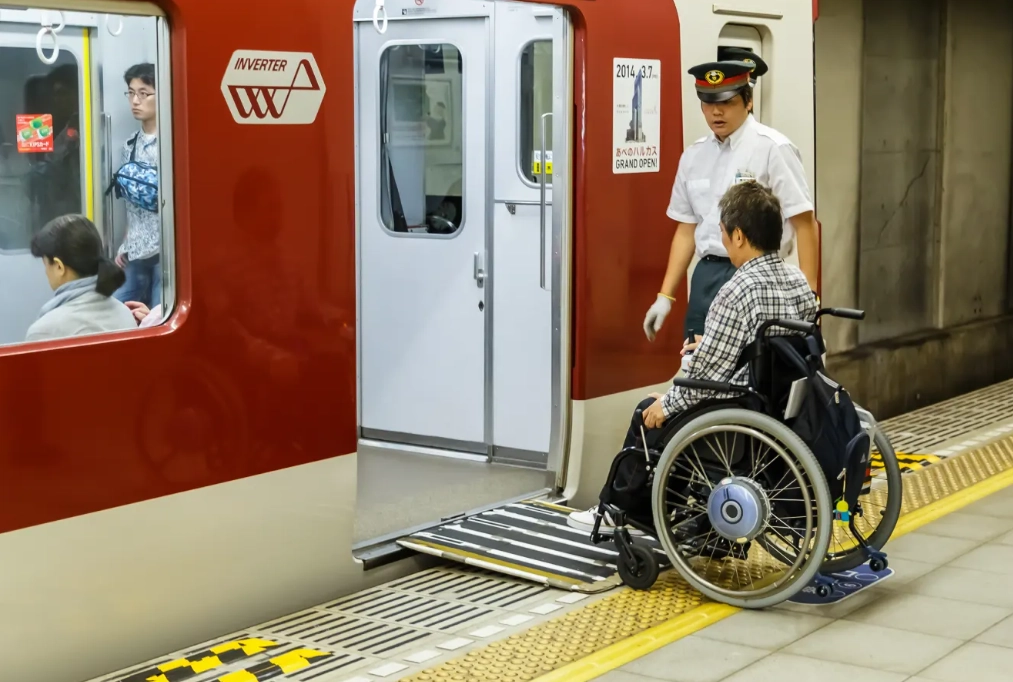
The train system is a marvel of efficiency but can be daunting. Get an IC card (Suica or Pasmo) for each person as soon as you land. You tap on and off buses, subways, and trains in most cities. No fumbling for tickets. For long-distance shinkansen travel, the Japan Rail Pass needs careful math. For a typical two-week Tokyo-Kyoto-Osaka trip, it often pays for itself. Buy the exchange order *before* you arrive in Japan. Check the official Japan Rail Pass website for the latest rules and prices.
Taxis are clean and safe, but expensive for long distances. A great option for short hops when little legs are tired, or you're lost.
Kid-Friendly Japanese Food (It's Not Just Sushi!)
This was my biggest worry. Would my kids starve? Not a chance.
- Izakayas (Japanese pubs): Don't be put off! Many are family-friendly, especially early in the evening. They offer small, shareable plates like yakitori (grilled chicken skewers), edamame, fried chicken (karaage), and french fries.
- Ramen Shops: A surefire hit. The rich broth and noodles are universally loved. Many have ordering machines with pictures outside—you buy a ticket and hand it to the staff.
- Curry Houses: Japanese curry is mild, sweet, and served with a breaded pork cutlet (katsu) or chicken. Kids devour it.
- Convenience Stores (Konbini): Your best friends. 7-Eleven, FamilyMart, Lawson. They sell healthy onigiri (rice balls), sandwiches, yogurt, fruit, steamed buns, and tasty fried chicken. Perfect for breakfast, snacks, or a simple meal.
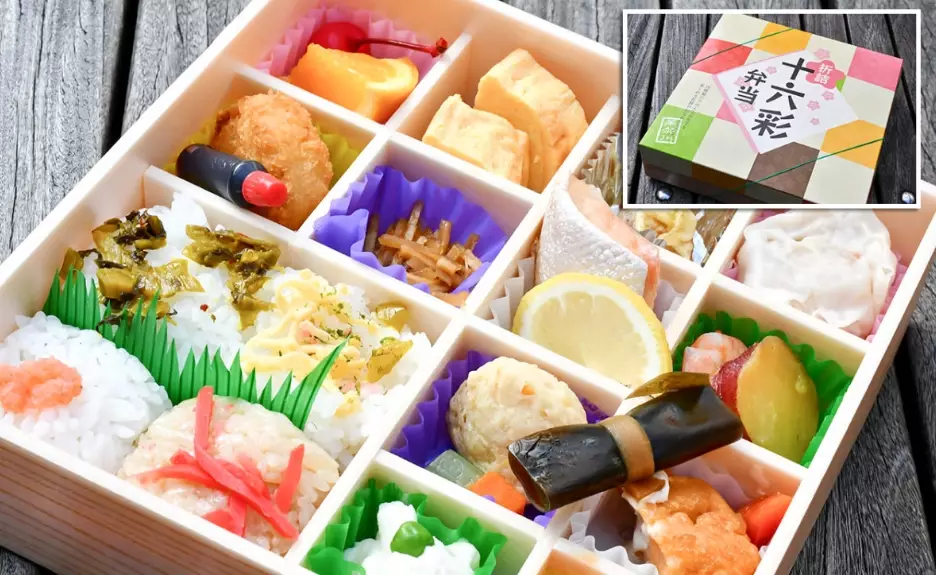
- Department Store Food Halls (Depachika): In the basements of stores like Isetan or Takashimaya. It's foodie heaven. You can get gorgeous bento boxes, sushi, pastries, and samples. Great for putting together a picnic.
- Okonomiyaki & Takoyaki: Savory pancakes where you often cook at your own table (okonomiyaki). It's fun and interactive. Takoyaki are doughy balls with a bit of octopus inside—try them from a street stall in Osaka.
If you have a picky eater, don't stress. You'll always find plain rice, noodles (udon/soba), or familiar options. We always carried a small stash of familiar snacks for emergency hunger meltdowns.
Bathrooms, Baby Care & Amenities
Japan is incredibly well-equipped for families, but in its own way.
Bathrooms: Public restrooms are plentiful and usually clean. Many have washlets (high-tech toilets with bidet functions). The control panels can be intimidating! Look for the simple flush button. Family restrooms are common in malls, train stations, and department stores.
Baby Care/Nursing Rooms: Excellent. Found in almost every mall, large station, and department store. They are quiet, private rooms with comfortable chairs, changing tables, hot water dispensers for formula, and sometimes even bottle warmers and small play areas for toddlers. A sanctuary.
Smoking: Be aware that smoking is often permitted in designated areas of restaurants (though this is changing). Look for "non-smoking" (禁煙) signs or sections when choosing where to eat.
Sample Itineraries for Japan with Kids
Here’s a framework to build on. Remember, less is more. One major activity per day, plus wandering and snacks, is a good rule.
| Ages & Focus | 7-Day Highlights (Tokyo-Centric) | 10-14 Day Classic (Tokyo-Kyoto-Osaka) |
|---|---|---|
| Young Kids (3-7) Focus: Play, Animals, Simple Fun |
Day 1: Ueno Park (Zoo, Museum) Day 2: Tokyo Disneyland Day 3: Odaiba (Miraikan, Gundam) Day 4: Shinjuku Gyoen & free observatory Day 5: teamLab Planets & Rainbow Bridge views Day 6: Hakone Day Trip (Pirate ship, Owakudani) Day 7: Souvenir shopping in Asakusa, river cruise |
Days 1-4: Tokyo (as above, maybe add Sanrio Puroland) Day 5: Shinkansen to Kyoto. Relax, explore Gion. Day 6: Kyoto Railway Museum, Kimono rental. Day 7: Fushimi Inari (early!), then Nara Day Trip to see deer. Day 8: Arashiyama (Bamboo Grove, Monkey Park). Day 9: Shinkansen to Osaka. Dotonbori at night. Day 10: Universal Studios Japan or Osaka Castle. (Add extra days for pace or a ryokan stay in Hakone/Kyoto) |
| Older Kids & Teens (8+) Focus: Adventure, Culture, Tech |
Day 1: Akihabara & anime shops Day 2: teamLab Planets, Odaiba Day 3: Tokyo DisneySea Day 4: Harajuku (Takeshita Street), Shibuya Crossing Day 5: Shinjuku exploration, Robot Restaurant (if open) Day 6: Day trip to Kamakura (giant Buddha, hiking) Day 7: Ghibli Museum (if tickets secured) or shopping in Ikebukuro |
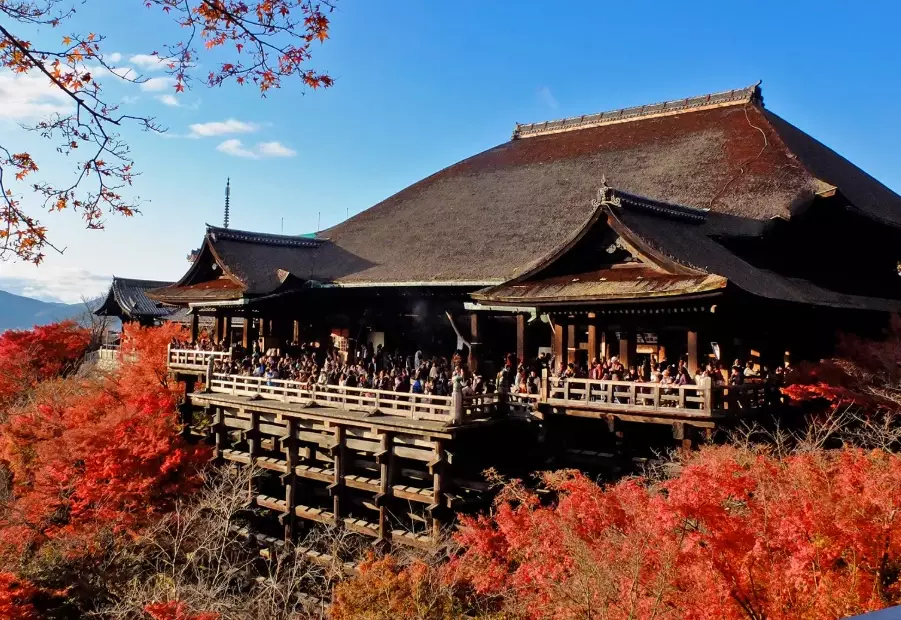
Days 1-4: Tokyo (mix of above) Day 5: Shinkansen to Kyoto. Kiyomizu-dera temple. Day 6: Fushimi Inari hike, Sake district (for parents!). Day 7: Samurai/Ninja museum, Gion at night. Day 8: Bike tour in Arashiyama. Day 9: Hiroshima/Miyajima Day Trip (long but doable with shinkansen). Day 10-11: Osaka (USJ's Super Nintendo World, food tour). Day 12: Himeji Castle (best preserved in Japan) on way back to Tokyo. |
Cultural Tips & Etiquette for Families
A little cultural know-how goes a long way in making you feel comfortable and showing respect.
- Quiet on Public Transport: Trains and buses are often silent. It's okay for kids to talk quietly, but avoid loud play. This is a big one. It's a great time for a snack, a book, or a quiet game.
- No Eating While Walking: It's considered messy and impolite. You'll see people eat at the konbini counter outside or find a bench. Ice cream is a common exception.
- Shoes On, Shoes Off: Be ready to take shoes off when entering homes, ryokans, temples, and even some restaurants (look for a step up or a row of shoes at the entrance). Have slip-on shoes for everyone.
- Pointing & Blowing Noses: Avoid pointing directly at people. It's more polite to gesture with an open hand. Blowing your nose loudly in public is frowned upon; it's better to excuse yourself to a bathroom.
- It's Okay to Be a Tourist: Japanese people are generally incredibly kind and patient with visitors, especially families. Don't be afraid to look confused or ask for help. A smile and "Sumimasen" (excuse me) works wonders.
Honestly, as long as you're trying to be considerate, any minor faux pas will be forgiven. People see you're navigating Japan with kids and often go out of their way to help.
Common Questions About Traveling Japan with Kids
Final Thoughts & Making It Your Own
Planning a trip to Japan with kids might seem like a huge undertaking, but the payoff is immeasurable. You're not just giving them a vacation; you're giving them a window into a culture that values order, beauty, and kindness in a way that's truly unique. They'll remember feeding the deer in Nara, seeing a real-life Gundam, and eating noodles from a vending machine restaurant.
My last piece of advice? Buy a small, blank notebook for each child before you go. Let them collect stamps. Japan has a wonderful culture of goshuin – beautiful, hand-calligraphed stamps from temples and shrines. Or just let them stick in ticket stubs, draw pictures, and write about their day. It becomes their own priceless souvenir of your family's adventure in Japan.
So take a deep breath, start bookmarking hotels, and get ready. Your family's Japanese adventure awaits. It's going to be amazing.

Share Your Thoughts