Quick Navigation
So you're planning a trip to Japan and want to catch some real culture, not just the tourist spots. You've probably asked yourself, what time of year are festivals in Japan anyway? Is it just summer? Do they have them in winter? Let me tell you, after more trips there than I can count (and one where I completely missed the festival season because I got the timing wrong), figuring this out is everything.
The short answer is: there's always something going on. But that's not very helpful, is it? The long answer, which is what you really need, is that Japan's festival calendar, or matsuri calendar, is deeply tied to the seasons, agriculture, history, and religion. It's not random. Spring thanks the gods for cherry blossoms, summer begs them to ward off plagues, autumn celebrates the harvest, and winter prays for a good year. If you understand the rhythm of the seasons, you understand the rhythm of the festivals.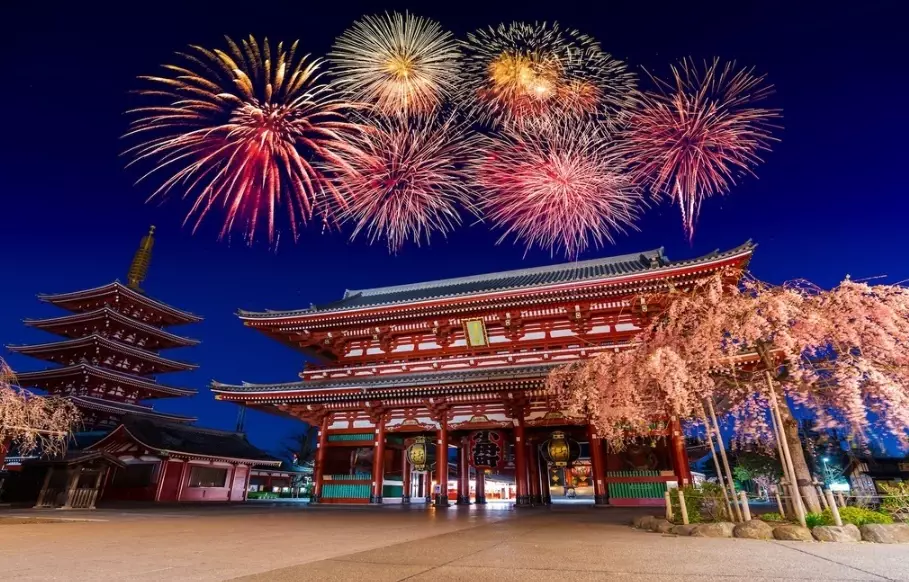
Breaking It Down: A Seasonal Map of Japanese Festivals
Let's get practical. The best way to wrap your head around what time of year are festivals in Japan is to look at it season by season. I've found this is the only way to make sense of the hundreds, maybe thousands, of local events.
Spring (March to May): Blossoms, Beginnings, and Prayers
Spring is Japan's grand opening act. After the quiet winter, everything bursts to life, and so do the festivals. This season is less about wild parties and more about beauty, viewing, and solemn prayers for a prosperous year. The star, of course, is the cherry blossom (sakura). But it's not just one festival—it's a nationwide mood.
I made the mistake once of going to Kyoto for "cherry blossom season" in early April, only to find the peak had passed a week earlier. The lesson? Check the annual blossom forecast (sakura zensen) religiously. The Japan Meteorological Corporation releases one every year, and it's your bible.
| Month | Key Festival(s) | What It's About / Vibe | Top Spot to See It |
|---|---|---|---|
| March | Omizutori (Water-Drawing), Nara | Ancient Buddhist rites marking the end of winter. Huge torches swung from a temple balcony—utterly dramatic and spiritual. | Todai-ji Temple, Nara |
| April | Hana Matsuri (Flower Festival, Buddha's Birthday) Takayama Spring Festival |
Celebrating Buddha's birth with flower-decorated shrines. Takayama features stunning daytime floats (yatai). | Nationwide temples; Takayama, Gifu |
| May | Kanda Matsuri, Tokyo (every odd year) Aoi Matsuri, Kyoto |
Big, loud Shinto parades in Tokyo. In Kyoto, a supremely elegant, aristocratic procession in Heian-period costumes. | Tokyo & Kyoto |
Spring also answers part of the question what time of year are festivals in Japan for history buffs. The Aoi Matsuri in Kyoto on May 15th feels like stepping into a scroll painting. It's quiet, refined, and a world away from the drum-beating summer energy. It's a different side of Japanese culture.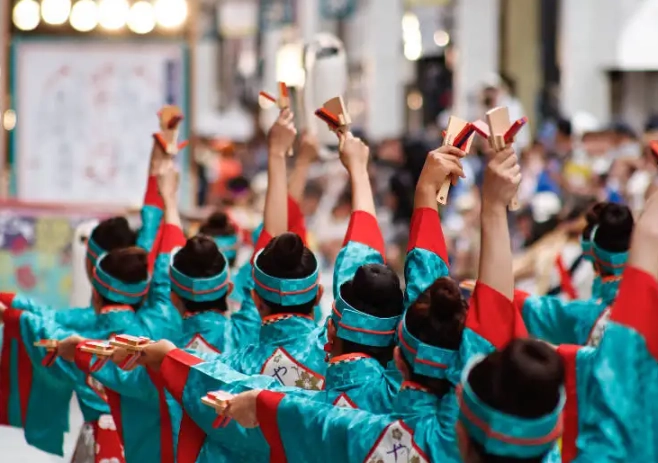
Summer (June to August): Fire, Drums, and Pure Energy
If you've seen a picture of men carrying a massive portable shrine (mikoshi) through streets, drenched in sweat, or dancers in yukata moving in unison—that's summer. This is the peak season for many of Japan's most famous and raucous festivals. Historically, they were to appease gods and ward off the epidemics that plagued the hot, humid months.
Let's be honest, it's hot. Really hot and sticky. I remember standing in a crowd at the Gion Matsuri in July, the air thick and warm. But when the giant float (yamaboko) rolled by, lit up against the night sky, the discomfort vanished. That's the summer trade-off.
| Month | Key Festival(s) | What It's About / Vibe | Top Spot to See It |
|---|---|---|---|
| June | Sanno Matsuri, Tokyo (even years) | A prestigious festival allowing the portable shrine to enter the grounds of the Imperial Palace. | Hie Shrine, Tokyo |
| July | Gion Matsuri, Kyoto Tenjin Matsuri, Osaka |
Kyoto's most famous month-long festival with grand floats. Osaka's features a vibrant river procession with boats. | Kyoto & Osaka |
| August | Awa Odori, Tokushima Nebuta Matsuri, Aomori |
Japan's biggest dance festival. Spectacular illuminated warrior-shaped floats paraded at night. | Tokushima (Shikoku) & Aomori (Tohoku) |
And we can't talk about summer without fireworks (hanabi). Major shows like the Sumida River Fireworks in Tokyo or the Nagaoka Festival in Niigata draw hundreds of thousands. They're not technically "festivals" in the Shinto sense, but they are massive cultural events. You'll need to stake out a spot hours in advance.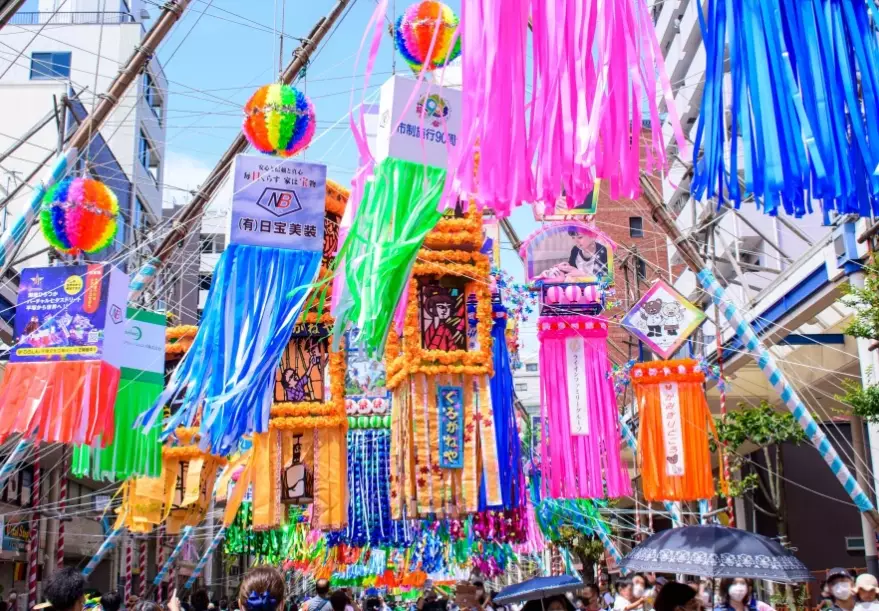
Autumn (September to November): Harvest, Moon Viewing, and Fiery Leaves
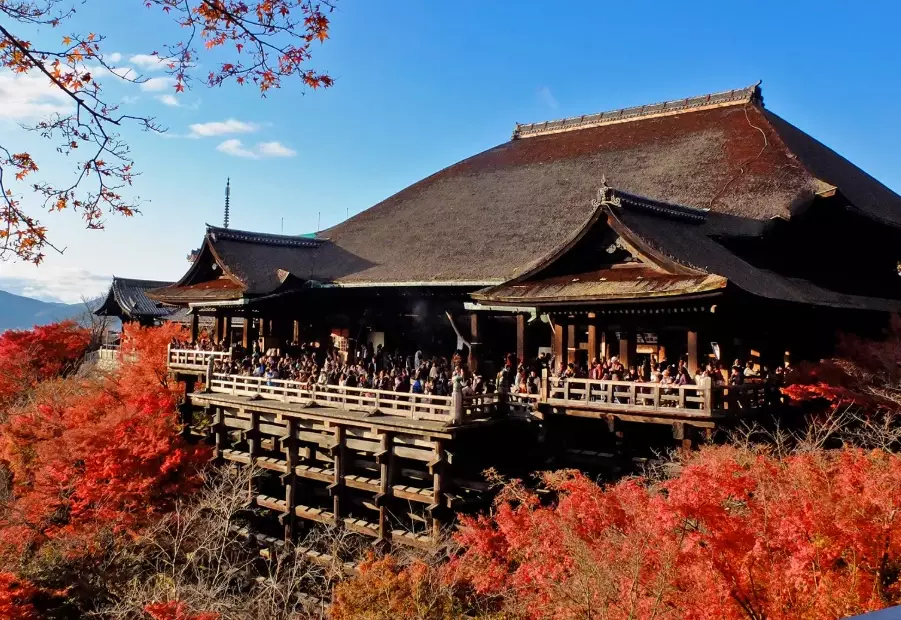
As the heat breaks, the mood shifts again. Autumn festivals are grateful, bountiful, and stunningly beautiful, often set against the backdrop of brilliant red and yellow koyo (autumn leaves). The food at stalls gets heartier—think grilled mushrooms, sweet potatoes, and chestnuts.
This is my personal favorite season to explore what time of year are festivals in Japan. The crowds are thinner than summer, the weather is perfect for walking, and the cultural themes are rich.
Top Autumn Festival Picks:
- Kishiwada Danjiri Matsuri (September, Osaka): Famous for its recklessly fast, pulled wooden floats. It's thrilling and slightly dangerous—teams sometimes crash. Raw, local, and intense.
- Takayama Autumn Festival (October, Gifu): Considered one of Japan's three most beautiful festivals. The intricate, mechanical marionettes (karakuri) on the nighttime floats are mesmerizing.
- Kurama no Hi-Matsuri (October, Kyoto): The "Fire Festival" of Kurama. Men carry giant torches through the tiny mountain village, lighting up the night in an almost primal scene. It gets packed, so go early.
- Shuki Taisai (Grand Autumn Festival) at Meiji Shrine (November, Tokyo): A more formal, stately affair with bugaku court dance and yabusame (horseback archery). A great taste of traditional ceremony without the huge travel.
Autumn also has tsukimi, moon-viewing festivals. These are quieter, often private or temple-garden events where people display pampas grass and eat rice dumplings (tsukimi dango). It's a subtle, poetic side of Japanese festival culture you might miss if you're only looking for the big parades.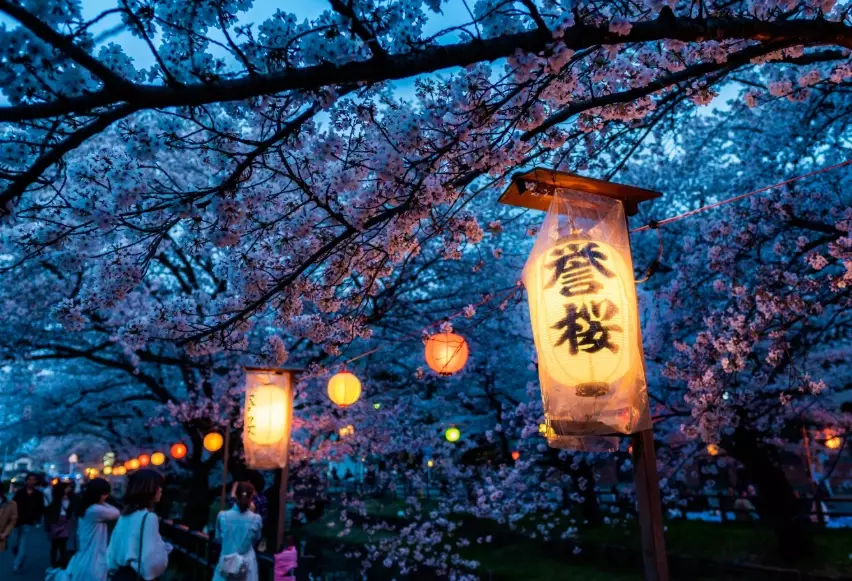
Winter (December to February): Lights, Snow, and New Year's Rites
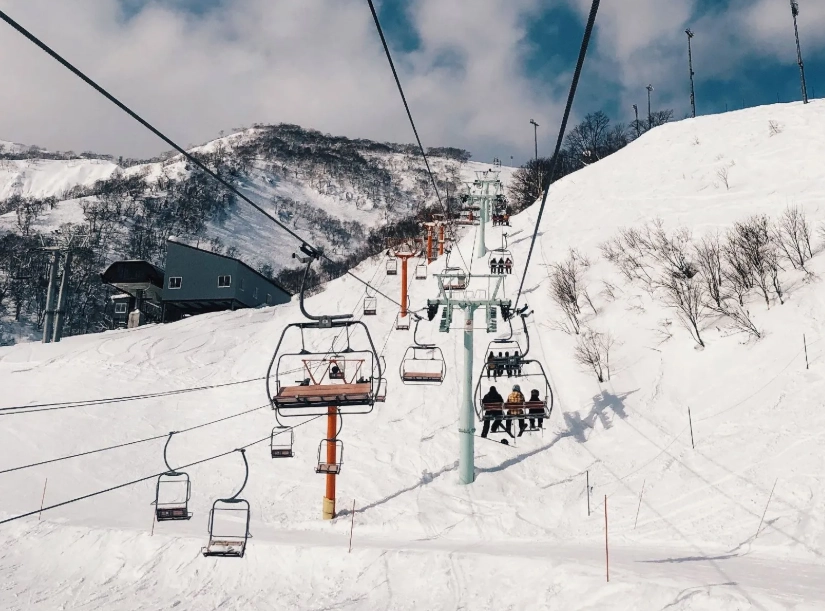
Winter might seem quiet, but it's packed with profound and visually stunning events. The focus is on purification, driving away evil spirits, and welcoming the new year. And in snowy regions, they turn the cold into a canvas.
New Year (Shogatsu) is the biggest holiday of all. From December 31st to January 3rd, it's a nationwide festival. People visit shrines for hatsumode (first visit), eat special food (osechi), and exchange gifts. The atmosphere at major shrines like Meiji Jingu in Tokyo on New Year's Eve is electric, with millions visiting.
Beyond New Year, winter specialties include:
Snow Festivals: Sapporo's Yuki Matsuri in February is the king. Massive, intricate snow and ice sculptures transform the city. It's freezing, but utterly unique. Smaller ones happen all over Tohoku and Hokkaido.
Fire & Purification Festivals: Like the Dosojin Fire Festival in Nozawa Onsen (January), where men battle with fire on a scaffolding. Or Hadaka Matsuri ("Naked Festivals") at various temples, where near-naked men jostle for a lucky charm. They're about bravery, purification, and praying for a healthy year.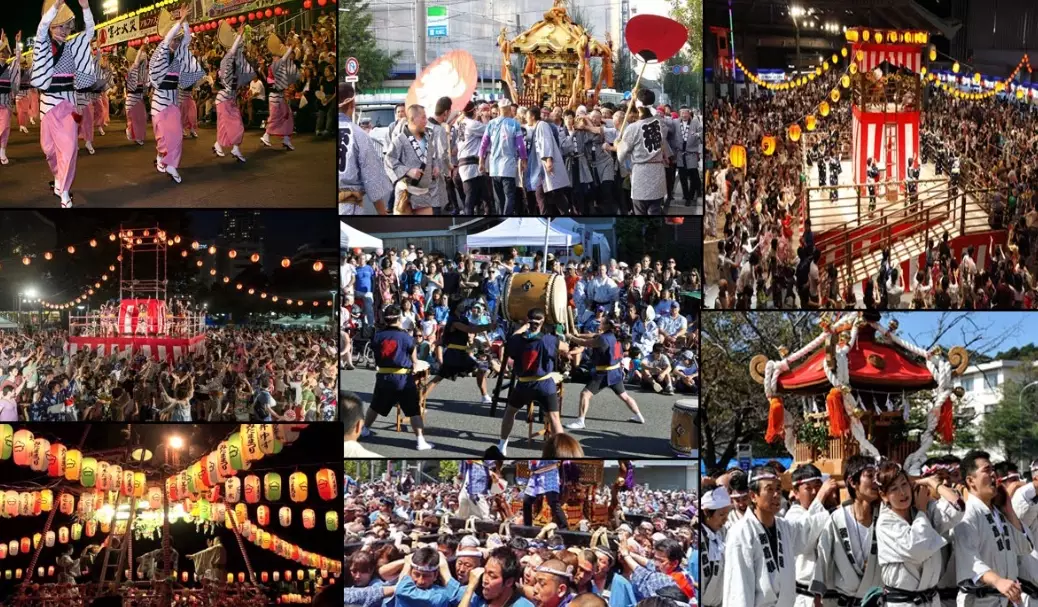
So, What's the *Best* Time for Japanese Festivals? It Depends.
You see, asking what time of year are festivals in Japan is like asking what's the best food. It depends on your taste.
Want postcard-perfect photos with cherry blossoms or autumn leaves? Spring or Autumn. Crave raw, energetic, communal excitement and don't mind the heat? Summer. Prefer fewer crowds, unique snowy landscapes, and profound traditional rituals? Winter.
For a first-timer who wants the classic "festival" experience, late July to August is a sure bet. But you'll compete with crowds and heat. For a more relaxed, visually stunning, and culturally deep dive, October to November is hard to beat.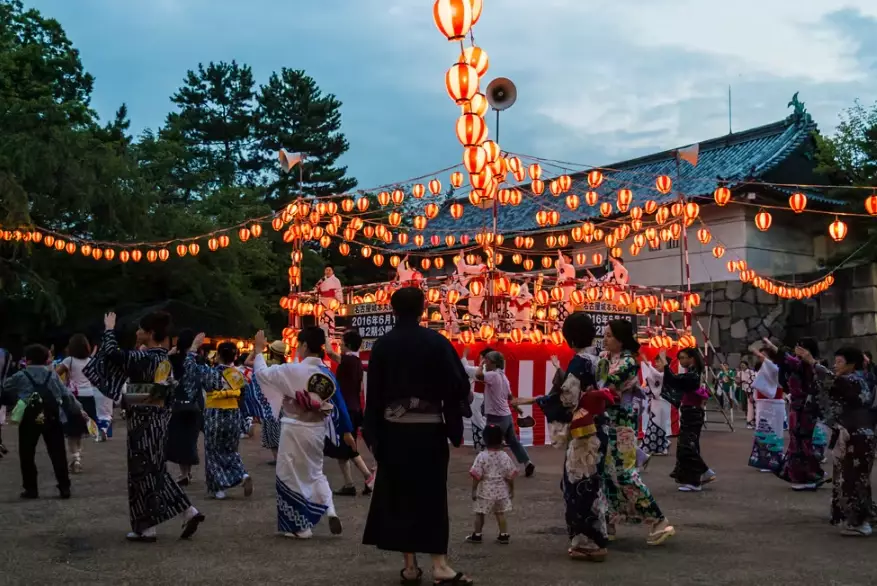
Your Festival Planning Questions, Answered
Look, here's my final thought. Getting the timing right for what time of year are festivals in Japan is crucial, but don't get so obsessed with the schedule that you forget to experience it. I spent my first festival glued to a timetable, rushing from one event to the next. I got the photos but missed the feeling.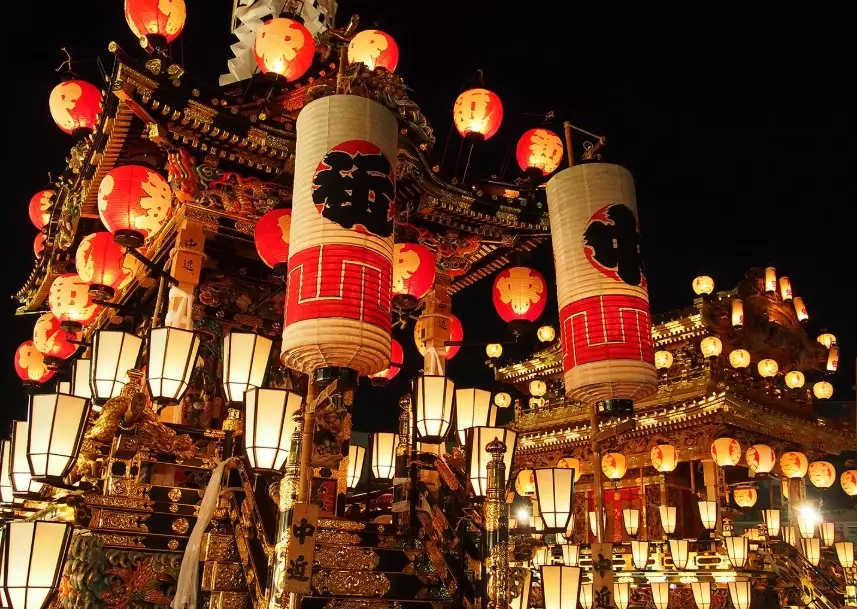
The next time, I picked one float at the Gion Matsuri, found a spot, and just stayed there. I watched the team prepare for hours—polishing, laughing, adjusting ropes. I talked to the locals next to me. When they finally pulled the float down the street, the roar of the crowd wasn't just noise; I felt part of it. That's the real festival magic, and it happens in every season.
So check the calendars, book your hotels early, but once you're there, put the map away. Follow the sound of the drums, the smell of the food stalls, and the flow of the crowd. That's where you'll find your answer.
Share Your Thoughts