Picture this: you're on the Shinkansen, watching Mount Fuji glide by. Your stomach rumbles. You reach for your ekiben (station lunchbox), but it's room temperature, maybe even a bit cold. That's the classic train food dilemma. But what if you could have a piping hot meal, fresh from a steamy kitchen, right at your seat? That's the magic of the self-heating bento box Shinkansen experience. It's not just food; it's a piece of culinary engineering that turns your journey into a moving feast.
What's Inside This Guide?
What Exactly Is a Self-Heating Bento Box?
Forget microwaves. A self-heating bento, often called a "jidō kannetsu bentō" in Japanese, is a complete meal package with a built-in heating element. It's a staple of the Shinkansen bento scene. The principle is simple chemistry. Inside the base of the box, there's a sealed pouch containing quicklime (calcium oxide) and a separate water pouch. When you pull a tab, the water mixes with the quicklime, triggering an exothermic reaction that generates heat, steaming the food compartment above it. In about 5 to 8 minutes, your rice is fluffy and warm, and your grilled fish or meat is hot.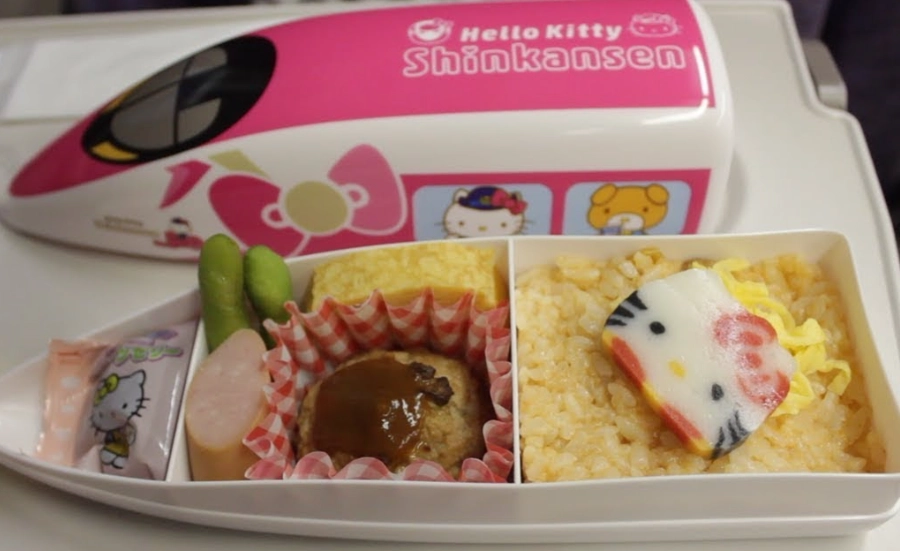
The concept isn't brand new—it has roots in military field rations. But Japanese companies perfected it for civilian travel. The real innovation is in the food design. Chefs create dishes that steam well without becoming soggy. It's a delicate balance. The result? You get a meal that tastes remarkably close to something served in a restaurant, not pre-packed and chilled.
A Quick Reality Check: The "self-heating" primarily targets the rice and main protein. Don't expect the side dishes like pickles or some salads to be warm—they're meant to stay cool for contrast. The goal is to heat the core components perfectly, which it does impressively well.
Where to Find & Buy Self-Heating Ekiben
You won't find these on the trolley service rolling down the aisle. The primary source is the dedicated ekiben-ya shops inside major Shinkansen station gates. This is crucial. You must buy it before you board.
Here’s the strategy: Arrive at your departure station (like Tokyo, Shin-Osaka, or Hiroshima) at least 30-45 minutes early. Head past the ticket gates into the paid "platform side" area. Look for shops with massive displays of ornate lunchboxes. Popular chains include "Ekibenya Matsuri" and "祭" which are in many major stations.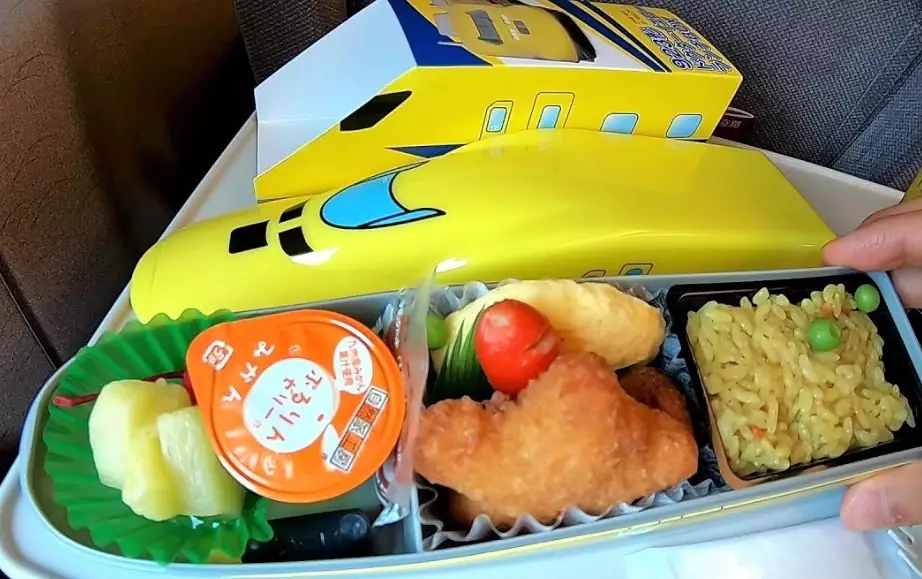
Not all ekiben are self-heating. Look for keywords on the packaging: (jidō kannetsu), (atatamemasu, "it heats"), or an English label like "Self-Heating." Often, there's a diagram showing you to pull a tab. The staff usually knows which ones are which if you ask.
Price? They're premium. Expect to pay between 1,200 to 2,500 yen, compared to 800-1,500 yen for a standard cold ekiben. You're paying for the technology and the gourmet ingredients.
Top Self-Heating Bento Box Picks You Must Try
With dozens of options, choosing can be overwhelming. Based on my own trips and local recommendations, here are three standout self-heating bentos that define the experience.
| Bento Name (Station) | What's Inside | Heating Time / Price | Why It's Special |
|---|---|---|---|
| "Tore Tore Bento" (Often found at Tokyo Station) |
Grilled salmon, savory egg roll, simmered vegetables, pickles, and perfectly steamed white rice. | ~7 mins / ~1,400 yen | The classic. The salmon steams beautifully, staying moist. It's the benchmark for a reason—reliable, delicious, and embodies the traditional taste. |
| "Matsusaka-gyu Shogayaki" (Popular at Shin-Osaka) |
Thinly sliced, premium Matsusaka beef cooked in a ginger-soy sauce, with onions, rice, and sides. | ~6 mins / ~2,300 yen | A luxury option. The heating process re-melts the fat in the beef, making it tender and incredibly flavorful. It feels like a splurge worth every yen. |
| "Kaiseki-style Bento" (Kyoto Station specialties) |
A seasonal assortment: small portions of grilled fish, tofu, tempura, seasonal vegetables, and rice. | ~8 mins / ~2,000 yen | For the experience. It's like a miniature, heated kaiseki course. The variety is fantastic, though some delicate items are better cold. Shows the height of ekiben artistry. |
My personal go-to is the Tore Tore Bento when I want comfort, and the Matsusaka beef when I'm celebrating. The kaiseki one is perfect for a leisurely ride where you want to savor each little component.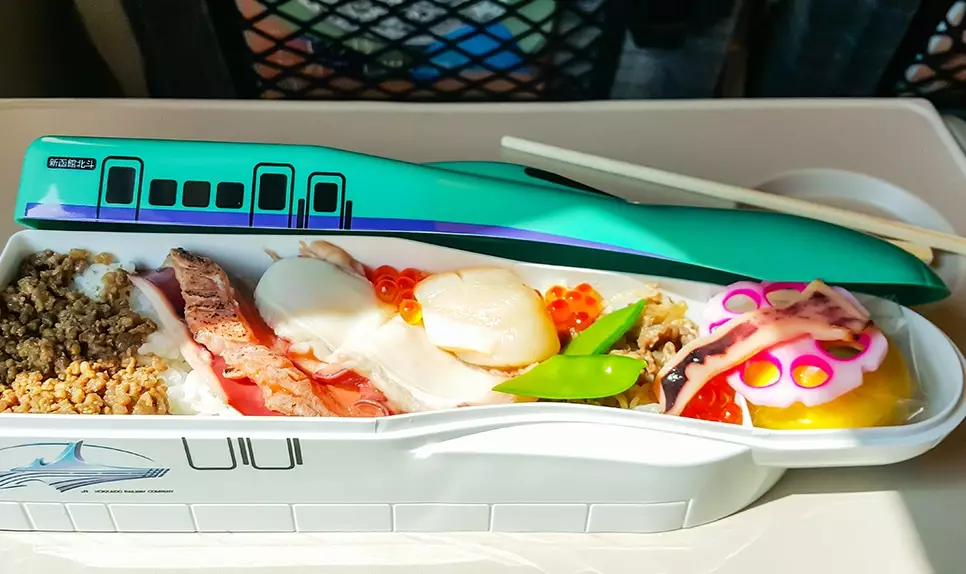
Pro Tips for the Perfect Hot Meal Experience
Buying it is only half the battle. Here’s how to master the ritual, learned from a few messy mistakes over the years.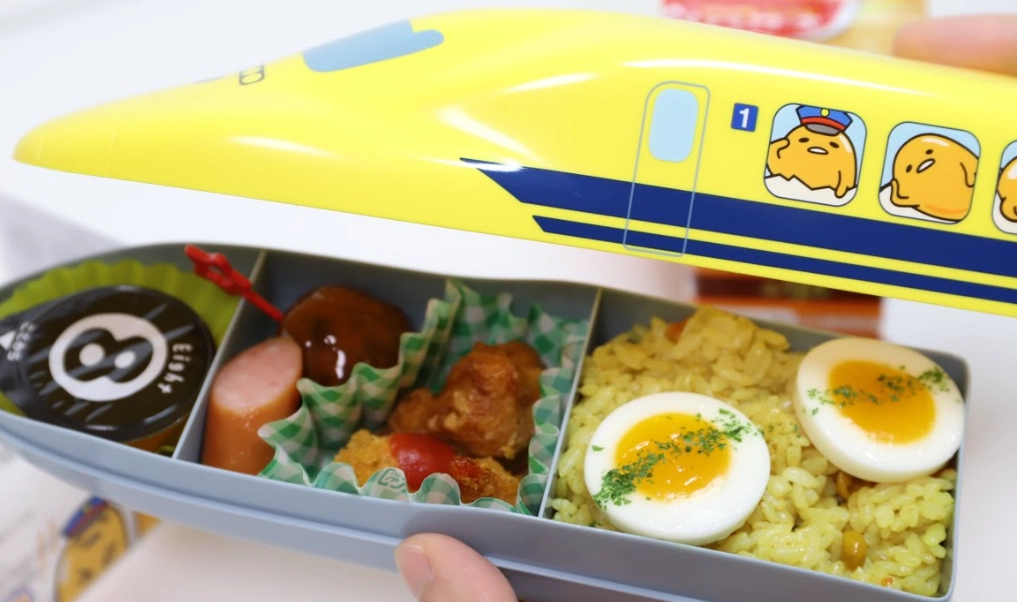
Timing Is Everything
Don't activate it the moment you sit down. Wait until you're settled and the train is moving smoothly. The heating process works best when the box is on a stable, flat surface (your pull-down tray). If you do it during the jostle of departure, you risk uneven heating or, worse, a leak. I usually wait 10-15 minutes into the journey.
The Activation Sequence
1. Clear the tray. Seriously, move your phone, book, everything.
2. Place the box. Set it squarely on the tray. The bottom will get quite hot.
3. Pull the tab(s). Some have one, some have two you pull simultaneously. You'll hear a hiss or fizz. That's the reaction starting.
4. Wait patiently. Don't poke it. Don't open it to "check." Set a timer for the time on the box (usually 5-8 min). The steam needs to circulate.
5. Open carefully. Peel back the lid away from you to avoid a steam jet. The rice will be hot and perfect.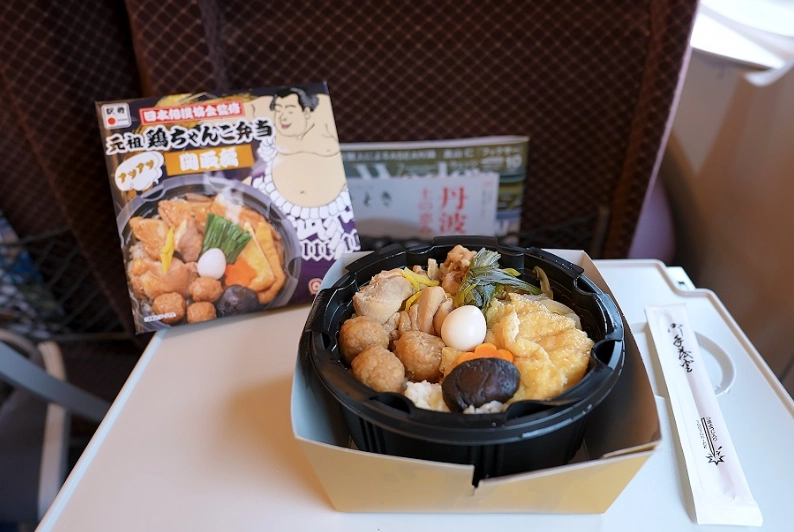
The Unspoken Etiquette
The smell of hot, delicious food spreads in a train car. It's generally accepted and part of the Shinkansen culture, but be mindful. Avoid extremely pungent options if you're sensitive to others. Also, have a plastic bag handy for the disposal. The used heating unit and box can be bulky. Most Shinkansen have trash collection points at the ends of cars.
The Eco-Elephant in the Room: Yes, these boxes generate non-recyclable waste from the heating element. It's the trade-off for convenience and a hot meal. If you're environmentally conscious, enjoying one as a special treat rather than a daily habit is a reasonable approach. Some manufacturers are researching more sustainable heating methods, but for now, it's a single-use system.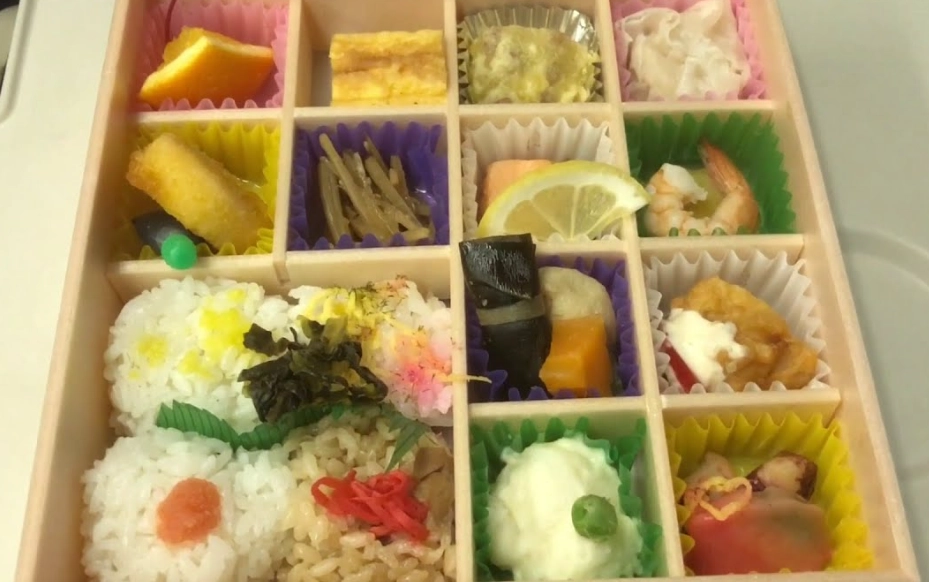
Your Self-Heating Bento Questions Answered
Riding the Shinkansen is an event. The self-heating bento box turns the meal part of that event from an afterthought into a highlight. It solves the cold train food problem with clever, simple technology. It's a taste of local craftsmanship at high speed. Is it necessary for every journey? No. But for a long ride from Tokyo to Kyoto or Hiroshima, it transforms the trip. You're not just traveling from point A to B; you're having a memorable, warm, and genuinely delicious meal along the way. That's something no airline meal can ever match.
For more on the history and variety of ekiben, the JR East website has excellent resources, and the Wikipedia entry for "Ekiben" provides a solid overview.


Share Your Thoughts