快速导览
So you're dreaming of those turquoise waters and white sand, right? Pictures of Okinawa are everywhere, and they look unbelievably inviting. But then a little voice in your head asks the practical question: is it safe to swim in Okinawa beaches? It's a smart thing to wonder. Having spent a good amount of time there, both as a dazzled tourist and later as a more cautious resident, I can tell you the answer isn't a simple yes or no. It's a "yes, but..."
The truth is, Okinawa's beaches are mostly incredibly safe and well-managed, especially the popular ones. The water is clean, the scenery is breathtaking, and millions of people enjoy it without a hitch every year. But it's not a swimming pool. The ocean has its own rules, and ignoring them is where trouble starts. I've seen too many visitors, lulled by the postcard-perfect views, forget basic ocean sense.
Let's break down what "safe" really means here.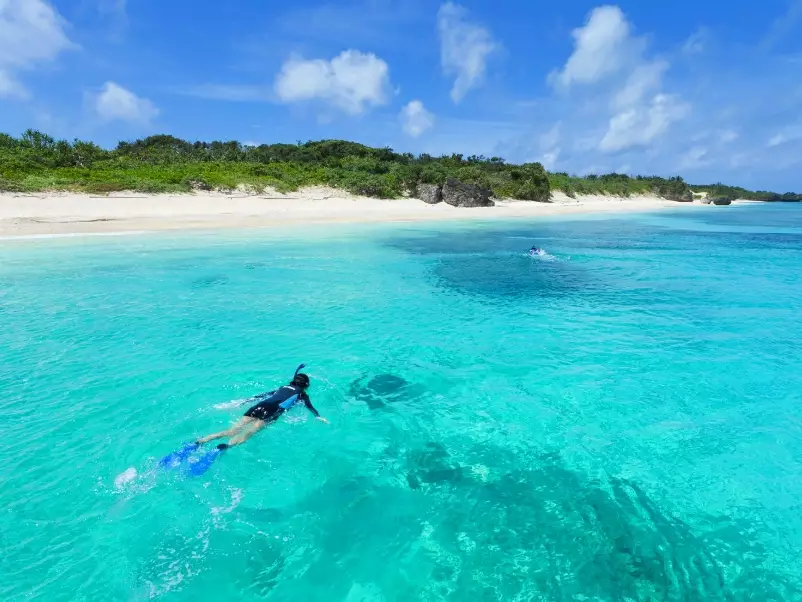
What Makes a Beach Safe or Risky in Okinawa?
When you're trying to figure out if it's safe to swim in Okinawa beaches, you're really asking about a few specific things. The main concerns aren't usually sharks or monsters from the deep—it's the everyday ocean conditions that catch people off guard.
The Big One: Currents and Rip Tides
This is, hands down, the number one hazard. Okinawa is surrounded by the open Pacific Ocean and the East China Sea. The currents can be strong, unpredictable, and much more powerful than even a strong swimmer can handle. Rip currents are narrow channels of fast-moving water flowing away from the shore. They don't pull you under, but they can swiftly carry you out to sea.
My experience: I remember at Moon Beach, the water looked calm. I waded in and within seconds felt a strong, insistent pull sideways. It wasn't dramatic, just a firm, undeniable force. I walked back out and saw the warning flag was yellow. Lesson learned—always check the flags first.
How do you spot a rip current? Look for a channel of churning, choppy water, a line of foam or debris moving steadily seaward, or a break in the incoming wave pattern. If you're caught in one, don't panic and don't try to swim directly back to shore against it. Swim parallel to the shoreline until you're out of the current, then angle your way back.
Marine Life: What's in the Water With You?
Okinawa's rich coral reefs are home to amazing creatures, most of which want nothing to do with you. But a few require caution.
- Jellyfish: Certain seasons, particularly from May to October, see an increase in jellyfish. The most common stinger is the habu-kurage (box jellyfish species), whose sting is painful and can be serious. Beaches sometimes post warnings or even close swimming areas during blooms.
- Sea Urchins: They love rocky areas and coral. Step on one, and those brittle spines will break off in your foot. It's a painful, annoying souvenir. Water shoes are your best friend.
- Stonefish & Lionfish: Masters of camouflage, stonefish hide on the seabed. Their dorsal spines deliver a venomous, excruciating sting. Lionfish, often seen by divers, have venomous fins. The rule is simple: look, don't touch. Never put your hands where you can't see.
Shark attacks? Extremely rare. You're far more likely to have an issue on the drive to the beach than from a shark. They're around, but they're not interested.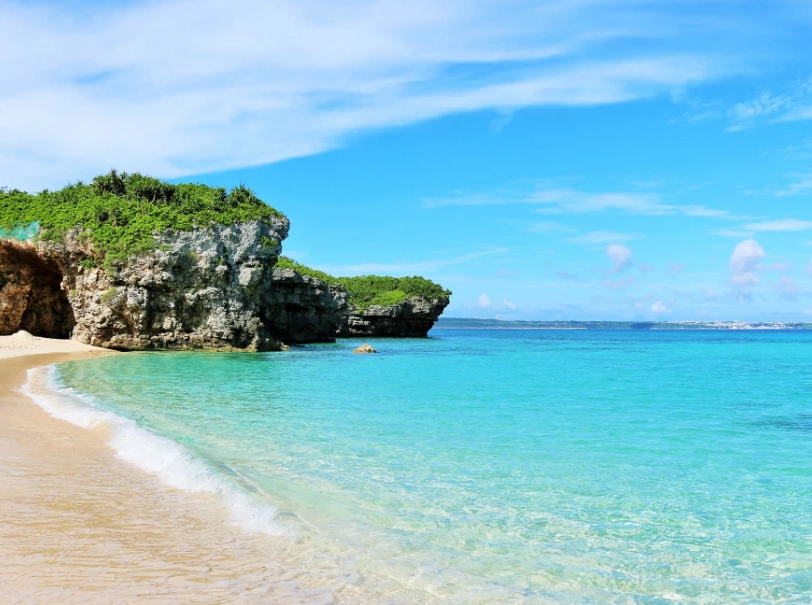
Weather and Seasonal Changes
Okinawa's weather can change quickly. A sunny morning can turn into a stormy afternoon, especially during the rainy season (May-June) and typhoon season (July-October). Sudden squalls bring strong winds, rough seas, and dangerous lightning.
Always check the forecast before you go. The Japan Meteorological Agency website is the most reliable source. If the sky looks threatening or you hear thunder, get out of the water immediately. No swim is worth the risk.
Man-Made Factors and Beach Facilities
Not all beaches are created equal. A resort beach like Manza Beach or the beaches near the American Village are typically well-staffed, have lifeguards during peak season, clear flag systems, showers, and rental shops. They're the most beginner-friendly.
Then you have the stunning, more remote beaches on the northern part of the main island or the outer islands (Ishigaki, Miyakojima). These can be absolutely pristine but may have no facilities, no lifeguards, and limited cell service. Their beauty is their allure, but your safety is entirely your own responsibility. Is it safe to swim in Okinawa beaches like these? It can be, but you need to be self-sufficient and extra vigilant.
The Okinawa Beach Safety Checklist: Before You Get Wet
Okay, so we've talked about the risks. Now, how do you manage them? This isn't about being scared; it's about being prepared so you can relax and have fun.
Top 5 Pre-Swim Checks:
- Read the Flags: This is non-negotiable. The beach flag system is your primary guide.
- Red: Swimming prohibited. High hazard.
- Yellow: Caution advised. Swim only if you're confident, and stay near shore.
- White/Green: Safe for swimming. Conditions are good.
- Blue: Jellyfish warning. You might need protective wear.
- Scan the Water: Spend 5-10 minutes watching the waves and currents before entering. Can you see a consistent pattern? Any unusual choppy areas?
- Ask a Local: If there's a lifeguard or a shop attendant, ask about current conditions. A simple "Kyo no arashi wa daijobu desu ka?" (Are the currents okay today?) goes a long way.
- Gear Up: Water shoes for rocky entries. A rash guard for sun and minor jellyfish protection. Snorkel gear from a reputable shop (a leaky mask ruins the fun).
- Buddy System: Never swim alone, especially at remote beaches. Just don't.
You might think this is overkill. I did too, the first time. But after seeing a few close calls—usually involving people who ignored the red flags because "the water looked fine"—I became a convert to the checklist.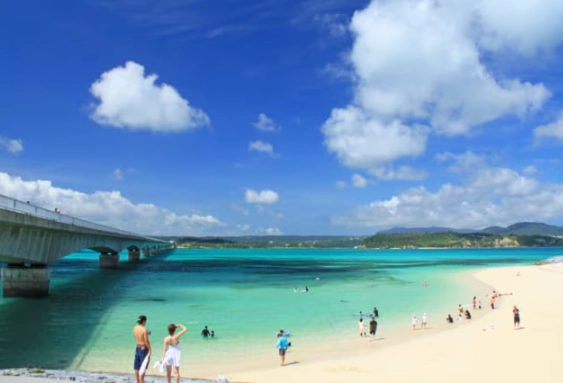
Comparing Popular Beaches: Which One is Right For You?
Your experience of safety can depend heavily on which beach you choose. Here's a quick, honest look at a few popular spots.
| Beach Name | Best For | Safety & Facilities | My Personal Take |
|---|---|---|---|
| Manza Beach (Onna Village) | Families, first-timers, resort comfort. | Excellent. Lifeguards in season, clear flags, showers, rentals, gentle slope. Part of a resort area. | Probably the safest bet for nervous swimmers or families with kids. It can get crowded, but that's the trade-off for peace of mind. |
| Emerald Beach (Ocean Expo Park) | Families, calm swimming, park visitors. | Very good. Man-made cove with breakwaters, so waves are minimal. Lifeguards, facilities, clear shallow areas. | Like a giant, beautiful saltwater pool. Super safe for kids. Feels a bit "controlled," but sometimes that's exactly what you want. |
| Sunset Beach (Chatan) | Sunset views, easy access, social vibe. | Good. Often has lifeguards, good facilities nearby. Can have stronger currents on windy days. Check flags. | Great for a casual dip before dinner. The bottom can be a bit rocky in places—water shoes recommended. |
| Mibaru Beach (Nanjo City) | Snorkeling, natural beauty, tidal pools. | Moderate. May not always have a lifeguard. Famous for its "Coral Beach" tidal pool area, which is very safe at low tide. Open ocean side requires more caution. | A two-in-one beach. The tidal pool is a magical, safe spot for everyone. The open beach is beautiful but respect the ocean conditions. |
| Remote North/East Coast Beaches (e.g., Hedo Point area) | Adventure, solitude, dramatic scenery. | Basic to None. Often no facilities or lifeguards. Strong currents and waves are common. For experienced ocean swimmers only. | Breathtakingly beautiful, but this is the ocean on its own terms. Not a place to learn how to swim. I love visiting, but I'm very selective about when I get in the water. |
See what I mean? Asking is it safe to swim in Okinawa beaches depends so much on which beach. Picking the right one for your skill level is 80% of the safety equation.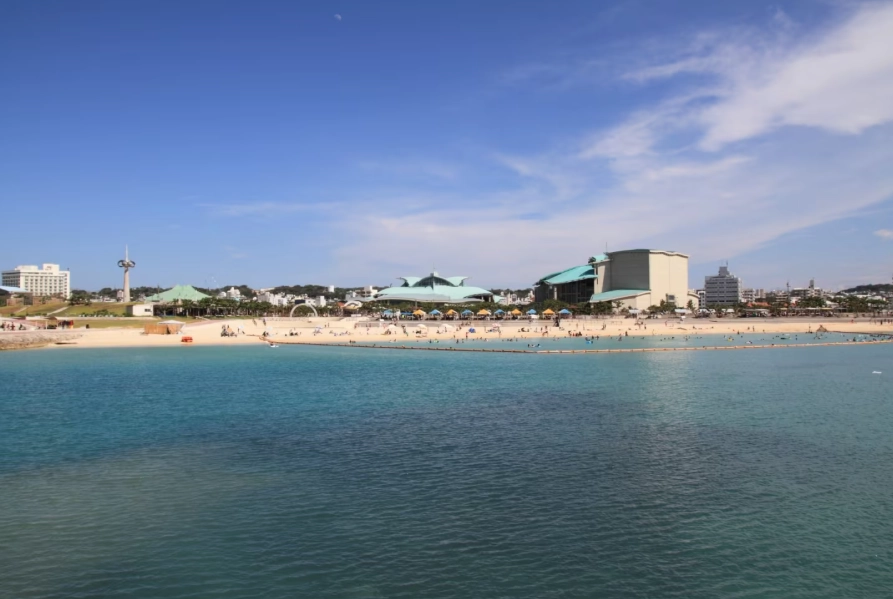
Beyond the Swim: Sun, Dehydration, and Other Overlooked Dangers
We focus so much on the water that we forget about the other stuff. The Okinawan sun is no joke. The UV index is often "extreme." A bad sunburn on your first day can ruin your whole trip. And it happens all the time.
Reef-safe sunscreen is becoming more of a standard request to protect the coral. You can find it in many shops. Apply it thickly and often, especially after swimming. A rash guard is honestly the best sun protection you can buy.
Dehydration is another silent culprit. Swimming, snorkeling, and just being in the salt water is dehydrating. You might not feel thirsty. Drink more water than you think you need. I always carry a big bottle in my beach bag.
A headache in the afternoon is often just dehydration, not the start of something worse.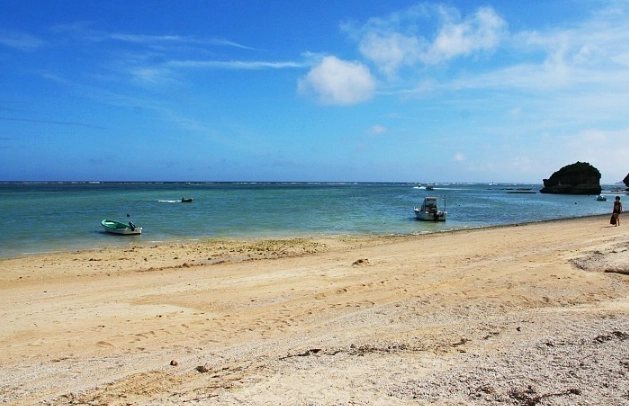
Your Questions Answered: Okinawa Swimming FAQ
Is the water clean and pollution-free?
Generally, yes, the water quality around Okinawa is very high. The open ocean and strong currents help with that. You'll see clearer water than at many mainland beaches. However, after heavy rains, runoff from land can temporarily affect water quality near river mouths or in more enclosed bays. It's usually short-lived.
What's the best time of year for safe swimming?
The official swimming season at most managed beaches is from around late March/April to October. July and August are peak—hot, sunny, but also crowded and in the heart of typhoon season. Personally, I think the sweet spots are May-June (after the rainy season clears) and September-October. The water is still warm, the crowds are thinner, and the typhoon risk starts to drop. Winter swimming is for the very hardy (or in wetsuits) and is not recommended for casual visitors due to cooler water and stronger winds.
Are there safe beaches for young children?
Absolutely. Emerald Beach is the top choice because of its protected cove. The tidal pool at Mibaru Beach (at low tide) is also perfect for little ones to splash safely. Many resort hotel beaches also have very gentle, shallow entries. Always, always supervise children closely, even in shallow water.
What if I'm not a strong swimmer?
Stick to the beaches with lifeguards and calm conditions: Emerald Beach, Manza Beach, and the like. Use a life vest or flotation aid—there's no shame in it, and rental shops often have them. Stay where you can comfortably touch the bottom. Enjoy floating and looking at the fish near the shore instead of venturing out deep. The goal is to have fun, not to prove anything.
Where can I get official safety information?
For the most accurate and current info, these are your go-to sources:
- Local Beach Signs & Flags: Always your first point of reference on the day.
- Okinawa Tourist Information Website (Okinawa Story): Provides general travel and beach info.
- Japan Meteorological Agency (JMA): For weather warnings, typhoon tracks, and marine forecasts.
- Your Accommodation: Hotel or guesthouse staff are usually tuned into local conditions and closures.
Remember, a big part of assessing if it's safe to swim in Okinawa beaches is using the resources available to you. A quick check takes two minutes and can make all the difference.
Wrapping It Up: A Realistic Perspective
Look, Okinawa's beaches are one of the main reasons people visit, and for good reason. They are spectacular. The vast majority of visitors swim, snorkel, and dive without any problems whatsoever. The infrastructure at major beaches is good, and the awareness of ocean safety is generally high.
The ocean, however, is never 100% safe. That's its nature. The question is it safe to swim in Okinawa beaches is best answered with: it is as safe as you make it.
Respect the flags. Understand your own limits. Choose your beach wisely. Gear up properly. Keep an eye on the weather. Do those things, and you're stacking the odds overwhelmingly in your favor for an incredible, memorable experience in some of the most beautiful water on the planet.
I still get that thrill every time I walk onto the sand here. But now it's a thrill mixed with a calm understanding of what to watch for. That's the best way to enjoy it—with open eyes and a healthy respect for the power and beauty of the sea.
Go have fun. Just be smart about it.


Share Your Thoughts