Explore the Flavors
- Hakata Tonkotsu Ramen: The Heart of the Matter
- The Yatai (Street Food Stalls) Experience: More Than Just Dinner
- Motsunabe: The Ultimate Social Meal
- Seafood & Local Specialties: Fukuoka's Coastal Bounty
- Practicalities: How to Use This Fukuoka Food Guide
- Frequently Asked Questions (The Stuff You Actually Search)
- Final Bites: Making Your Own Food Trail
Let's get this out of the way first. You're coming to Fukuoka for the food. Maybe it's the siren call of that rich, creamy tonkotsu ramen you've seen on every travel show. Maybe it's the romantic idea of squeezing into a tiny, lantern-lit street stall on a cold night. Whatever it is, you've made a fantastic choice. Fukuoka isn't just another Japanese city with good food—it's a culinary capital in its own right, with a personality that's completely distinct from Tokyo or Osaka.
I've spent more time than I'd like to admit wandering these streets, bowl in hand, trying to find the real deal beyond the Instagram hotspots. What you'll find here isn't a list copied from a brochure. It's a Fukuoka food guide built on missed trains (because the ramen line was too good to leave), happy accidents down back alleys, and conversations with chefs who have been perfecting one dish for thirty years.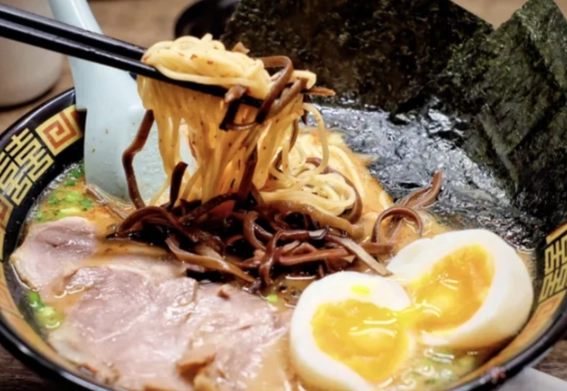
The Core Philosophy: Fukuoka's food scene is deceptively simple. It's not about intricate, twenty-course kaiseki (though you can find that too). It's about depth over breadth. Mastering a few things perfectly. A broth simmered for days. A piece of fish grilled just so over binchotan charcoal. That's what makes this Fukuoka food guide different—it focuses on the essentials done exceptionally well.
Hakata Tonkotsu Ramen: The Heart of the Matter
You can't talk about a Fukuoka food guide without starting here. Hakata-style ramen is the city's flagship. We're talking thin, straight noodles swimming in a milky, pork bone broth that's been boiling for hours, sometimes days. The aroma alone is a landmark.
But here's where most guides just list the famous shops and call it a day. Let's go deeper.
Beyond the Famous Names: Finding Your Ramen
Yes, Ichiran and Ippudo are institutions. They're consistent, they're everywhere, and they're a perfectly good introduction. But the soul of Hakata ramen lives in the smaller, often family-run shops. The real trick is knowing what variable you want to play with.
Are you a broth fanatic? Look for places that boast about their "kotteri" (rich, thick) soup, which is almost like a pork porridge. Prefer a cleaner, sharper taste? Ask for "assari" (light). The noodles themselves are usually firm, but you can specify hardness—from "barikata" (very hard) to "yawamen" (soft). Most locals go for hard; it gives the noodle more texture against the rich soup.
My personal benchmark is the back-alley shop where the broth has stained the walls. There's a tiny place near Nakasu I stumbled into once. No English menu, just six counter seats. The broth was so dense it coated the spoon. It wasn't the "best" by a critic's standard—maybe too heavy for some—but it was pure, unapologetic Fukuoka. That's the experience you're hunting for.
How do you find these places? Ditch the main drag. The backstreets of Tenjin and the lanes around Hakata Station are goldmines. Look for a red lantern and a line that contains more salarymen than tourists.
A line of locals isn't just a sign of quality; it's a sign of a kitchen that cooks in batches. The broth is fresh, the noodles are cooked to order. You're not getting a vat that's been sitting all afternoon.
A Quick Ramen Shop Comparison
To save you some legwork, here's a breakdown of different ramen experiences. This isn't a definitive ranking—taste is subjective—but a guide to the vibe and specialty.
| Shop Name / Area | Broth Style & Vibe | Best For... | Insider Note |
|---|---|---|---|
| Ramen Stadium (Canal City) | Tourist-friendly, multiple famous shops in one place. Broths range from classic to innovative. | First-timers who want to sample different styles without running around the city. It's efficient. | It's a fun experience, but it can feel a bit like a food court. The lines move fast, but the atmosphere isn't the same as a standalone shop. |
| Local Alley Shop (e.g., around Tenjin) | The real deal. Often just one type of ramen. Deep, concentrated, sometimes funky broth. Zero frills. | The purist who wants an authentic, no-distractions bowl. This is where you feel the city's pulse. | Cash only, almost always. Don't be afraid to point at what the person next to you is having if there's no menu. |
| Modern / Fusion Shop | Cleaner, sometimes lighter broths. Might use chicken or seafood base too. Focus on premium ingredients. | Those who find traditional tonkotsu too heavy. Often has better seating and English menus. | You're paying a bit for ambiance and innovation. The ramen is excellent, but it's a different chapter of the Fukuoka food story. |
Insider Tip: Most ramen shops use a ticket-vending machine at the entrance. It has pictures! Look for the buttons with the kanji "豚骨" (tonkotsu). Put in your cash, press the button for your desired bowl, grab the ticket, and hand it to the staff. Add-ons like extra noodles ("kaedama") or a flavored egg ("ajitsuke tamago") are usually on the machine too. It's less intimidating than it looks.
The Yatai (Street Food Stalls) Experience: More Than Just Dinner
This is the iconic Fukuoka experience. As dusk falls, clusters of these mobile stalls pop up along riversides and certain streets in Tenjin and Nagahama. They're compact, cozy, and incredibly social. Think of them as the city's living room.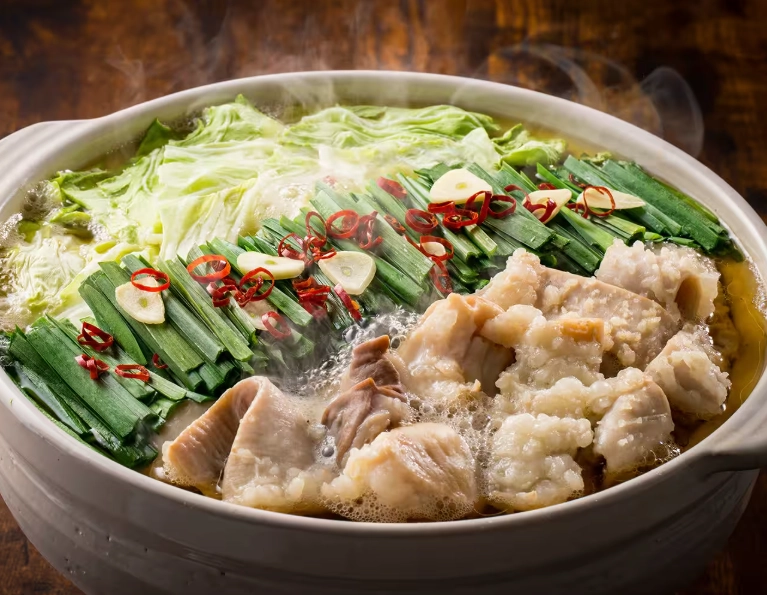
A common question in any Fukuoka food guide is: are they tourist traps? Some, especially the most famous clusters, can be. But many are filled with locals blowing off steam after work. The key is to manage expectations.
Reality Check: The food at a yatai is good, often very good, but it's not necessarily the "best" meal you'll have in Fukuoka. You're paying a small premium for the atmosphere, the intimacy, and the experience of chatting with strangers over a beer. The menu is standard: ramen, oden (a simmered dish), yakitori (grilled skewers), and drinks. Don't go expecting a gourmet revelation. Go for the vibe.
My advice? Skip the huge line at the most photogenic stall. Walk a block or two. Find one that's about half full—it means the turnover is good (fresh food) and the master isn't too overwhelmed to chat. Point to what looks good. A simple "oishii" (delicious) goes a long way.
What should you order? Start with a beer and some yakitori. The chicken meatballs (tsukune) are usually a safe and delicious bet. If you're still peckish, a small bowl of ramen here, under the stars and the plastic sheeting, hits different than in a shop. It's magical.
Motsunabe: The Ultimate Social Meal
If ramen is the soul and yatai is the heart, motsunabe is the hearty, warming embrace of Fukuoka cuisine. This is a must-eat that often gets overshadowed. It's a hotpot dish centered on beef or pork offal (intestines, stomach—sounds adventurous, tastes incredible). The offal is stewed in a savory, slightly sweet soy-based or miso-based broth with cabbage and garlic chives until it's melt-in-your-mouth tender.
The genius of motsunabe is in its evolution. You start by eating the rich offal and vegetables. Then, once the broth has absorbed all that deep, meaty flavor, the staff (or you) will add cooked rice and beaten egg to make a glorious, porridge-like "zosui" that soaks up every last drop. It's a two-act meal that's pure comfort.
This isn't a solo dish. Motsunabe is for sharing. Go with a group, order a big pot, and let the conversation flow. It's the kind of meal that defines a trip. For an authoritative look at the dish's history and significance, the Japan National Tourism Organization's guide offers excellent context, noting its origins as a nourishing meal for the working class that has become a beloved local specialty.
Seafood & Local Specialties: Fukuoka's Coastal Bounty
Fukuoka faces the Genkai Sea, which means the fish is absurdly fresh. While the city is famous for its heavy-hitters (ramen, hotpot), the seafood scene is where subtlety shines.
- Fugu (Pufferfish): Yes, the famous (and famously poisonous) fish. Fukuoka's nearby Shimonoseki is one of Japan's main fugu hubs. If you're going to try it, this is a good place. In winter, a paper-thin sashimi arrangement (fugu-sashi) or a hotpot (fugu-chiri) is a unique, clean-tasting experience. It's expensive and requires a licensed chef—so do your research on reputable restaurants.
- Goma Saba: A simple but mind-blowing dish of mackerel sashimi marinated in a sweet sesame sauce. The nuttiness cuts through the oiliness of the fish perfectly. You'll find it at many izakayas (Japanese pubs).
- Mentaiko: This is Fukuoka's other iconic export. It's spicy cod or pollock roe, marinated in chili pepper. You can buy it everywhere as a souvenir, but try it fresh. It's often served as a small dish to accompany rice or stuffed into onigiri (rice balls). The spicy, briny pop is addictive.
For the freshest catch, head to the Yanagibashi Rengo Market (often called Fukuoka's "Kitchen"). It's less touristy than Tokyo's Tsukiji. You can wander, see the day's haul, and eat at the small restaurants inside. The Fukuoka City official website has practical information on market locations and hours, which is crucial for planning your visit.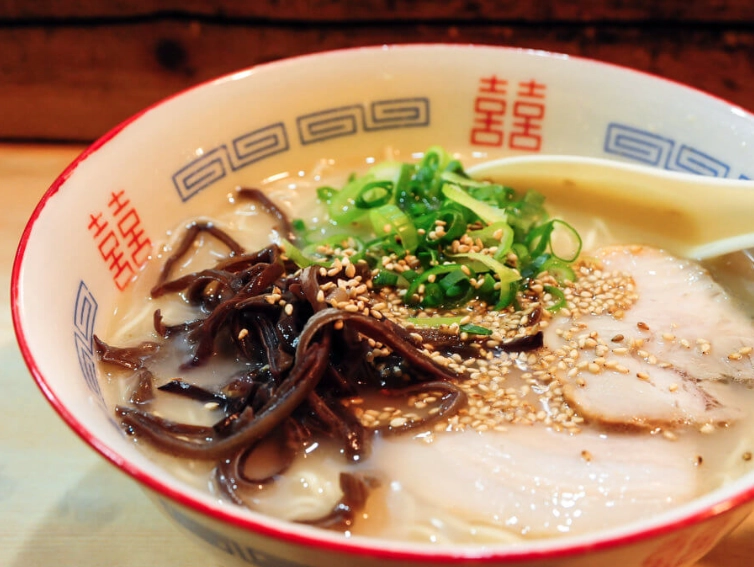
Practicalities: How to Use This Fukuoka Food Guide
All this information is useless if you don't know how to apply it. Let's talk logistics.
Neighborhood Breakdown: Where to Eat What
Tenjin: The bustling business and shopping district. This is where you'll find everything: high-end sushi, countless ramen shops in its maze-like backstreets, yatai clusters along the river, and great izakayas. It's the most versatile area for eating.
Hakata Station Area: The transportation hub. Ramen shops galore (perfect for a bowl before a shinkansen), and the underground malls are packed with decent, quick lunch options. It's more functional than romantic.
Nagahama/Daimyo: A younger, trendier area with cool cafes, boutique shops, and innovative restaurants mixed with old-school staples. Great for exploring without a firm plan.
Nakasu: The entertainment district between two rivers. Famous for its dense yatai concentration at night. Can be lively and a bit chaotic—great for people-watching.
Budgeting & Etiquette
You can eat magnificently in Fukuoka on almost any budget. A bowl of ramen from a local shop might run you 700-1000 yen. A yatai meal with a couple of beers could be 2000-3000 yen. A proper motsunabe or seafood dinner at a nice restaurant will start around 4000-5000 yen per person.
Etiquette is simple: be respectful. Say "itadakimasu" before you eat and "gochisosama deshita" after. Don't linger too long at tiny ramen shops during peak hours—they're built for turnover. At yatai, it's okay to try out your basic Japanese or even just smile and nod. The effort is appreciated.
Frequently Asked Questions (The Stuff You Actually Search)
Final Bites: Making Your Own Food Trail
The biggest mistake you can make with this Fukuoka food guide is trying to follow it like a checklist. That's a surefire way to stress yourself out and miss the point.
Use this guide as a compass, not a map. Pick one or two things that really excite you each day. Maybe it's hunting down a specific ramen shop for lunch and then wandering Nakasu for a yatai at night. Leave room for the smell of grilling fish to pull you into an unmarked izakaya. Let the line of office workers guide you to a noodle spot you've never heard of.
Fukuoka's food culture is generous and welcoming. It's built on sharing pots of motsunabe, squeezing together at tiny counters, and the humble pursuit of perfecting a single bowl of soup. Your goal shouldn't be to "complete" the food scene. It should be to have one meal that you'll still be thinking about years later.
For me, it's that ramen in the stained-wall shop. For you, it might be the first bite of goma saba, or the laughter shared with strangers under a yatai lantern. Go find it.
And when you do, you won't need a Fukuoka food guide anymore. You'll have your own.

Share Your Thoughts