Quick Bites: Your Guide to Osaka's Culinary Highlights
So you're planning a trip to Japan, and everyone keeps telling you that Osaka is where you go to eat. They're not wrong. But when you ask, "What food is Osaka famous for?" you usually get the same two or three answers. Takoyaki. Okonomiyaki. Maybe kushikatsu if the person is feeling fancy.
There's so much more to it than that. Having spent more time than I care to admit wandering the backstreets of Dotonbori and Shinsekai, bowl and skewer in hand, I've come to see Osaka's food scene as a living, breathing entity. It's not just about the dishes themselves, but the attitude around them. It's generous, unpretentious, and fiercely proud.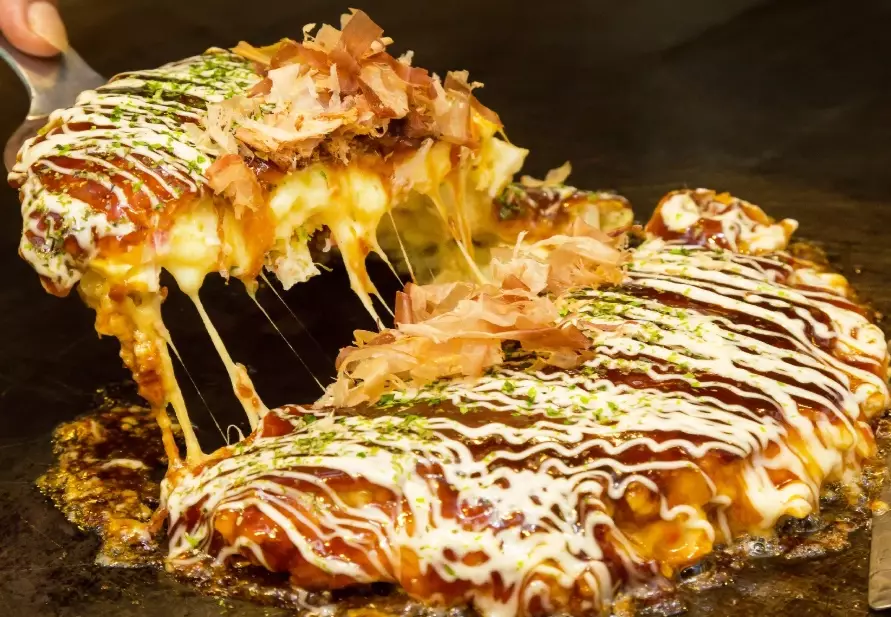
Let's cut to the chase. If you're searching for "what food is Osaka famous for," you're likely looking for a practical guide. You want to know what to eat, where to find it, how to order it, and maybe how not to look like a total tourist while doing it. This guide aims to be that. No fluff, just the good stuff, with a few personal opinions thrown in (some of which might be controversial to locals).
The Heart of the Matter: Why Osaka is Called "Japan's Kitchen"
It's not just a cute nickname. Historically, Osaka was the country's merchant capital, a hub where goods from all over Japan and Asia flowed through its port. This created a culture centered on commerce and, more importantly, on feeding the merchants and laborers who kept the economy moving. The food had to be good, fast, filling, and affordable. That DNA is still there today. You'll find less of the austere, ritualistic dining of Kyoto and more of a "dig in and enjoy" vibe here.
The city's geography helped too. Sitting on a plain with river access, it had access to great produce from the surrounding countryside and fresh seafood from the Seto Inland Sea. This abundance directly shaped the cuisine.
Okay, history lesson over. Let's talk about the real reason you're here: the food.
The Undisputed Champions: Osaka's Most Famous Foods
When people ask what food Osaka is famous for, these are the heavy hitters. The ones you see on every postcard and travel show. But there's a right way and a wrong way to experience them.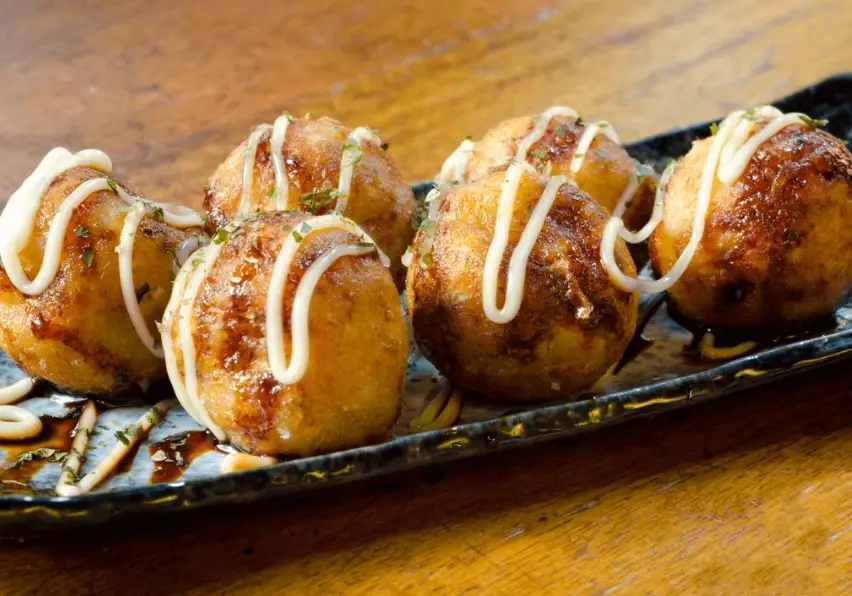
Takoyaki: The Iconic Ball of Joy
Let's start with the poster child. Takoyaki are those irresistible, piping-hot balls of batter with a piece of tender octopus (tako) nestled inside, cooked in special hemispherical pans. They're topped with takoyaki sauce (like a thicker Worcestershire), Japanese mayo, bonito flakes that dance in the heat, and aonori (seaweed powder).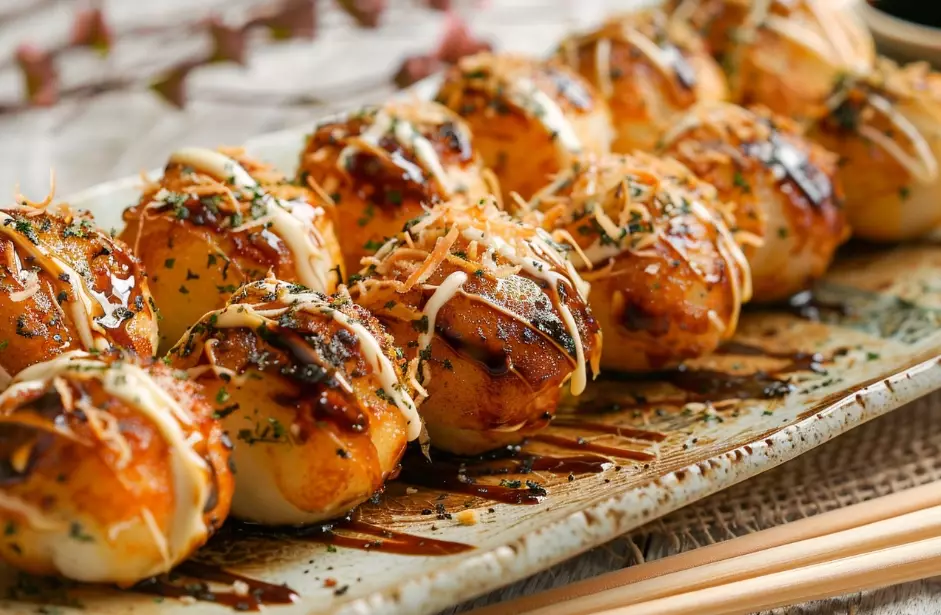
The texture is everything. A perfect takoyaki has a crispy, almost lace-like exterior that gives way to a creamy, almost liquid center. Many tourist spots serve them undercooked and doughy in the middle—a real disappointment. You want a place where they're patient enough to turn them constantly until golden brown.
My Take: The best takoyaki I've ever had wasn't in Dotonbori. It was from a tiny stall near a local train station, run by an obaa-san (grandma) who had been making them for 30 years. She didn't speak a word of English, but her takoyaki spoke volumes. They were slightly crispier than the standard, with a bigger piece of octopus. The lesson? Venture away from the main drags.
Where to find great takoyaki? Sure, Aizuya claims to be the originator, and it's good. But for a more local experience, head to the Shinsekai area. The competition is fierce there, and quality is high. Look for a queue of locals, not tourists.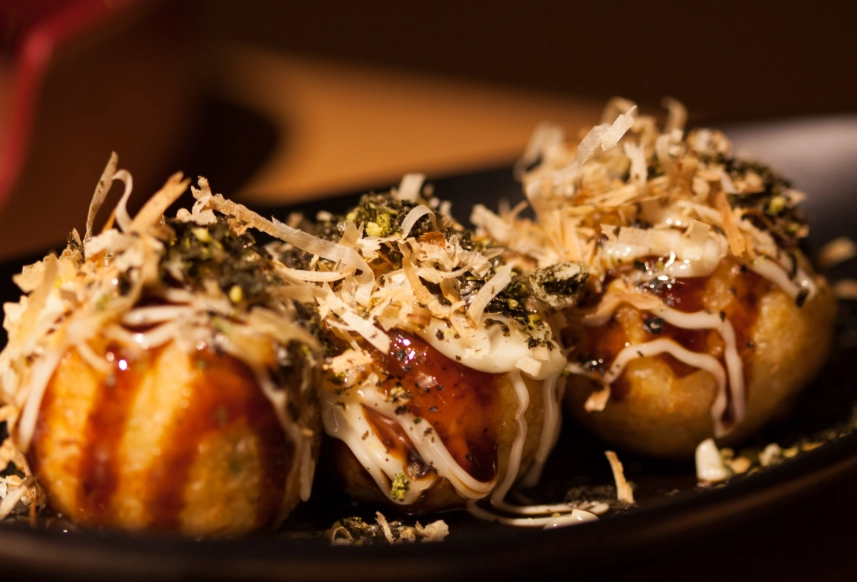
Okonomiyaki: Osaka's Savory Pancake
If takoyaki is Osaka's fun street snack, okonomiyaki is its hearty, satisfying meal. The name means "grilled as you like it," which sums up its customizable nature. The Osaka style involves mixing all the ingredients—batter, shredded cabbage, pork belly, shrimp, squid, green onion—together and grilling it on a teppan (iron griddle). It's then slathered with the same savory-sweet sauce, mayo, and toppings as takoyaki.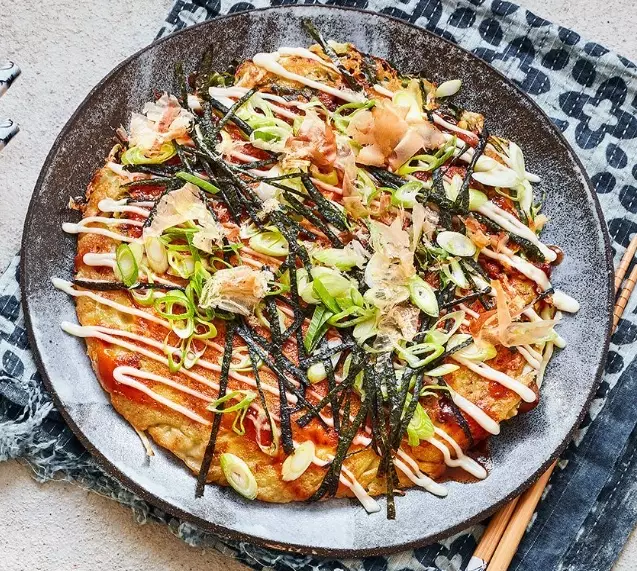
Now, here's a point of contention. Hiroshima has its own style (layered, with noodles). Which is better? It's a pointless debate. They're different. Osaka's is more cohesive, like a thick, loaded pancake. Hiroshima's is a towering masterpiece of layers. I prefer Osaka's for its simplicity and texture, but I'd never turn down either.
Watch Out! Many okonomiyaki restaurants are DIY. They bring you the bowl of ingredients and a hot teppan at your table, and you cook it yourself. This is fun, but if you're unsure, you can usually ask them to cook it for you behind the counter ("omakase de onegaishimasu"). Don't be shy. A badly flipped okonomiyaki is a sad sight.
For a classic, no-frills experience, places like Mizuno in Dotonbori are famous for a reason, but be prepared to wait. For a more relaxed vibe, explore the neighborhoods like Fukushima or Tenma.
Kushikatsu: Deep-Fried Skewered Everything
Kushikatsu is the ultimate pub food. Various ingredients—pork, beef, chicken, shrimp, cheese, pumpkin, even quail eggs—are skewered, breaded with panko, and deep-fried to a perfect golden crunch. You dip them in a communal pot of tangy, slightly sweet sauce. The cardinal rule: NO DOUBLE DIPPING. Once you've taken a bite, you must not re-dip the skewer into the shared sauce. Use the cabbage provided to spoon sauce onto your skewer instead.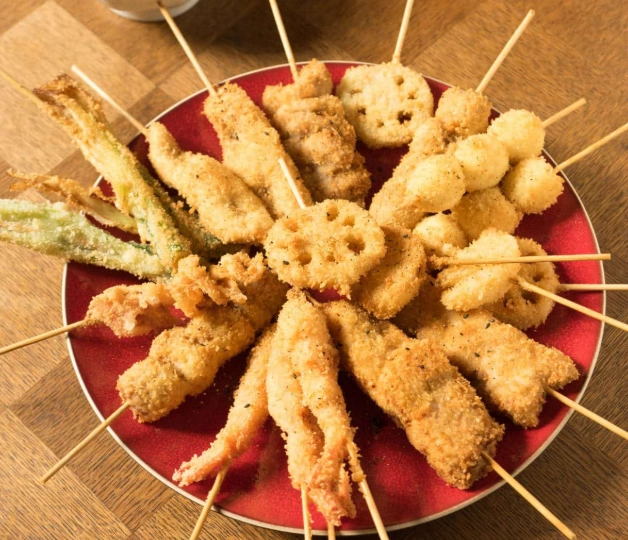
This rule is taken very seriously. You'll see signs everywhere. Breaking it is a major faux pas.
The beauty of kushikatsu is the variety. You can order a set or just point at what looks good from the display case. The tendon (beef tendon) and shiso-maki (beef wrapped in perilla leaf) are personal must-haves.
The epicenter of kushikatsu is Shinsekai, specifically Janjan Yokocho alley. Daruma is the most famous shop, with its grumpy-looking mascot. It's good, but the lines can be insane. Almost any busy shop in that area will serve you an excellent meal.
Beyond the Big Three: Other Foods Osaka is Famous For
If you only eat the three dishes above, you're missing out on a huge part of the story. The answer to "what food is Osaka famous for" gets much more interesting here.
Kitsune Udon & Tempura Udon
Osaka has a deep love for udon. Kitsune Udon is a simple bowl of thick, chewy udon noodles in a delicate dashi broth, topped with a sheet of sweetened, fried tofu (aburaage) called "inari." The name means "fox udon," based on folklore where foxes liked fried tofu. It's the ultimate comfort food—warm, slightly sweet, and deeply satisfying.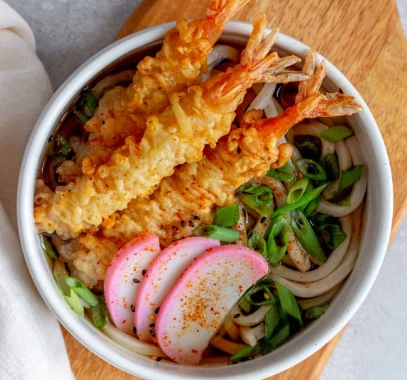
Tempura Udon is the more decadent cousin, topped with a large piece of shrimp tempura that slowly flavors the broth as it soaks. The combination of the crisp (then soggy) tempura batter with the slurpy noodles is heavenly.
For an iconic experience, head to Dotonbori Imai Honten for kitsune udon. It's been serving the same dish for centuries. The broth is clearer and more refined than you might expect.
Fugu (Pufferfish)
This might surprise you. While Shimonoseki is the major port for fugu, Osaka has a huge appetite for it and is one of the best places to try it safely. Only licensed chefs can prepare fugu, as its organs contain a deadly toxin. In Osaka, you can enjoy it as delicate sashimi (arranged like a chrysanthemum), in a hot pot (fugu-chiri), or even grilled.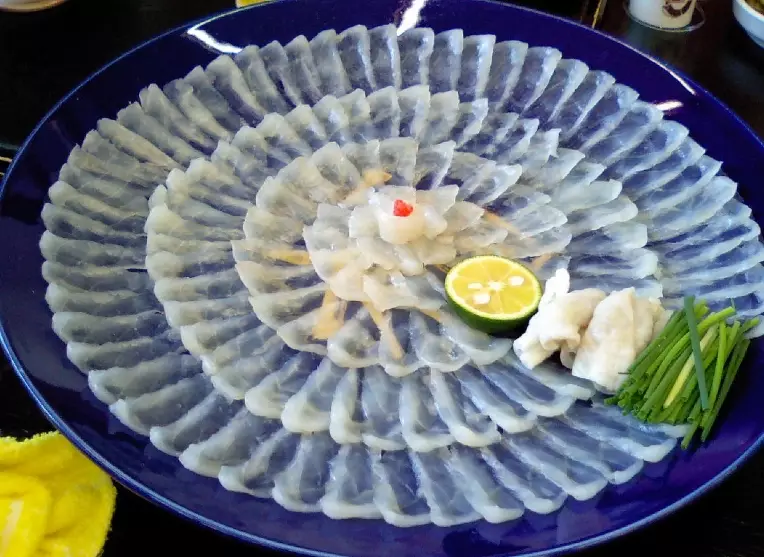
Is it worth the hype and price? The flavor is very mild, clean, and slightly chewy. The thrill is part of the experience. For the highest quality and safety, stick to reputable, specialized restaurants in areas like Kitashinchi. The Japan National Tourism Organization website is a good starting point for finding licensed establishments.
Taiko Manju & Other Sweets
Osaka's famous food isn't all savory. Taiko Manju is a beloved dessert: a fluffy, pancake-like cake shaped like a taiko drum, filled with sweet red bean paste (anko). It's a classic souvenir. The best are freshly made and still warm.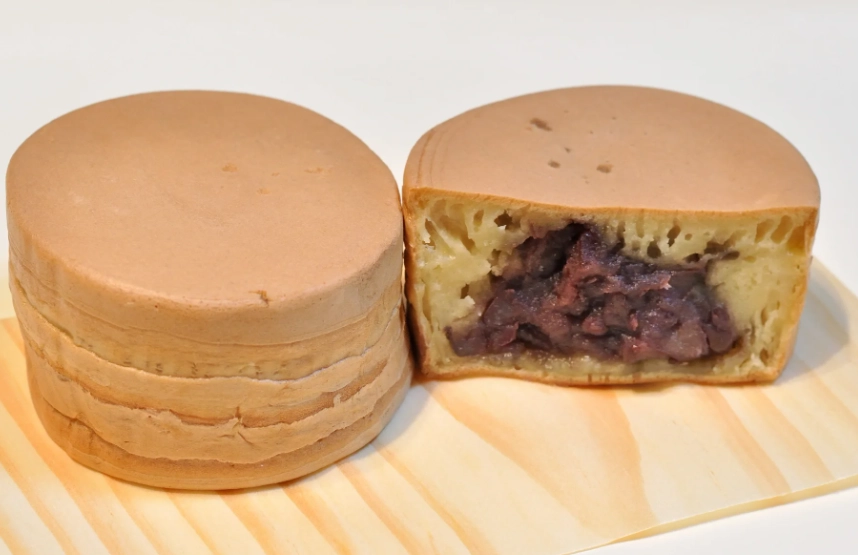
Then there's kuzukiri, translucent arrowroot starch noodles served chilled with a black sugar kuromitsu syrup for dipping. It's refreshing, chewy, and not too sweet—a perfect palate cleanser.
A Practical Guide: Where and How to Eat in Osaka
Knowing what food Osaka is famous for is half the battle. The other half is navigating where to eat it. Let's break it down by area and type.
Osaka's Food Neighborhoods at a Glance
Each area has its own personality. Dotonbori is the sensory overload everyone needs to experience once. Shinsekai is gritty and nostalgic, frozen in a Showa-era time capsule. Kuromon Ichiba Market is for fresh seafood and street-food grazing. For a more local, less chaotic feel, neighborhoods like Tenjinbashi-suji, Fukushima, or the area around Umeda Station are goldmines of small, family-run joints.
| Area | Best For | Vibe | Personal Recommendation |
|---|---|---|---|
| Dotonbori/Namba | Iconic first experiences, takoyaki, okonomiyaki, crab restaurants, the famous Glico Running Man sign. | Energetic, crowded, touristy but essential. Pure spectacle. | Go for dinner to see the neon lights. Eat at one famous place, then explore side streets for better, quieter options. |
| Shinsekai | Kushikatsu (the birthplace), old-school vibe, fugu, cheap and cheerful izakayas. | Retro, slightly rough-around-the-edges, authentic. Feels like stepping back in time. | Perfect for a lunch of kushikatsu and a stroll to Tsutenkaku Tower. Don't be intimidated by the atmosphere. |
| Kuromon Ichiba Market | Fresh seafood, oysters, uni (sea urchin), giant crab legs, strawberry mochi, sampling. | Market hustle, great for foodies who want to try a bit of everything. | Go hungry, walk the entire length first, then decide what to buy. Prices can be high for tourists, so compare. |
| Umeda/Kitashinchi | High-end dining, fugu, kaiseki, upscale izakayas, department store basement food halls (depachika). | Modern, business-like, sophisticated. The "grown-up" dining district. | Explore the depachika in Hankyu or Daimaru Umeda for an unbelievable selection of gourmet takeaway food. |
Speaking of depachika (department store basements), they are a food lover's paradise and a key part of understanding what food Osaka is famous for. These are not just grocery stores; they are culinary wonderlands with exquisite prepared foods, desserts, and regional specialties. It's the perfect place to put together a gourmet picnic or grab a high-quality bento for the shinkansen.
How to Order Like a Pro (Even Without Japanese): 1) Pointing at pictures or plastic food models is perfectly acceptable. 2) Learn a few key phrases: "Kore, hitotsu" (This, one), "Omakase de" (I'll leave it to you), "Okanjo onegaishimasu" (Check, please). 3) At counter-service places, you often buy a ticket from a vending machine first. Look for the machine with pictures and buttons, put in money, press the button for your dish, take the ticket, and hand it to the staff. It's less scary than it sounds!
Answering Your Burning Questions (FAQ)
Wrapping It Up: The Soul of Osaka's Food
Figuring out what food Osaka is famous for is just the entry point. The real magic is in the experience. It's in the sizzle of the teppan, the shouted greetings of the stall vendors, the shared rule of no double-dipping, and the universal satisfaction of a shared meal.
Osaka doesn't just feed you; it welcomes you to the table. The food is bold, flavorful, and unapologetically focused on pleasure. It's the city's love language.
Final Thought: My biggest piece of advice? Don't just chase a checklist of "what food is Osaka famous for." Get lost down a side street. Pop into a tiny izakaya that only seats eight. Point at something unfamiliar on a menu. Some of my best meals in Osaka were happy accidents, dishes I never knew to search for. That's where you truly find the heart of Japan's kitchen.
For further reading and to verify the historical and cultural context of Osaka's food scene, resources like the Official Osaka Tourism Guide are invaluable. They provide up-to-date information on festivals, seasonal specialties, and official listings that can help plan your culinary journey.

Share Your Thoughts