Let's be honest. When you think of convenience store food, you might picture a sad, pre-wrapped sandwich or a questionable hot dog. In Japan, you'd be dead wrong. After a decade of living in Tokyo and adopting the konbini (convenience store) as my second kitchen, I've learned that these stores are less about convenience and more about a quiet culinary revolution. They're not just for grabbing a quick drink; they're a destination for meals that can genuinely hold their own against proper restaurants.
This isn't about just listing snacks. It's about understanding the ecosystem, the hidden gems, and the common pitfalls that most visitors—and even some locals—overlook. Forget the overhyped tourist traps; sometimes the best Japanese food experience costs less than 500 yen and comes from a 7-Eleven, FamilyMart, or Lawson.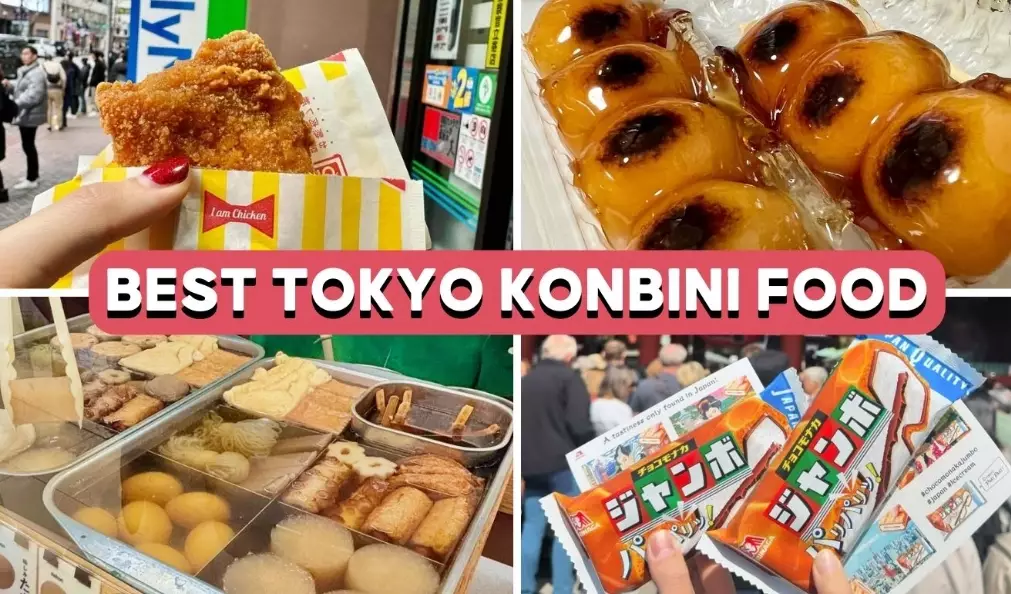
Quick Bites: Your Guide to Konbini Delights
More Than a Store: The Konbini Culture
First, let's get the mindset right. Japanese convenience stores are meticulously run operations. The food isn't an afterthought; it's a core business. According to the Japan's Ministry of Agriculture, Forestry and Fisheries, the prepared food market, heavily driven by konbini, is a multi-billion yen industry. The quality control is insane. Bento boxes and onigiri have strict shelf lives, often just a few hours, ensuring freshness that puts most supermarket delis to shame.
Each of the "big three" has its own character. 7-Eleven Japan (a separate entity from the US chain) often leads in quality and variety of ready-to-eat meals. FamilyMart has a slightly younger, trendier vibe, with excellent fried chicken and bakery items. Lawson is famous for its "Karaage-kun" fried chicken and often has the best selection of premium desserts and drinks.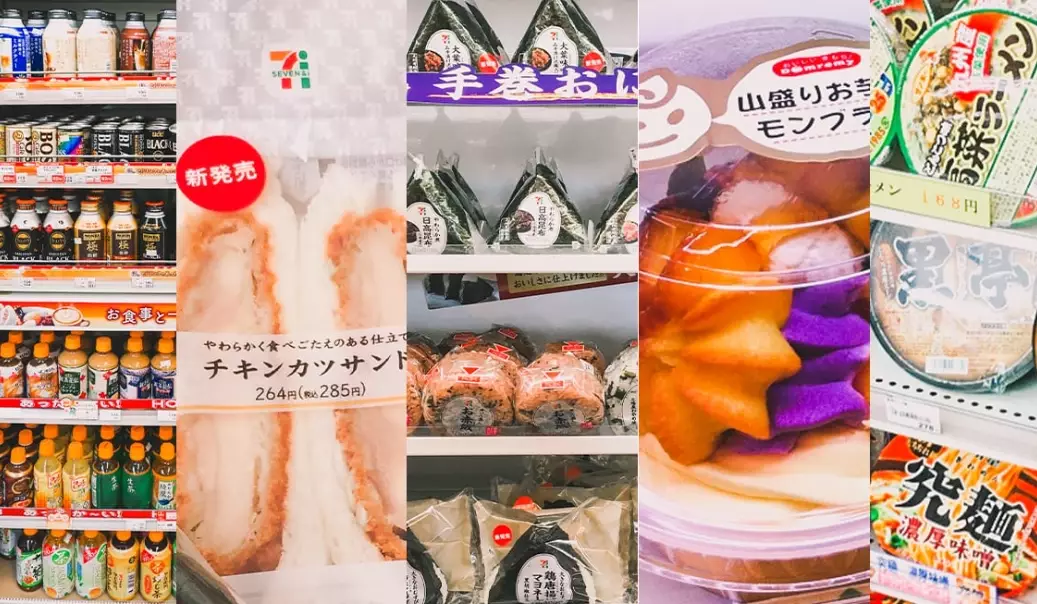
They're not just stores; they're community hubs. You can pay bills, print documents, and even send packages. But for us food lovers, the magic is in the aisles.
The Must-Try Food Categories
Here's the breakdown of where to spend your yen, based on countless lunches, late-night snacks, and breakfast-on-the-go experiences.
1. The Sandwich Section: A Surprise Hit
This is where Japan flips the script. Forget limp white bread and processed meat. Konbini sandwiches are a revelation. The white bread is often a soft, pillowy milk bread, and the fillings are fresh and flavorful.
- Egg Salad Sandwich (Tamago Sando): This is the undisputed king. Creamy, slightly sweet egg salad between soft, crustless white bread. It's a perfect balance of textures and flavors. 7-Eleven's version is consistently excellent for around 200 yen.
- Fruit Sandwiches: Seasonal fruit like strawberries or peaches paired with fresh, lightly sweetened whipped cream. It sounds like a dessert, and it kind of is, but it's a legitimate breakfast or snack.
- Fried Pork Cutlet (Tonkatsu) Sandwich: A hot take on a classic. The cutlet stays surprisingly crispy inside the packaging, and the tangy tonkatsu sauce cuts through perfectly.
2. The Onigiri (Rice Balls): A National Treasure
This is the heart and soul of konbini food. Perfectly seasoned sushi rice, shaped into a triangle, and wrapped in crisp nori (seaweed). The genius is in the packaging—the plastic separates the nori from the rice, so it stays crunchy until you open it.
Top flavors to hunt for:
- Salmon (Sake): A classic for a reason. Flaky, salty grilled salmon in the center.
- Spicy Cod Roe (Mentaiko): A briny, spicy, and umami-packed filling. Not for the faint of heart, but a flavor explosion.
- Plum (Umeboshi): A traditional favorite. The pickled plum is intensely sour and salty, which makes the plain rice around it taste incredibly sweet in contrast.
- Seasonal Specials: Konbini often release seasonal onigiri, like uni (sea urchin) or crab. If you see one, grab it—it's a limited-time treat.
3. Hot Deli Counter: The Fried Chicken Showdown
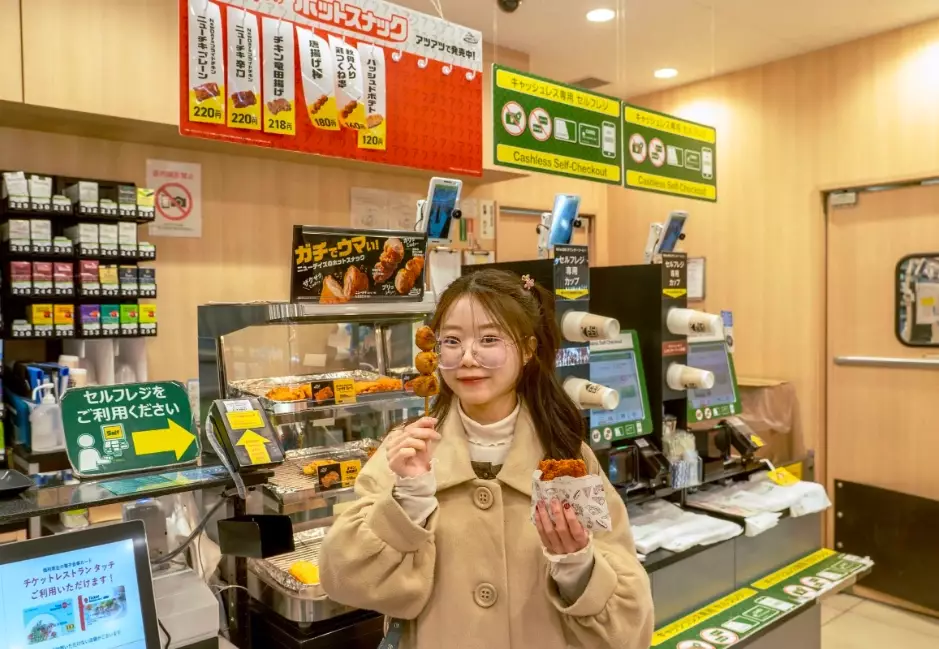
This is a competitive battleground. Each chain stakes its reputation on its fried chicken.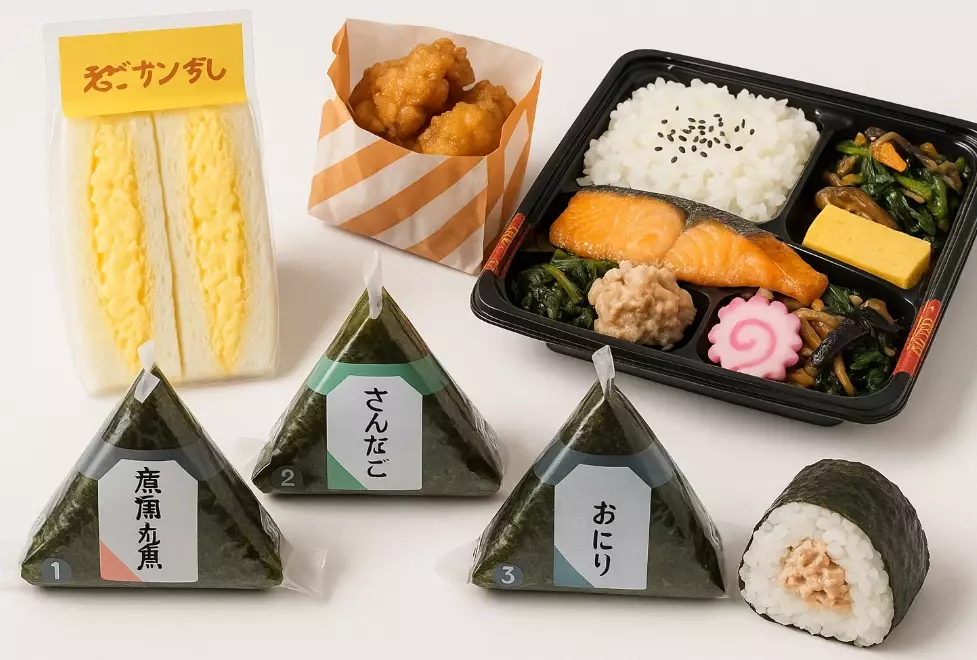
| Store | Signature Item | Price (approx.) | Why It's Good |
|---|---|---|---|
| 7-Eleven | Fried Chicken (Karaage) | 150-200 yen | Juicy, well-marinated, with a crispy, slightly sweet batter. The all-rounder. |
| Lawson | Karaage-kun | 130-180 yen | The iconic choice. Smaller, boneless pieces with a distinctive seasoning and a range of flavors (soy sauce, spicy, cheese). |
| FamilyMart | Famichiki (FamilyMart Chicken) | 160-200 yen | Often considered the top contender. The crust is incredibly crunchy and seasoned with garlic and pepper. The chicken inside is always piping hot and juicy. |
You can't go wrong with any of them, but my personal ranking after many, many taste tests is: 1) FamilyMart Famichiki, 2) 7-Eleven Karaage, 3) Lawson Karaage-kun. The Famichiki's crust is just unbeatable.
4. Bento Boxes and Prepared Meals
This is where the konbini meal comes together. You can find full Japanese meals, pasta, curry, and even Western-style dishes. The quality varies, but the best are shockingly good.
- Nikuman (Steamed Pork Buns): A hot, fluffy steamed bun filled with savory pork. Perfect on a cold day.
- Premium Bento Boxes: Look for boxes featuring dishes like unagi (eel) or tonkatsu. They use surprisingly high-quality ingredients. The "7-Premium" line from 7-Eleven is a safe bet.
- Pasta and Gratins: These are microwavable meals that actually taste good. The carbonara or cream pasta can be a satisfying, if not gourmet, dinner.
5. Drinks and Desserts: The Sweet Finale
Don't skip the dessert fridge. Japan excels at premium dairy products, and it shows.
- Pudding (Purin): The custard pudding in a small cup is legendary. It's silky smooth with a rich caramel sauce at the bottom. Oishii (delicious) doesn't begin to cover it.
- Premium Ice Cream: Look for brands like Hokkaido Milk or matcha-flavored ice cream bars. The quality is far beyond typical convenience store fare.
- Beverages: From matcha lattes and cold brew coffee in bottles to an incredible array of teas and probiotic drinks like Yakult.
How to Shop Like a Konbini Pro
Here's where my 10 years of experience comes in. Most people just grab the first thing they see. To elevate your konbini game, follow these rules.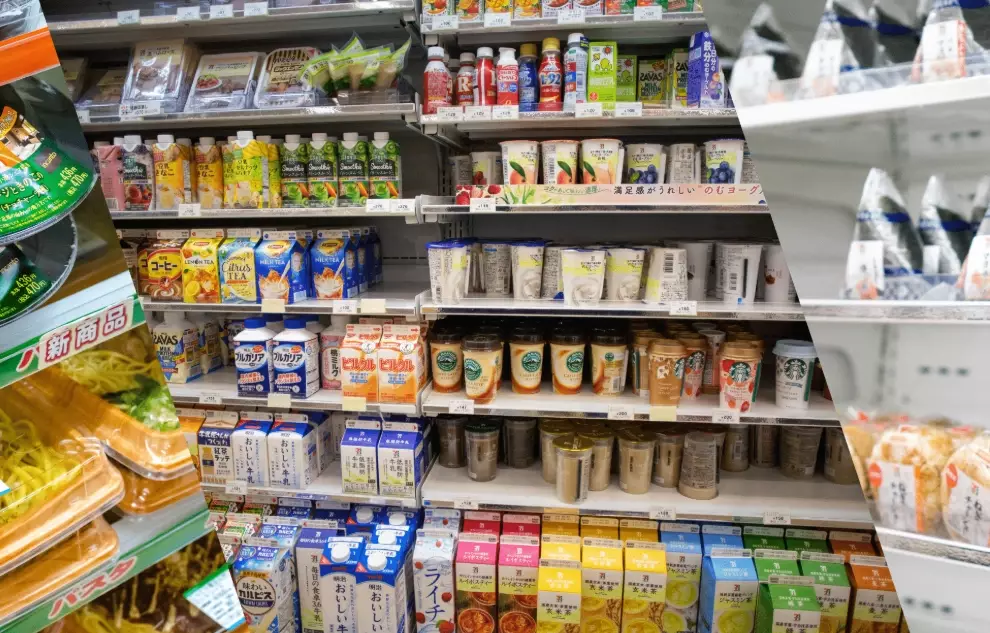
Timing is Everything. The food is restocked multiple times a day. The freshest onigiri and bento boxes arrive in the morning (around 6-7 AM) and again before lunch (10-11 AM). If you want the absolute best selection for lunch, go between 11 AM and 12:30 PM. By evening, the pickings get slimmer.
The Back is Best. This is the golden rule. Because of the strict freshness rotation, new stock is placed at the back. Always reach behind the front row of onigiri or sandwiches to get the one with the latest expiration time.
Read the Packaging (It's Easy). Even if you don't read Japanese, look for key visuals. A picture of a whole salmon means a salmon onigiri. A red pepper often means spicy. The price is always in large, clear numbers. The calorie count is also prominently displayed, which is helpful.
Don't Hesitate to Ask for Help. The staff are incredibly helpful. If you're unsure about something, just point and smile. They can also heat up any prepared meal for you at the counter.
Your Konbini Food Questions, Answered
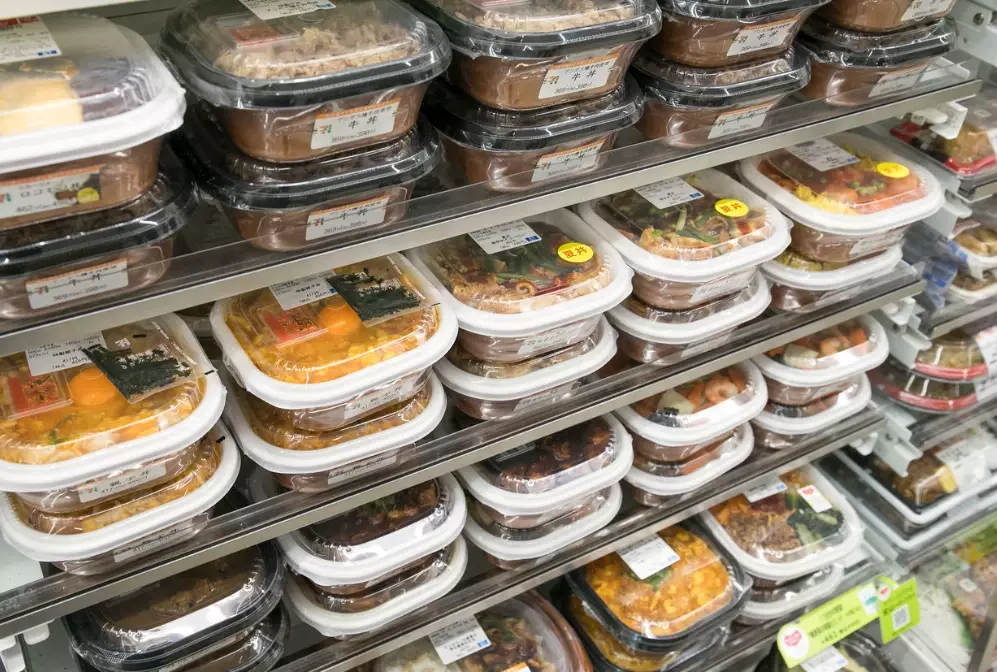 So, next time you're in Japan and feeling peckish, skip the expensive cafe line. Walk into a konbini. Grab a Famichiki, a salmon onigiri from the back, and a matcha latte. Find a park bench or a spot by the river. You'll have a meal that's not just convenient, but genuinely, surprisingly delicious. It might just be the best 500 yen you spend.
That's the real secret of Japanese convenience store food. It's not about settling. It's about discovering a whole new level of everyday eating.


Share Your Thoughts