Your Quick Guide
- The Heart of the Matter: Core Principles of a Japanese Meal
- The Undisputed National Staple: Rice (Gohan)
- The Noodle Powerhouses: Ramen, Soba, and Udon
- The Seafood Symphony: Sushi and Sashimi
- The Everyday Heroes: Grilled, Simmered, and Fried
- Regional Specialties: The Main Dishes of Japan's Prefectures
- How to Navigate a Menu: What to Order as Your Main
- Common Questions About Japan's Main Dishes
You hear about Japanese food all the time. Sushi this, ramen that. But if you sit down for a real meal in a Japanese home, what are you actually going to eat? What are Japan's main dishes that people consume day in, day out, not just the flashy stuff for tourists? That's the question I wanted to answer, not with a boring list, but by digging into what makes a meal Japanese in the first place.
I lived in Tokyo for a couple of years, and let me tell you, the food scene is overwhelming in the best way possible. But it also gets confusing. Is a bowl of curry Japanese? What about a plate of gyoza dumplings? The lines blur. So let's clear it up. This isn't just about naming dishes; it's about understanding the pillars of Japanese eating.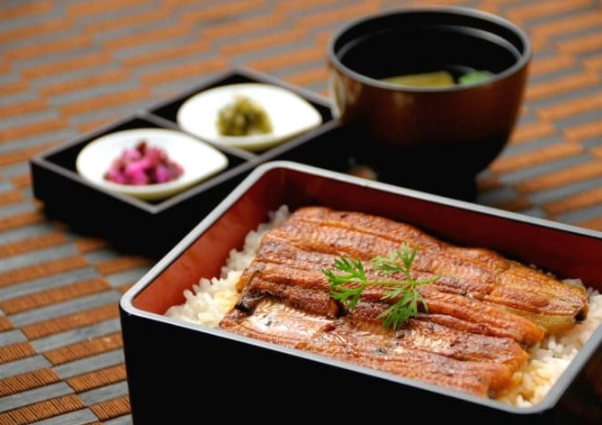
Think of Japanese cuisine like a tree. The roots are the fundamental principles—things like seasonality, presentation, and umami. The trunk is the core meal structure. And the branches? Those are the countless famous dishes that grow from those foundations. To know what are Japan's main dishes, you need to start at the roots.
The Heart of the Matter: Core Principles of a Japanese Meal
Before we list a single dish, you have to get this. Japanese meals, especially traditional ones, often follow a pattern called "ichiju-sansai" (一汁三菜). It translates to "one soup, three dishes." This isn't a rigid rule for every meal anymore, but its spirit defines balance.
- The Staple (Shushoku): Almost always rice. Steamed, white, short-grain rice. It's the anchor.
- The Soup (Shirumono): Usually miso soup, but sometimes clear soups (suimono). This provides warmth and liquid.
- The Main Dish (Shusai): This is your protein highlight—fish, meat, or tofu. Grilled fish (yakizakana) is a classic example.
- The Side Dishes (Fukusai): Two (or more) vegetable-based dishes. Think simmered veggies (nimono), pickles (tsukemono), or a simple salad.
So when someone asks what are Japan's main dishes, the answer often isn't one single item. It's this combination. A grilled salmon fillet isn't the whole meal; it's the main player alongside a bowl of rice, some miso soup with seaweed, and a small plate of spinach with sesame dressing (ohitashi). That's the complete picture.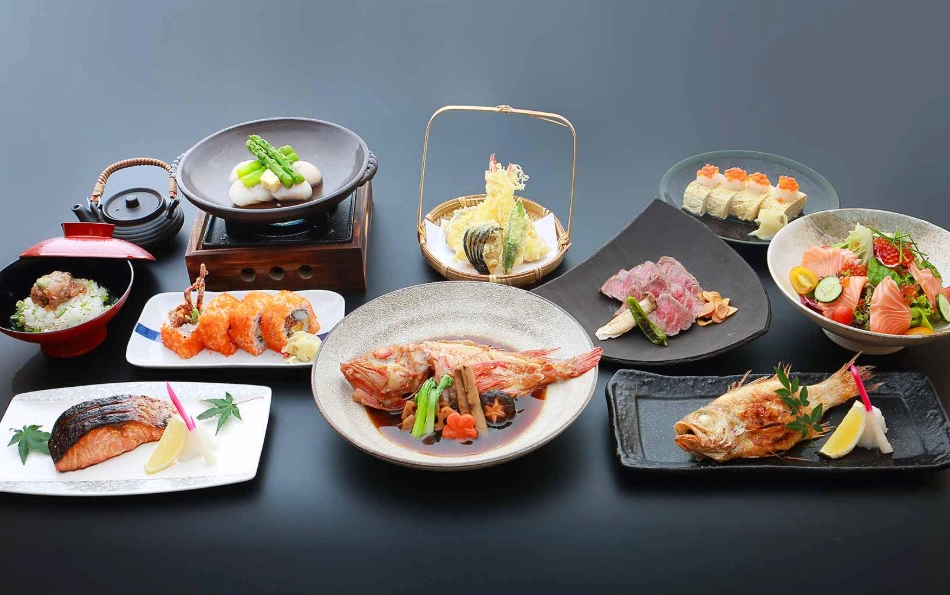
The Undisputed National Staple: Rice (Gohan)
Let's not beat around the bush. If you ask any Japanese person what the number one main dish is, they'll likely say rice. It's not a side. It's the foundation. The word "gohan" means both "cooked rice" and "meal." That tells you everything.
More Than Just Plain White Rice
While plain steamed rice (hakumai) is the default, it transforms into specific dishes that are absolutely main meals in their own right.
- Donburi: A big bowl of rice topped with something. This is a huge category. Gyudon (beef and onion simmered in a sweet-soy sauce), oyakodon (chicken and egg), katsudon (pork cutlet and egg), tendon (tempura). Fast, filling, and delicious. My personal favorite was unadon (grilled eel), though it's on the pricier side.
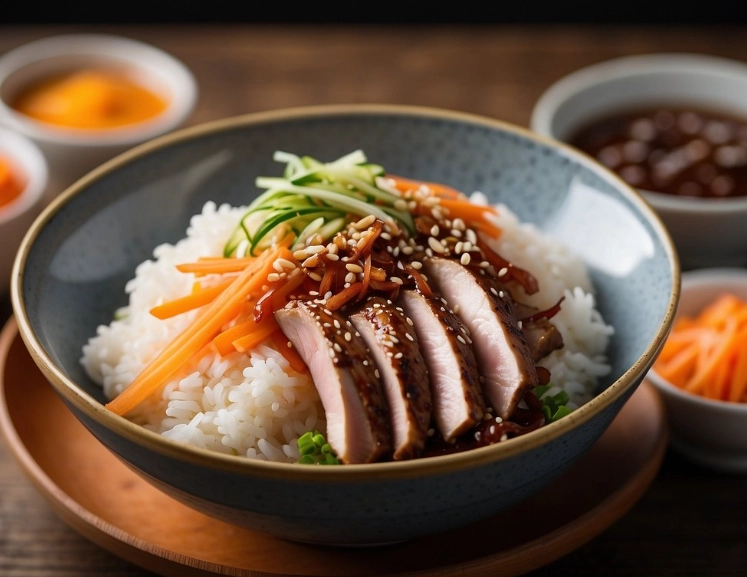
- Curry Rice (Kare Raisu): Adopted from the British and utterly Japanized. Thick, sweet, and mild compared to Indian curries, served with rice. Often with a pork or chicken cutlet (katsu kare). It's the ultimate comfort food. The Japan National Tourism Organization even lists it as a must-try. Every family has their own recipe.
- Chazuke (Ochazuke): Simple, comforting, and often eaten at the end of a meal or when you're feeling under the weather. It's just hot green tea, dashi (broth), or hot water poured over rice, often with savory toppings like salmon, umeboshi (pickled plum), or seaweed. Sounds plain, but it's incredibly soothing.
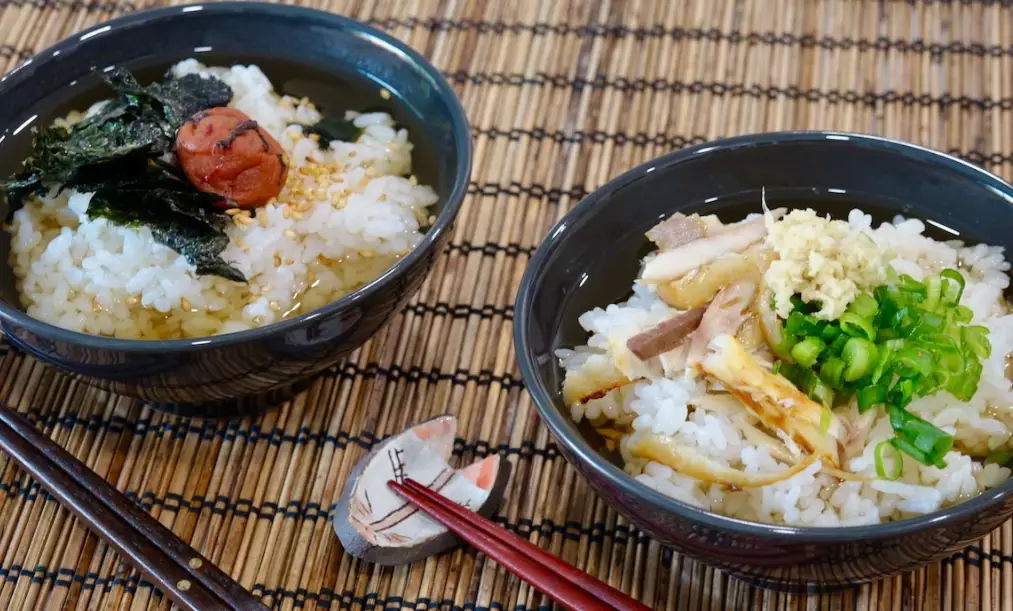
Rice is non-negotiable.
The Noodle Powerhouses: Ramen, Soba, and Udon
Now we get to the dishes most foreigners instantly recognize. Noodles are a massive part of the culinary landscape, often eaten as a quick lunch or a hearty dinner. They're absolutely considered main dishes.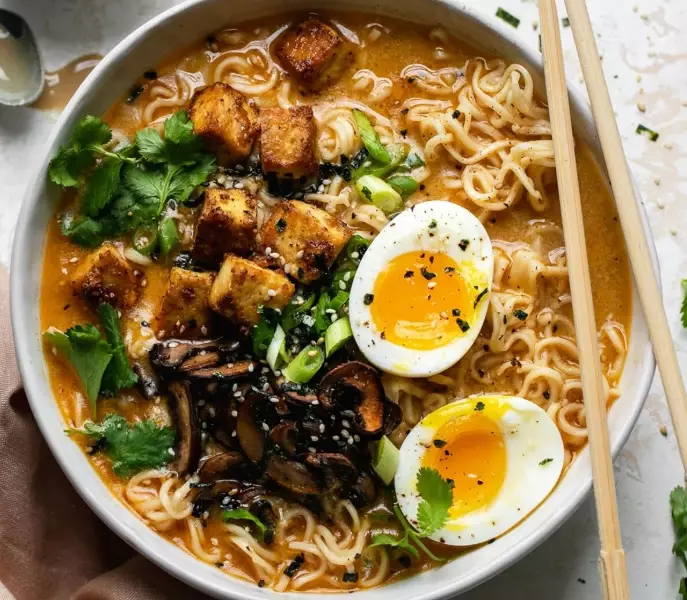
| Noodle Type | Key Characteristics | Classic Style / Topping | My Take |
|---|---|---|---|
| Ramen | Chinese-style wheat noodles in a flavored broth. The broth is the soul. | Shoyu (soy), Shio (salt), Miso, Tonkotsu (pork bone). Topped with chashu (braised pork), egg, nori. | Tonkotsu from Kyushu is rich and creamy, but can be too heavy for some. I prefer a lighter shio ramen on a hot day. |
| Soba | Thin, nutty noodles made from buckwheat. Can be served hot or cold. | Zaru Soba (cold with dipping sauce), Kake Soba (hot in broth). Often with tempura (tempura soba). | Cold zaru soba in summer is unbeatable. Feels healthy and refined. The dipping sauce (tsuyu) is key. |
| Udon | Thick, chewy, white wheat noodles. Softer and more forgiving than ramen noodles. | Kake Udon (hot in a mild dashi broth), Curry Udon, Nabeyaki Udon (hot pot style with egg and shrimp tempura). | The ultimate comfort noodle. A simple kake udon is pure, warm bliss. Kitsune udon (with sweet fried tofu) is a classic for a reason. |
Ramen gets all the hype, and sure, hunting for the best ramen shop is a sport. But for a daily, affordable, and utterly satisfying meal, you can't beat a well-made bowl of udon or soba. They feel more inherently Japanese to me, if that makes sense.
The Seafood Symphony: Sushi and Sashimi
Here we are. The icons. When people globally think of Japanese food, they think of sushi. But it's important to understand its place. For many Japanese, high-end sushi (omakase) is a special occasion meal, not an everyday lunch. However, more accessible forms are absolutely part of the regular diet.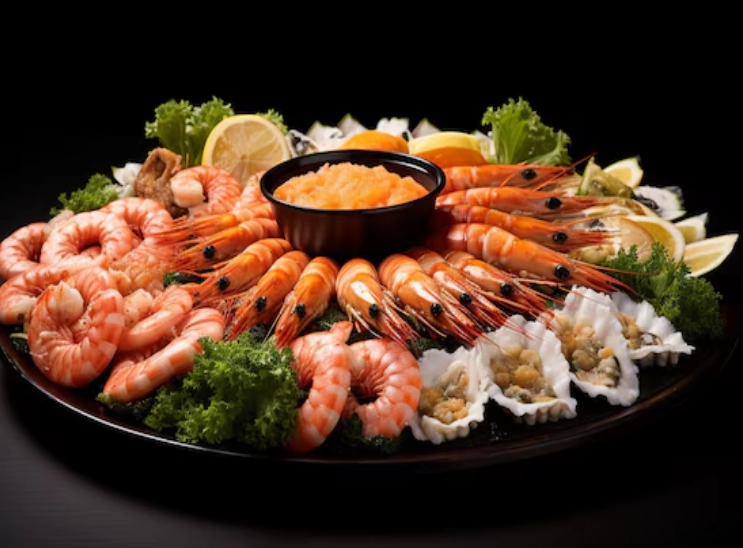
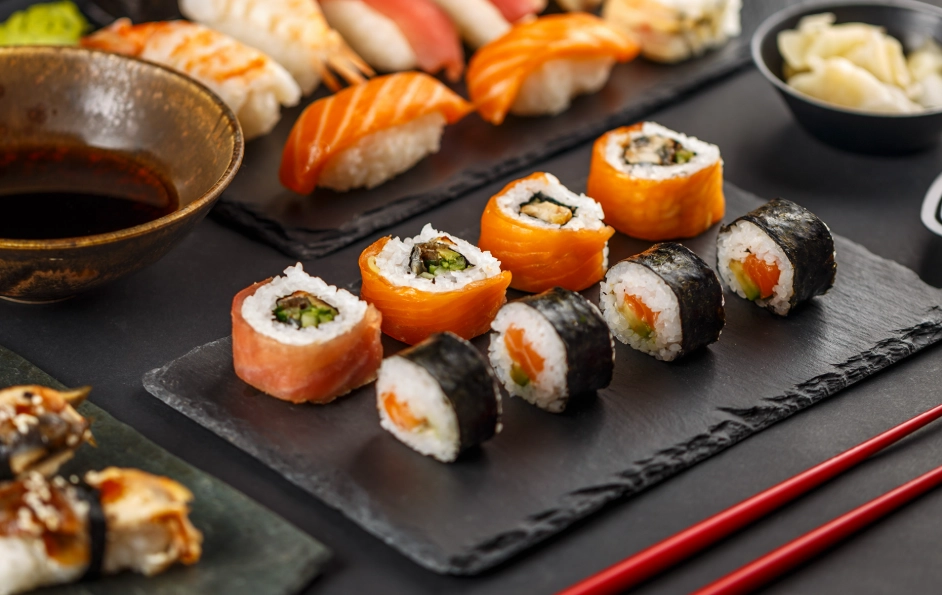
Quick Clarification: Sashimi is just sliced raw fish/seafood, served alone. Sushi refers to vinegared rice combined with a topping (neta), which can be fish, but also egg, vegetables, etc. Nigiri is hand-pressed sushi; maki is rolled sushi.
So, are sushi and sashimi main dishes? In a restaurant setting, absolutely. You order a platter of assorted nigiri or a chirashi bowl (sashimi over rice) as your main. At home, making nigiri is less common, but buying pre-sliced sashimi from the supermarket (sento) for dinner is totally normal.
The variety is staggering. Tuna (maguro), salmon (sake), sea urchin (uni), sweet shrimp (amaebi)... the list goes on. The quality and handling are paramount. The Japanese Ministry of Health, Labour and Welfare has strict guidelines for handling raw fish, which is why it's generally very safe to eat.
The Everyday Heroes: Grilled, Simmered, and Fried
Beyond the famous categories, there's a whole world of dishes that form the backbone of home cooking and casual dining.
Yakimono (Grilled/Broiled Dishes)
This is a prime candidate for the "main dish" (shusai) in the ichiju-sansai setup.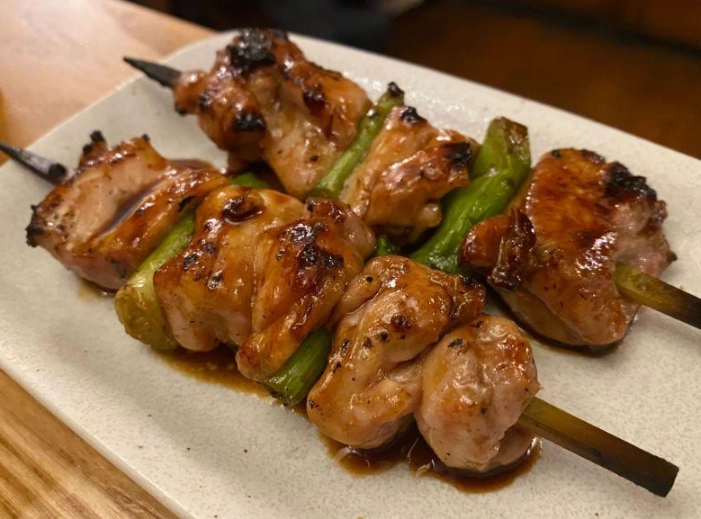
- Yakizakana: Simply grilled fish, like mackerel (saba), salmon, or horse mackerel (aji). Seasoned with just salt. The skin gets crispy, the flesh stays moist. Served with a wedge of lemon or grated daikon. Healthy and straightforward.
- Yakitori: Skewers of grilled chicken, from thigh (momong) to meatballs (tsukune) to skin (kawa). Brushed with a sweet-salty tare sauce or just salt (shio). Perfect with a beer.
Nimono (Simmered Dishes)
Comfort food at its finest. Ingredients are slowly cooked in a seasoned dashi broth.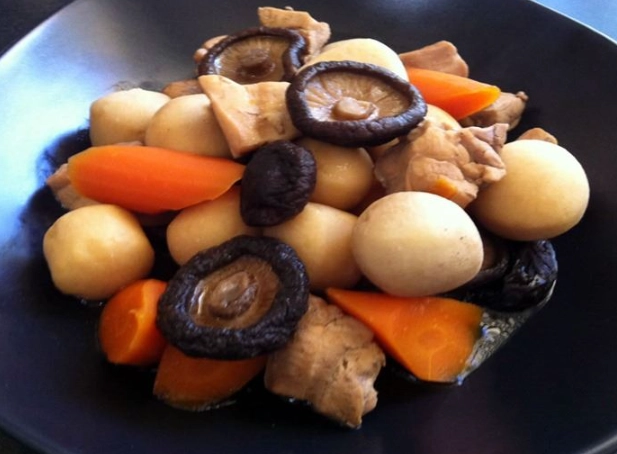
- Niku-jaga: Literally "meat and potatoes." Beef, potatoes, onions, and carrots simmered in a sweet-soy broth. The taste of home.
- Oden: A winter staple. Various ingredients like daikon radish, boiled eggs, konnyaku, and fish cakes are simmered for hours in a light, soy-flavored dashi broth. You find it in convenience stores (konbini) all winter long. It's better than it sounds, trust me.
Agemono (Fried Dishes)
Not just tempura, though tempura is king here.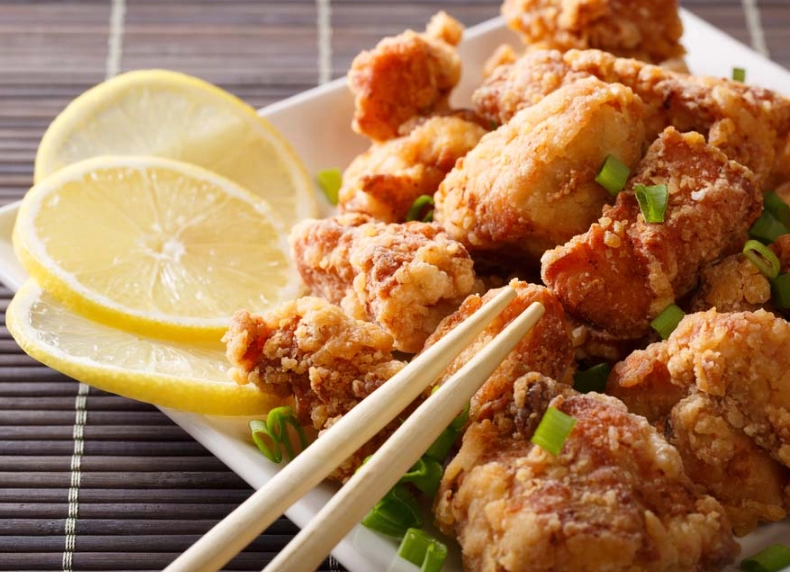
- Tempura: Seafood and vegetables coated in a light, airy batter and deep-fried. It should be crisp, not greasy. Served with tentsuyu dipping sauce or just salt. Prawn (ebi) tempura is the star, but eggplant, sweet potato, and shiso leaf are amazing.
- Tonkatsu: A breaded, deep-fried pork cutlet. Thick, juicy, and served with a thick, fruity Worcestershire-style sauce (tonkatsu sauce), shredded cabbage, and rice. It's a meal. The Michelin Guide even highlights specialized tonkatsu restaurants in Tokyo, showing its status as a serious dish.
See what I mean? What are Japan's main dishes? It's a huge family. From the humble grilled fish to the elaborate tempura platter.
Regional Specialties: The Main Dishes of Japan's Prefectures
This is where it gets really fun. Japan's regions have their own iconic dishes that are the main event there.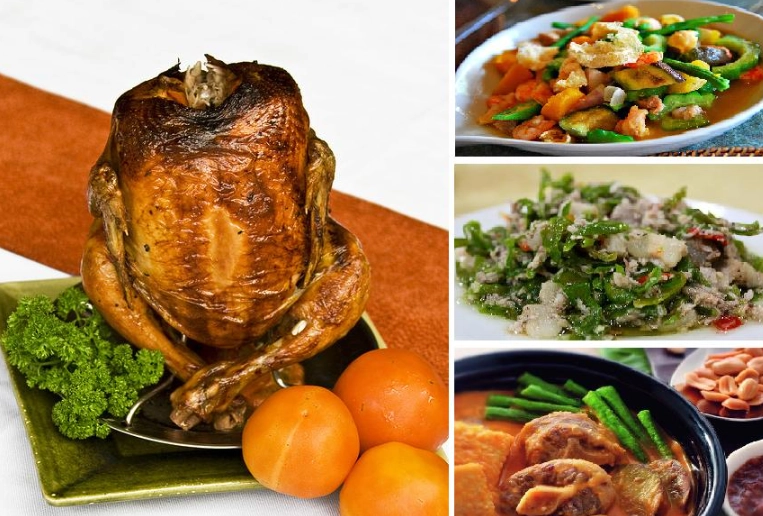
For instance, Okinawa has a distinct cuisine due to its history. Goya champuru (a stir-fry with bitter melon, tofu, and spam) is a staple main dish there, reflecting its unique cultural blend.
How to Navigate a Menu: What to Order as Your Main
Let's get practical. You're in a Japanese restaurant (in Japan or abroad). The menu has sections. How do you build a meal that feels complete and authentic?
- Look for the "Teishoku" (定食) or Set Meal. This is your golden ticket. It automatically gives you the balanced ichiju-sansai style. A typical teishoku includes: your main (e.g., grilled fish, tonkatsu), rice, miso soup, pickles, and maybe a small side salad or simmered vegetable. It's efficient and authentic.
- If ordering à la carte, think in categories. Pick one substantial item as your centerpiece (a donburi, a noodle bowl, a grilled fish plate). Then consider adding a small side if it doesn't come with much. Most noodle and donburi dishes are complete meals on their own.
- Don't forget the rice. If your main dish (like a curry or a stew) doesn't explicitly come with rice, you'll usually need to order a bowl of rice (gohan) separately. It's assumed.
Teishoku is the way to go for the full experience.
Common Questions About Japan's Main Dishes
So, what are Japan's main dishes? They are a diverse ecosystem of foods built on principles of balance, seasonality, and respect for ingredients. It's the structured simplicity of ichiju-sansai, the comforting embrace of a donburi bowl, the artistry of sushi, and the hearty satisfaction of a noodle soup. It's not one thing; it's a whole culinary philosophy served on a plate (or several small plates). The best way to understand is to try as many as you can, from the humble to the exalted. Start with a teishoku set, and you'll be experiencing the true heart of a Japanese meal.
I still crave a simple bowl of kake udon on a rainy day or the perfect piece of salmon nigiri. That's the lasting power of these foods. They're not just dishes; they're experiences. And now you know where to start.


Share Your Thoughts