Your Street Food Roadmap
Let's cut right to the chase. You're thinking about Osaka street food, and your stomach is already rumbling. Images of sizzling octopus balls, savory pancakes, and mysterious skewers are dancing in your head. Good. That's the right mindset to have. Because in Osaka, food isn't just sustenance; it's the city's heartbeat, its primary form of communication, and frankly, the best reason to visit.
I remember my first time stumbling out of Namba station into the neon glow of Dotonbori. The sensory overload was real—the shouts of vendors, the dizzying array of signs, and that incredible, greasy, mouth-watering aroma that hangs in the air like a delicious fog. I made every mistake in the book. I ate the wrong thing first. I paid too much. I got lost looking for a specific stall that had already closed.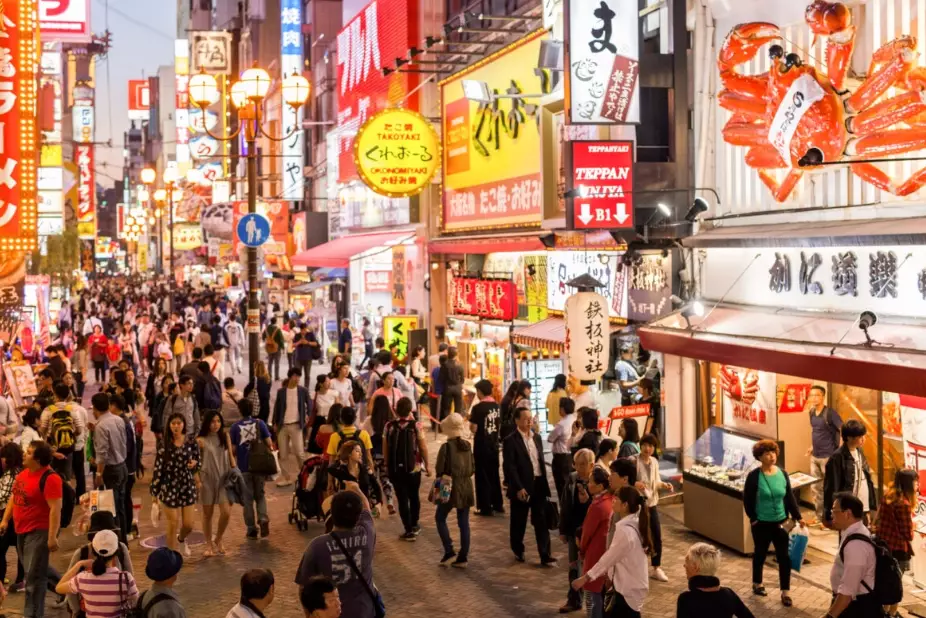
This guide is the one I wish I'd had. It's not a dry list of facts. It's a practical, no-nonsense walkthrough of Osaka's street food scene, built on trial, error, and a lot of happy eating. We're going beyond the postcard pictures to talk about what it's actually like to eat your way through this city.
The Core Philosophy of Osaka Street Food
People call Osaka "Japan's Kitchen" (天下の台所, Tenka no Daidokoro) for a reason. The attitude here is different from Kyoto's refinement or Tokyo's precision. Osaka food is kuidaore—"eat until you drop." It's generous, bold, unpretentious, and deeply satisfying. Street food isn't a sideshow; it's the main event. It's fast, affordable, and engineered for maximum flavor impact. Forget dainty sushi portions. Here, you get a hot, steaming box of goodness meant to be devoured on your feet, with a big smile on your face.
The Non-Negotiable Osaka Street Food Hit List
You could wander aimlessly and eat well, but you'd miss the icons. These are the dishes that define the Osaka street food experience. Consider this your mandatory curriculum.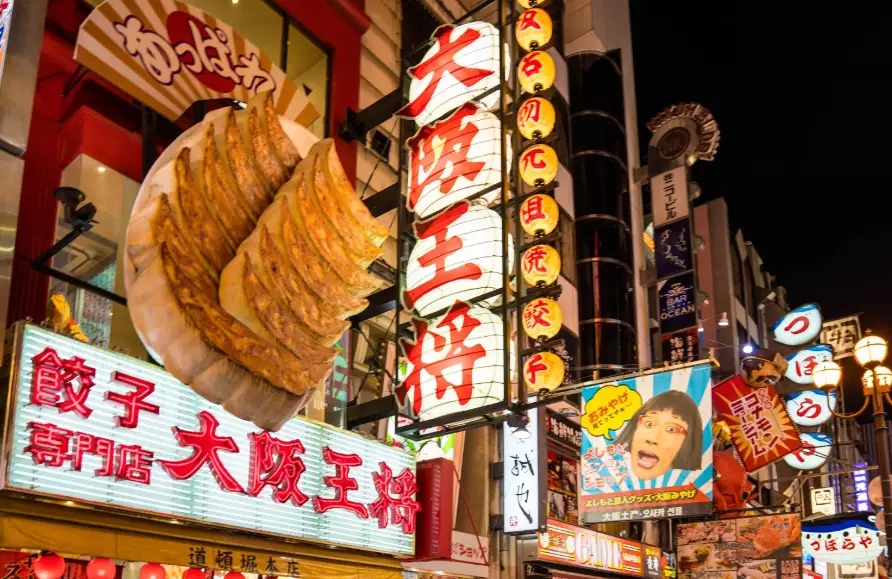
Takoyaki: The Iconic Octopus Ball
This is the king. The undisputed champion of Osaka street food. You'll see round griddles everywhere, with vendors deftly turning dozens of little batter balls with metal picks. The basic formula is a wheat-flour batter filled with a piece of tender octopus (tako), tempura scraps (tenkasu), and pickled ginger. They're cooked until golden and gooey inside.
Then comes the magic: a generous drizzle of takoyaki sauce (like a thicker, sweeter Worcestershire), mayonnaise, a sprinkling of green seaweed (aonori), and bonito flakes that dance in the steam. The first one will burn your mouth. Every single time. You'll forget the warning, every single time. It's a rite of passage.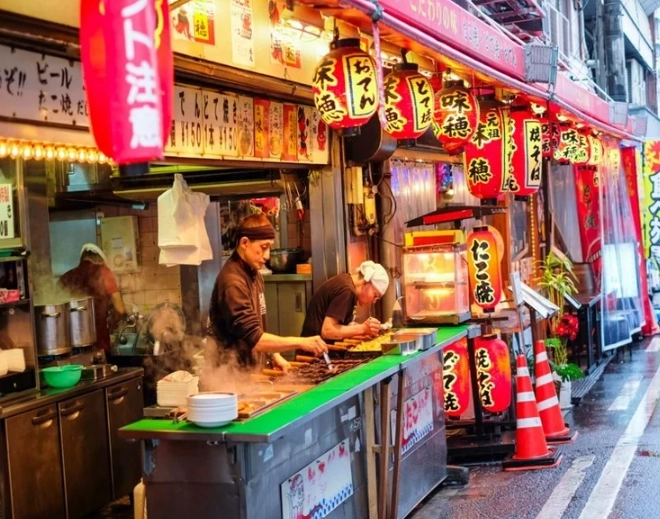
Pro-Tip: Don't look for a fork. You get a tiny paddle-like pick (kushi). Spear, blow, eat. The best stalls are often the ones with a short line of locals. A famous chain like "Takoyaki Wanaka" is a consistently great start, but don't be afraid to try a random backstreet vendor.
Okonomiyaki: The Savory "As-You-Like-It" Pancake
Often called a Japanese savory pancake or pizza, that doesn't quite do it justice. "Okonomi" means "what you like," and "yaki" means "grilled." At street stalls, you'll often get the Osaka-style version, where all the ingredients—batter, shredded cabbage, egg, pork belly, and optional extras like seafood or cheese—are mixed together and grilled on a teppan into a thick, hearty disc.
It's slathered with the same okonomiyaki sauce (similar to takoyaki sauce), mayo, seaweed, and bonito. Some stalls let you cook it yourself on a built-in griddle, which is half the fun (and half the risk of burning it). The texture is the star—crispy on the outside, soft and almost custardy within. It's a meal in itself.
Kushikatsu: Deep-Fried Everything on a Stick
Walk through Shinsekai, the old-school entertainment district, and you'll smell it: the unmistakable scent of hot oil. Kushikatsu is various meats, seafood, and vegetables, breaded in panko and deep-fried to perfect crispness on a bamboo skewer. Think pork, beef, shrimp, asparagus, quail eggs, even cheese and mochi.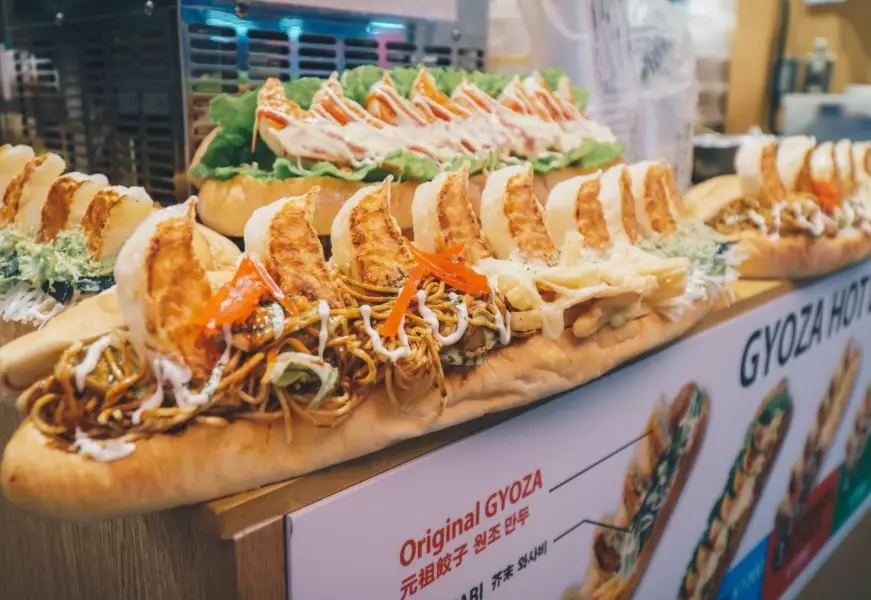
The golden rule? DO NOT DOUBLE-DIP THE SAUCE. The pot of thick, sweet-savory tonkatsu sauce on the counter is communal. You dip your skewer once, and only once. It's a matter of public hygiene and intense local pride. Violate this rule and you will get a stern look. Each skewer is usually around 100-200 yen, making it perfect for trying a bunch of different things.
Watch Out: The sauce is often placed in the middle of a long table. It's easy to get excited, eat your skewer, and instinctively go for a second dip. Resist! Just get a new skewer if you want more sauce.
But wait, there's more. The world of Osaka street food runs deep.
You've got Ikayaki—a whole grilled squid, often basted with soy sauce, chewy and smoky. Taiyaki—fish-shaped cakes filled with sweet red bean paste or custard. Korokke—Japanese croquettes, creamy potato with mince meat, a crispy fried exterior. Oden in winter—a simmering pot of fish cakes, daikon radish, and eggs in a light dashi broth, the ultimate comfort food.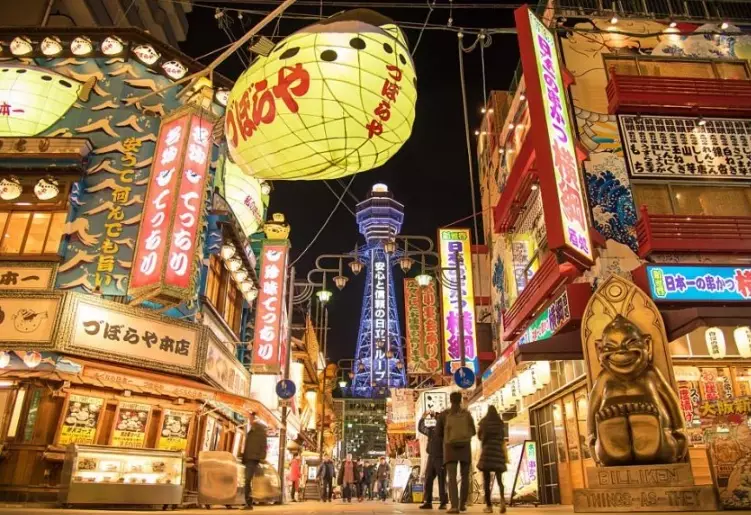
The variety is staggering. Just when you think you've seen it all, you'll spot something new bubbling away.
Where to Actually Find the Best Osaka Street Food
This is crucial. You can't just say "Osaka" and be done with it. The city's street food is concentrated in distinct neighborhoods, each with its own vibe.
Dotonbori & Namba: The Neon-Flavored Heart
This is ground zero for most visitors. The canal lit by neon signs (the famous Glico Running Man, the giant crab) is lined with restaurants, but the street food action is on the parallel main strip and the side alleys. It's crowded, loud, and touristy. And it's absolutely worth experiencing.
Here you'll find famous takoyaki shops like "Dotonbori Konamon Museum" (which isn't a museum, it's a row of food stalls) and giant, Instagram-ready crab claws. The quality can be hit or miss due to the sheer volume, but the energy is unbeatable. Go hungry, walk slowly, and follow your nose.
Shinsekai: Retro Vibes & Kushikatsu Alley
Built in the early 1900s with Paris and New York as inspirations, Shinsekai feels frozen in the Showa era. The landmark Tsutenkaku Tower watches over a maze of streets packed with kushikatsu joints. This is where you come for the definitive kushikatsu experience.
The most famous spot is Kushikatsu Daruma (or one of its many branches), with its grumpy-looking mascot and strict "no double-dipping" signs. The alleys are narrow, the shops are tiny and often filled with smoke, and it feels like a step back in time. It's less polished than Dotonbori, but many would say it's more authentic to the core Osaka street food spirit.
Kuromon Ichiba Market: "Osaka's Kitchen" Literally
If you want to see where the chefs shop and eat alongside them, go to Kuromon. This covered market street, about 600 meters long, is packed with over 150 shops. Yes, it sells fresh fish, meat, and produce, but a huge portion is dedicated to ready-to-eat street food.
This is where you can get incredibly fresh sashimi skewers, giant grilled scallops, fatty tuna on rice, grilled unagi (eel), and the best-quality takoyaki and okonomiyaki, often with premium ingredients. It's cleaner and more spacious than the other areas, and you can see the food being prepared right in front of you. It's a fantastic one-stop shop.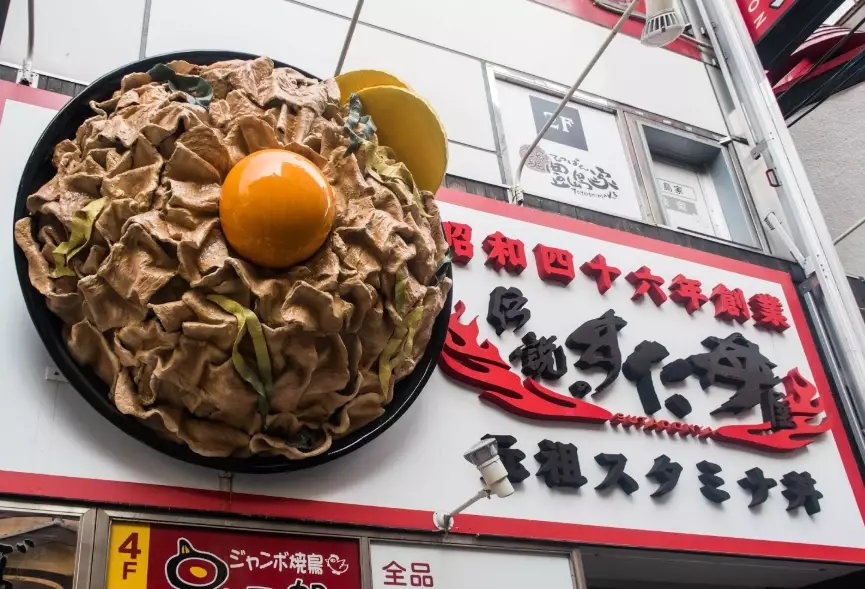
A local fishmonger once told me, "In Kuromon, we feed our neighbors. If it's not good, I see them tomorrow." That accountability shows in the quality.
Tenjinbashisuji Shopping Street & Other Local Haunts
Want to escape the tourist trail? This is the longest shopping street in Japan (2.6 km!). Here, you'll find street food aimed squarely at Osakans doing their daily shopping. The prices are slightly lower, the crowds are locals, and the offerings can be more varied and seasonal. You'll find older, family-run stalls that have been perfecting one dish for decades. It's a more relaxed, everyday kind of food adventure.
For official information on these districts and events, the Osaka Convention & Tourism Bureau website is a reliable resource for maps and seasonal highlights.
Navigating the Stalls Like a Pro: Practicalities
Knowing what to eat and where is half the battle. The other half is the how. Let's get practical.
[Imagine a bustling street stall here, steam rising from a takoyaki pan]
How to Order & Pay
It's usually straightforward. Most street food stalls have:
- A display case or pictures of the food with prices.
- A ticket machine. This is very common. You insert cash, press the button for the item you want (sometimes with pictures), get a ticket, and hand it to the vendor.
- Or, simply a counter where you pay the person directly.
English menus or picture menus are common in Dotonbori and Kuromon. In Shinsekai or local spots, you might need to point. A smile and a "kore, onegaishimasu" (this one, please) work wonders. Have cash (yen). Most street food stalls do not accept credit cards.
How Much Does Osaka Street Food Actually Cost?
This is a big one. Budgeting is key for a good kuidaore session. Here’s a realistic breakdown.
Most sit-down kushikatsu restaurants have a set course, but street-side stands sell individually.
A substantial snack, often brushed with soy sauce.
Classic red bean (anko) is standard. Custard or chocolate might cost a bit more.
Always have a drink handy! Green tea, water, or a cold beer from a convenience store pairs perfectly.
| Food Item | Average Price Range (Yen) | Notes & What to Expect |
|---|---|---|
| Takoyaki (6-8 pieces) | 400 - 650 | Basic octopus filling. Fancier stalls with premium octopus or added toppings (cheese, mochi) can go to 800+. |
| Okonomiyaki (one portion) | 800 - 1,500 | A full meal. Simple pork to deluxe seafood mixes. Street stall versions are often on the lower end. |
| Kushikatsu (per skewer) | 100 - 250 | |
| Ikayaki (whole grilled squid) | 500 - 800 | |
| Taiyaki (one piece) | 150 - 250 | |
| Drink (vending machine can/bottle) | 120 - 200 |
Prices as of recent trends. Always check the posted price at the stall.
So, a solid street food feast—say, a box of takoyaki, two kushikatsu skewers, and a drink—can easily be under 1,000 yen. It's incredibly good value.
Etiquette: The Unwritten Rules
- Eat on the spot or move aside: Most stalls have a small counter or ledge. Eat your food there, or if you take it away, find a side street or public space to eat. Don't block the stall or main walkway.
- Trash is your responsibility: Public trash cans are shockingly rare in Japan. The stall will often have a small bin for sticks/plates they provided. For other wrappers, carry a small bag and dispose of it back at your hotel or at a convenience store (like 7-Eleven, which usually has bins).
- No tipping: It's not a custom in Japan, and can cause confusion.
- Be patient: Good food takes a minute. Watch the master at work—it's part of the show.
Answering Your Real Questions (The FAQ Nobody Talks About)
Is Osaka street food safe to eat? What about hygiene?
In my extensive (and gluttonous) experience, yes, extremely. Japan has high food safety standards. The stalls might look simple, but they are clean. Ingredients turn over rapidly. The oil in kushikatsu places is changed frequently. I've never had an issue. Use common sense: if a place looks neglected or has no customers, maybe skip it.
I'm vegetarian/vegan. Can I survive?
This is a real challenge. Traditional Osaka street food relies heavily on dashi (fish stock), meat, and seafood. Takoyaki batter often contains dashi and has octopus inside. Okonomiyaki sauce usually contains fish extract. Kushikatsu batter might have eggs.
But, there are options: Some takoyaki places offer a "no-tako" (octopus-less) version, but you must ask if the batter is vegetarian. Vegetable kushikatsu (asparagus, pumpkin, green pepper) is amazing—but you must confirm the frying oil isn't used for meat and that the breading is egg-free. Taiyaki with red bean paste is usually vegan. Roasted sweet potatoes (yaki-imo) sold from cart vendors in winter are a fantastic, safe bet. It requires more research and asking questions, but it's not impossible. Websites like HappyCow are invaluable for finding specifically vegetarian-friendly spots.
When is the best time to go for street food?
Evening. Hands down. Most stalls in Dotonbori and Shinsekai come alive after 5 PM. The atmosphere is electric. Lunchtime is also good, especially at markets like Kuromon. Some morning-only stalls exist near temples or markets, serving things like fresh imagawayaki (similar to taiyaki). But for the classic, vibrant experience, go at night.
How do I find the "authentic" places, not just tourist traps?
Look for lines of locals (not just tourists with selfie sticks). The menus are only in Japanese. The decor is functional, not flashy. It's in a side alley, not directly on the main tourist drag. The vendor is an older master who looks like they've been doing this for 40 years. In Shinsekai, walk one street back from the main strip. In general, if you walk 5-10 minutes away from the biggest landmark, you'll often find better prices and a more local crowd.
What's one underrated Osaka street food I shouldn't miss?
My personal vote goes to Butaman. It's a steamed pork bun, but the Osaka version is often bigger, fluffier, and the filling is a sweet-savory braised pork that's just incredible. You can find them at specialty stands or even in convenience stores (where they're surprisingly good). It's the perfect warm, filling snack on a cooler day.
Final Thoughts: Your Osaka Street Food Game Plan
Let's wrap this up with a simple, actionable plan.
- Start in Dotonbori at dusk for the spectacle and your first iconic takoyaki. Soak in the madness.
- Dedicate an evening to Shinsekai. Go hungry, hit a kushikatsu alley (remember the sauce rule!), and soak up the retro atmosphere.
- Spend a morning or afternoon at Kuromon Ichiba Market. Go for the premium, fresh-off-the-boat seafood snacks and a more spacious eating experience.
- Carry cash, carry a small trash bag, and wear stretchy pants. Seriously.
- Don't overthink it. The best Osaka street food discovery is often the unplanned one—the stall you stumble upon because something smelled too good to pass up. That's the spirit of kuidaore.
The beauty of Osaka's street food scene is its accessibility and sheer joy. It's not about fine dining accolades; it's about that moment of pure, unadulterated satisfaction from a perfectly cooked, flavorful bite you bought from a stranger on a bustling street. It's the essence of the city itself: warm, bold, and endlessly welcoming to anyone with an appetite.
Now go eat.

Share Your Thoughts