Forget fancy restaurants. In Osaka, the soul of the city is cooked on hotplates, fried in bubbling oil, and served on a stick. It's loud, messy, and profoundly delicious. But "Osaka street food location" isn't just about finding a stall—it's about knowing which alley in Dotonbori has the crispiest takoyaki, which Shinsekai joint masters the art of kushikatsu, and where the locals go when the tourist spots get too crowded. After a decade of eating my way through this city, I've learned that location is everything. A move of 50 meters can mean the difference between a forgetable snack and a culinary memory. Let's cut through the neon and get to the good stuff.
Your Osaka Street Food Roadmap
Dotonbori: Ground Zero for Street Food Spectacle
This is it. The chaotic, glorious epicenter. Dotonbori isn't a single street but a network of canalside walkways and covered arcades (shotengai) packed with food. The mistake most first-timers make? They stop at the first crowded stall they see. The magic is in the side streets.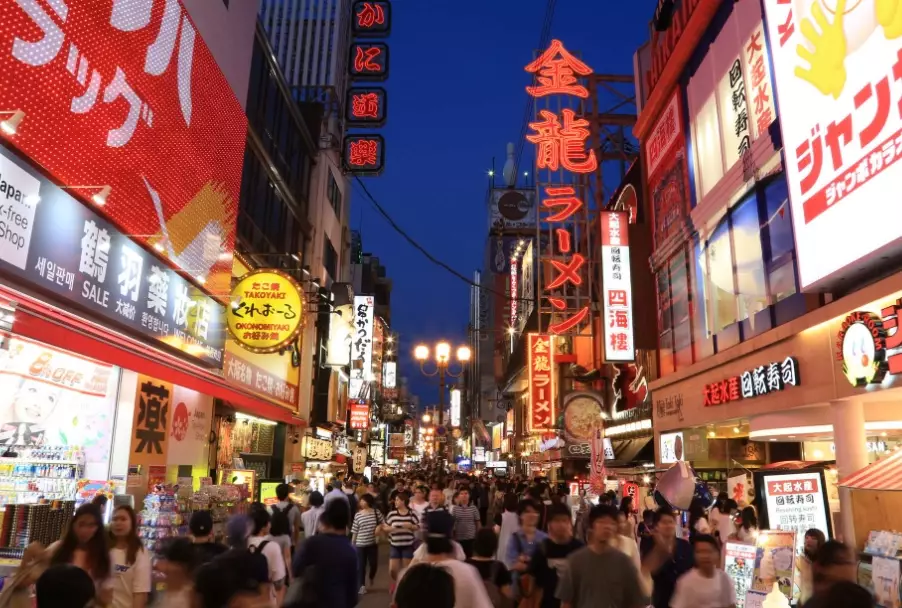
The main strip along the canal has the giants: the moving crab, the giant pufferfish, the towering gyoza. These are landmarks, not necessarily the best eats. For the real action, dive into the Hozen-ji Yokocho alley. It's a narrow, stone-paved lane that feels centuries removed from the neon. Here, tiny standing bars (tachinomi) and okonomiyaki shops cram together. It's more intimate, often with better quality.
Pro-Tip: The famous Takoyaki Juhachiban right by the Glico Man is fine, but the queues are insane. Walk two minutes to their smaller branch on the edge of the entertainment district. Same batter, same technique, 70% shorter wait. Your time is better spent eating than lining up.
Another crucial Dotonbori location is the Dotonbori Arcade itself. Running parallel to the canal, it's lined with stalls offering everything from giant grilled scallops (look for Kaisendon stalls) to melon-pan ice cream sandwiches. It's covered, making it a perfect bad-weather option.
| Must-Try in Dotonbori | What to Look For | Approx. Price | Best Time to Go |
|---|---|---|---|
| Takoyaki | Stalls with a continuous, fast-moving queue. The batter should be slightly runny inside. | ¥500 - ¥800 (6-8 pcs) | Late afternoon (4-6 PM) |
| Okonomiyaki | Look for places where you cook it yourself on a hotplate at your table. More fun. | ¥800 - ¥1,500 | Dinner (6 PM onwards) |
| Kani (Crab) Legs | The giant moving crab sign (Kani Doraku). Grilled is better than boiled. | ¥1,200 - ¥2,500 | Anytime, as a snack |
| Gyoza | Stalls specializing only in gyoza. The pan-fried (yaki-gyoza) are superior. | ¥400 - ¥600 (6 pcs) | Late night snack |
Shinsekai: The Retro Heart of Kushikatsu
Step back in time. Shinsekai, with its faded charm and the looming Tsutenkaku Tower, is the spiritual home of kushikatsu—deep-fried skewers of meat, seafood, and vegetables. The rule here is sacred: No Double-Dipping in the shared tonkatsu sauce pot. You get one dip per skewer. Break this rule and you'll get a stern look from the master.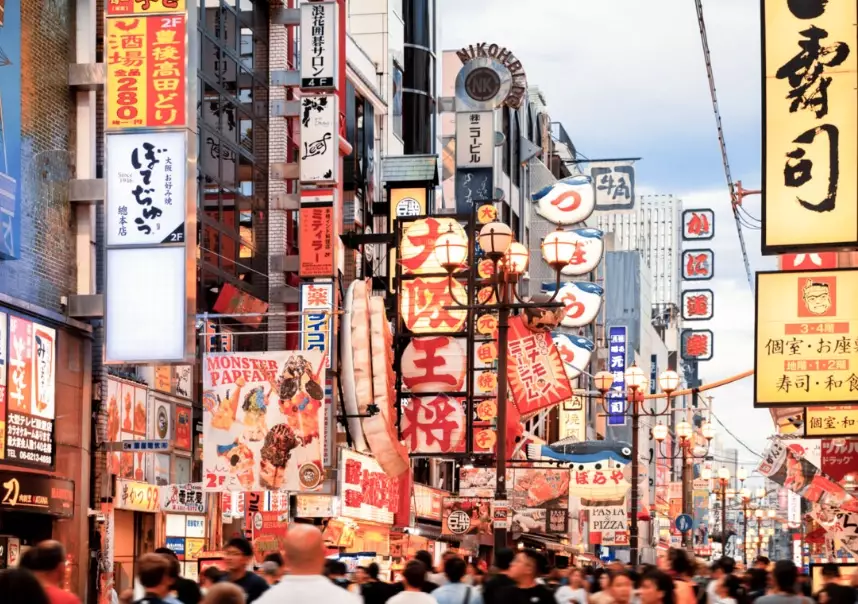
The main strip under the tower is lined with kushikatsu joints, all claiming to be the original. The most famous is Daruma, with its scowling mascot. It's good, but it's also a magnet for tour groups. For a more authentic feel, wander the backstreets. Look for places filled with older locals quietly drinking beer. Yakitori (grilled chicken skewers) is also a star here, often overlooked by visitors hyper-focused on kushikatsu.
Shinsekai is also cheaper than Dotonbori. You can have a full meal of 8-10 skewers and a beer for under ¥2,000. The vibe is less frantic, more neighborhood.
Kuromon Ichiba: The 600-Meter-Long Kitchen
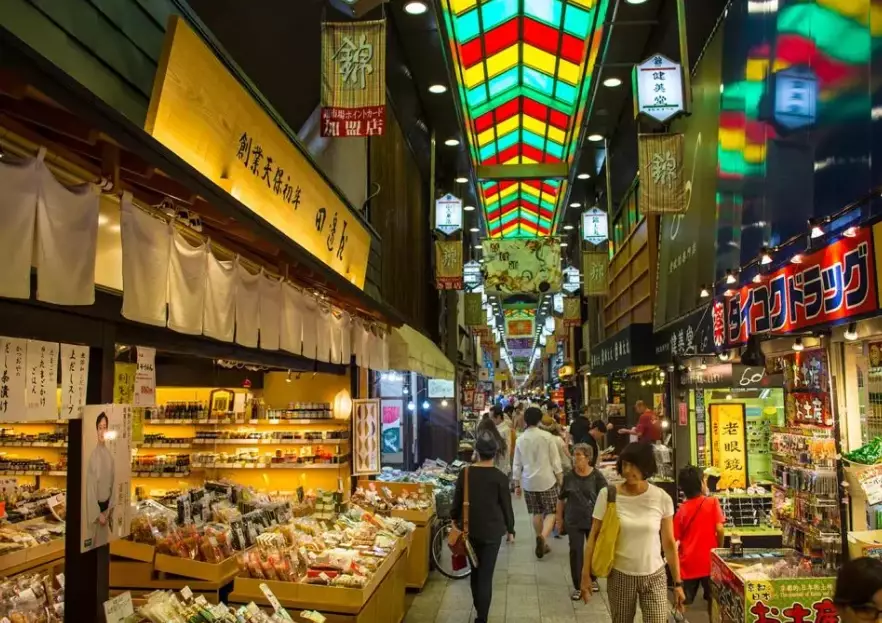
Nicknamed "Osaka's Kitchen," Kuromon Ichiba is a covered market street stretching over 600 meters. This isn't just street food; it's a working market where chefs buy their fish. The quality here is a notch above.
The key is to go deep. The first 100 meters are tourist-central, with fruit samples and pre-packaged snacks. Keep walking. The middle section is where you'll find incredible sushi and sashimi bowls (kaisendon) made with fish so fresh it was swimming that morning. Look for stalls with uni (sea urchin) and otoro (fatty tuna).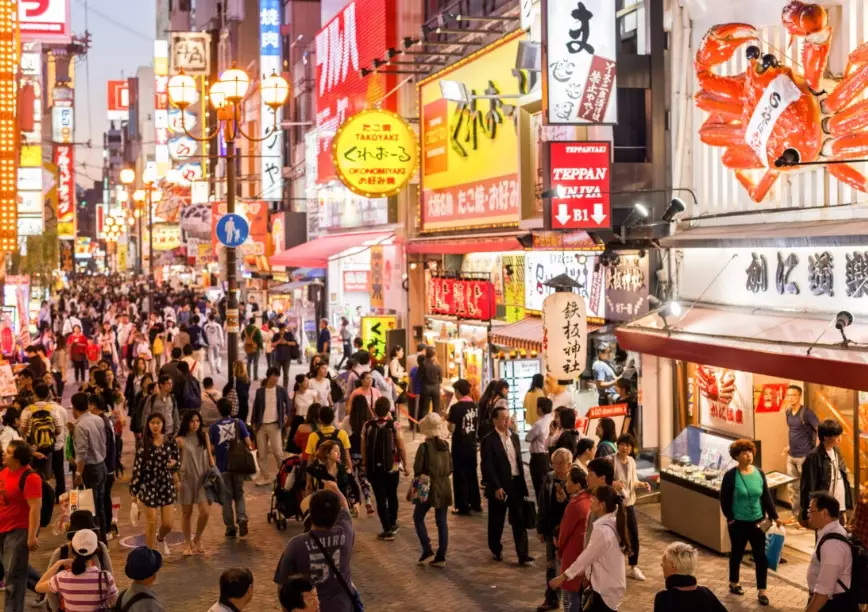
- Must-Eat: Grilled scallops on the half-shell with butter, giant oysters (in season), and Kobe beef skewers. Yes, you can get actual Kobe beef here for a fraction of a restaurant price.
- Watch Out: Some stalls add a 10% "tourist tax" if you eat on the spot versus taking away. It's usually posted, but not always. It's often worth it for the immediacy.
It's crowded, narrow, and you'll be eating while standing at a tiny counter, but that's part of the experience.
Beyond the Classics: Hidden Gems & Local Haunts
If you want to escape the well-trodden path, Osaka has endless options. Most guides don't mention these because they're not "iconic" enough, but they're where the city's true character shines.
Tenjinbashashi Shopping Street
The longest shopping street in Japan (2.6 km!). The northern sections, away from the subway exits, are where locals shop. You'll find family-run stalls selling agemochi (fried rice cakes), korokke (croquettes), and obscure local sweets. It's raw, unpolished, and incredibly cheap.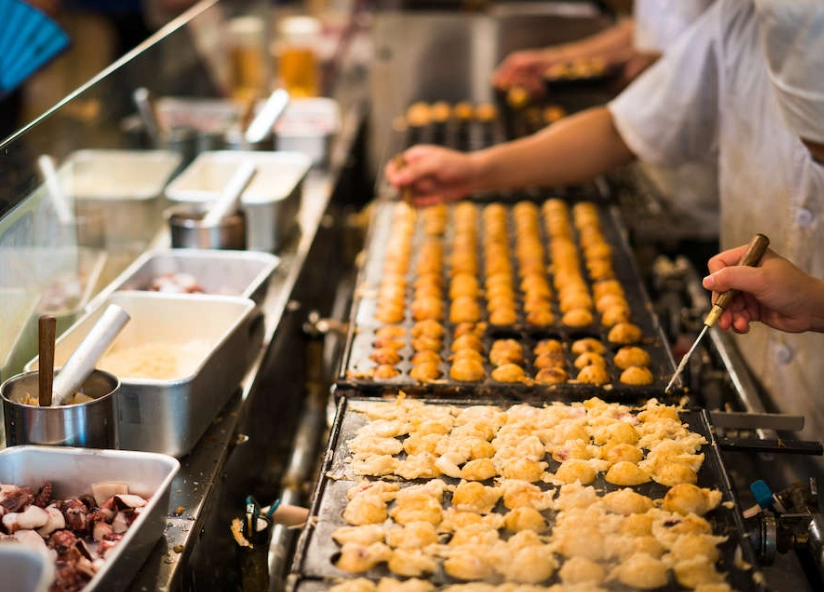
America-mura (Ame-mura)
Known for fashion, but its back alleys hide fantastic, tiny food stands. Look for fusion takes—like takoyaki with cheese or kimchi. It's where younger Osakans grab a quick, innovative bite.
Local Festival Streets (Shotengai) Near Stations
Every major station (Tennoji, Namba, Umeda) is connected to a network of covered shopping streets. Wander into any of them around lunchtime. You'll find standing soba shops, tempura counters, and bakeries selling melon pan. No English menus, just point and eat. This is daily life.
How to Navigate Osaka's Street Food Like a Pro
Knowing the locations is half the battle. The other half is strategy.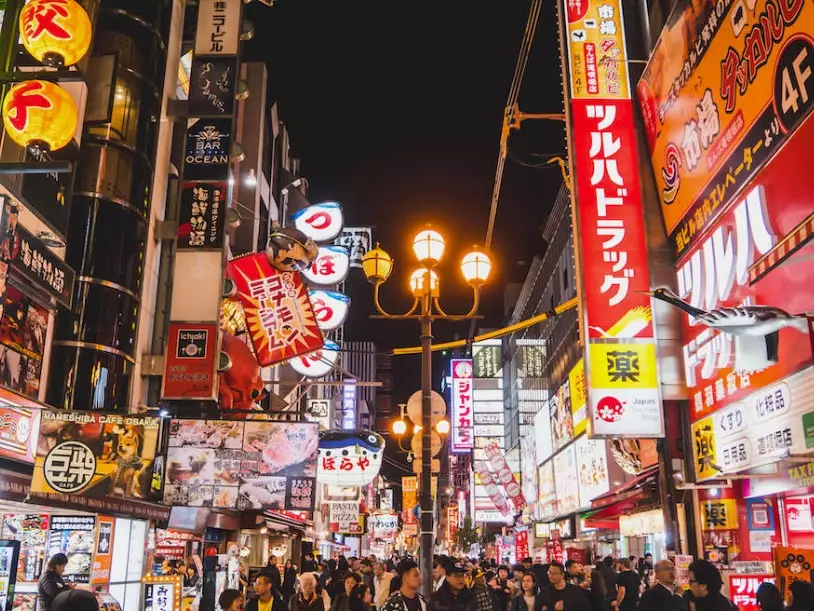
Cash is King. I can't stress this enough. 90% of stalls, especially the good ones in Shinsekai and back alleys, are cash-only. Get yen from an ATM (7-Eleven ATMs are most foreigner-friendly) and break it into ¥1,000 notes and coins.
The Sharing Principle. Don't fill up on one thing. Osaka street food is a marathon, not a sprint. Buy one portion, share it with your companion, and move to the next stall. This is how you experience the variety.
Trash Disposal. Japan has almost no public trash bins. You'll be handed your food in a wrapper or on a stick. The unspoken rule is to eat near the stall you bought it from and hand the trash back to them, or use the small bin often attached to their cart. Don't just walk away with it.
Timing. Late afternoon (3-5 PM) is golden. Stalls are open, lines are manageable, and you can segue right into dinner. Many stalls, especially in markets, close by 6 or 7 PM. Dotonbori is the exception, buzzing until late.
My Personal Rule: I always follow the salarymen. If a tiny, unmarked stall has a couple of guys in suits grabbing a quick skewer and a beer before their train home, that's where I'm going. They know the good, cheap, fast spots better than any guidebook.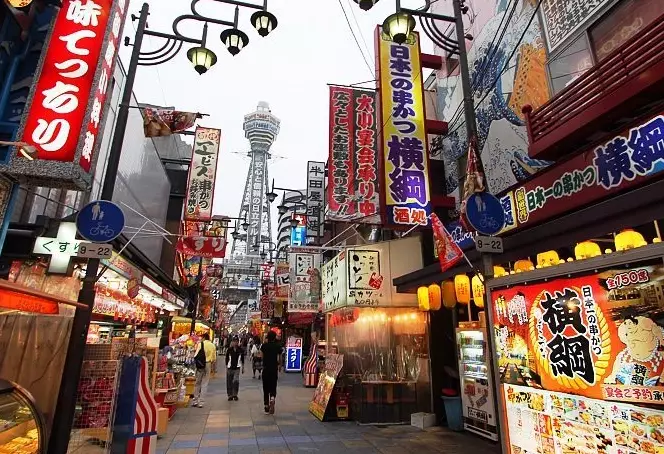
Your Osaka Street Food Questions, Answered
So there you have it. A map not just of places, but of experiences. Osaka's street food scene is a living, breathing entity. Don't just eat—observe the rhythm, follow the locals, dip your skewer only once, and let the city's chaotic, generous spirit fill you up. Your search for the perfect Osaka street food location ends the moment you step into the flow and take that first, delicious bite.

Share Your Thoughts