Tokyo's vegan fine dining scene isn't just an alternative; it's a destination in itself. Forget the old notion that plant-based food in Japan is limited to salads and tofu. What's emerged is a sophisticated, deeply creative culinary landscape that reinterprets Japanese precision and seasonality through a vegan lens. I've spent years exploring these kitchens, from hidden omakase counters to Michelin-recognized establishments, and the evolution has been astounding. The real story isn't just about removing animal products—it's about building astonishing flavor, texture, and artistry from plants, seaweed, and fungi. This guide cuts through the hype to show you where to find the truly exceptional experiences, how to navigate them, and what you're really in for.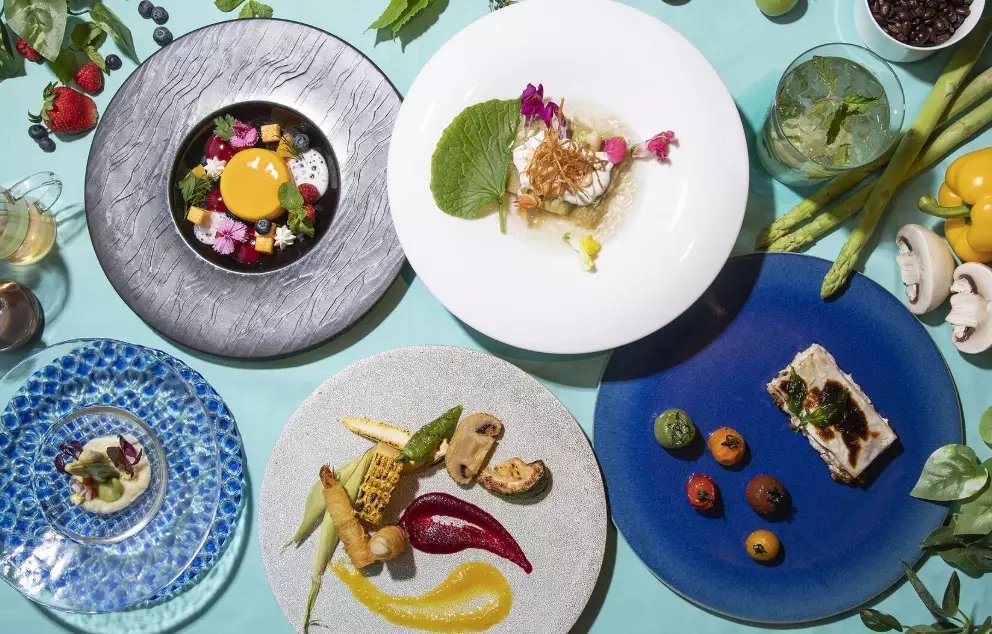
What's Inside This Guide
What Makes Vegan Fine Dining in Tokyo Unique?
You might think veganism clashes with a cuisine known for dashi (fish stock) and katsuobushi (bonito flakes). That's the common misconception. The best chefs here see it as a creative constraint that unlocks innovation. They dive deep into Japan's vast pantry of vegetables, mountain herbs, wild grasses (sansai), fermented beans, and myriad types of seaweed and koji.
The approach often falls into two camps.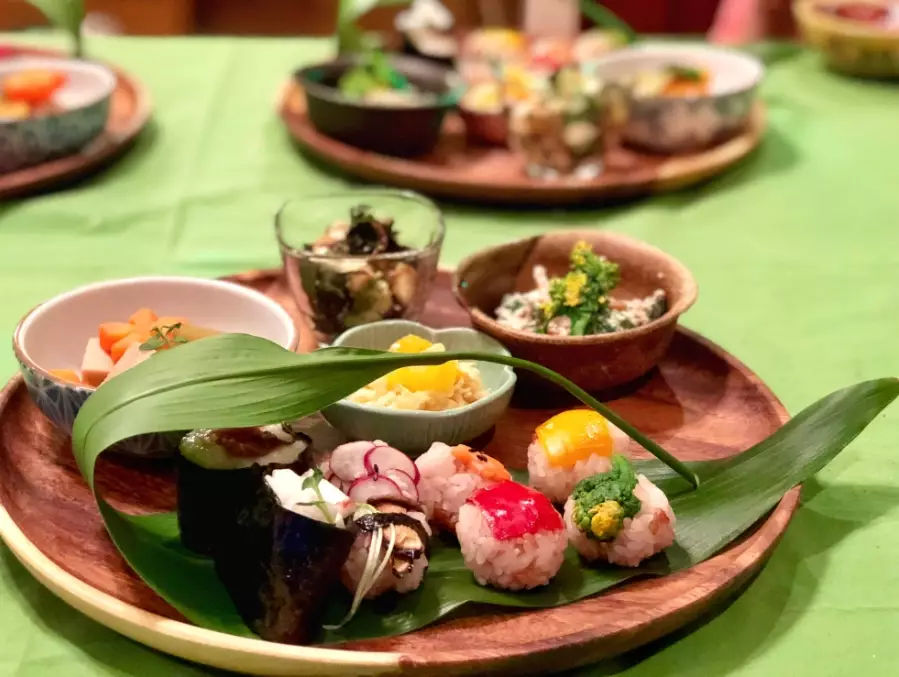
Vegan Kaiseki: The Art of Japanese Seasons
This is where tradition meets reinvention. Kaiseki is the ultimate expression of seasonal Japanese cuisine, a multi-course meal balancing taste, texture, and appearance. Vegan kaiseki masters replace the customary fish and meat with ingredients like walnut "unagi" (eel), lotus root "scallops," and mushrooms prepared with techniques that mimic the umami depth of dashi. The presentation is just as meticulous—every plate is a miniature landscape. Eating a vegan kaiseki meal in autumn, for instance, means experiencing the deep, earthy flavors of matsutake mushrooms and sweet potatoes in ways you never imagined.
Global Fusion with a Japanese Soul
The other path is less about strict tradition and more about global techniques applied to Japanese ingredients. Think a delicate tomato tartare with wasabi oil, or a risotto made with Japanese rice and yuzu. These restaurants feel cosmopolitan but are grounded in a profound respect for local produce. The chefs often have training in European kitchens but choose to spotlight what grows in Chiba or Shizuoka.
A note on expectations: Don't walk in expecting a "burger and fries" vegan experience. The joy here is in subtlety and discovery. Flavors can be delicate, clean, and nuanced. It's a meal that engages your mind as much as your palate. And yes, it can be expensive—this is fine dining, after all. But the value lies in the craftsmanship, the rarity of ingredients, and the sheer novelty of the experience.
Top Vegan Fine Dining Restaurants in Tokyo
Based on consistent quality, creativity, and that elusive "wow" factor, here are three establishments that define the current scene. I'm excluding places that are purely vegetarian with dairy/egg options; this list is strictly vegan.
| Restaurant Name | Concept & Must-Try Dish | Location & Details | Price Range & Booking |
|---|---|---|---|
| Saido | Vegan Creative Kaiseki. The "Sakura Tofu" (made from cherry blossoms and white sesame) is legendary for its texture and delicate flavor. Their seasonal vegetable tempura is the lightest you'll ever have. | Jiyugaoka. A quiet, minimalist 8-seat counter. Address: 2-25-17 Jiyugaoka, Meguro-ku. Closest station: Jiyugaoka (Tokyu Toyoko/Oimachi Lines). Dinner only: 6 PM & 8:30 PM seatings. | ¥15,000 - ¥20,000 per person. Reservations are mandatory and open 60 days in advance via their official website. They sell out fast. |
| AW Kitchen | Vegetable-Forward French. Chef Atsushi Watanabe's signature is a stunning "Vegetable Chartreuse"—a layered terrine of seasonal roots and herbs in a crystal-clear consommé. | Nishi-Azabu. Elegant, modern dining room. Address: 1F, 4-2-15 Nishi-Azabu, Minato-ku. Closest station: Roppongi or Hiroo. Open Tue-Sat, Lunch & Dinner. | Lunch from ¥8,000, Dinner from ¥18,000. Book via phone or a concierge service like Pocket Concierge. Walk-ins are not accepted. |
| T's Restaurant (at Grand Hyatt Tokyo) | Luxurious Global Vegan. Known for their exquisite tasting menu. The "Foie Gras" made from walnuts and mushrooms is a conversation starter, both in flavor and ethical cleverness. | Roppongi Hills. Part of the famous T's family. Address: Grand Hyatt Tokyo, 6-10-3 Roppongi, Minato-ku. Closest station: Roppongi. Open daily for Lunch & Dinner. | Lunch from ¥5,500, Dinner Tasting Menu ¥16,500. Easier to book than the others. Reservations via hotel website or major platforms like TableCheck. |
Saido is the purist's dream—intimate, challenging, and deeply connected to the kaiseki form. AW Kitchen feels like a special occasion spot with its refined French techniques. T's Restaurant offers the most accessible high-end experience, perfect if you're new to this or want a guaranteed stellar meal without a months-long wait.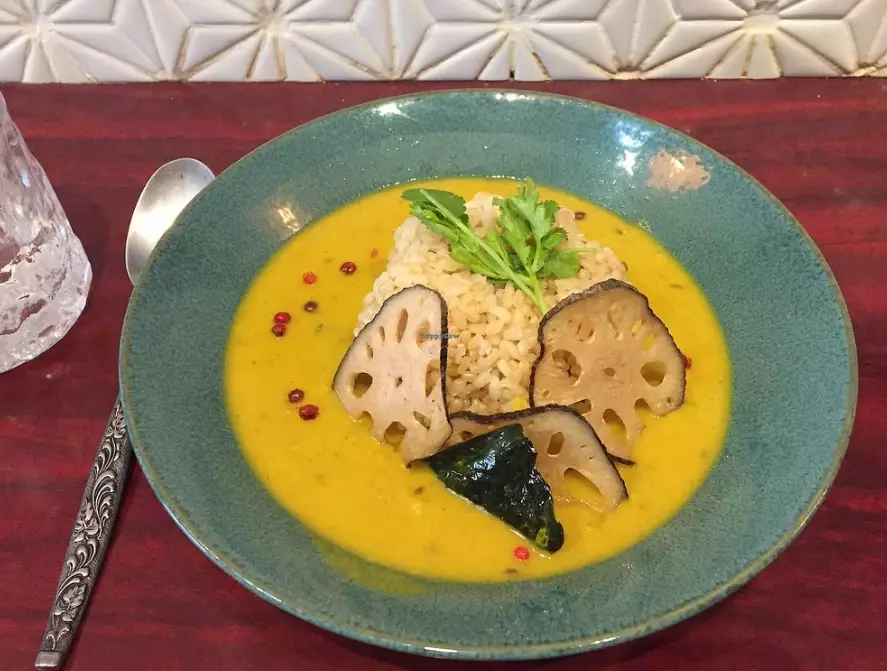
There's a fourth category worth mentioning: non-vegan fine dining restaurants with exceptional vegan options. Places like Narisawa or Kikunoi (a legendary Kyoto kaiseki house with a Tokyo branch) can often prepare an entire vegan kaiseki if you request it at least one week in advance when booking. This requires a clear phone call or email in English (the hotel concierge can help). It's more expensive and logistically tricky, but it unlocks otherwise inaccessible temples of Japanese cuisine.
How to Navigate Tokyo's Vegan Fine Dining Scene
Getting a seat is half the battle. Here’s the unvarnished truth on how to actually make it happen.
Booking is a Blood Sport. For the top-tier, exclusive spots like Saido, the reservation opens online at a specific time (often 10 AM JST). You need to be ready with your credit card, a Japanese phone number (sometimes a hotel number works), and fast fingers. It’s like buying concert tickets for a superstar.
For others, email or a phone call (in simple English or with Google Translate handy) works. The single most useful phrase is: “Watashi wa beegan desu. Beegan menyu wa arimasu ka?” (I am vegan. Do you have a vegan menu?).
Use Your Hotel Concierge. This is the pro-move. A good concierge at a mid-to-high-end hotel has relationships and can often secure seats that seem impossible to get online. Tip them well for this service.
Budget Realistically. A full vegan kaiseki or tasting menu with a drink pairing in Tokyo will run you ¥18,000 to ¥30,000 per person. Lunch is almost always a more affordable way to experience the same kitchen, often at half the price.
Communicate Clearly, Even After Booking. Once you have a reservation, contact the restaurant again to confirm your vegan dietary requirements. Specify no meat, fish, seafood, dairy, eggs, or honey (choumiryou/ちょうみりょう). Mention if you avoid alcohol-based vinegars or specific allergens. I’ve seen misunderstandings happen at the last minute because this step was skipped.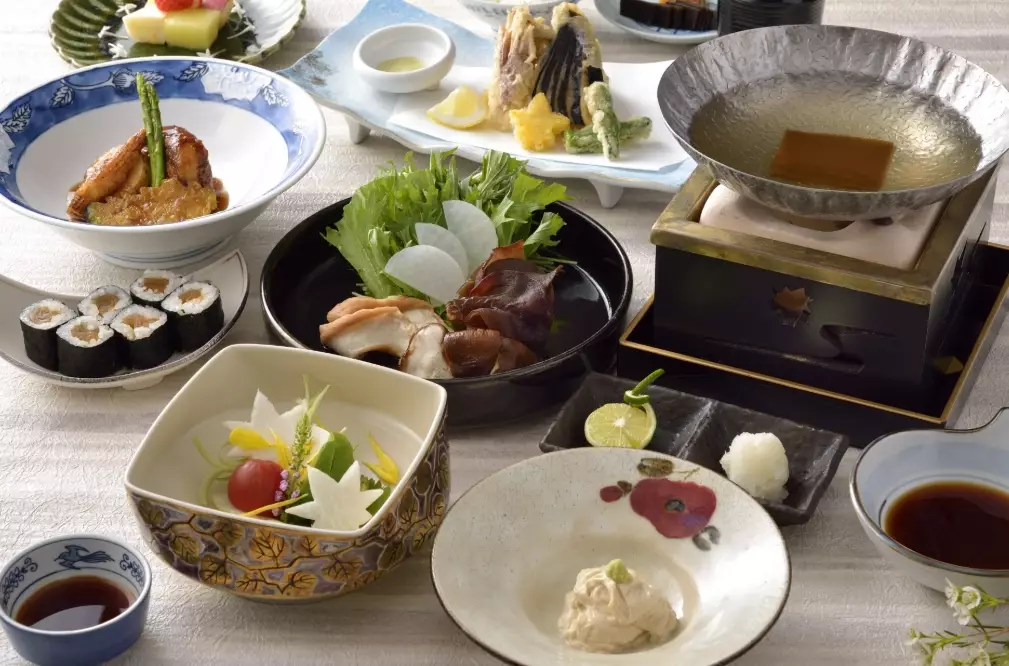
Vegan Fine Dining FAQs for Tokyo
 What's a common mistake first-timers make when trying vegan fine dining in Tokyo?

Share Your Thoughts