You're at Kyoto Station, ticket in hand, about to board the sleek Shinkansen. The excitement is real. But there's one essential pre-departure ritual you can't miss: picking up a Kyoto ekiben. These aren't just packed lunches; they're edible souvenirs, a final taste of the ancient capital's culinary soul before you zoom away at 300 km/h. Forget the generic sandwiches. A proper Kyoto bento is a miniature work of art, featuring seasonal delicacies, often presented in beautiful lacquerware-like boxes you'll want to keep. I've spent years riding these rails and tasting these boxes, and I'm here to tell you which ones are worth the hype and how to navigate the sometimes overwhelming choices.
Your Kyoto Ekiben Journey at a Glance
Why Kyoto Ekiben Are In a League of Their Own
Every region in Japan has its station lunch, but Kyoto's feel different. It's the history. For centuries, Kyoto was the imperial capital, and its cuisine (Kyo-ryori) developed with a focus on subtlety, seasonality, and beautiful presentation—influences from elaborate court cuisine and Zen temple vegetarian fare. This philosophy translates directly into their ekiben.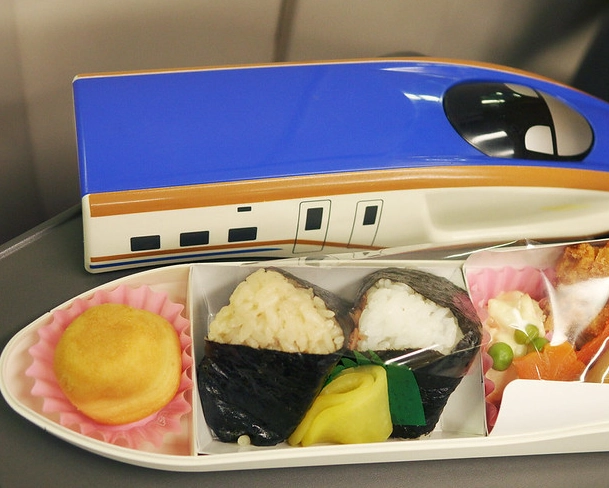
You'll notice a heavier emphasis on vegetables, often prepared in delicate ways like simmering (nimono) or dressed with light vinegars. Fish might be elegantly grilled or delicately sashimi-style. Even the rice is special—sometimes cooked with seasonal dashi broth or mixed with ingredients like chestnuts. The packaging is another level. Many come in beautiful, reusable containers modeled after traditional jubako (stacked lacquer boxes) or decorated with motifs from Kyoto's famous textiles or scenery.
The subtle mistake most first-timers make: They go for the biggest box or the one with the most colorful picture. In Kyoto, often the simpler, more elegant boxes contain the most refined and authentic flavors. A small box of perfectly seasoned saba sushi (mackerel sushi) can be a more profound Kyoto experience than a large assortment of fried items.
The Must-Try Kyoto Shinkansen Bento Boxes
Navigating the ekiben stalls can be dizzying. Here’s a breakdown of the classics and my personal standouts, based on flavor, authenticity, and that “wow” factor.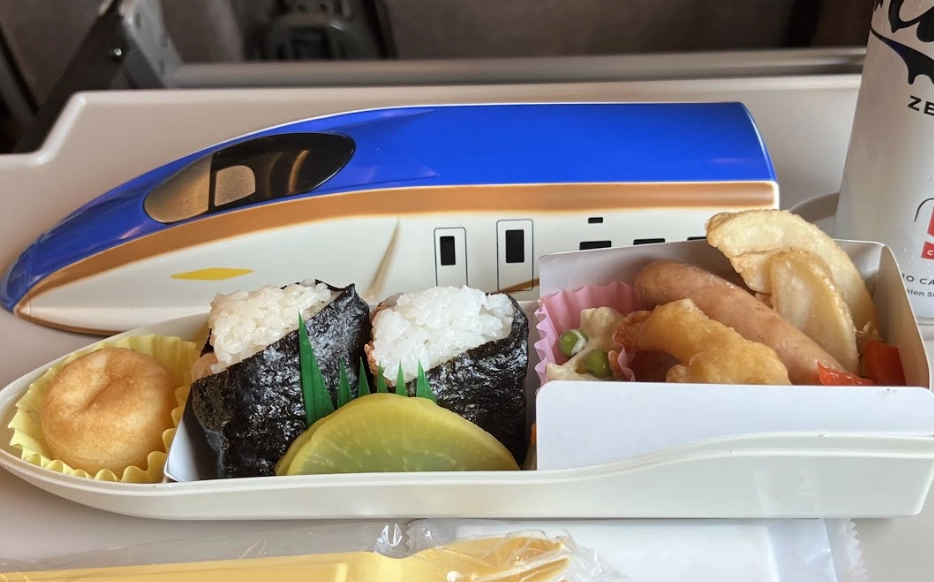
1. Kyo-no-Miyako Bento (京の都弁当)
Consider this the definitive introduction to Kyoto cuisine in a box. It's a perennial bestseller for a reason. The rectangular box is divided into compartments showcasing a variety of classic Kyo-ryori dishes. Expect delicate flavors like dashi-maki tamago (savory rolled omelet), simmered bamboo shoot, a slice of teriyaki fish, some pickles, and vinegared vegetables. It’s balanced, not too heavy, and gives you a perfect tour of flavors. Price is usually around 1,200 to 1,500 yen. Find it at almost any major ekiben shop in Kyoto Station, like Ekibenya Matsuri or Kyoto Ramen Street area shops.
2. Saga no Kyo Ryori (嵯峨の京料理)
This one is for the aesthetics lover. The box itself is gorgeous, often made to look like black lacquerware. Inside, the food is arranged with incredible care, resembling a miniature kaiseki (traditional multi-course meal). The ingredients are premium and hyper-seasonal. In autumn, you might find a sliver of grilled sanma (saury) and a sweet potato garnish; in spring, perhaps takenoko (bamboo shoot) and cherry leaf. It’s more expensive (often 1,800-2,500 yen) and sometimes sold in limited quantities. Your best bet for this is the dedicated ekiben counters inside the Isetan Department Store attached to Kyoto Station.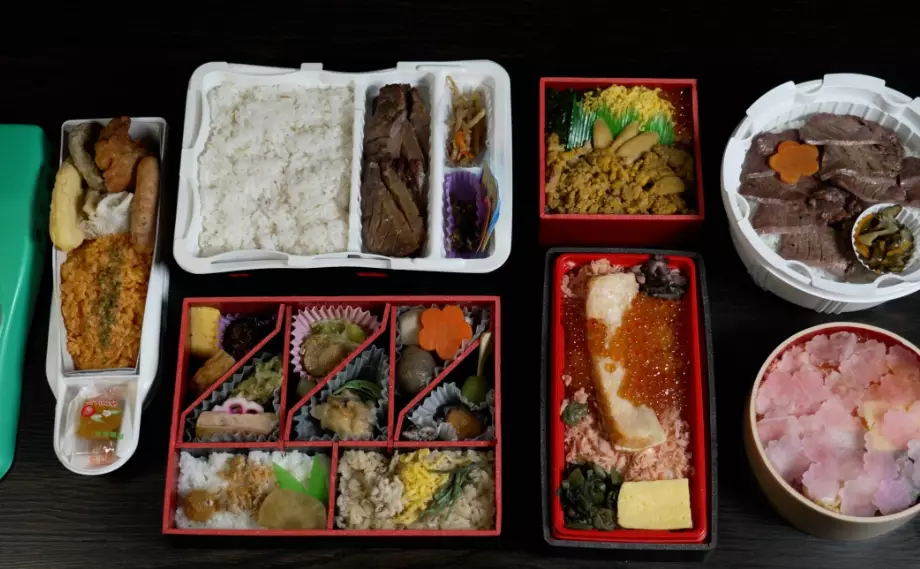
3. Tori-Meshi (鶏めし)
Don't overlook the simple ones. This is a humble but utterly delicious box of rice cooked with chicken, shiiitake mushrooms, and savory seasonings. It’s the Japanese equivalent of a fantastic chicken and rice dish—comforting, deeply flavorful, and incredibly satisfying. I always grab one if I see it. It’s also one of the more affordable options (around 800-1,000 yen). Look for it at stalls like Ekibenya Matsuri.
Here’s a quick comparison to help you decide:
| Bento Name | Best For | Key Flavors/Features | Approx. Price | Where to Find |
|---|---|---|---|---|
| Kyo-no-Miyako Bento | First-timers, variety seekers | Assorted classic dishes, balanced, elegant | ¥1,200 - ¥1,500 | Ekibenya Matsuri, general stalls |
| Saga no Kyo Ryori | Special occasions, foodies, presentation | Seasonal kaiseki-style, premium ingredients | ¥1,800 - ¥2,500 | Isetan Dept. Store ekiben counters |
| Tori-Meshi | Comfort food, simplicity, value | Savory chicken & mushroom rice | ¥800 - ¥1,000 | Ekibenya Matsuri |
| Saba Sushi Bento (Mackerel Sushi) | Lovers of vinegar flavors, lighter meal | Pressed mackerel sushi, tangy, historic | ¥1,000 - ¥1,300 | Specialty sushi bento stalls |
Where & How to Buy Your Kyoto Ekiben: A Step-by-Step Guide
Kyoto Station is a labyrinth. Knowing where to go saves precious time before your train.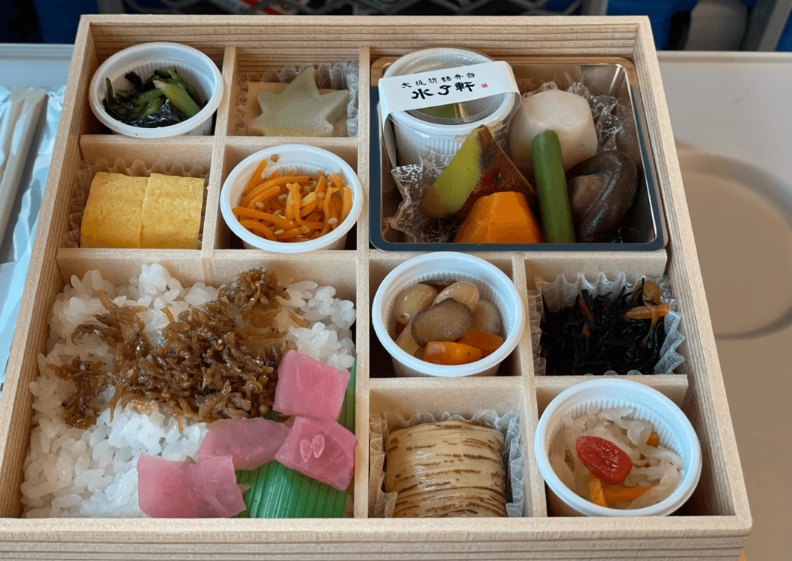
The Main Hunting Grounds
Ekibenya Matsuri (駅弁屋 祭): This is the flagship ekiben paradise. It’s not just for Kyoto; it’s a massive shop selling hundreds of bento from all over Japan. The Kyoto section is huge and well-labeled. It’s located on the central concourse level (2nd floor) of the main station building, near the Shinkansen ticket gates. This is your one-stop shop if you're overwhelmed—just look for the crowd.
The Isetan Department Store Basement (Depachika): The food basement (depachika) of Isetan is a culinary wonderland. Head here for the higher-end, artisan Kyoto ekiben like the Saga no Kyo Ryori. The selection is more curated and upscale. Find the entrance inside the station or from Karasuma Street.
Shops along the “Ramen Street”/Cube Area: The area known for ramen restaurants also has several smaller, excellent ekiben vendors. They sometimes carry unique, chef-collaboration boxes.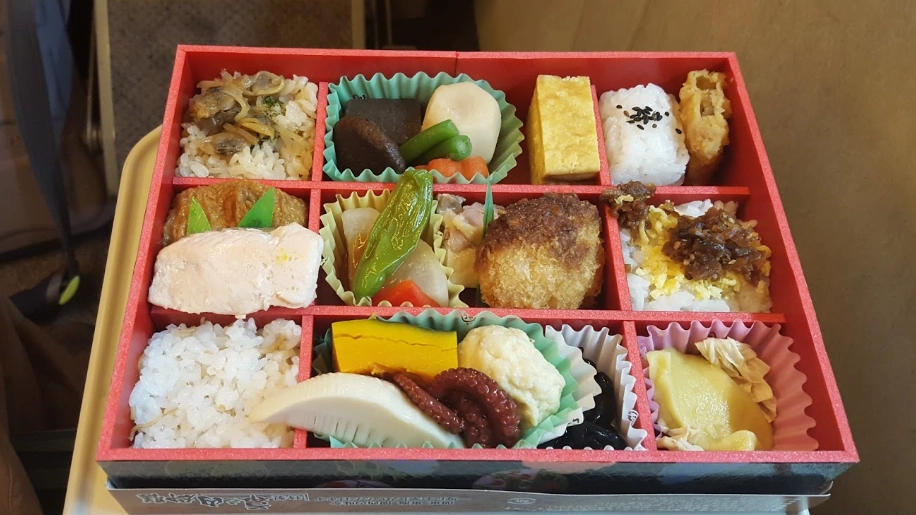
The Buying Process & Timing
This is critical. The most popular bento sell out, especially on weekends and during peak travel seasons (Golden Week, Obon, New Year).
- Arrive Early: Get to the station at least 60-90 minutes before your Shinkansen departure. Use 30 minutes to browse and buy your bento without panic.
- Buy Before You Board: Once you pass through the Shinkansen ticket gates, your options plummet to maybe one or two small kiosks with a limited selection. Always buy in the main station area.
- Carry Small Change: While cards are increasingly accepted, some smaller stalls prefer cash. Having some yen on hand is smoother.
- Check for Temperature Labels: Bento are either reishoku (cold) or kanshoku (can be kept at room temp). Very few are hot. The label will tell you. Most Kyoto bento are designed to be eaten cold or at room temperature.
Expert Tips for Buying and Eating Your Bento
A few things I've learned the hard way.
Pair it with a local drink. Skip the standard bottled tea. Grab a can of Kyoto-style matcha latte or a bottle of sake from the station convenience store (if you're not driving!). It elevates the experience.
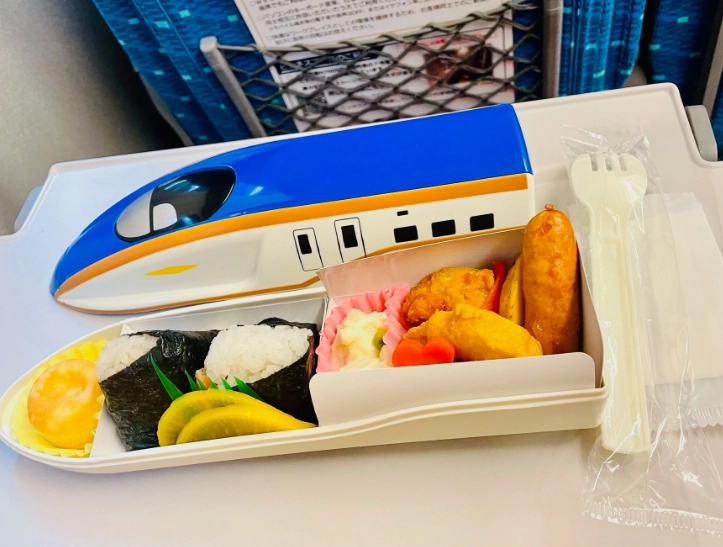
The seat tray is your friend, but be prepared. Shinkansen trays are small. Open your bento carefully. Some elegant boxes have multiple layers. I once nearly spilled an entire tier of pickles into my lap trying to open one on a bumpy section of track. Unpack methodically.
Don't expect steaming rice. This surprises many. The rice in most ekiben is seasoned and meant to be enjoyed at room temperature or cool. It's a different texture and flavor profile—more akin to sushi rice. Embrace it.
What about the box? If it's a particularly beautiful wooden or lacquered-style box, you can absolutely take it home as a souvenir. Just give it a good rinse later. The plastic ones, recycle them at the station or on the train when the attendant comes by with a trash bag.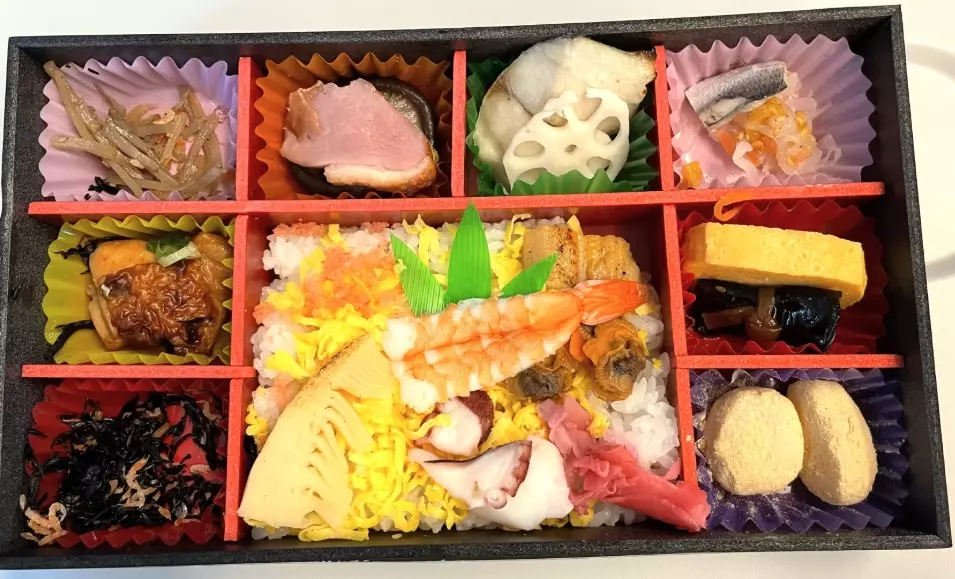
Kyoto Ekiben Questions Answered
I have a tight connection at Kyoto Station—where is the absolute fastest place to grab a famous Kyoto bento?
Head straight to Ekibenya Matsuri on the 2nd floor central concourse. It's the largest collection in one spot. If the line is long, look for the smaller satellite stalls nearby with similar selections. Avoid going to the Isetan basement if you're under 20 minutes; it's a longer walk and the choices, while excellent, require more browsing.
Can I pre-order a specific Kyoto ekiben for my Shinkansen trip?
Generally, no, for regular travelers. These are first-come, first-served retail items. However, some high-end department stores (like Isetan) may take advance orders for extremely premium sets during peak gift-giving seasons, but this is not the norm for same-day travel. Your best strategy is early arrival.
Are there any Kyoto ekiben suitable for vegetarians?
This is a major challenge. Traditional Kyoto bento often use dashi (fish stock) in simmered dishes and rice. Strict vegetarians or vegans will find options extremely limited. Your best bet is to look for shojin ryori (Buddhist temple cuisine) inspired bento, but they are rare at standard stations. You might have better luck seeking out a specialty shop in the city center before heading to the station. Always check the ingredient list (genryo) carefully.
My Shinkansen trip from Kyoto is only an hour long. Is it still worth getting an ekiben?
Absolutely, but strategy changes. Opt for a bento that's easy to eat quickly and doesn't have many small parts. Tori-Meshi or a simple sushi bento are perfect. Avoid the multi-tiered, intricate sets meant for leisurely enjoyment on longer journeys to Hokkaido or Fukuoka. The experience of eating a local specialty while watching the scenery blur by is a core part of the Shinkansen charm, even on a short ride.




Share Your Thoughts