Planning a Japan winter itinerary for 14 days is the perfect way to see the country in a completely different light. Forget the cherry blossoms for a moment. Winter brings crisp air, steaming hot springs nestled in snowy landscapes, dazzling city light displays, and some of the best seasonal food you'll ever taste. It's a quieter, more reflective, and incredibly beautiful time to visit.
I've traveled to Japan in winter several times, and each trip reveals something new. The first time, I made the classic mistake of underestimating how cold it gets inside some older buildings. Let's just say I bought a lot of heat-tech underwear in a hurry. This itinerary is built from those experiences, designed to give you the magic without the mishaps.
Your Winter Japan Journey at a Glance
Why Winter is a Secret Winner for Japan Travel
Most first-timers aim for spring or autumn. That's their loss. Winter (December to February) offers advantages you won't find any other time.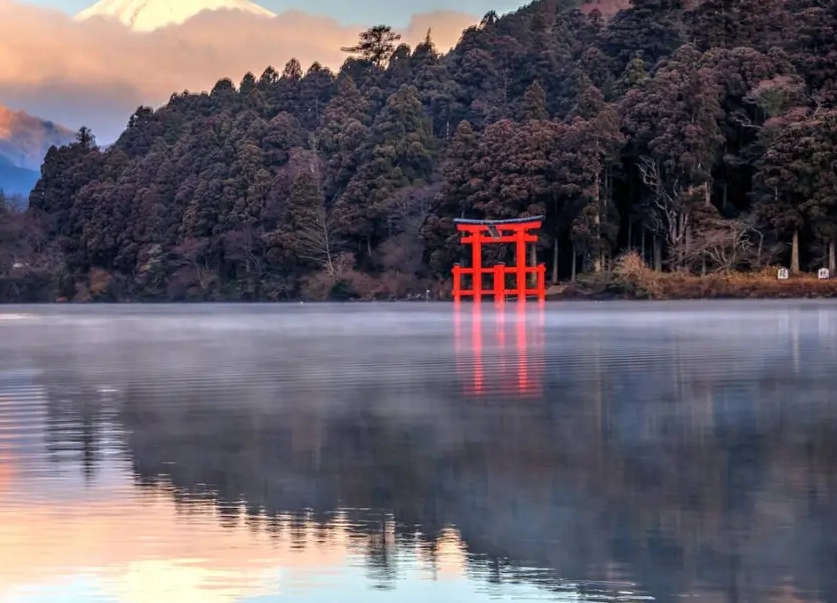
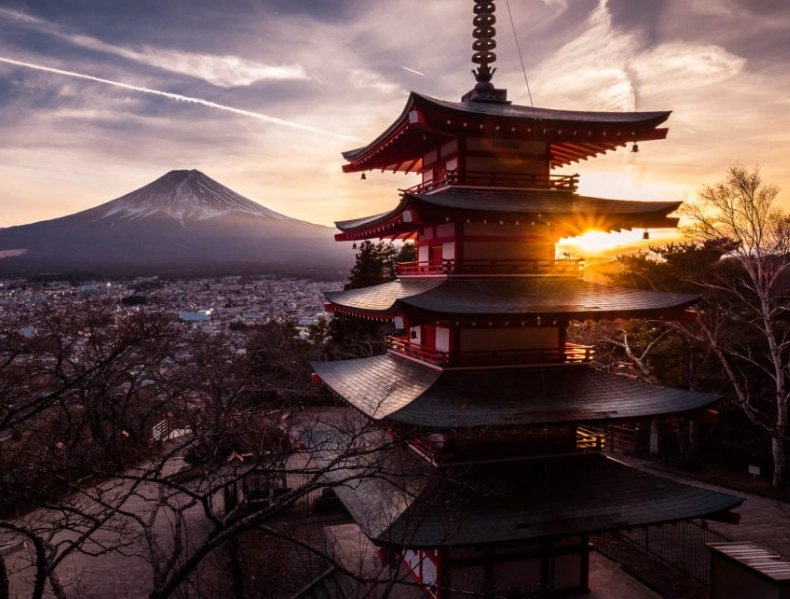
Crowds are thinner at major attractions like Kyoto's Kinkaku-ji or Tokyo's Senso-ji. You can actually enjoy the serenity of a temple garden without being elbow-to-elbow with tour groups. The air is piercingly clear, offering stunning views of Mount Fuji, which is often hidden by haze in other seasons.
Then there are the winter exclusives. The Sapporo Snow Festival is world-famous, but even smaller towns have charming yuki matsuri (snow festivals). Cities transform into wonderlands of winter illuminations – places like Tokyo's Roppongi Hills or Osaka's Midosuji Boulevard are breathtaking. It's also the prime season for kani (snow crab), fugu (pufferfish), and hot pots like shabu-shabu. And nothing beats sinking into a steaming outdoor onsen (hot spring) while snowflakes land on your head.
Before You Go: Key Winter Trip Preparations
A smooth winter trip hinges on a few crucial preparations. Get these right, and you're golden.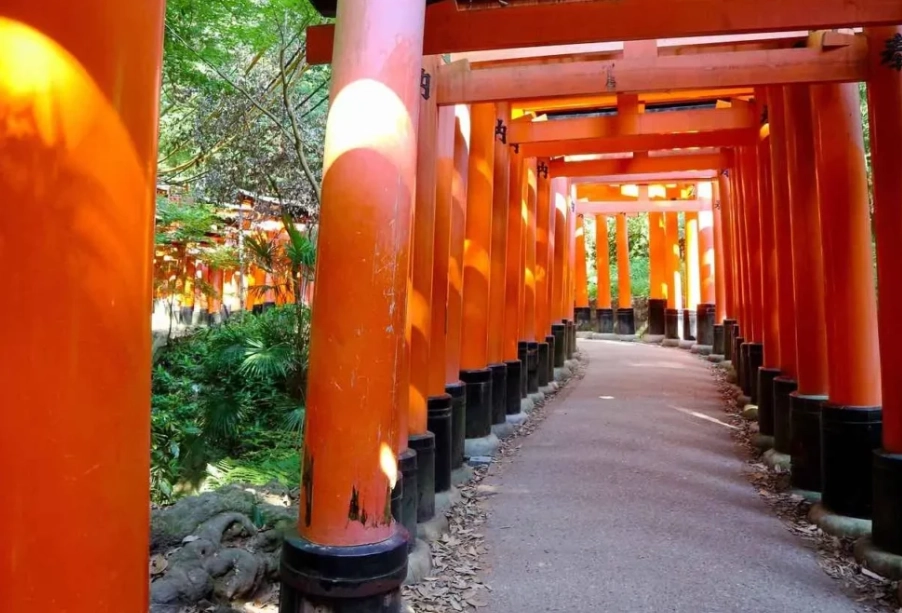
Transport: The JR Pass Math
The 14-day Japan Rail Pass is a big investment. For this specific itinerary, you need to do the math. The pass costs around ¥80,000. Let's check the major legs: Tokyo to Kyoto (Shinkansen) is about ¥14,000, Kyoto to Osaka is minimal, Osaka to Kanazawa via Thunderbird is ¥7,500, Kanazawa to Tokyo via Hokuriku Shinkansen is ¥15,000. That's already ¥36,500. Add local JR trains in Tokyo, maybe a trip to Kamakura, and you might hit ¥50,000-¥60,000.
Accommodation: Book These Early
Winter, especially around New Year's and the Sapporo festival, is busy. Book accommodation at least 3-4 months in advance, particularly for ryokan (traditional inns) with private onsens.
- Tokyo: Stay near a major Yamanote Line station like Shinjuku, Shibuya, or Ueno for best connectivity. Business hotels like APA or Dormy Inn offer good value and often have public baths.
- Hakone: This is where you splurge on a ryokan with kaiseki dinner and in-room onsen. Gora Kadan is legendary, but Hakone Ginyu or Senkyoro are also fantastic.
- Kyoto: Consider a machiya (traditional townhouse) stay in the Gion or Higashiyama area for atmosphere. Hotels around Kyoto Station are more convenient for day trips.
The Winter Packing List (Non-Negotiables)
Layers are your religion. A typical day involves cold streets, warm trains, and drafty temples.
- Base Layer: Merino wool or Uniqlo Heattech tops and leggings. Bring multiple.
- Insulation: A warm fleece or down vest.
- Outer Shell: A waterproof and windproof coat with a hood.
- Footwear: Waterproof boots with good grip. Ice can be an issue. Thick socks.
- Accessories: Gloves, a scarf, and a warm beanie. Your ears will thank you.
- Skin Care: Lip balm and hand cream. The indoor heating is very dry.
The 14-Day Japan Winter Itinerary: Day-by-Day Breakdown
This route balances iconic cities, cultural heartlands, and stunning winter scenery, moving at a pace that lets you soak it all in.
| Day | Base | Highlights & Activities |
|---|---|---|
| 1-4 | Tokyo | Arrival, Shinjuku/Shibuya, TeamLab Planets, Winter Illuminations, Day trip to Kamakura |
| 5 | Hakone | Travel to Hakone, Open-Air Museum, Onsen Ryokan stay |
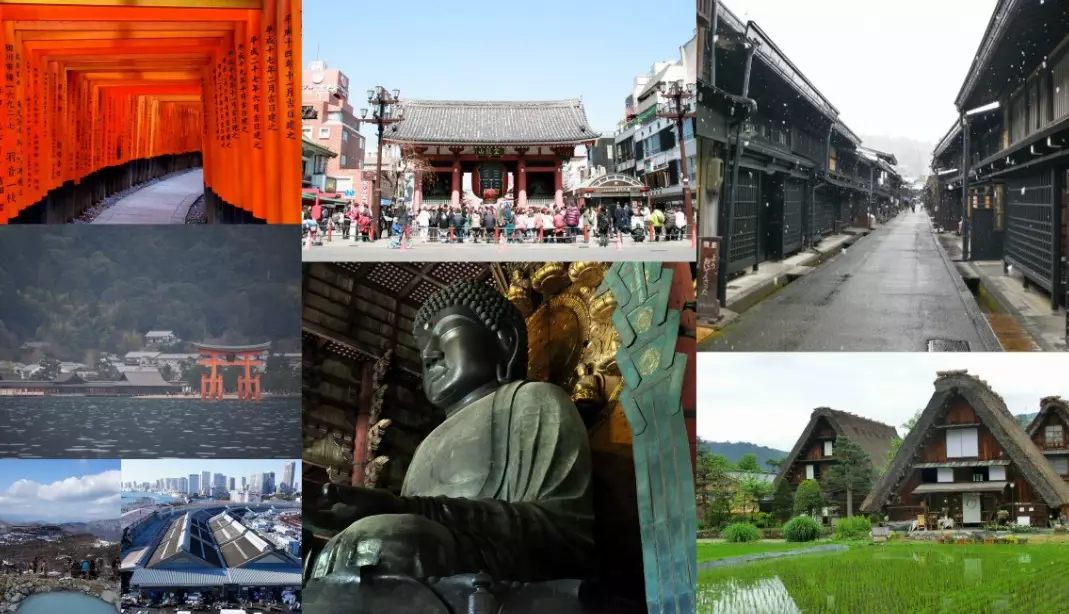
| 6-8 | Kyoto | Fushimi Inari, Kinkaku-ji, Gion, Kiyomizu-dera, Nishiki Market |
| 9 | Osaka | Day trip from Kyoto: Osaka Castle, Dotonbori street food, Umeda Sky Building |
| 10-11 | Shirakawa-go & Kanazawa | Travel to Shirakawa-go (gassho-zukuri villages), overnight in Kanazawa, Kenrokuen Garden |
| 12-13 | Tokyo | Return to Tokyo, Asakusa, Akihabara, final shopping & meals |
| 14 | Departure | Last-minute souvenirs, travel to Narita/Haneda Airport |
Days 1-4: Tokyo & Kamakura - Neon Lights and Ancient Temples
Land at Narita or Haneda. Get your Suica card, maybe a pocket Wi-Fi, and head to your hotel. Don't plan much for Day 1 besides a local dinner – maybe ramen at a spot like Ichiran (multiple locations, open 24/7, around ¥1000).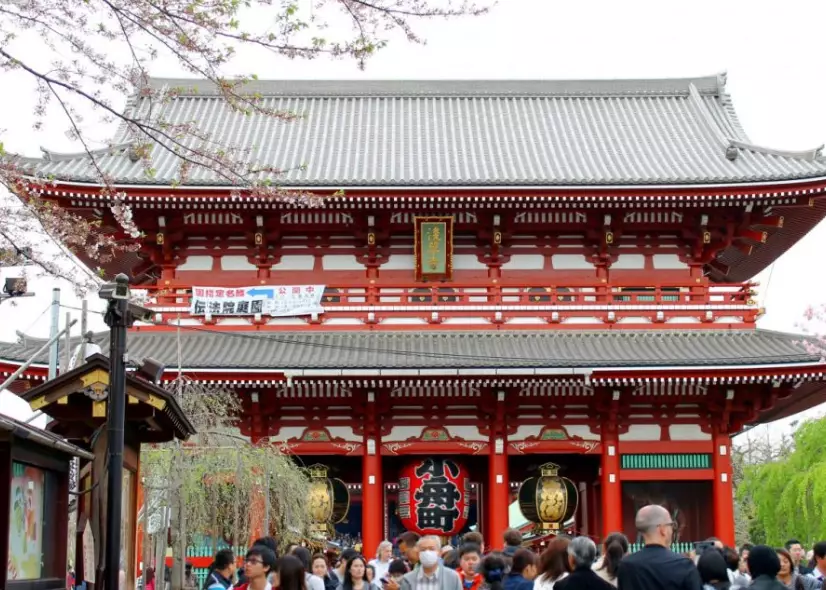
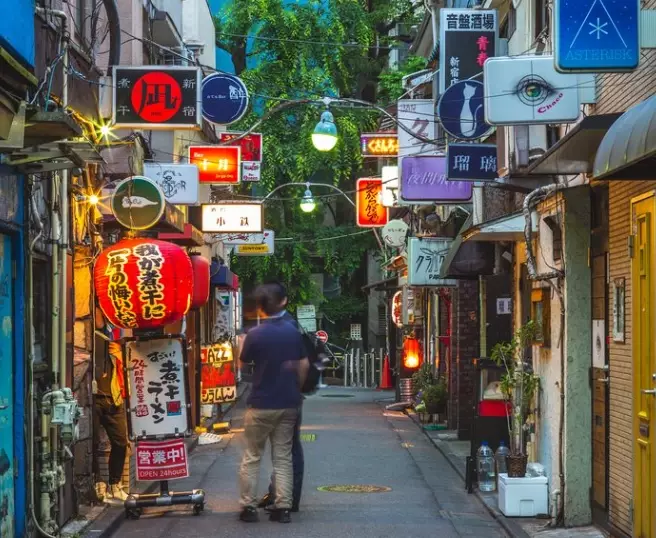
Day 2: Hit the ground running. Shibuya Crossing, Hachiko Statue, then Harajuku for Takeshita Street. In the afternoon, head to Shinjuku. Go up the Tokyo Metropolitan Government Building (free!). At night, experience the Shinjuku Winter Illumination. Dinner in Omoide Yokocho ("Piss Alley") for yakitori.
Day 3: Morning at TeamLab Planets in Toyosu (book tickets weeks in advance). Afternoon in Odaiba. Evening at Roppongi Hills Mori Tower for city views and their spectacular winter illumination event.
Day 4: Kamakura Day Trip. Take the JR Yokosuka Line from Tokyo Station (about 1 hour, ¥950). See the Great Buddha (Daibutsu) at Kotoku-in (¥300). Walk the Komachi-dori shopping street. Hike (or take a taxi) to the beautiful Hase-dera temple. Return to Tokyo for the evening.
Day 5: Hakone - Hot Springs and (Hopefully) Fuji Views
Take the Romancecar from Shinjuku to Hakone-Yumoto (about 85 mins, book a seat). Use the Hakone Free Pass to loop around: cable car up to Owakudani (the volcanic valley with black eggs), pirate ship across Lake Ashi, and a visit to the excellent Hakone Open-Air Museum. The key is to check the Odakyu Railway website for visibility forecasts. If it's clear, you'll get stunning Fuji views. Check into your ryokan by 4-5 PM to enjoy the onsen and a multi-course kaiseki dinner.
Days 6-8: Kyoto - Temples, Gardens, and Geisha Districts
Travel from Hakone to Kyoto via Odawara Station (Shinkansen). Drop bags at your hotel.
Day 6 (Afternoon): Head straight to Fushimi Inari Taisha. It's open 24/7. The later afternoon light is beautiful, and crowds thin out a bit. Walk at least partway up the iconic torii gate path.
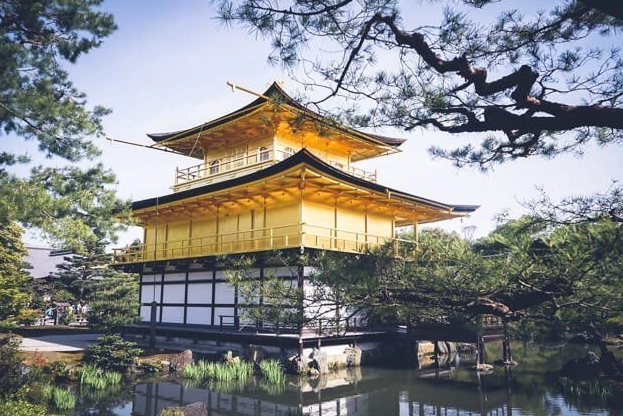
Day 7: Full day of temples. Start early at Kinkaku-ji (Golden Pavilion, ¥400, opens 9 AM). The gold against a possible dusting of snow is unforgettable. Then go to Ryoan-ji for its rock garden. Afternoon at Kiyomizu-dera (¥400). The wooden stage offers great views. Wander down Sannenzaka and Ninenzaka lanes. As dusk falls, head to Gion. You probably won't see a geisha, but the atmosphere is magical with lanterns lit.
Day 8: Morning at Nishiki Market for food samples. Visit Nijo Castle. Consider a yudofu (tofu hot pot) lunch in the Nanzen-ji temple area. Relaxing afternoon.
Day 9: Osaka Day Trip - Castle and Kitchen
It's a quick 30-minute train from Kyoto Station to Osaka Station. Visit Osaka Castle (the museum inside is modern and warm!). Spend the late afternoon and evening in Dotonbori. This is street food heaven: takoyaki, okonomiyaki, kushikatsu. Try Ichiran again here if you want, or go for crab at Kani Doraku. See the famous Glico Running Man sign. For a great (and windy) view, go up the Umeda Sky Building.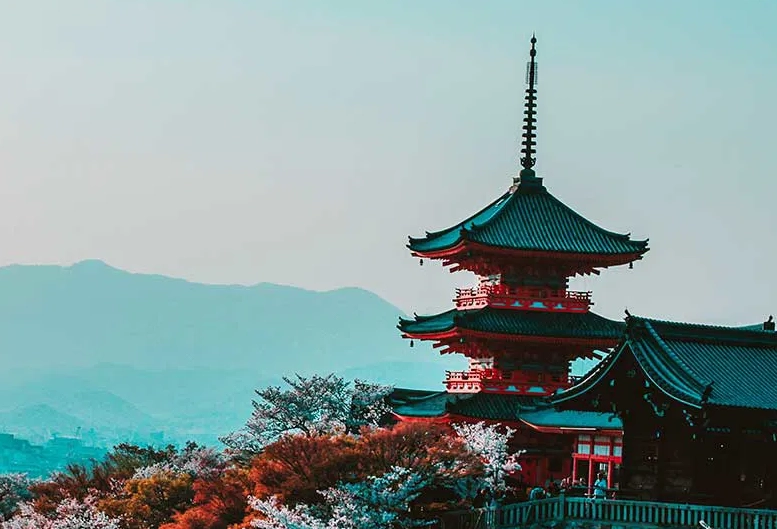
Days 10-11: Shirakawa-go & Kanazawa - Fairy Tale Snow
This is the winter highlight. Take an early bus from Kyoto or Osaka to Shirakawa-go (requires reservation, about 3 hours). These UNESCO World Heritage gassho-zukuri farmhouses with steep thatched roofs look like they're from a storybook under snow. Visit the open-air museum. In the afternoon, take a bus to Kanazawa (about 1.5 hours).
Day 11 in Kanazawa: Visit Kenrokuen Garden, considered one of Japan's top three gardens. In winter, they put up yukitsuri – ropes tied in a conical shape to protect trees from heavy snow. It's stunning. Explore the Nagamachi Samurai District and the Omicho Market for fresh seafood. Kanazawa is a major hub for gold leaf – try gold leaf ice cream!
Days 12-13: Back to Tokyo - Final Explorations
Take the Hokuriku Shinkansen from Kanazawa back to Tokyo (about 2.5 hours). Use these days for anything you missed.
Day 12: Explore Asakusa – Senso-ji Temple and Nakamise-dori shopping street. In the afternoon, dive into Akihabara for electronics and anime culture.
Day 13: A relaxed day. Maybe visit the Ghibli Museum (if you secured tickets), shop in Ginza or Shinjuku, or revisit a favorite neighborhood. Have a farewell dinner – consider a high-end sushi omakase or a cozy izakaya.
Day 14: Departure
Depending on your flight time, you might have a last chance for souvenir shopping at the airport. Narita and Haneda have excellent shops selling regional snacks, kit-kats, and sake.
Winter Travel Expert Tips & Non-Obvious Advice
Here's the stuff you won't find in every generic guide.
Onsen Etiquette Beyond the Basics: Everyone knows you wash before entering. But here's a subtle one: if you have small tattoos, bring waterproof bandages to cover them. Many public onsens still ban tattoos. Also, don't dunk your towel in the water; it stays on your head or the side.
Photography in Snow: Your camera's auto exposure will make snow look gray. Learn how to use exposure compensation (+1 or +2) to make the snow appear white. It makes a huge difference.
Indoor-Outdoor Whiplash: The contrast between cold outside and hot, dry inside can cause headaches. Stay hydrated. Carry a reusable bottle and fill it up at your hotel or public water stations.
Your Japan Winter Travel Questions Answered
How do I balance city sightseeing and winter scenery in a 14-day Japan winter itinerary?
This itinerary is built on that balance. You get the megacities (Tokyo, Osaka), the historic cultural capital (Kyoto), the iconic mountain/onsen town (Hakone), and the quintessential snowy village scene (Shirakawa-go). The key is the sequencing. You start with high-energy Tokyo, then decompress in nature at Hakone, immerse in culture at Kyoto, do a fun food-focused day in Osaka, then cap it with the deep winter postcard scenes up north before returning to Tokyo. It creates a natural rhythm.
Is the Japan Rail Pass worth it for a winter trip focusing on these destinations?
For the exact route outlined here—Tokyo, Hakone (using the Odakyu line, not JR), Kyoto, Osaka (local train), Shirakawa-go/Kanazawa (bus + limited JR), back to Tokyo—a 14-day nationwide JR Pass is usually not cost-effective. You'd likely spend less buying point-to-point Shinkansen tickets (booked in advance for discounts) and using a Suica card. Always run the numbers using an online calculator with your specific travel dates. A 7-day pass used only for a one-way trip from Tokyo to Kyoto/Osaka and then up to Kanazawa/Tokyo might sometimes work, but it's tight.
Is driving in winter in Japan, say to Shirakawa-go, a good idea?
For most international visitors, no. Mountain roads can be icy and require winter tires and chains, which rental companies provide but require experience to use. The bus services from Takayama, Kanazawa, or directly from Osaka/Kyoto to Shirakawa-go are reliable, comfortable, and take the stress out of navigating in snow. Stick to public transport.
What's the one thing people forget to pack for Japan in winter?
A packable, foldable tote bag or shopping bag. You'll buy snacks, drinks, souvenirs. Stores often don't provide bags, or charge for them. Having a lightweight bag in your coat pocket is a lifesaver. Also, portable phone battery packs die faster in the cold. Keep one in an inner pocket to keep it warm and functional.
Is this 14-day winter itinerary suitable for families with young kids?
It can be, with modifications. The pace is moderate but involves lots of walking and train changes. For kids, mix in more interactive spots: Tokyo's teamLab, the Ghibli Museum, Osaka's Kaiyukan Aquarium, kid-friendly onsens. Maybe reduce the number of temples in Kyoto in favor of the Railway Museum or the Monkey Park. The snow in Shirakawa-go is a huge hit with children. Just plan for more downtime and know that finding diaper-changing facilities outside major stations/department stores can be tricky.

Share Your Thoughts