Quick Navigation: Your Guide to Japanese Etiquette
Let's be honest. The idea of Japanese etiquette for tourists can feel intimidating. You've probably heard stories – the bowing, the silence on trains, the intricate rules around chopsticks. It's easy to worry about offending someone without even knowing what you did wrong. I remember my first trip to Tokyo, nervously holding my suitcase on the wrong side of the escalator while a stream of locals glided past me. It was a small moment, but it taught me that understanding the local code isn't about perfection; it's about showing respect and making your journey smoother.
This guide isn't a dry list of commandments. Think of it as a friendly chat from someone who's made a few mistakes and learned from them. We're going to break down the Japanese etiquette for tourists into practical, manageable chunks. Why does this matter? Because when you grasp the 'why' behind the rules, they stop being arbitrary and start making sense. It transforms your trip from feeling like a visitor under a microscope to feeling like a welcomed guest.
The Heart of the Matter: Core Concepts You Need to Feel
Before we dive into specific situations, let's get the vibe right. Japanese social rules orbit a few key principles. If you understand these, you can often guess the polite thing to do.
Consideration for Others (Meiwaku). This is the big one. The absolute worst thing you can do in Japan is cause meiwaku – trouble, nuisance, or inconvenience to others. It's the lens through which almost all behavior is viewed. Talking loudly on your phone on a quiet train? That's meiwaku. Blocking a busy sidewalk with your tourist huddle? Major meiwaku. This principle explains so much of the famous public quiet and order.
Cleanliness and Purity. The line between clean and dirty, pure and impure, is significant. You see it in the ritual of taking off shoes before entering a home (or even some traditional restaurants and ryokans). You see it in the separate slippers for the bathroom. The outside world is dirty; the inside space is clean. Respecting this boundary is fundamental.
Respect for Hierarchy and Order. This manifests in subtle ways. The bow, for instance. The person of lower status (you, the tourist, in most cases) initiates the bow and holds it slightly longer. Queuing is a sacred art – no cutting, no pushing. There's a comfort in knowing exactly what is expected and where you stand.
Your Day-by-Day Breakdown: Etiquette in Action
Okay, let's get practical. Here’s how these concepts translate into your daily adventures. Mastering this Japanese etiquette for tourists will make everything from buying a coffee to visiting a shrine feel more natural.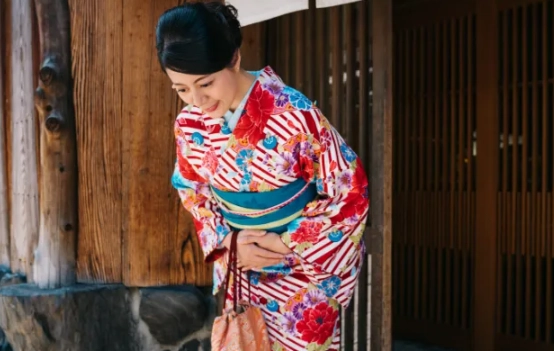
Getting Around: Trains, Taxis, and Streets
Public transport is where many tourists first experience the famous Japanese order. It can be intense, especially during rush hour in Tokyo, but the rules are clear.
- Silence is Golden: Keep your voice down. Phone calls are a huge no-no in train cars. If you must take a call, move to the space between cars or wait until you're off. Headphones are your best friend, but keep the volume low enough that sound doesn't leak.
- The Escalator Rule: This varies by city! In Tokyo and eastern Japan, stand on the LEFT, walk on the RIGHT. In Osaka and much of western Japan, it's the opposite: stand on the RIGHT, walk on the LEFT. Watch what locals do when you arrive in a new city. Getting it wrong isn't a crime, but you'll be a human roadblock.
- Queuing: Lines are formed with military precision. Wait for people to exit the train before you board. There are often marked lines on the platform. Follow them.
- Priority Seating: The seats at the ends of train cars are usually reserved for the elderly, disabled, pregnant, or those with small children. Even if the train is packed, avoid these unless you fit the category. And if you're sitting in a regular seat and someone who needs it boards, offering your seat is a great gesture.
The Art of Japanese Dining: More Than Just Chopsticks
Food is a huge part of the culture, and the rules around it are taken seriously. But don't panic – intent matters most.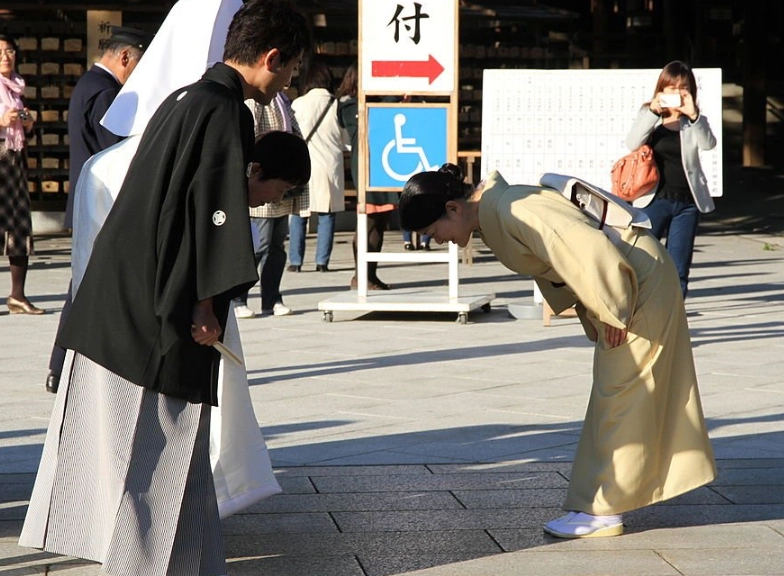
| Do This... | Avoid This... | Why It Matters |
|---|---|---|
| Say "itadakimasu" (I gratefully receive) before eating and "gochisosama deshita" (thank you for the feast) after. | Digging in without a word. | It shows gratitude to the cook and the ingredients. Even a whispered attempt is appreciated. |
| Hold your rice bowl in one hand when eating from it. | Leaving your bowl on the table and bending over to eat. | It's considered more polite and tidy. This goes for miso soup bowls too. |
| Use the opposite end of your chopsticks or a dedicated serving utensil to take food from a shared plate. | Using the end that goes in your mouth to grab shared food. | This relates to the purity concept. Your mouth-end is considered dirty. |
| Place your chopsticks on the chopstick rest (hashioki) when not in use. | Sticking chopsticks upright in a bowl of rice. This is a funeral ritual. | It symbolizes death and is deeply unsettling. Laying them across your bowl isn't great either, as it's seen as unclean. |
| Slurp your noodles! Ramen, soba, udon – slurping is acceptable and shows you're enjoying it. | Making loud chewing noises for other foods. | Slurping noodles is functional (cools them down) and complimentary. Other loud mouth noises are not. |
What about tipping? This is a big one. Do not tip. Excellent service is standard and included. Leaving cash can confuse and embarrass staff. If you want to show extra appreciation, a sincere thank you and a bow is perfect. For a truly exceptional experience at a ryokan or with a guide, a small gift from your home country (omiyage) might be appropriate, but cash is not.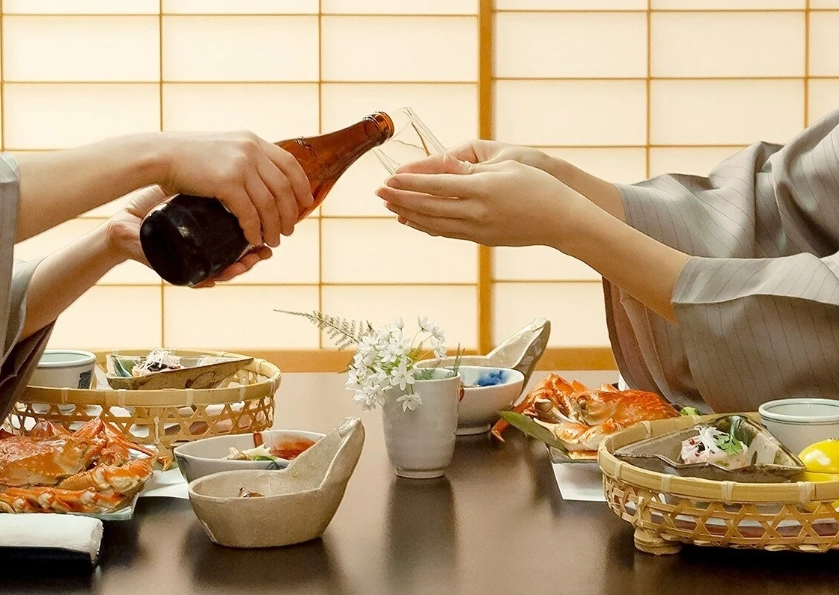
Temples, Shrines, and Sacred Spaces
Visiting these places requires a shift in demeanor. It's not just a photo op; it's an active cultural site.
- The Purification Ritual (Temizuya): At the entrance of shrines, you'll find a water trough with ladles. This is for symbolic cleansing. Hold the ladle in your right hand, pour water over your left. Switch hands, pour over your right. Switch again, pour water into your left hand and rinse your mouth (spit the water onto the ground, NOT back into the trough). Finally, tilt the ladle vertically to let water run down the handle and clean it for the next person. It feels complicated, but just watch a local do it once and you'll get the flow.
- Behavior: Speak quietly. Photography is usually allowed in courtyards but often prohibited inside main halls. Look for signs (often a camera with a slash).
- Monetary Offerings: At the main hall, toss a 5 or 10 yen coin (considered lucky) into the offering box. Ring the bell if there is one (to get the gods' attention), bow twice deeply, clap your hands twice, pray or make a wish, then bow once more deeply.
- No Shoes: Anywhere with a raised floor (like temple halls you can enter) will require you to remove your shoes. Socks are fine, but wearing presentable socks without holes is a good tip!
Money, Shopping, and Daily Interactions
Small daily exchanges are where your efforts will be most visible.
Handling Money: Use the small tray (kaisen) you'll find at most cash registers. Place your cash or card on the tray. The cashier will take it, give you change, and place it back on the tray for you to pick up. Handing money directly hand-to-hand isn't rude, but using the tray is the polished way. It avoids any awkward physical contact.
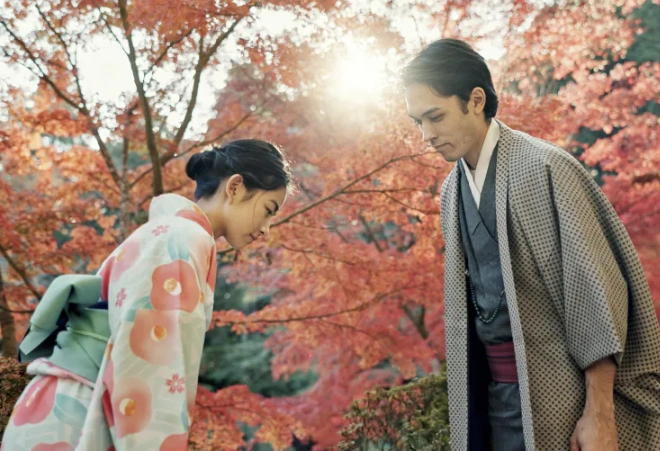
The Humble Bow: You don't need to master the 45-degree business bow. A slight nod of the head and shoulders is perfectly fine for thank yous and hellos. The key is sincerity. A shopkeeper bows to you, you nod back. It's a dance of mutual respect.
Gift-Giving (Omiyage): If you're staying with someone or visiting a business contact, bringing a small gift from your home country is a lovely gesture. Offer it with both hands. They may not open it in front of you, which is normal – it's to avoid any potential embarrassment if the gift isn't quite right.
Navigating the Gray Areas: Bathhouses, Ryokans, and Bars
Some situations have their own unique rulebook. Let's tackle a couple that can cause anxiety.
Onsen (Hot Springs) and Sento (Public Baths)
Yes, you'll be naked with strangers. Get over the initial shock – it's a fantastic experience. The rules are strict but logical.
Wash First, Soak After. This is non-negotiable. Before you even think about entering the shared bath, you must sit on one of the little stools, use the shower, soap, and shampoo provided, and rinse yourself thoroughly. No soap suds should go into the communal water. Your towel should never touch the bath water – you can fold it and put it on your head or leave it on the side.
Tattoos: This is a sensitive and changing topic. Traditionally, tattoos are associated with the yakuza (organized crime) and are banned in many public baths and gyms. Many larger, tourist-friendly onsens in places like Hakone or Beppu are relaxing these rules. Always check the policy beforehand. Some may allow you to cover small tattoos with waterproof patches, others may deny entry. It's not personal; it's a deep-seated cultural norm. For a clear, official perspective on cultural norms surrounding public behavior, resources from the Japan National Tourism Organization (JNTO) are invaluable.
Staying in a Ryokan (Traditional Inn)
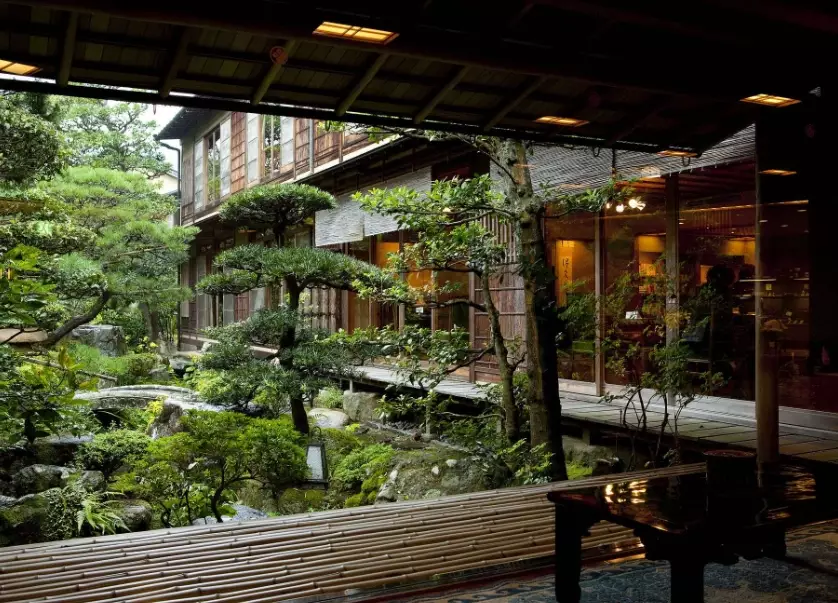
This is the pinnacle of omotenashi. You'll change into a yukata (cotton robe) provided. The left side goes over the right (the opposite, right over left, is how a corpse is dressed). There's usually a specific jacket (happi) or belt to keep it closed. You can wear this yukata to the onsen and around the inn, but not outside typically.
Dinner and breakfast are often served in your room or a dining hall. It's a multi-course kaiseki feast. Let the staff guide you. They expect you to have questions.
Answering Your Burning Questions
The Top 3 Things to Get Right (And 3 You Can Relax About)
Let's simplify. If you're overwhelmed, focus on these.
Non-Negotiables (Please try your best):
- Remove your shoes when you see the obvious signs (raised floor, slippers lined up).
- Be quiet and orderly on public transport. This is the ultimate test of avoiding meiwaku.
- Handle money using the tray when it's provided.
Areas for Grace (Try, but don't stress):
- The perfect bow. A sincere nod is just fine for most tourist interactions.
- Chopstick mastery. It's okay to ask for a fork.
- Pronouncing every phrase perfectly. A mangled "arigatou" with a smile is better than saying nothing.
Wrapping It Up: Your Mindset for the Trip
The ultimate guide to Japanese etiquette for tourists boils down to one thing: mindful awareness. You're not expected to be Japanese. You're expected to be a considerate visitor. When you walk into a space, take a second to observe. What are others doing? How is the energy? Is it loud or quiet? Fast or slow?
Your effort is the compliment. The fact that you're reading this guide shows you care, and that puts you miles ahead. You will make mistakes. I still do. The key is to apologize simply if you realize it (a quick "sumimasen" – excuse me) and move on. Don't dwell on it. The Japanese themselves are incredibly forgiving of tourists who are clearly trying.
So pack your curiosity, your patience, and a pair of good socks. Embrace the order, savor the quiet moments on a train watching the world go by, and enjoy the profound respect woven into everyday life. Your journey into Japanese manners will deepen your experience in ways you can't imagine. It's not a barrier; it's the key to unlocking a richer, more authentic connection with an incredible country.

Share Your Thoughts