Let's be honest. When you first think about Japan wheelchair accessible travel, your mind might jump to images of crowded Tokyo subway stations, ancient temples with stone steps, and narrow alleyways. It's enough to make anyone hesitate. I did too, before my first trip. But here's the truth most generic travel blogs won't tell you: Japan is one of the most systematically accommodating countries for travelers with mobility challenges I've ever visited. The catch? You need to know how the system works. This isn't just a feel-good article; it's a tactical guide based on navigating Tokyo, Kyoto, and Osaka with a wheelchair. We'll move past the vague assurances and get into the specifics: which train car to board, which hotel room to book, and which temple entrance actually has a ramp.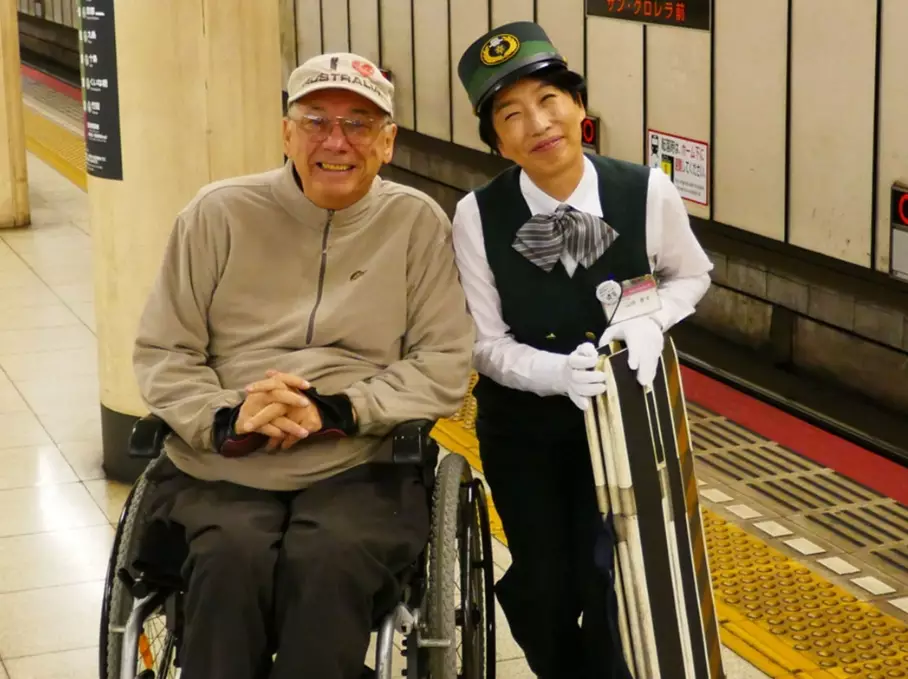
Your Journey at a Glance
- The First Step: Rethinking Accessibility in Japan
- Mastering Transportation: Trains, Taxis, and Beyond
- Tokyo Wheelchair Accessible: A Concrete Jungle Made Navigable
- Kyoto & Osaka: History and Modernity, Accessibly
- Where to Stay: Picking the Right Accessible Hotel Room
- Pro Tips and Cultural Navigation
- Answering Your Specific Japan Wheelchair Accessible Questions
The First Step: Rethinking Accessibility in Japan
Forget the Western concept of universal design for a second. Japan's approach to accessibility is deeply rooted in omotenashi (heartfelt hospitality) and precision engineering. You won't always find wide, sweeping ramps. Instead, you'll find a station attendant with a portable ramp materializing exactly when you need them, or a detour to a staff elevator meticulously prepared. The infrastructure is often there, but it's sometimes hidden or requires asking. The biggest mistake travelers make is assuming everything labeled "accessible" will match their specific needs. A "barrier-free" toilet might be spacious but have a 3-inch threshold. Always look for the specific, detailed access maps available at most major venues' websites.
Key Insight: Japan's accessibility is often staff-dependent. Don't be shy about asking for help. A simple "Sumimasen, wheelchair wa doko desu ka?" (Excuse me, where is the wheelchair [route/elevator]?) will almost always trigger a helpful, sometimes overly diligent, response.
Mastering Transportation: Trains, Taxis, and Beyond
This is where your trip is won or lost. The famous Shinkansen (bullet train) is a dream. Every train has a dedicated wheelchair space in Car 1 or Car 16 (check your ticket). You board via a raised platform with virtually no gap. Reserve these seats early through sites like JR East's Eki-Net or at a Midori-no-madoguchi (green window) ticket office.
The Subway and Local Train Reality
Metro systems in Tokyo and Osaka have improved dramatically. Most newer lines have platform gates level with the train floor. The challenge is older lines and stations. Use the "Accessible Station" search function on the Tokyo Metro website. It shows exactly which exits have elevators—crucial because many stations have only one or two accessible exits out of a dozen.
Here's a pro move most guides miss: For the JR Yamanote Line in Tokyo, always aim for the first door of the first car. This aligns best with station elevators and is where station staff will most likely be waiting if you've requested assistance (which you can do at the station office).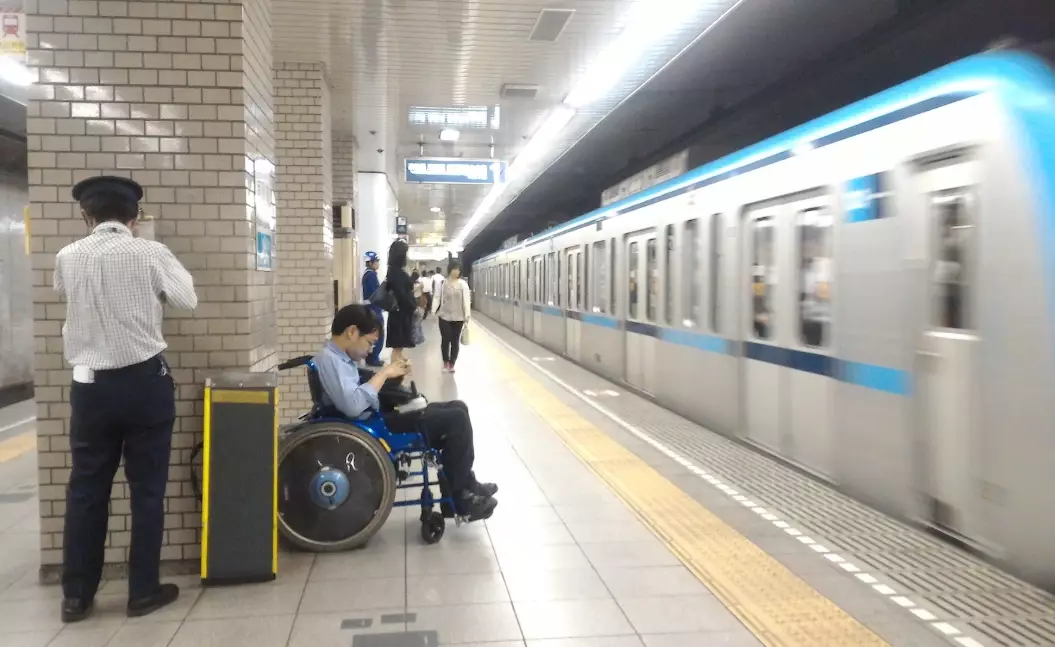
Taxis: Your Secret Weapon
Japanese taxis are a game-changer for accessible travel. Many companies operate "Universal Design" or "Welfare" taxis with ramps or lifts. In Tokyo, Nihon Kotsu and Checker Cab have large fleets. You can't just hail them; you need to call a dispatch or use an app. I recommend using the "Japan Taxi" app—you can filter for wheelchair-accessible vehicles when booking. It costs more than the train, but for door-to-door convenience after a long day, it's worth every yen.
Tokyo Wheelchair Accessible: A Concrete Jungle Made Navigable
Let's get specific. Here are three iconic Tokyo experiences, vetted for accessibility.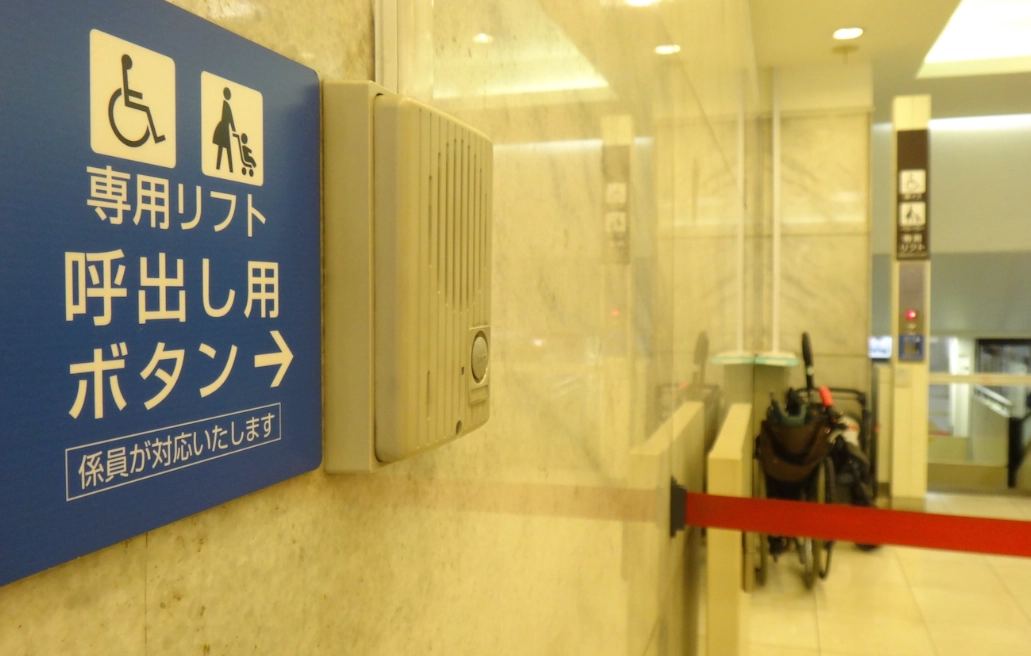
| Attraction | Accessibility Summary | Key Tip & Address |
|---|---|---|
| Senso-ji Temple, Asakusa | Good. Main approach (Nakamise-dori) is paved and level. The main temple hall has a side entrance with a ramp. The famous Kaminarimon Gate is fully accessible from the sides. | Tip: Avoid the crowds by going early morning. The temple grounds are spacious. Address: 2-3-1 Asakusa, Taito-ku, Tokyo. Nearest accessible station: Toei Asakusa Line's A18 (elevator at Exit A2b). |
| Tokyo Skytree Town | Excellent. Modern complex built with universal design. Smooth access to the observatory decks via large elevators. Wheelchair loan service available. | Tip: Book observatory tickets online to skip queues. The Solamachi mall underneath is fully accessible. Address: 1-1-2 Oshiage, Sumida-ku, Tokyo. Directly connected to Oshiage (Skytree) Station via elevator. |
| Shinjuku Gyoen National Garden | Very Good. Paved main paths throughout the expansive gardens. Several accessible restrooms. Some of the traditional Japanese garden sections have gravel paths that are harder to navigate. | Tip: Enter from the Shinjuku Gate, which has the best ramp access. It's a huge park, so pace yourself. Address: 11 Naitomachi, Shinjuku-ku, Tokyo. A 10-min walk from Shinjuku-gyoemmae Station (exit 2 has elevator). |
Kyoto & Osaka: History and Modernity, Accessibly
Kyoto presents the biggest psychological hurdle with its ancient sites. But you'd be surprised.
Kyoto Station itself is an accessibility hub. Its "Happy Terrace" service center loans wheelchairs and has detailed access maps for the entire city. For temples, Kinkaku-ji (Golden Pavilion) is mostly accessible via paved paths up to the main viewing area. Fushimi Inari Taisha is famously hilly, but the initial torii gate path from the station to the main shrine buildings is flat and paved—you can experience the iconic atmosphere without climbing.
In Osaka, Osaka Castle has an elevator to the main keep's museum floors (though the top-floor viewing area is via stairs only). The Dotonbori area is chaotic but the main riverwalk is flat. For a smooth, modern experience, the Kaiyukan Aquarium is fully accessible with gradual ramps.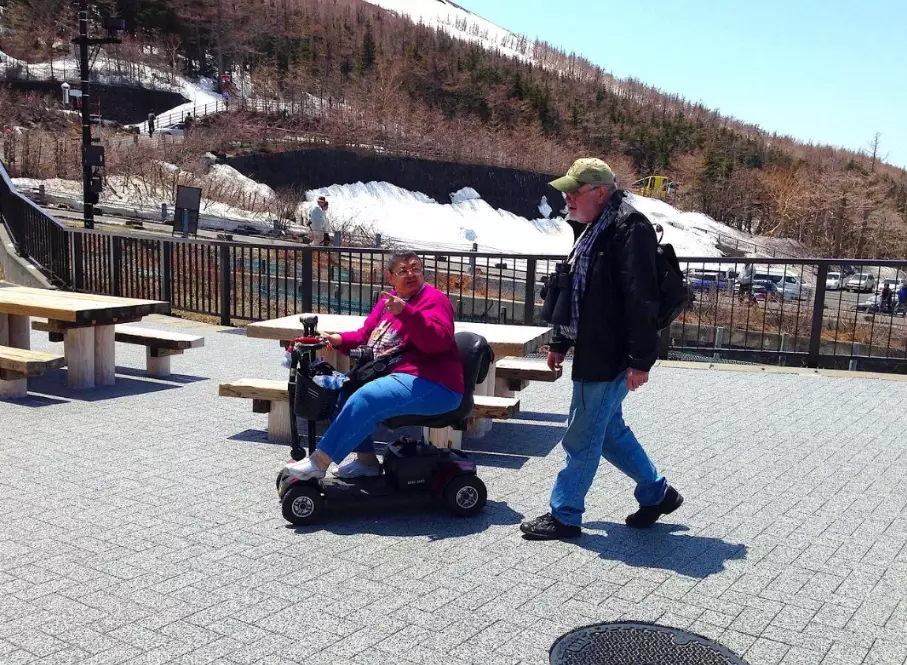
Where to Stay: Picking the Right Accessible Hotel Room
Booking an "accessible room" online is a minefield. The term is not standardized. In Japan, you often need to look for "Barrier-Free Room" or "Universal Room." Even then, call or email the hotel directly. Ask these specific questions:
- Is there a step-free roll-in shower with a seat, or just a bathtub with handrails?
- What is the height of the bed? Some "accessible" rooms still have very low traditional beds.
- Is the hotel connected to the train station via an underground passage with elevators? (This is a gold standard in rainy or hot weather).
Based on my experience, major international chains in central locations (like Shinjuku, Tokyo Station, or Umeda in Osaka) are the safest bets. They have consistent global standards and multilingual staff to handle specific requests.
Pro Tips and Cultural Navigation
Carry a small plastic sheet or a piece of stiff cardboard. Why? For those inevitable moments when you encounter a small step or threshold into a restaurant or shop. Staff will often try to help lift you, but having your own makeshift ramp gives you control and is widely understood.
Don't be alarmed if people stare. It's rarely malice; it's often curiosity or a desire to help but not knowing how. A smile and a nod go a long way.
Finally, embrace the fact that you might not see everything. The quest for a perfectly accessible Japan might mean missing a secluded garden. But what you gain is a profound experience of Japanese care and efficiency in making your journey possible.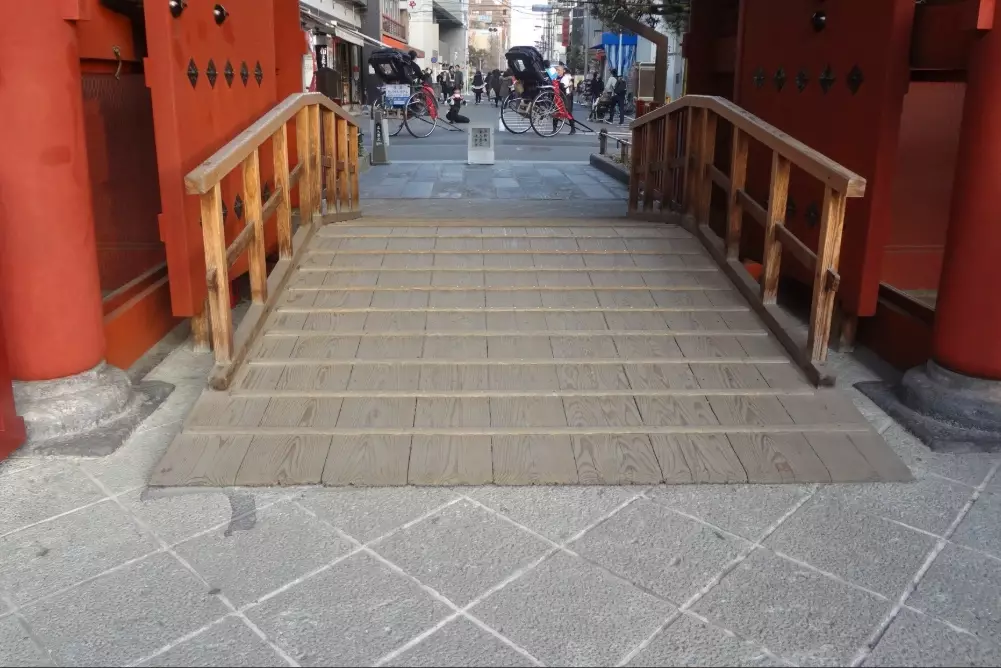
Answering Your Specific Japan Wheelchair Accessible Questions
 We want to visit an onsen (hot spring). Are there any truly wheelchair accessible options?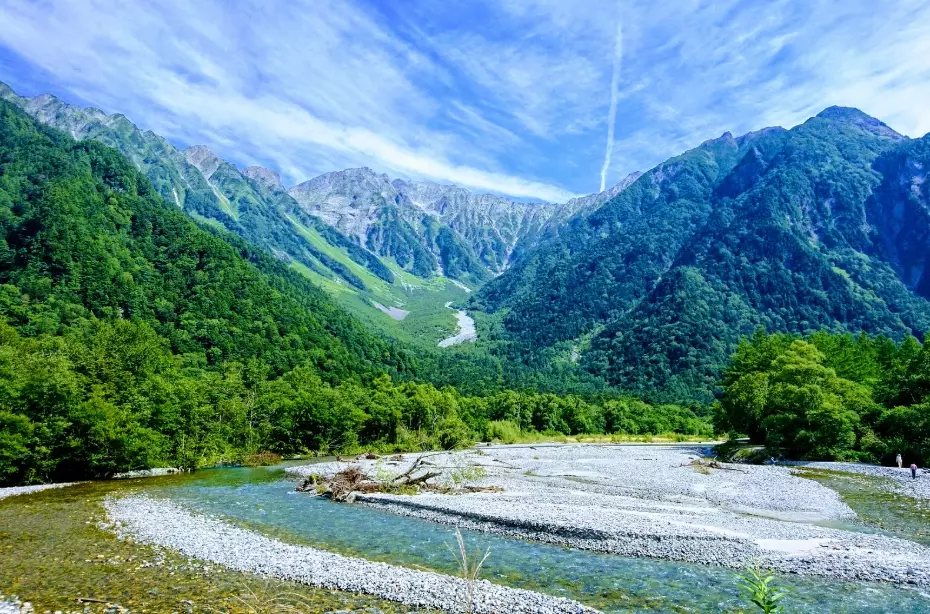
Share Your Thoughts