Quick Guide
You're walking down a narrow alley in Osaka, the air thick with the smell of sizzling batter and sweet sauces. A vendor flips sizzling balls on a hot plate with lightning speed. That right there is the heart of Japanese street food. It's not just about grabbing a quick bite; it's a cultural experience, a burst of flavor, and often a masterpiece of simple ingredients transformed into something magical. If you've ever asked yourself, "What is the famous street food in Japan?" you're in for a treat. This isn't a dry list. It's the real deal, from the sizzling griddles of Tokyo to the festival stalls of Kyoto.
I remember my first time at a yatai (street stall) in Fukuoka. I was overwhelmed, pointing at things blindly. It was the best culinary gamble I ever took. Let's break it down so you don't have to guess.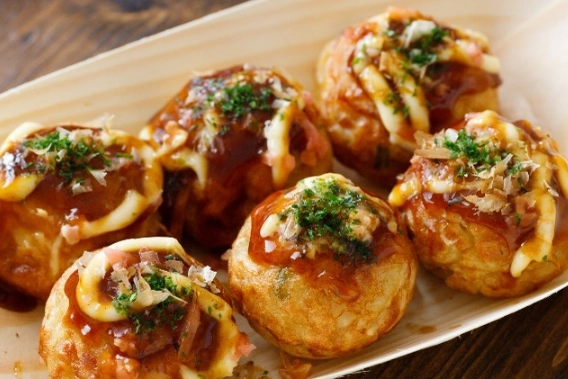
The Undisputed Champions: Japan's Top Street Food You Must Try
Let's get to the main event. When people wonder what is the famous street food in Japan, these are the heavy hitters. The ones you'll see everywhere, from dedicated shops to festival stalls.
Takoyaki: The Octopus Ball King
Originating from Osaka, takoyaki is arguably the poster child for Japanese street food. Imagine a savory, spherical pancake batter, cooked in a special molded pan. Inside each golden-brown ball is a tender piece of octopus (tako). The magic happens after they're cooked. They're drizzled with takoyaki sauce (like a thicker Worcestershire), Japanese mayonnaise, sprinkled with green laver (aonori), and bonito flakes that dance in the steam.
Eating them is an art. They're served blisteringly hot. Bite carefully, or you'll burn your mouth—a rite of passage I've experienced more than once. The texture is a delightful contrast: crispy outside, soft and almost gooey inside. Every region has a slight twist, but the Osaka style is the classic. If you try only one thing, make it this. It perfectly answers the question, "What is the famous street food in Japan?"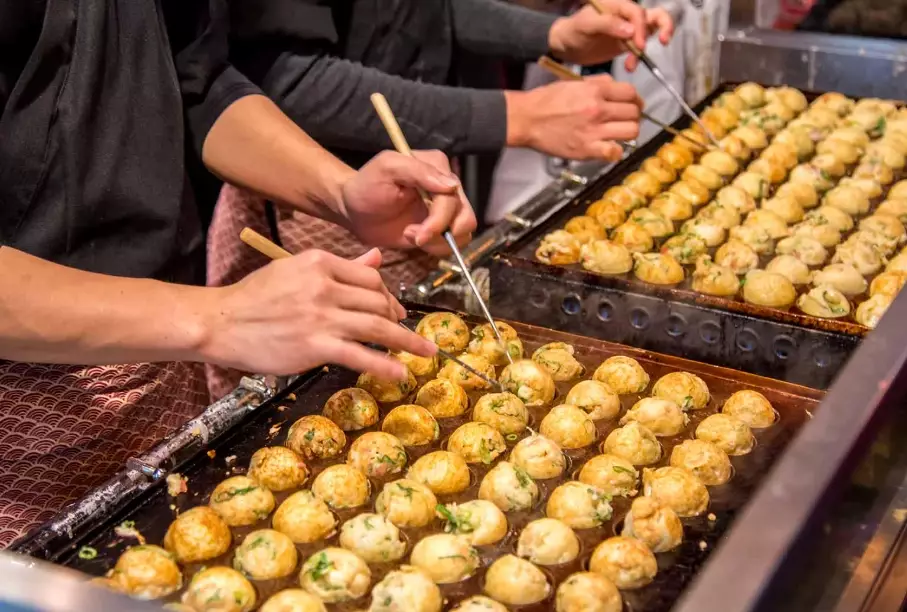
Okonomiyaki: The "As-You-Like-It" Savory Pancake
Another Osaka (and Hiroshima) superstar. Okonomiyaki translates to "grilled as you like it," which is half the fun. It's a thick batter mixed with cabbage, and then you can add your choice of meat, seafood, cheese, or mochi. The Hiroshima style layers the ingredients, often including noodles. It's grilled on a teppan (iron griddle) right in front of you.
It's a hearty, filling meal that's social and interactive, especially if you cook it yourself at a table with a built-in griddle.
Yakitori: Skewered Perfection
While often enjoyed in izakayas (pubs), yakitori is quintessential street and festival food. It's simple: bite-sized pieces of chicken (and sometimes other meats or veggies) skewered and grilled over charcoal. The skill lies in the seasoning—just salt (shio) or a sweet-savory tare sauce.
You can get every part of the chicken, from the thigh (mom) to the skin (kawa) to the knee cartilage (nankotsu—an acquired texture, I admit). At a good stall, the smoky aroma is irresistible. A couple of skewers and a beer is a perfect Japanese evening.
Taiyaki & Imagawayaki: The Sweet Fish and Pancakes
For those with a sweet tooth. Taiyaki is a fish-shaped cake (usually a sea bream, a symbol of luck) filled with sweet red bean paste (anko), though custard, chocolate, and sweet potato varieties are common now. It's cooked in a fish-shaped mold, resulting in a crispy exterior and warm, sweet filling.
Imagawayaki is its round, pancake-like cousin, often with the same fillings. Getting one on a cold day is pure bliss. The filling is sometimes so hot it becomes a delicious hazard.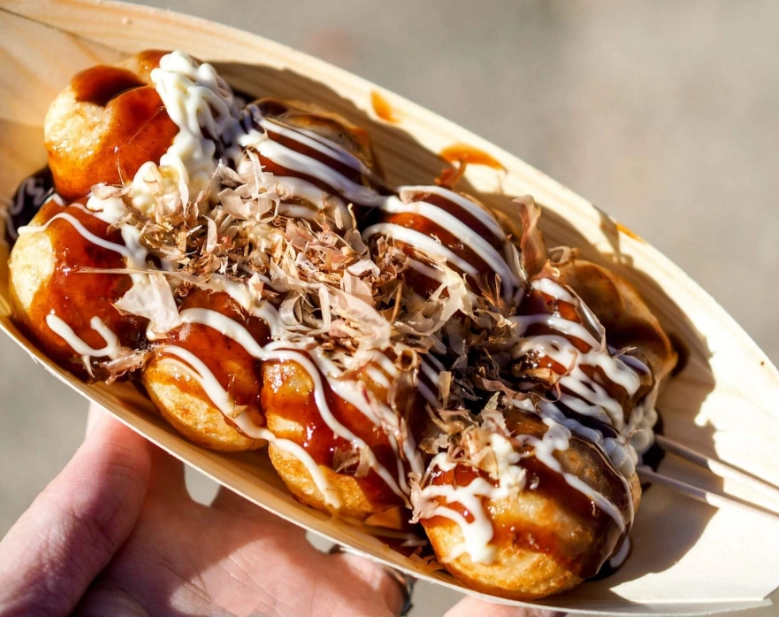
Beyond the Classics: Regional Gems and Hidden Treasures
Japan's famous street food isn't a monolith. Travel around, and you'll discover specialties that define their hometowns. This is where the real adventure begins.
Hokkaido: The Seafood and Dairy Paradise
Up north, it's all about freshness. Ikayaki (grilled whole squid) is a staple, often basted with soy sauce. Jingisukan ("Genghis Khan") is a mutton barbecue, but you'll find portable versions. And due to Hokkaido's dairy farms, soft-serve ice cream, especially melon or rich milk flavor, is a street food itself at roadside stops (michi-no-eki).
Fukuoka & Kyushu: The Ramen and Tonkatsu Stars
Fukuoka is the birthplace of Hakata tonkotsu ramen. While many sit-down shops exist, the iconic yatai street stalls along the Naka River are legendary. Slurping rich, pork-bone broth ramen under the stars is a must-do. Also, look for mentaiko (spicy cod roe) on anything.
In Kagoshima, you'll find satsuma-age, a deep-fried fish cake that's light and bouncy, often sold at markets.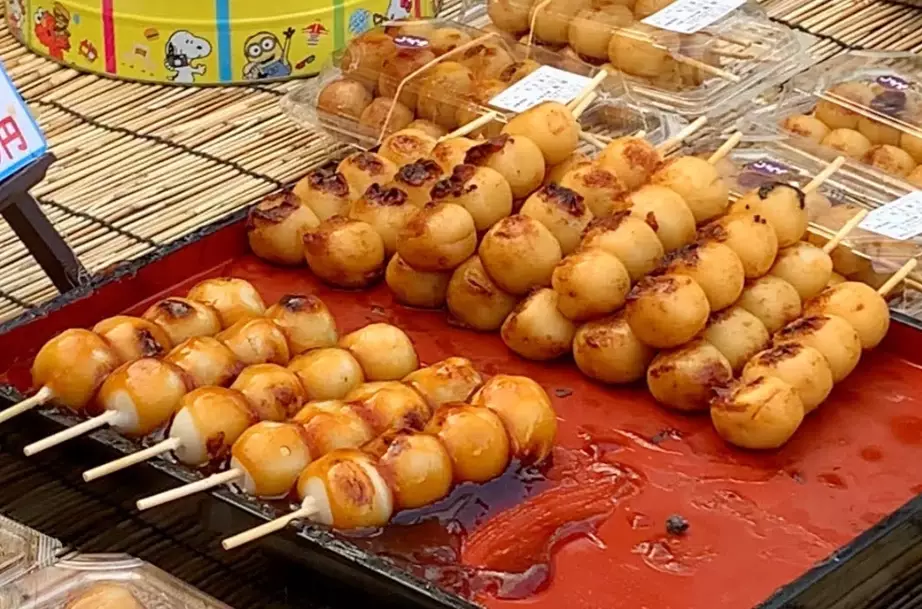
Okinawa: A Tropical Twist
The food culture here is distinct. Taco rice is a famous fusion—taco-seasoned ground beef, lettuce, tomato, and cheese over rice. Okinawan soba (with thicker, wheat noodles) is a comfort food sold in many simple stands. The flavors are influenced by Southeast Asia and the US, making it a unique chapter in the story of Japan's famous street food.
Seasonal and Festival Stars
Timing your visit can unlock special treats. Japanese street food is deeply tied to the seasons and matsuri (festivals).
Summer Festivals (Matsuri)
This is street food heaven. Stalls line the paths to shrines. You'll find kakigōri (shaved ice with syrup), yakisoba (fried noodles), chocolate bananas, ringo-ame (candied apples), and wata-ame (cotton candy). The atmosphere—the sounds, the smells, the crowds—is as important as the food itself.
Winter Warmers
When it gets cold, look for stalls selling oden. It's a simmering pot of fish cakes, daikon radish, boiled eggs, and konnyaku in a light, soy-flavored dashi broth. It's comforting and warming. Sweet potato vendors roasting yaki-imo in drums also appear, their smoky scent filling chilly streets.
The Practical Guide: How to Eat Street Food in Japan Like a Pro
Knowing what to eat is half the battle. Here’s how to navigate the experience smoothly and respectfully.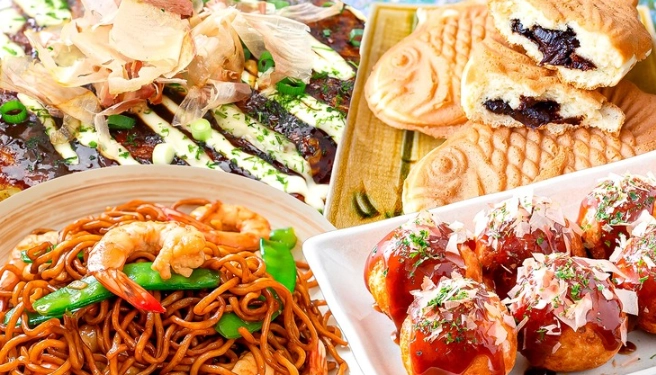
Etiquette and How to Order
Don't worry, it's not overly complicated. Most stalls have plastic food models or pictures. Pointing is perfectly fine. A simple "kore, onegaishimasu" ("this, please") works wonders. Payment is usually upfront.
Eating while walking (tachigui) is generally acceptable for items like takoyaki or taiyaki. However, many stalls have a small standing area or counter. It's polite to eat there and dispose of your trash properly. Japan has very few public trash bins, so you often return wrappers to the vendor, who will have a small bin. Never just walk away with your trash.
Where to Find the Best Stalls
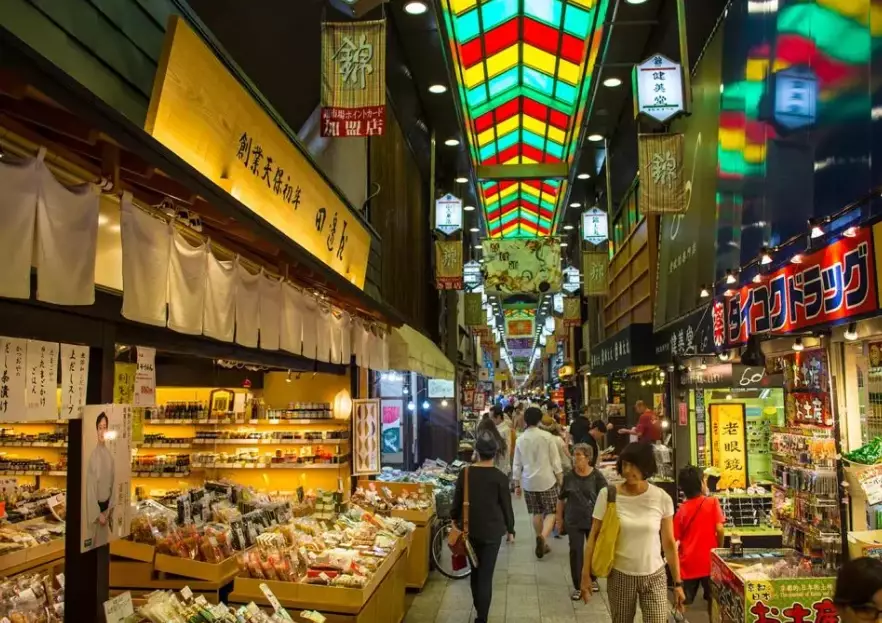
- Shotengai (Covered Shopping Streets): Places like Ameya-Yokocho in Tokyo or Nishiki Market in Kyoto are packed with legendary food stalls. Nishiki is nicknamed "Kyoto's Kitchen" for a reason.
- Depachika (Department Store Basements): While not "street," they offer an insane concentration of high-quality prepared foods, including many street food classics, in a clean, indoor setting. Perfect for a rainy day.
- Festivals (Matsuri) and Temple/Shrine Grounds: Especially on weekends or festival days.
- Dedicated Food Streets: Like Memory Lane (Omoide Yokocho) in Shinjuku, Tokyo, which is packed with tiny yakitori joints.
For official information on food safety standards and hygiene, which are generally excellent in Japan, you can refer to resources from the Ministry of Health, Labour and Welfare. It's reassuring to know the regulatory backdrop.
Budget and Value
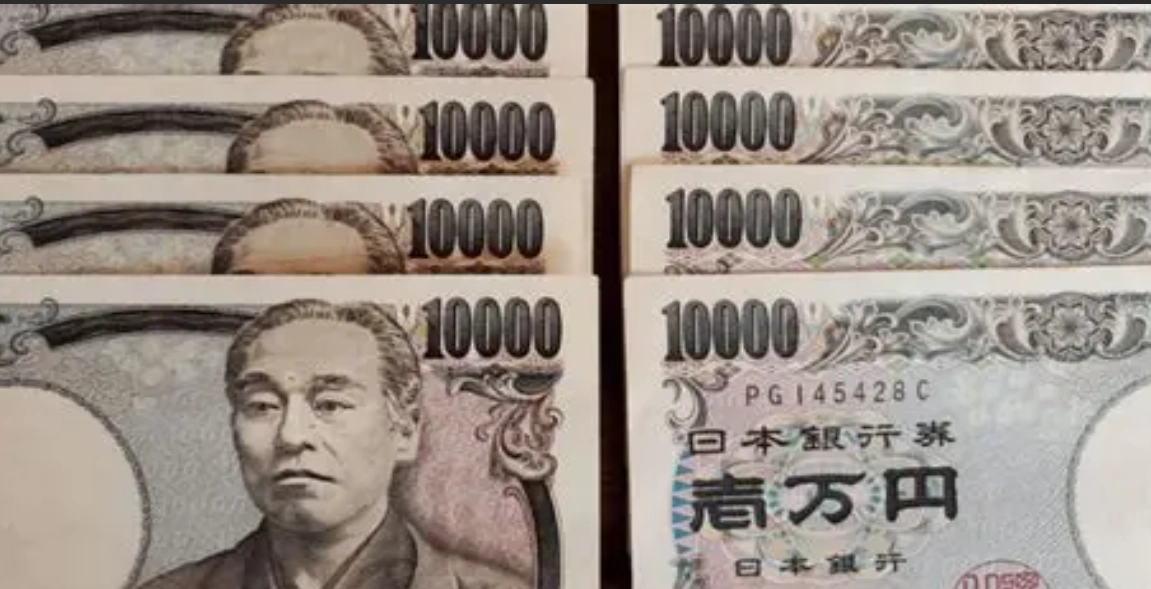
One of the best things about exploring the famous street food in Japan is the value. Most items range from 100 to 500 yen. You can have a fantastic, filling "meal" by sampling a few different things for under 1500 yen. It's the most affordable way to experience high-quality Japanese flavors.
Answering Your Burning Questions (FAQ)
The Final Bite
So, what is the famous street food in Japan? It's a vibrant, delicious, and accessible world that goes far beyond a simple snack. It's takoyaki sizzling on a griddle, the smoky scent of yakitori, the sweet warmth of a taiyaki on a cool evening, and the bustling energy of a festival stall. It's a direct line to everyday Japanese culture and regional pride.
My advice? Be curious. Skip the chain restaurant for one meal and follow your nose. Let the lines of locals guide you. Try that weird-looking thing. Embrace the possibility of a slightly burned tongue from hot takoyaki—it's a badge of honor. The famous street food of Japan isn't just something you eat; it's something you experience, and it's an essential chapter in any trip to this incredible country.
Now go find a yatai and dig in.

Share Your Thoughts