I still remember my first Shinkansen ride from Tokyo to Kyoto. The speed was thrilling, but what stuck with me was the bento box I bought at Tokyo Station—a neat package of rice, grilled fish, and pickles that tasted like a journey in itself. If you're planning a bullet train trip in Japan, the Shinkansen bento box, or ekiben, isn't just food; it's a cultural experience wrapped in disposable wood. Let's dive into why these meals are iconic and how to make the most of them.
Your Quick Guide to Shinkansen Bento
The Story Behind Shinkansen Bento Boxes
Shinkansen bento boxes date back to the 1960s when Japan's bullet trains launched. Initially, they were simple meals for travelers, but over time, they evolved into regional showcases. According to the Japan Railway Station Bento Association, ekiben sales hit over 12 million boxes annually, with Shinkansen routes being the top sellers. The idea was to offer a taste of local specialties without leaving the train—think of it as a edible souvenir.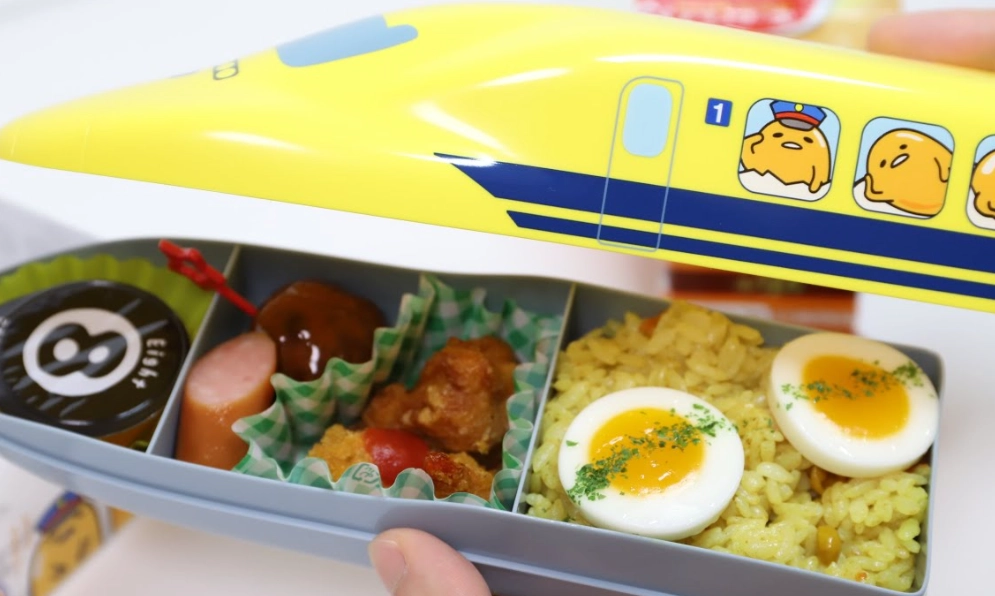
I once chatted with a vendor at Shin-Yokohama Station who told me that early bento were just cold rice balls. Now, they're gourmet affairs. The shift came in the 1980s when competition spurred innovation. Today, some bento cost over 3,000 yen, featuring luxury ingredients like Wagyu beef. But don't let that intimidate you; most are affordable and crafted with care.
What's Inside a Shinkansen Bento?
Open a Shinkansen bento, and you'll find more than just rice. These boxes are designed for balance and regional pride. Here's a breakdown of common types.
Regional Specialties
Each area along the Shinkansen line has its star bento. For example, the Tohoku Shinkansen offers "Gyutan Bento" from Sendai—grilled beef tongue with barley rice, priced around 1,200 yen. On the Tokaido line, you might get "Unagi Bento" from Shizuoka, with freshwater eel for about 1,500 yen. I tried the Hiroshima-style oyster bento once; it was briny and rich, but the oysters were a bit cold—a common issue with pre-packaged seafood.
Seasonal Offerings
Bento change with the seasons. In spring, look for sakura-themed boxes with cherry blossom rice. Autumn brings mushroom medleys. These limited editions sell fast; I missed out on a fall chestnut bento because I arrived too late. Check station displays for what's new.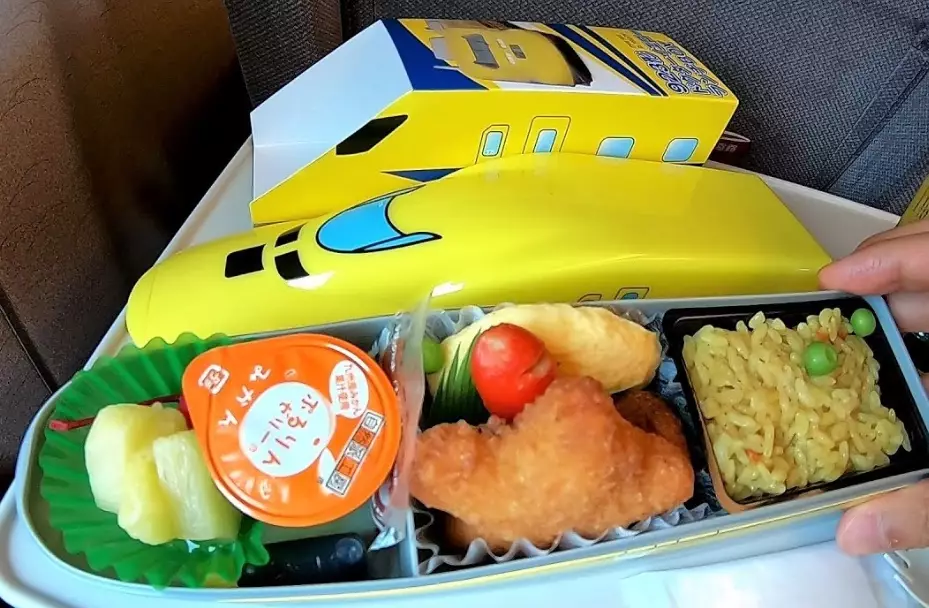
Popular Shinkansen Bento Types Table
| Bento Name | Region/Route | Key Ingredients | Approx. Price (Yen) |
|---|---|---|---|
| Ekiben Matsuri | Tokyo Station | Sushi, tempura, pickles | 800-1,500 |
| Gyutan Bento | Sendai (Tohoku line) | Beef tongue, barley rice | 1,200 |
| Unagi Bento | Shizuoka (Tokaido line) | Grilled eel, rice | 1,500 |
| Kani Bento | Hokkaido (Hokuriku line) | Crab meat, vegetables | 2,000 |
| Vegetable Bento | Kyoto Station | Seasonal veggies, tofu | 1,000 |
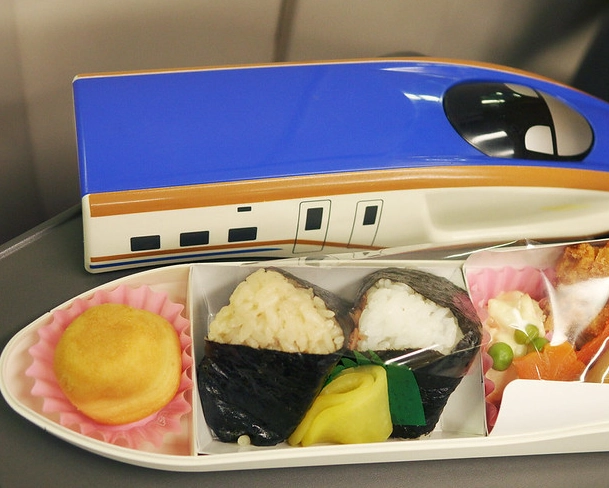
This table gives a snapshot, but the real fun is exploring. Some bento come in unique containers—I've seen ones shaped like train cars or castles. They make great gifts, though they're meant to be eaten fresh.
Finding the Perfect Bento: Stations and Shops
Where you buy your bento matters more than you think. Don't just grab one from the first kiosk; take a moment to explore.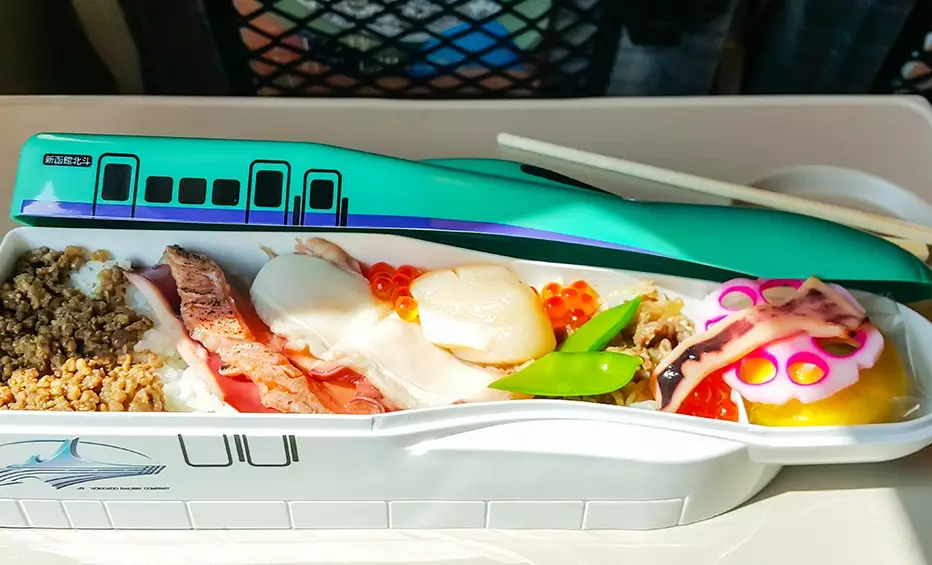
Top Stations for Bento Shopping:
- Tokyo Station: Head to the GranSta basement floor. Ekibenya Matsuri here has over 200 types, open from 5:30 AM to 10:00 PM. Address: 1-9-1 Marunouchi, Chiyoda City, Tokyo. Prices range from 800 to 2,500 yen. Try the "Eki Bento"—a sampler of regional flavors.
- Shin-Osaka Station: Look for Ekibenya Meitetsu Midosuji near the Shinkansen gates. It's smaller but curated, with Kansai specialties like takoyaki bento for around 1,000 yen. Open 5:30 AM to 10:00 PM.
- Sendai Station: On the Tohoku Shinkansen line, the Gyutan Bento shops are legendary. A recommended spot is "Sendai Gyutan Bento Stand" inside the station building, selling for 1,200 yen from 6:00 AM to 9:00 PM.
I made a mistake once by buying from a platform vendor during rush hour—the selection was picked over, and I ended up with a bland chicken bento. Lesson learned: shop in the station concourse, not on the platform.
For variety, some department stores like Daimaru in Tokyo Station also sell bento, but they're pricier and might not be optimized for train travel. Stick to dedicated ekiben shops for authenticity.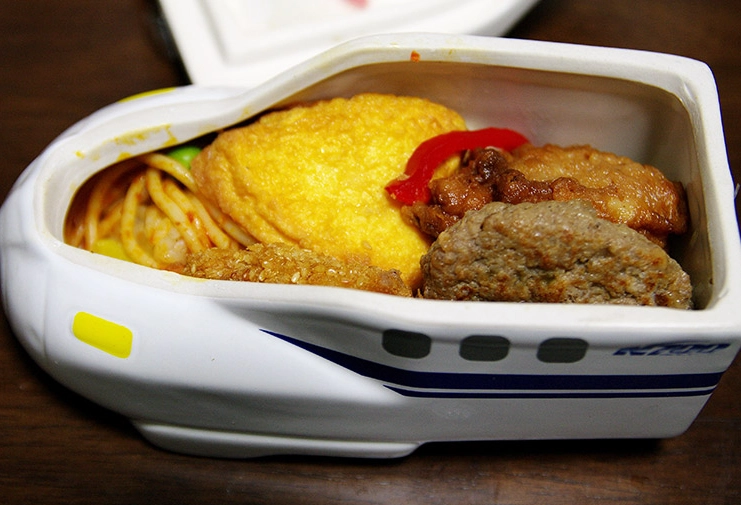
Pro Tips for Bento Box Beginners
Eating a Shinkansen bento isn't rocket science, but a few tricks can elevate your experience. Here's what I've picked up over the years.
Timing is Everything: Buy your bento right before boarding. Most are made fresh in the early morning or midday. If you're taking a morning train, arrive at the station 30 minutes early to browse. For evening trips, shops restock around 5:00 PM. Don't buy too early; I once left a bento in my bag for hours, and the rice got hard.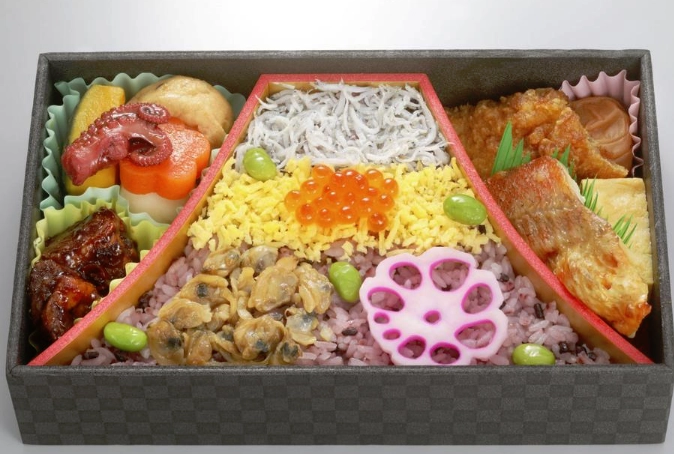
Handling and Etiquette: Shinkansen have tray tables and provide small trash bags for wrappers. Unwrap carefully—some boxes have intricate layers. Eat quietly; it's considered polite to avoid strong smells. If you're with others, sharing different bento can be fun, but use the provided chopsticks.
Avoid Common Pitfalls: Many tourists assume all bento are served hot. They're not; most are meant to be eaten at room temperature. If you prefer warm food, look for signs saying "温かい" (atatakai) or use station microwaves, but be quick—lines form fast. Also, check for allergens; seafood is common, and labels might be in Japanese only.
On a personal note, I love pairing bento with a cold beer from the train cart. It's a simple pleasure, but it makes the journey feel like a celebration.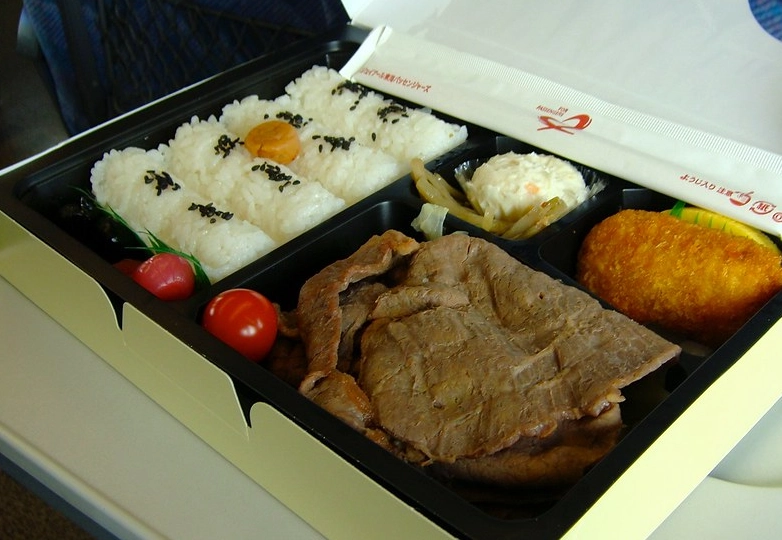
Your Shinkansen Bento Questions Answered
That wraps up our deep dive into Shinkansen bento boxes. Whether you're a first-time rider or a seasoned traveler, these meals add flavor to your journey. Next time you're on a bullet train, skip the convenience store snack and go for a bento—it's a bite of Japan you won't forget.



Share Your Thoughts