Let's cut to the chase. Picking where to sleep is the single most important logistical decision for your solo Japan trip. Get it right, and you unlock convenience, safety, and maybe even new friends. Get it wrong, and you're stuck in a cramped, overpriced room far from everything, wondering why you didn't just stay home.
I've done the solo Japan thing more times than I can count, from my first nervous 20-something trip to recent workations. I've made every booking mistake in the book. This guide isn't a fluffy list of "top 10 hotels." It's a strategic breakdown of exactly what works for solo travelers, why it works, and how to avoid the subtle traps (like the infamous "single supplement") that most guides gloss over.
What You'll Find in This Guide
The Solo Traveler's Accommodation Breakdown: From Capsules to Guesthouses
Japan offers a spectrum of solo-friendly stays. Your choice depends on your budget, need for privacy, and desire for social interaction.
Capsule Hotels: The Iconic Solo Experience
Yes, they're as futuristic as they look. But here's the non-consensus part: Not all capsule hotels are created equal. The old-school ones near train stations are purely functional, often male-only, and can feel a bit... worn. The new generation is a different story.
¥3,000 - ¥6,000 per night
Top Pick for First-Timers: The Millennials Shibuya
1-20-13 Jinnan, Shibuya City, Tokyo 150-0041
This isn't your grandpa's capsule hotel. Think pod with a smart control panel, adjustable bed that turns into a lounge chair, blackout blinds, and a high-quality mattress. The common area is a massive, stylish lounge with free coffee/tea and regular social events. It feels more like a tech-forward hostel. Perfect for solo travelers who want privacy but also an easy avenue to meet people. Book directly on their website for the best rates.
The Pro: Maximum privacy in a minimal space, often fantastic locations, great for one-night stands between cities.
The Catch: You'll live out of a locker. Bathrooms are shared (though usually impeccably clean). Some have curfews.
Hostels & Guesthouses: For the Social (or Budget-Conscious) Traveler
Japan's hostels are among the cleanest and most well-designed in the world. Dorm beds are standard, but the real gem for solos is the private room in a hostel. You get your own lockable space but retain access to the kitchen, lounge, and social atmosphere.
Dorm: ¥2,500 - ¥4,000 | Private Room: ¥6,000 - ¥9,000
Kyoto Standout: Len Kyoto
Higashiyama Ward, Kyoto
A modern, minimalist hostel with a serene vibe. Their private rooms (some with tatami mats) are peaceful sanctuaries. The common area is quiet and conducive to reading or planning your day. It's in a slightly quieter part of Higashiyama, a short walk from Kiyomizu-dera, meaning you experience the old Kyoto atmosphere without the daytime crowds right outside your door.
My personal rule: I book a private room in a highly-rated hostel over a cheap business hotel almost every time. The value in amenities (laundry, kitchen, travel advice from staff) and potential for low-pressure socializing is unmatched.
Business Hotels: The Reliable Workhorse
The name sounds dull, but for many solo travelers, these are the backbone. Chains like APA Hotel, Dormy Inn, Toyoko Inn are everywhere. You know exactly what you're getting: a small, efficient, clean room with a private bathroom, often with free breakfast and a public bath (onsen) on the premises.
¥7,000 - ¥12,000 per night
The subtle mistake most people make: They don't check if the rate is per person or per room. Business hotels often quote a "per person" rate based on double occupancy. When booking as a solo traveler, you might be charged a "single supplement" (a higher rate for using the room alone) or, conversely, find a great "Solo Room" rate. Always filter for "1 guest" on booking sites.
Pro-Tip: Dormy Inn's free late-night ramen is a legendary perk for solo travelers coming back from a long day of exploration.
Internet Cafes & Manga Cafes: The Ultimate Budget/Backup Plan
Not just for browsing. Many are designed for overnight stays ("." services). You get a private cubicle with a reclining chair, PC, free drinks, and sometimes showers.
¥1,500 - ¥3,000 for 8-12 hours
This is your secret weapon for:
- Missing the last train.
- Needing a few hours' rest before an early morning flight/bullet train.
- Extreme budget travel.
It's not the most comfortable sleep, but it's safe, cheap, and a uniquely Japanese experience. Look for chains like GranCyberCafe or Jiyū Kūkan.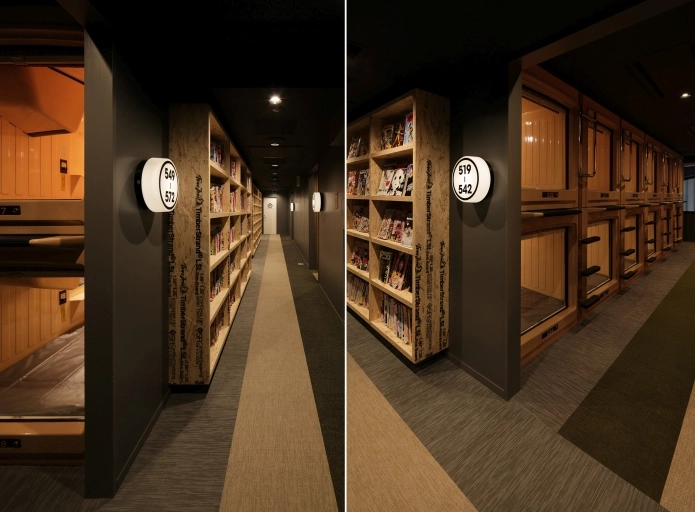
Beyond the Bed: 5 Key Considerations for Solo Stays
The room type is just the start. These factors will make or break your experience.
1. Location is Everything (No, Really)
As a solo traveler, your time and energy are precious. Staying 45 minutes outside the city center to save $10 a night is a false economy. Prioritize proximity to a major train station (like Shinjuku, Umeda, or Hakata) or a key subway line. Being able to walk back to your room easily at night is a major safety and convenience boost. I'd rather book a capsule at a prime location than a cheap hotel in the suburbs.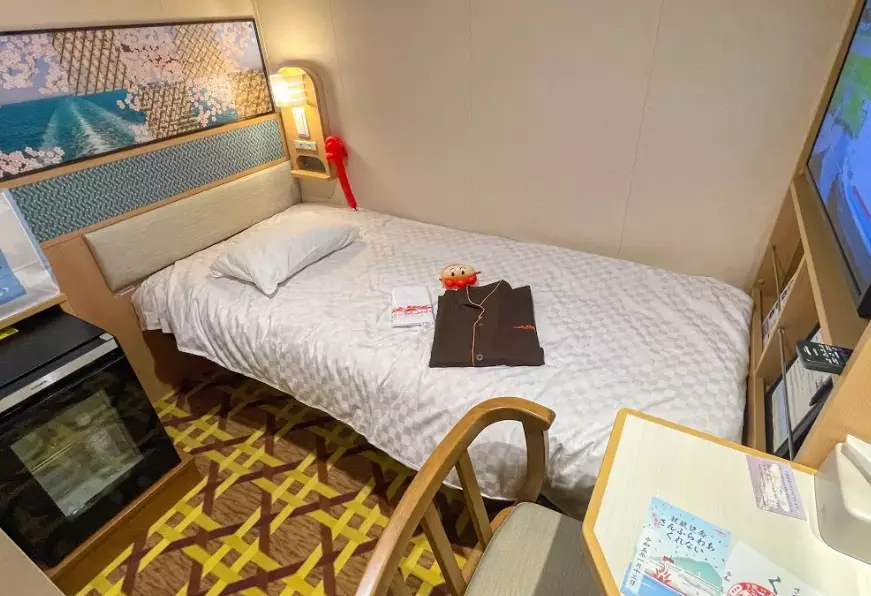
2. The Social vs. Solitude Balance
Be honest with yourself. Do you want to meet people, or recharge alone? Hostel common rooms are great, but if you're introverted, a business hotel's predictability might be less draining. Some capsule hotels are silent and sterile; others, like The Millennials, actively foster interaction. Read recent reviews specifically from solo travelers.
3. Luggage Logistics
This is a huge, overlooked pain point. Capsule hotels and some older hostels have small lockers. If you have a large suitcase, you're in trouble. Always check: "Is there luggage storage before check-in/after check-out?" and "What are the locker dimensions?" Many business hotels will hold your bags for free, a massive perk.
4. Payment & Check-in
More places are moving to automated check-in kiosks. These can be confusing if you don't read Japanese. Look for places with 24-hour front desks, especially if your flight arrives late. Also, note that many smaller guesthouses and some capsule hotels are cash-only upon arrival. Always have yen on hand.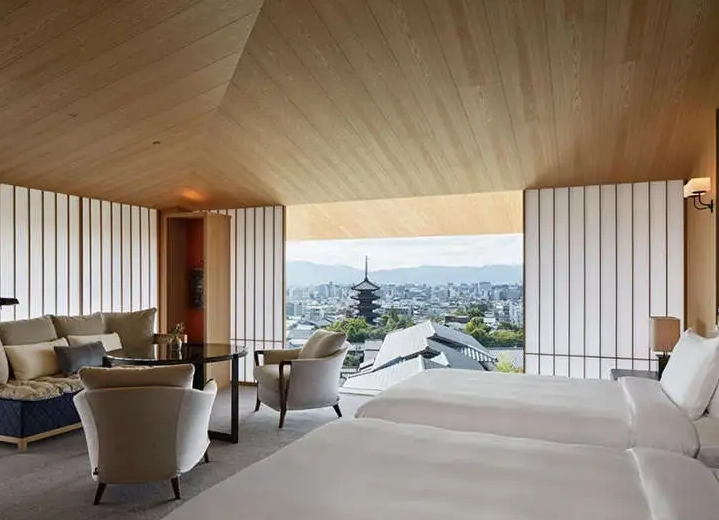
5. The Bathroom Question
Shared bathrooms in Japan are typically spotless. But consider your routine. If you hate waiting for a shower in the morning, a private bathroom in a business hotel might be worth the splurge. Many hostels now have private, lockable shower rooms even if toilets are shared, which is a great middle ground.
City-Specific Spot Recommendations
Where you are changes what makes sense.
| City | Best For Solo | Specific Recommendation & Why | Approx. Nightly Rate (Solo) |
|---|---|---|---|
| Tokyo | First-timers, Socializing | Book and Bed Tokyo Shinjuku. A hostel built inside a bookstore. Private bunk "bookshelves." Unbeatable location, quiet but unique social vibe. | ¥4,500 (dorm) |
| Kyoto | Atmosphere, Culture | Piece Hostel Sanjo. Fantastic social hostel with a great bar/communal dinner option. Staff run cultural events. Easy walk to downtown and river. | ¥3,200 (dorm) / ¥8,500 (private) |
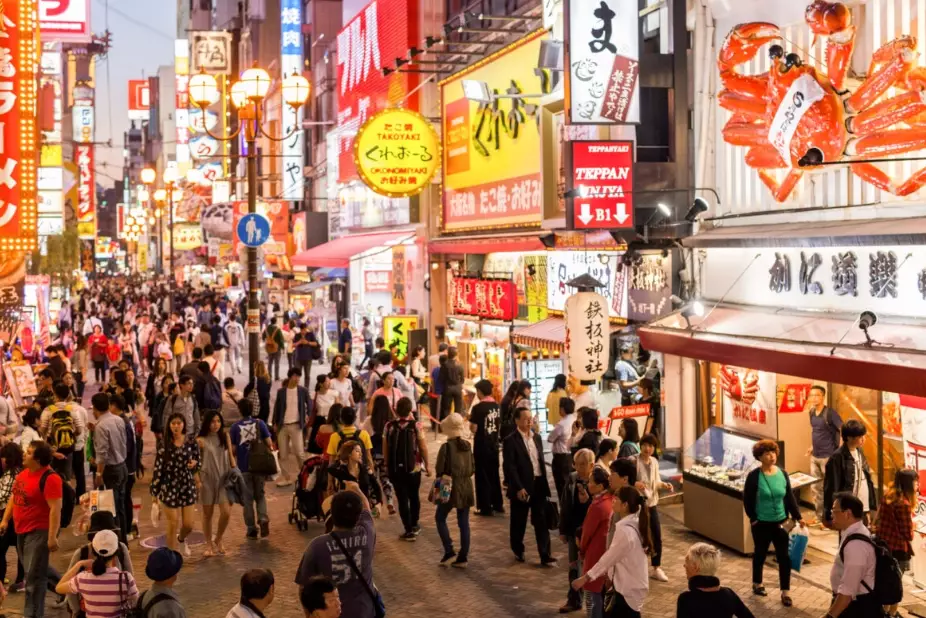
| Osaka | Foodies, Nightlife | Hotel the Flag Shinsaibashi. Stylish business hotel in the heart of Dotonbori. Free smartphone to use locally, excellent public bath. You're steps from all the food. | ¥9,000 |
| Kanazawa | Value, Charm | Hotel Pacific Kanazawa. A reliable business hotel a short walk from the station and the famous Kenrokuen Garden. Great value for a private room with breakfast. | ¥7,500 |
Booking Tactics & The Hidden Fee Trap
Don't just click "book" on the first site you see.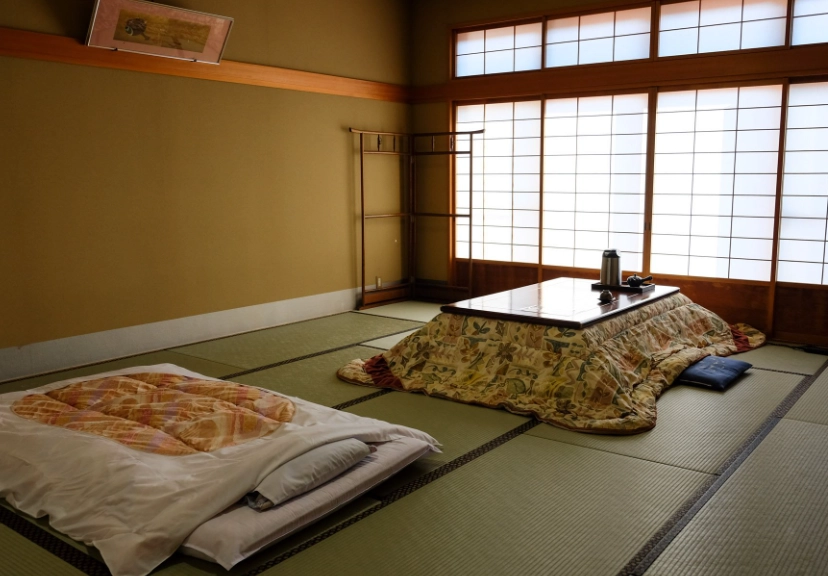
Always cross-check: Booking.com, Agoda, and the property's own website. Direct bookings sometimes offer perks like free breakfast or a later check-out.
The Single Supplement Scourge: This is the biggest ripoff for solos. It's a fee charged for occupying a double room alone. How to fight it?
1. Filter your search for "1 guest" or "Solo Traveler."
2. Look for hotels advertising "Solo Rooms" or "Single Rooms."
3. On the booking page, scrutinize the rate breakdown. Does it say "per room" or "per person"?
4. Consider that a private room in a hostel might be cheaper than a business hotel with a single supplement.
Use Japanese sites with a translation browser plugin: Sites like Jalan or Rakuten Travel often have exclusive plans and rates not listed on global OTAs. It's a bit more work but can yield significant savings.
Solo Traveler FAQs (The Real Questions)
Your accommodation is more than a bed. It's your home base, your safe haven, and sometimes your social hub. By matching the type of stay to your personal travel style and nailing the logistics, you set the stage for an incredible, stress-free solo adventure in Japan. Now go book that perfect pod, private room, or guesthouse—and get ready to explore.
Share Your Thoughts