Let's cut straight to the point. Yes, sushi in Japan can be incredibly cheap, shockingly so if you're used to prices back home. But "cheap" here spans a huge range, from a 110-yen conveyor belt plate to a 50,000-yen omakase experience. The real question isn't just "how cheap," but "how do you find the good, cheap sushi that locals eat?" I've spent years bouncing between Tokyo's standing bars and Kyoto's hidden counters, and the price difference often has little to do with taste and everything to do with location, overhead, and a bit of insider know-how.
What's Inside This Guide?
How Cheap Is Sushi in Japan? The Price Spectrum
Forget a single number. Think of it as a ladder. At the bottom, you have the truly democratic, fast-food style sushi. At the top, an art form. Most travelers, and indeed most Japanese people, live in the middle-to-lower rungs.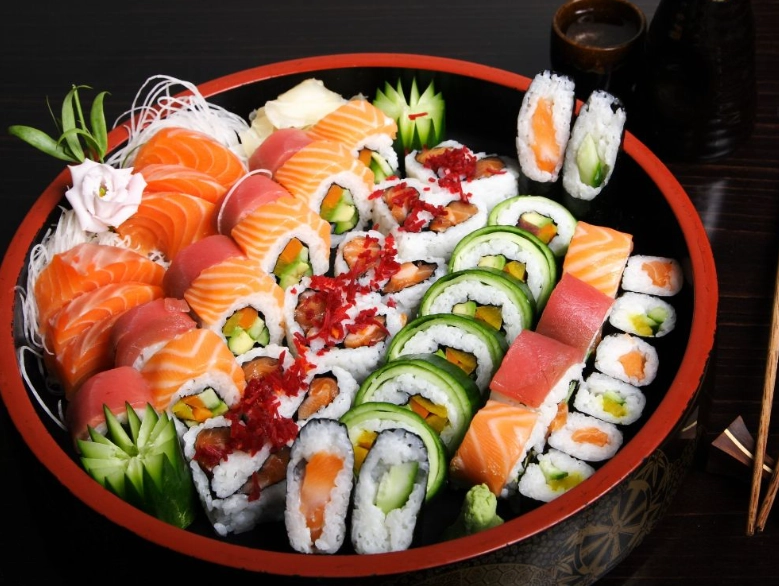
| Type of Sushi Experience | Price Range (Per Person) | What You Get & Typical Setting | Best For |
|---|---|---|---|
| Conveyor Belt (Kaiten) Sushi | ¥1,000 - ¥2,500 ($6.50 - $16) | Plates from ¥110 (about $0.70). Self-service tea, efficient, often tech-heavy (tablet ordering). Chains like Sushiro, Kura Sushi. No-frills, focused on volume and consistency. | Quick, casual meals; families; trying a wide variety without commitment. |
| Stand-up / Counter Sushi (Tachigui) | ¥500 - ¥1,500 ($3 - $10) | The ultimate budget hack. Served directly over the counter, you stand and eat. Often near stations or markets. Minimal overhead means stunning value. Two pieces of superb tuna nigiri for ¥150? Common. | Ultra-budget travelers, solo diners, a quick, authentic snack. |
| Mid-range Sushi Restaurant | ¥3,000 - ¥8,000 ($20 - $52) | A proper sit-down meal. You might order a set (teishoku) or à la carte. Fish quality is noticeably better than conveyor belts. Atmosphere is calm, service is present. This is where many locals go for a nice-but-not-splurge dinner. | A more traditional, relaxed dining experience without the luxury price tag. |
| High-end Sushi-ya (Omakase) | ¥15,000 - ¥50,000+ ($98 - $325+) | The chef's tasting menu. Price is for the experience: top-tier, seasonal fish, masterful technique, curated ambiance, and personal interaction with the chef (itamae). Reservations are mandatory, often tricky to get. | Special occasions, culinary deep dives, experiencing sushi as a high art. |
See that gap between conveyor belt and high-end? That's where the magic for most of us happens. A massive lunch at a great kaiten place can cost less than a sad sandwich and coffee in many Western cities.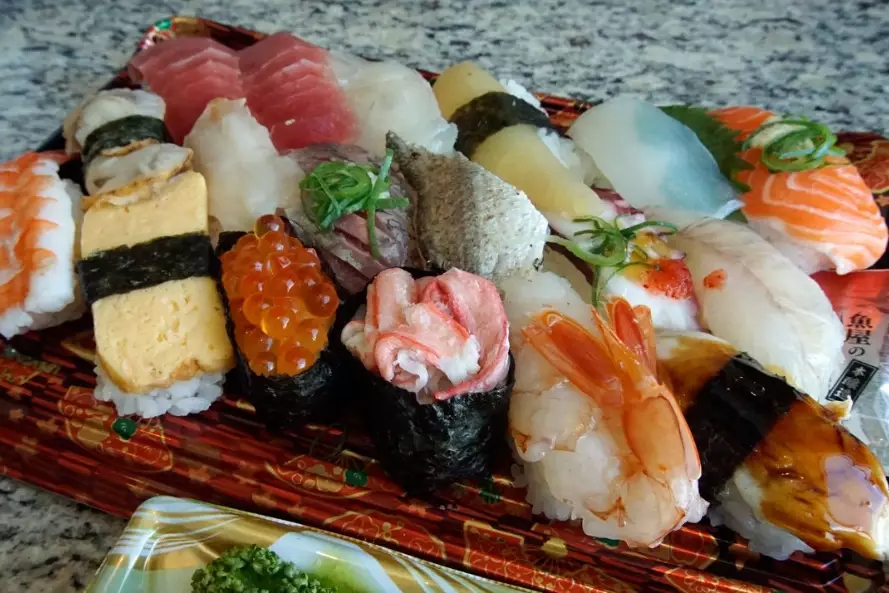
A common mistake I see: Visitors equate price with authenticity. They think a ¥300 conveyor belt plate is "touristy" and not "real" sushi. That's wrong. Kaiten sushi is a hugely popular, integral part of Japanese food culture. The real issue isn't authenticity, it's freshness logistics. At a high-volume chain, turnover is so high the fish is fresh. The skill is in the system, not just the chef's hands.
What Determines Sushi Price in Japan?
It's not just the fish. Understanding these factors lets you hunt for value like a pro.
Location, Location, Location (and Rent)
A tiny standing sushi bar in a back alley of Tsukiji (or its new Toyosu home) pays peanuts in rent compared to a glossy restaurant in Ginza. The fish might come from the same auction. The alley shop passes the savings to you. Always look one street back from the main drag.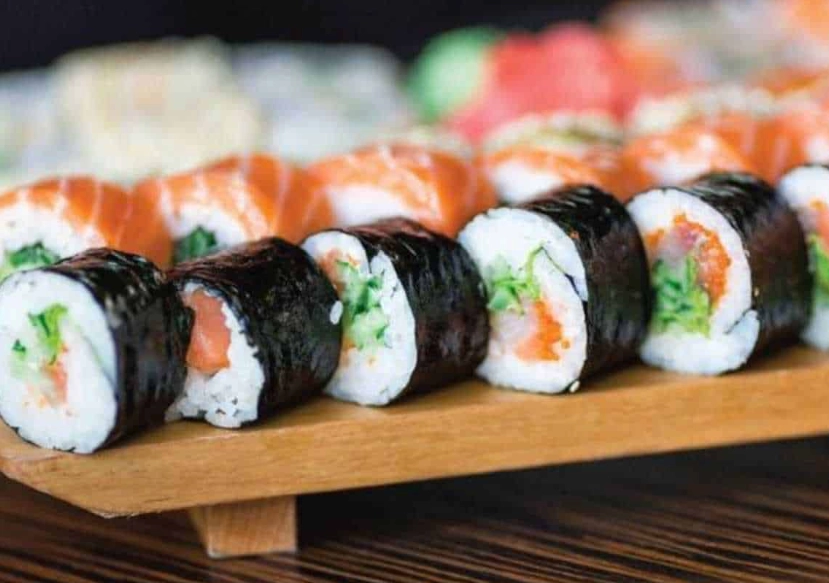
The Fish Itself: Market Price is Real
Otoro (fatty tuna belly) will always cost more than maguro (lean tuna). Uni (sea urchin) and ikura (salmon roe) are pricey. Seasons matter. A set menu in winter might feature fatty fish, while summer leans towards lighter, silvery fish. A good cheap strategy? Go for the "today's recommendation" (osusume) or the set menu—it's often the best value and freshest.
Restaurant Type & Overhead
This is the big one. A standing bar has no waitstaff, minimal seating costs, and rapid turnover. A kaiten chain leverages insane economies of scale and automated systems. A high-end place has a master chef, premium tableware, serene decor, and maybe just 8 seats. You're paying for all of that.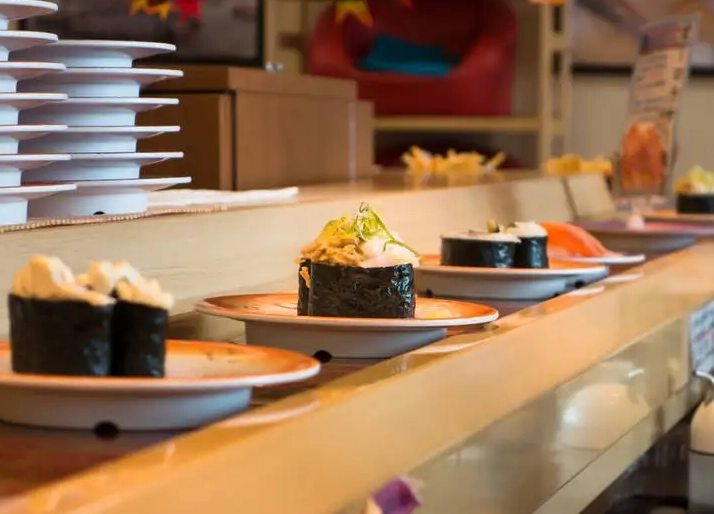
Lunch vs. Dinner
This is the oldest trick in the book, but it works. Many mid-range and even some high-end places offer dramatically cheaper lunch sets (teishoku). You might get the same chef, similar quality fish, in a simpler presentation for 40-60% of the dinner price. If you want to try a nicer place, always aim for lunch.
How to Find Cheap Sushi in Japan: A Strategic Breakdown
Okay, theory is done. Let's get practical. How do you actually find these places?
Embrace the Chains (Seriously)
Don't snub them. Chains like Sushiro, Kura Sushi, and Hama-sushi are masters of logistics. Quality is consistent and good. A plate is typically ¥110 to ¥150. They often have tablet ordering with pictures and English. Look for them in suburban neighborhoods or near major stations. Pro tip: Go right when they open for the absolute freshest restocking of the day.
Seek Out the Standing Sushi Bars
These are goldmines. Look for places with a counter, no chairs, and salarymen quickly eating. They're often in:
- Fish markets (Toyosu, outer Tsukiji area, smaller local markets).
- Under train tracks (especially in Tokyo, like Yurakucho/Ginza area).
- Business districts at lunchtime.
You order by pointing or saying the number. It's fast, delicious, and ultra-cheap. A meal can be under ¥1,000.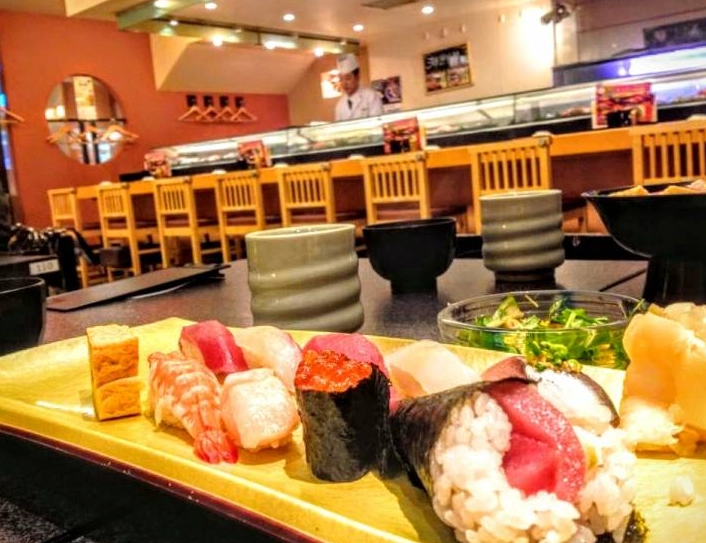
Lunch Set Menus Are Your Best Friend
Walk around any business area at noon. Look for plastic food displays outside restaurants. You'll see sushi teishoku for ¥1,000 to ¥2,000. It usually includes 8-12 pieces of nigiri, miso soup, and maybe a small side. The value is unbeatable.
Don't Overlook Department Store Basements (Depachika)
This sounds counterintuitive, but the food halls in basements of stores like Isetan, Takashimaya, or Mitsukoshi have incredible sushi counters. They sell take-out boxes (bento) in the evening, often at a 20-30% discount as they clear daily stock. You can get a gorgeous, high-quality assortment for ¥1,500-¥2,500 that would cost double in the restaurant upstairs.
Use Local Apps, Not Just Google Maps
Google Maps reviews are often tourist-heavy. For more authentic, value-focused spots, check Japanese platforms like Tabelog. A rating above 3.5 is excellent. Filter by area and price range. Even if you can't read the reviews, the score and photos tell a lot.
Avoid the Obvious Tourist Traps
Any place in Tokyo's Tsukiji Outer Market with huge English signs and a line of tourists usually has median quality at inflated prices. Walk five minutes further. The same goes for areas immediately around major temples and shrines at lunchtime.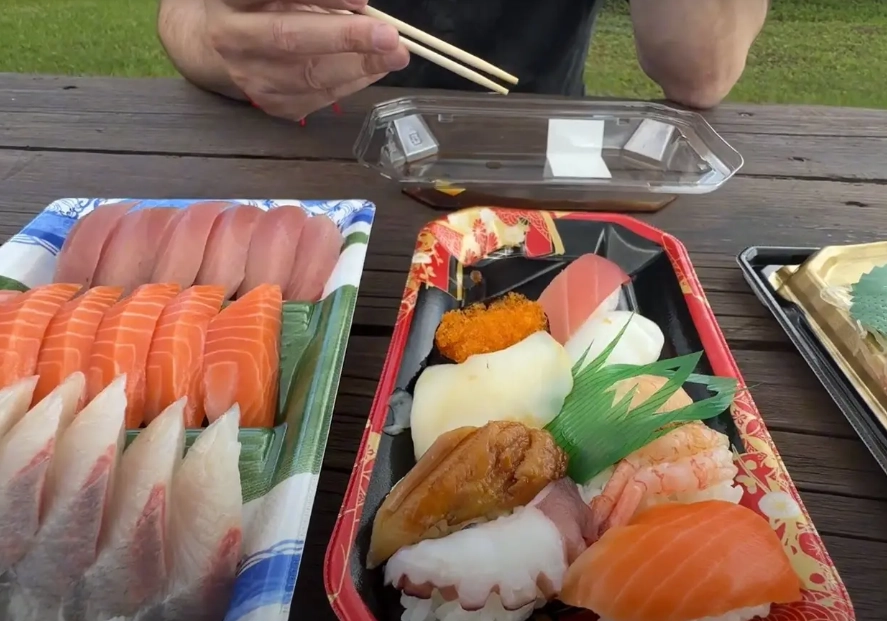
The Real Cost of Eating Sushi in Japan: A Detailed Breakdown
Let's talk concrete numbers for a day of sushi eating, based on my own recent trips.
Budget Traveler's Sushi Day:
- Breakfast/Lunch: Standing sushi bar near Shinjuku Station. 6 pieces of nigiri (tuna, salmon, shrimp, egg) + miso soup. Cost: ¥800.
- Afternoon Snack: One iconic ¥110 plate at Kura Sushi (maybe for the famous dessert sushi!). Cost: ¥110.
- Dinner: A solid conveyor belt dinner. 10 plates (including a few premium ¥220 plates), green tea. Cost: ¥1,500.
Total for the day: ¥2,410 (about $15.70). You've eaten sushi three times, been full, and it was all perfectly good.
Mid-Range Enjoyer's Sushi Day:
- Lunch: Sushi teishoku at a well-rated local restaurant in Shimbashi. 10-piece chef's selection set. Cost: ¥2,200.
- Dinner: A sit-down, order-by-the-piece meal at a cozy Ginza spot. You have 12 pieces of higher-grade fish, a beer, and some tamagoyaki. Cost: ¥6,500.
Total for the day: ¥8,700 (about $56.50). A significant step up in quality and experience.
The point is, you have complete control. You can mix and match. Do a standing bar lunch and a conveyor belt dinner. Or splurge on one incredible omakase lunch and eat cheap ramen for dinner. It's all possible.
Share Your Thoughts