You step off a long flight into Tokyo, stomach growling. It's 11 PM. In most cities, you'd be stuck with a vending machine candy bar. In Japan, you walk into the glowing embrace of a 7-Eleven, FamilyMart, or Lawson. Within minutes, you're holding a warm, delicious, and balanced meal for under 500 yen. This isn't just convenience; it's a culinary ecosystem. Konbini food is a pillar of Japanese daily life, a far cry from the sad hot dogs and stale donuts you might expect. For travelers, it's a lifeline. For locals, it's efficiency perfected. Let's strip away the mystery and get into exactly how to navigate and enjoy it like a pro.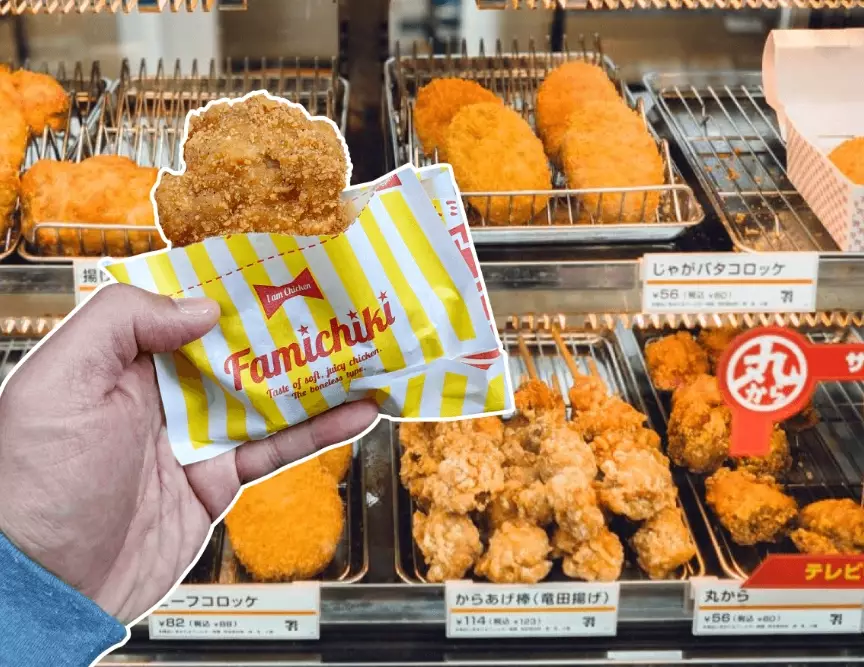
What’s Inside: Your Konbini Cheat Sheet
More Than a Store: Understanding Konbini Culture
First, forget everything you know about convenience stores back home. A Japanese konbini (コンビニ) is a hyper-efficient hub. Yes, you buy food. But you also pay bills, print documents, ship packages, buy concert tickets, and use a spotless bathroom. They're open 24/7, 365 days a year. The food turnover is insane—new items launch weekly, and anything unsold by its shōmikigen (consume-by date, incredibly strict) is discarded. This relentless cycle is why the food is consistently fresh.
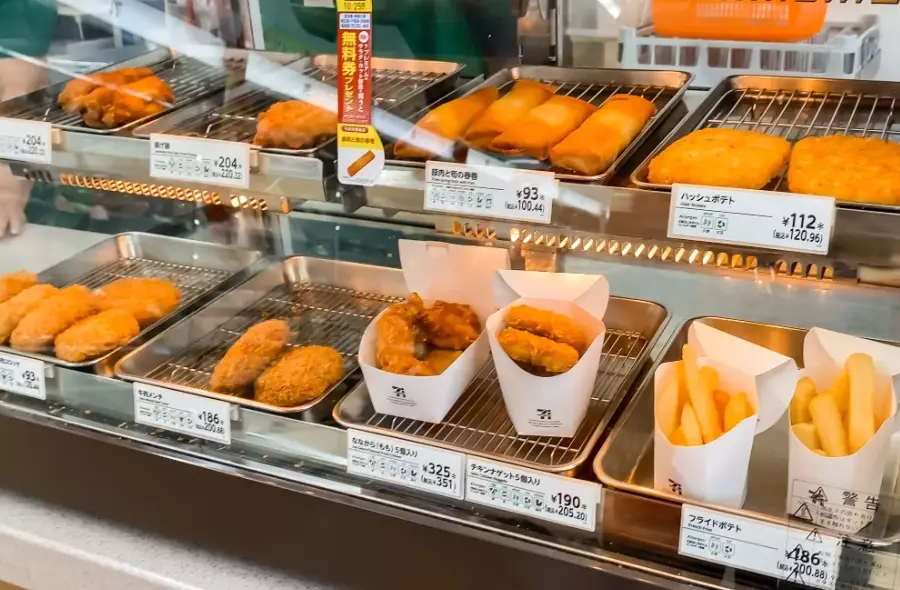
The big three chains dominate: 7-Eleven (セブン‐イレブン), FamilyMart (ファミリーマート), and Lawson (ローソン). Each has a slightly different personality. 7-Eleven is often praised for its premium baked goods and "Seven Premium" brand items. FamilyMart is famous for its Famichiki fried chicken. Lawson leans into health trends with its "Natural Lawson" spinoffs and has a cult following for its Karaage-kun fried chicken bites. You can't go wrong with any, but trying all three is part of the fun.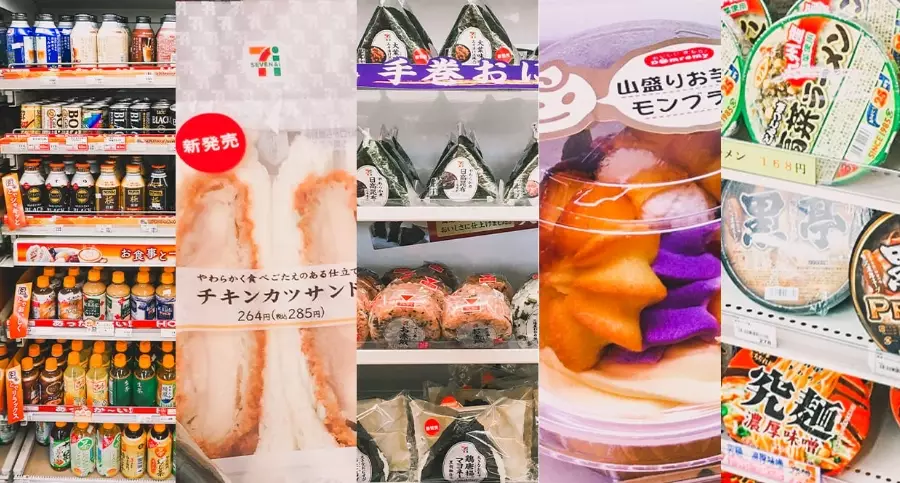
Local Insight: The real magic happens in the collaboration between chains and famous restaurants or chefs. It's common to see bento boxes developed with renowned tonkatsu shops, ramen joints, or even high-end department store depachika food halls. You're often eating a carefully engineered, mass-produced version of a specialty dish for a fraction of the price.
The Non-Negotiable Must-Try Items
Walking into a konbini can be overwhelming. Rows of colorful packaging, all in Japanese. Here’s a breakdown of the categories you need to explore, moving beyond the basic sandwich.
| Category | What to Look For | Price Range (Yen) | Why It's Special |
|---|---|---|---|
| Onigiri (Rice Balls) | Salmon (鮭), Umeboshi (梅), Tuna Mayo (ツナマヨ), Kombu (昆布). Look for the pull-tab packaging. | 100 - 200 | The ultimate quick snack. Perfectly seasoned rice, nori stays separate and crisp until you open it. |
| Bento & Prepared Meals | Grilled Salmon Bento, Karaage (Fried Chicken) Bento, Pasta Salads, Chinese-style Stir-fry boxes. | 400 - 650 | A complete, balanced meal. The variety is staggering, from Japanese classics to Italian pasta. |
| Fried & Hot Foods | Famichiki (FamilyMart), Seven's Fried Chicken, Lawson's Karaage-kun, Korokke (croquettes). | 150 - 300 | Shockingly good. Juicy, crispy, and consistently delicious. A national obsession. |
| Sandwiches & Bread | Egg Salad Sandwich, Fruit Sandwiches, Melon Pan, Cream-filled buns. | 150 - 300 | Fluffy, crustless white bread. The egg salad sandwich is a iconic, creamy delight. |
| Sweets & Desserts | Pudding (プリン), Mochi treats, Ice Cream (especially matcha flavors), Limited-time parfaits. | 100 - 350 | Quality rivals dedicated patisseries. The pudding is silky and rich. |
My personal can't-miss? The 7-Eleven Egg Salad Sandwich. It sounds simple. It is simple. But the ratio of fluffy bread to creamy, subtly sweet filling is engineering genius. For a savory punch, a FamilyMart Famichiki is a rite of passage—ask them to heat it up at the register. The first bite, with steam escaping the craggy crust, is a core konbini memory.
The Hidden Gem: Soups and Stews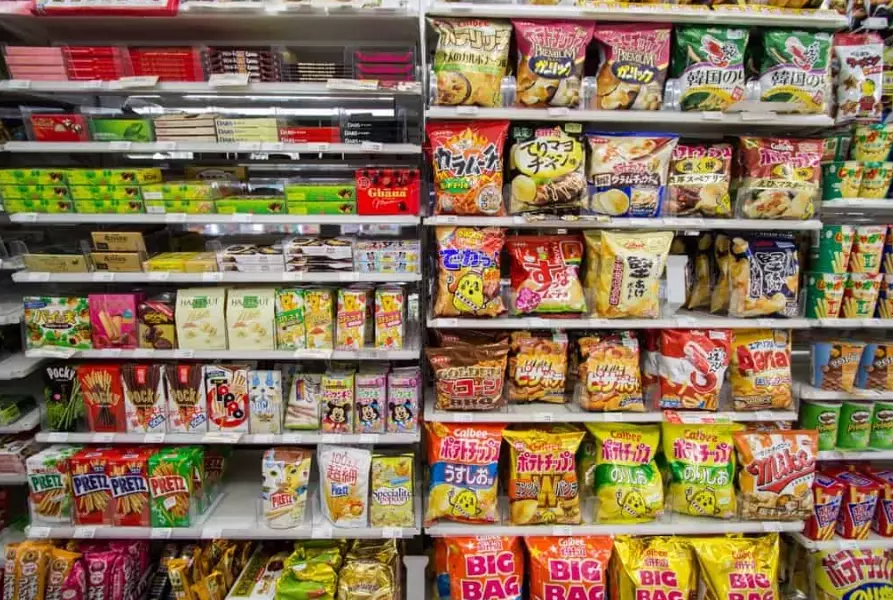
Often overlooked are the refrigerated packs of oden (a winter stew) or pot-au-feu. You buy the soup base and ingredients separately. At home, you simmer it for a few minutes. On a cold day, it's pure comfort food for about 300 yen. Look for daikon radish, boiled eggs, and chikuwa fish cakes in the oden section.
How to Eat (Relatively) Healthy at a Konbini
"It's all processed junk" is the biggest misconception. While there are indulgent options, konbini are masters of portion control and offer many balanced choices. The key is knowing where to look.
Salads are your friend, but be smart. The plain green salad is fine, but for a meal, get the protein pack salads—chicken breast, tuna, or tofu. Dressings are usually in separate packets; use half. Edamame pods are a fantastic high-protein, high-fiber snack. Boiled eggs (often sold in packs of two) are a staple.
For a main, opt for bento with grilled fish (shiozake - salted salmon) or grilled chicken, steamed vegetables, and rice. Avoid the ones dominated by fried tonkatsu or creamy sauces. Many bento now display calorie and salt content clearly on the front.
Snack attack solutions: A plain yogurt (look for 無糖 - "mutō" no sugar), a piece of fruit (bananas or apple slices are common), or a small pack of nuts. The drink aisle has unsweetened green tea, barley tea (mugicha), and water, of course.
I learned this the hard way. On my first trip, I lived on fried chicken and cream buns. By day four, I felt sluggish. Switching to a salmon bento with a side salad and green tea made a world of difference. You can feel good eating here.
Pro Tips and Combos You Won't Find on Google
After a decade of konbini reliance, here are the nuances most guides miss.
1. The Art of the Combination Meal (Konbini Setto). Don't just buy a bento. Create your own perfect plate. A typical local combo: One onigiri (like umeboshi for a tart kick) + a small side salad + a boiled egg + a bottle of tea. Cost: ~450 yen. It's lighter, more customizable, and often fresher than a pre-assembled bento.
2. The Microwave is Your Best Friend. Hand any bento, fried food, or even some sandwiches to the cashier and say "Atatamete kudasai" (please warm this up). They'll do it perfectly. A reheated karaage bento beats a cold one every time.
3. Breakfast is King. Konbini breakfast is an institution. Grab a hot coffee (they'll pour it fresh from the machine, and you can customize milk/sugar), a hard-boiled egg, and a banana or yogurt. Under 300 yen for a complete start. The coffee is surprisingly decent—better than many gas station coffees elsewhere.
4. Navigate with Your Eyes, Not the Language. Can't read Japanese? No problem. Packaging is incredibly visual. You can see the grilled fish, the chicken, the layers of the sandwich. For onigiri, the flavor is often illustrated in a small picture on the corner (a salmon silhouette, a plum).
5. Check the "New Arrivals" Shelf. Usually near the entrance. This is where seasonal and limited-time items debut. Cherry blossom-flavored sweets in spring, cool somen noodles in summer, hearty stews in winter. It's the pulse of Japanese snack trends.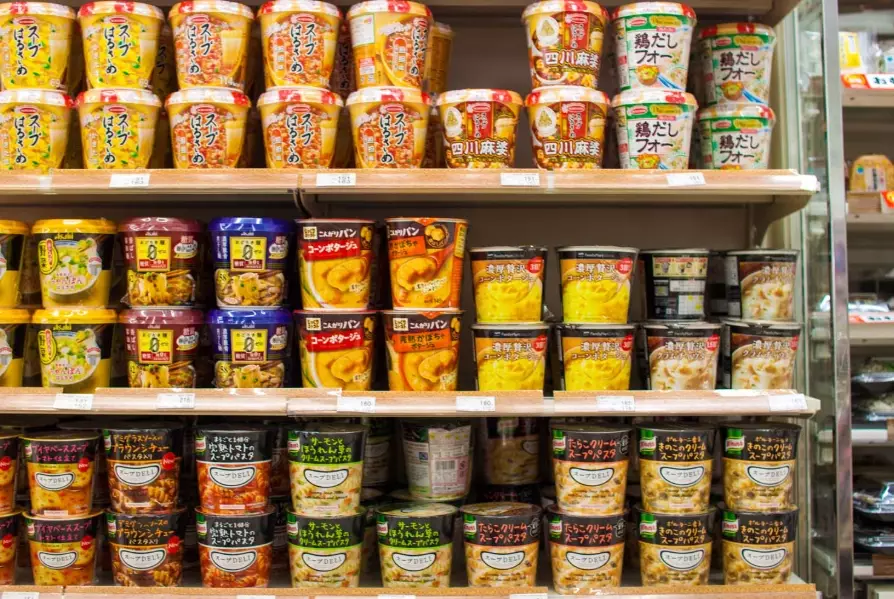
A Common Mistake: Tourists often buy a full bento, a large drink, and a dessert. It's too much food, too heavy, and costs 800+ yen. Locals mix and match smaller items. Try a half-size pasta salad, an onigiri, and a small drink. You'll spend less, waste less, and feel better.
Your Konbini Questions, Answered
Can I find vegetarian options at a Japanese konbini?
It's challenging but not impossible. You must become a label detective. Look for phrases like 野菜のみ (yasaki nomi - vegetables only) or 植物性 (shokubutsusei - plant-based). Safer, widely available bets include: plain rice onigiri (ume plum or kombu, but check for dashi in the rice seasoning), some vegetable salads (ask for no dressing or check its ingredients), edamame, plain baked sweet potatoes (sometimes available), and certain breads like anpan (red bean paste). The major pitfall is dashi (fish stock), which is in almost everything savory, including simmered vegetables and most soup stocks. When in doubt, the ingredient list on the back is your final authority.
How do I heat up a bento or fried chicken from a konbini?
Every store has a microwave for customer use, always located behind the counter. You don't touch it. Simply place your bento or karaage on the counter and say "Atatamete kudasai" or just point and say "Onegaishimasu" (please). The cashier will expertly remove any non-microwave-safe film or packaging, heat it for the precise time (which varies by item—they know), and hand it back to you perfectly warmed. For fried chicken, this is non-negotiable. It revitalizes the crispiness and makes it taste almost fresh-fried.
What is the average price range for a meal at a konbini?
The beauty is the affordability. You can assemble a filling, satisfying meal for between 300 and 700 yen. Breakdown: A hearty onigiri (120-180 yen), a main protein like a grilled chicken breast pack or a small bento (350-500 yen), a side salad (150-250 yen), and a drink (100-150 yen). Compared to sit-down restaurant dining in Japan (often 1000+ yen for lunch), it's a massive cost saver. This is why students, office workers, and budget travelers rely on them.
Are konbini foods healthy, or are they all processed?
This is the wrong question. The right question is: "Can I make healthy choices at a konbini?" And the answer is a definitive yes. While there are plenty of processed snacks and sugary drinks, the stores are packed with whole-food options. A bento with grilled fish, steamed vegetables, and rice is a balanced meal. A salad with tuna, a boiled egg, and a yogurt is lean protein and nutrients. The issue is choice, not availability. You can easily pick a high-sodium, high-fat fried meal, or you can choose a steamed chicken and veggie set. They provide the data (calories, salt) on the package. The power is yours.
 Konbini food isn't just about eating; it's about understanding a slice of modern Japan. It's efficient, innovative, and deeply integrated into the rhythm of life. Next time you see that familiar glow, walk in with confidence. Grab that onigiri, ask them to heat your chicken, and enjoy a meal that's more than the sum of its parts. You're not just getting a snack. You're participating in a cultural institution.


Share Your Thoughts