Your Konbini Quick Guide
Let's be honest. When you think of convenience store food back home, what comes to mind? Maybe a questionable hot dog rolling on a grill for hours, or a packaged sandwich that tastes like cardboard. I used to think the same way. That was until I spent a month traveling across Japan and realized my survival—and most of my memorable meals—depended entirely on the humble "konbini."
Japanese convenience store food is a different beast altogether. It's not an afterthought; it's a culinary destination. We're talking about meals that office workers happily eat for lunch, that families rely on for a quick dinner, and that foodies actively seek out for limited-edition treats. The quality, variety, and sheer innovation will blow your mind. I remember my first onigiri (rice ball)—I was skeptical, but that first bite of warm salmon and perfectly seasoned rice at 11 PM outside a 7-Eleven in Kyoto was a revelation. It cost less than a dollar.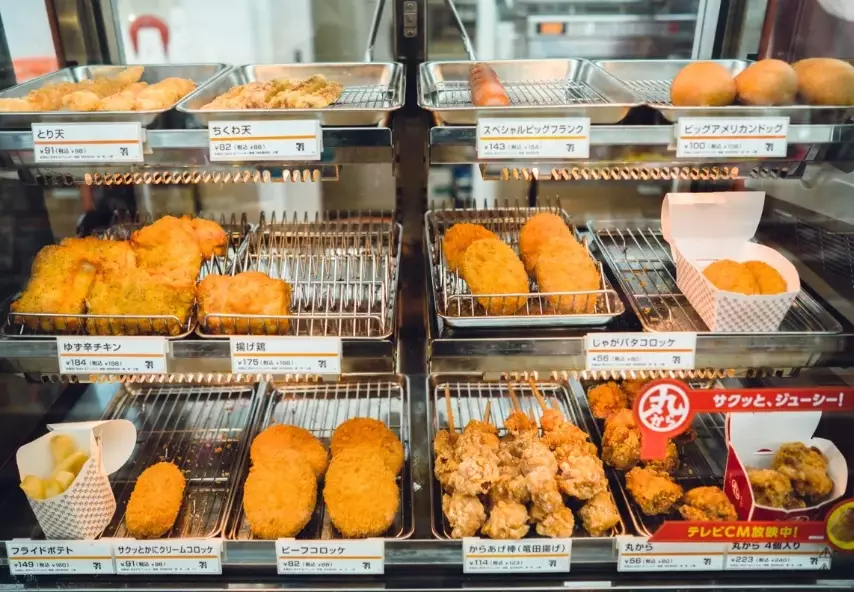
So, what's the big deal? Why has Japanese convenience store food earned a near-mythical status among travelers and locals alike? It boils down to a relentless focus on quality, freshness, and responding to what people actually want to eat. It's a system perfected over decades.
Why Is Japanese Convenience Store Food So Damn Good?
It's not magic, though it feels like it. There are concrete reasons why the food at Lawson, 7-Eleven, and FamilyMart puts the rest of the world's convenience stores to shame.
First, the supply chain is insane. Most items are delivered multiple times a day. That sandwich you pick up at noon was likely made and delivered that very morning. Items that don't sell by their strict "best before" time (often just a few hours after being made) are pulled and discarded. This cycle creates an incredible pressure to keep things fresh and delicious. There's no room for stuff that sits around for days.
Second, it's a fiercely competitive market. The big chains are constantly one-upping each other with new products. Famichiki (FamilyMart's legendary fried chicken) isn't just fried chicken; it's a cultural icon with fan blogs dedicated to it. 7-Eleven's premium Gold series features ingredients you'd find in a nice restaurant. Lawson has its Uchi Café line with pastries that rival dedicated bakeries. This competition benefits us, the eaters.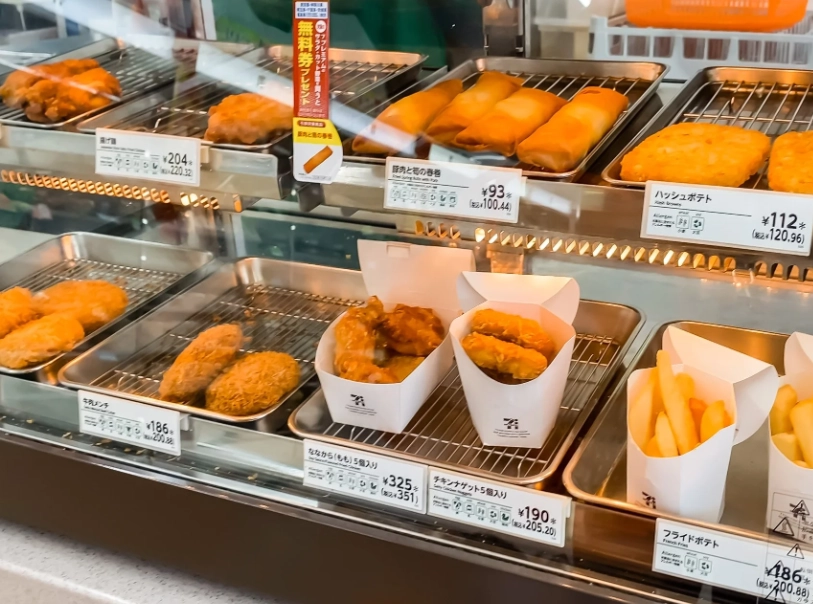
Third, it's designed for the Japanese lifestyle. Long commutes, small apartments with tiny kitchens, and a culture of precision and cleanliness all feed into the konbini's success. The food is packaged neatly, easy to eat on the go (or discreetly at your desk), and leaves no mess. It solves real problems.
I have a confession: I've had konbini meals that were better than some sit-down restaurant meals I've paid triple for. A perfectly balanced katsu sandwich from 7-Eleven on a bullet train beats a mediocre, overpriced curry at a tourist trap any day. Don't @ me.
But with hundreds of items staring back at you from brightly lit shelves, where do you even start? The choice paralysis is real. Let's break it down.
The Must-Try Categories of Konbini Food
Think of the konbini as a deconstructed restaurant. You've got your appetizers, mains, sides, desserts, and drinks. Here’s your menu.
The Hearty Main Players: Bento & Prepared Meals
This is the cornerstone. The refrigerated section is a mosaic of rectangular boxes. Don't just grab the first one you see. There's a hierarchy.
You have your classic Japanese bento: maybe some grilled fish, tamagoyaki (sweet omelet), rice, and pickles. Then you have the more substantial "mini-don" bowls—a bowl of rice topped with things like beef bowl (gyudon), pork cutlet (katsudon), or chicken and egg (oyakodon). These are incredibly satisfying.
But the real winners, in my opinion, are the hot foods. Yes, most konbinis have a hot case! This is where you find the legendary fried chicken (karaage), juicy sausages, steamed buns (manju) filled with pork or pizza sauce, and even fried noodles (yakisoba). They'll heat it up for you in a second. Pro tip: The fried chicken is best eaten within 5 minutes. Find a spot outside the store and just dig in. It's a rite of passage.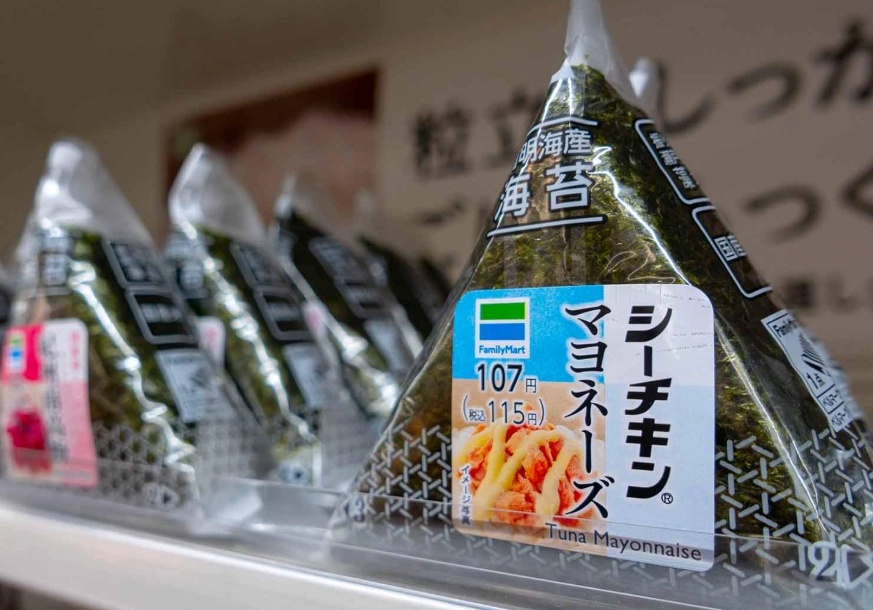
| Bento Type | Best For | Chain to Look For | Personal Pick |
|---|---|---|---|
| Grilled Fish Bento | A light, healthy, classic meal | 7-Eleven (Gold Label) | The salmon is consistently good, not fishy. |
| Katsu Sandwich | A quick, indulgent sandwich fix | 7-Eleven, Lawson | The bread is fluffy, the sauce tangy. A perfect combo. |
| Karaage (Fried Chicken) Box | Comfort food, late-night craving | FamilyMart (Famichiki is king) | Famichiki is juicier and more flavorful, hands down. |
| Pasta Salad | A cool, creamy side or light lunch | All chains | Surprisingly good. The macaroni salad is a must-try side. |
Onigiri: The Perfect Portable Food
These triangular rice balls are a work of art. The seaweed (nori) is kept separate in a clever wrapper so it stays crisp until you're ready to eat. Pull the plastic tabs and it wraps perfectly around the rice. The fillings? Endless.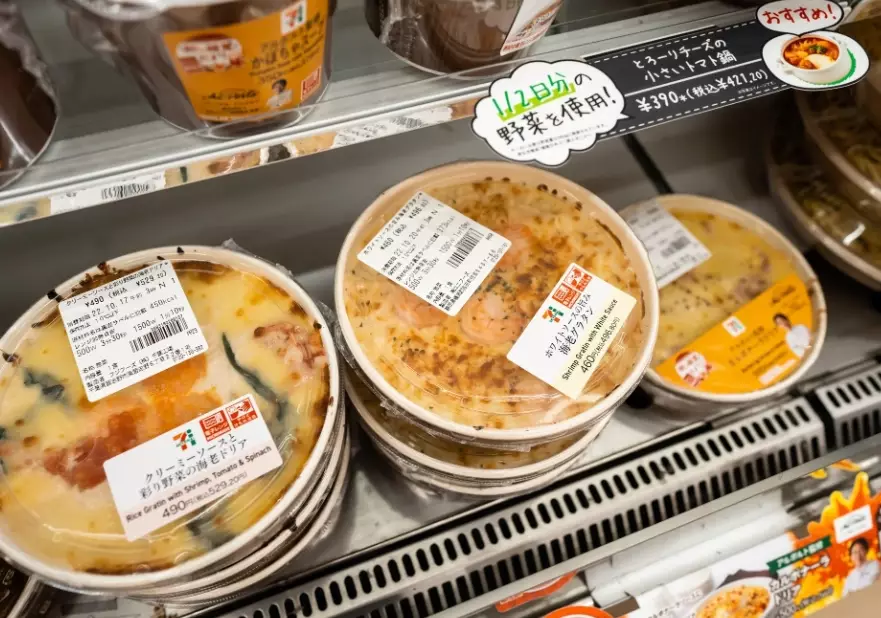
- Classic Salmon (Sake): Always reliable. Flaky, salty salmon.
- Spicy Cod Roe (Mentaiko): A briny, spicy, umami punch. Not for the faint of heart, but a favorite.
- Plum (Umeboshi): A sour, pickled plum in the center. It's an acquired taste—I find it a bit too sour on its own, but it cuts through the rice.
- Tuna Mayo (Tsuna Mayo): Creamy, savory, and universally loved. The gateway onigiri.
- Grilled Beef (Yakiniku): Yes, you can get grilled beef in a rice ball. It's as good as it sounds.
How to eat an onigiri without making a mess: Hold it with the nori-wrapped part facing you. Take a bite from the corner where the filling is most concentrated. The packaging usually has a numbered diagram, but half the fun is figuring it out (and sometimes failing).
Snacks, Sweets & The Bakery Section
This is where the konbini shines as a dessert bar. The pastry shelves are filled with items that rival French patisseries—at a fraction of the price.
You have your cream puffs, pudding (purin—get the one with the bitter caramel sauce), cheesecakes, and mont blancs. Then there are the Japanese-specific treats like melon pan (a sweet bun with a cookie crust that looks like a melon), anpan (bun filled with red bean paste), and various mochi treats.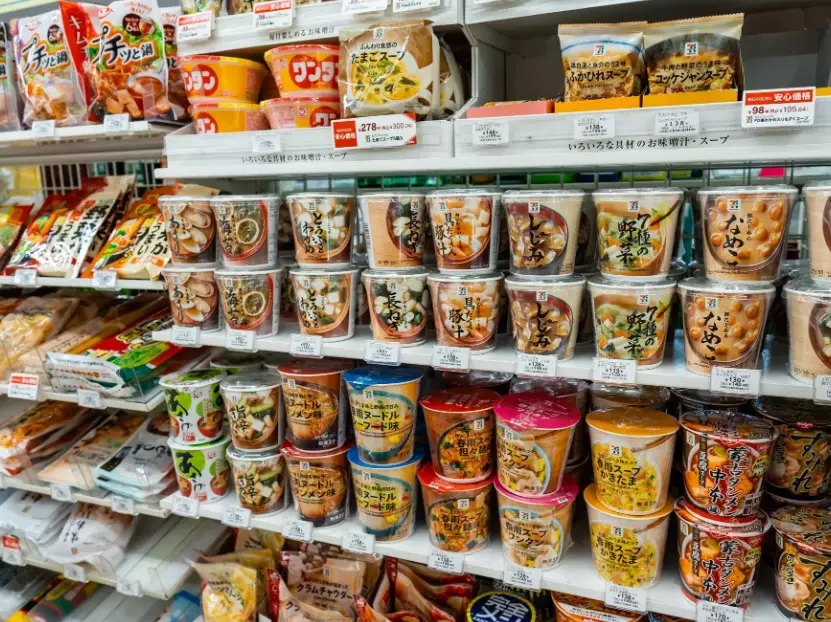
Don't ignore the ice cream freezer. It's a treasure trove of unique flavors: matcha, black sesame, sweet potato, and even sake-flavored ice cream bars. The quality is outstanding.
The limited-edition items are a game. They appear for a season, create a social media frenzy, and then vanish.
I still dream about a Hokkaido milk cream roll Lawson had one autumn. It was so good I went back three days in a row, only to find it was gone, replaced by a chestnut version. That's the konbini cycle: constant, delicious evolution.
Drinks: More Than Just Soda
The drink wall is an education in itself. Beyond the usual colas, you'll find an entire chilled section dedicated to teas (green tea, barley tea, oolong tea), coffees (both cold in cans and hot in those iconic sealed bottles), and functional drinks. Need more vitamin C? There's a drink for that. Feeling tired? There's an "energy" tea. It's fascinating.
The hot drink machine is your friend, especially in winter. For 100-150 yen, you get a piping hot can of coffee, latte, or even corn soup that you can cradle in your hands. It's a small, cheap comfort.
How to "Konbini" Like a Pro: Etiquette & Tips
Okay, you've got your haul. Now what? Navigating the checkout and consumption has its own unspoken rules.
Most konbinis have a small counter with a microwave, hot water dispenser, and sometimes even a toaster. It is completely expected that you will ask the staff to heat your bento, noodles, or sandwich. Just hand it to them and say "atatamete kudasai" (please heat this) or simply point and nod. They'll do it with a smile.
Where to eat? This is the tricky part. Konbinis rarely have seating. People eat standing at narrow counters by the window, on nearby benches, or take it home/to their hotel. It's generally not cool to just loiter inside eating. Buy your food, get it heated, pay, step to the side to organize your bags, and then leave to eat. It's efficient.
Paying is a breeze. Cash is king, but cards and mobile pay like Suica/Pasmo are widely accepted. The staff will often put your change and receipt on a small tray—pick it up from there. It's a polite practice.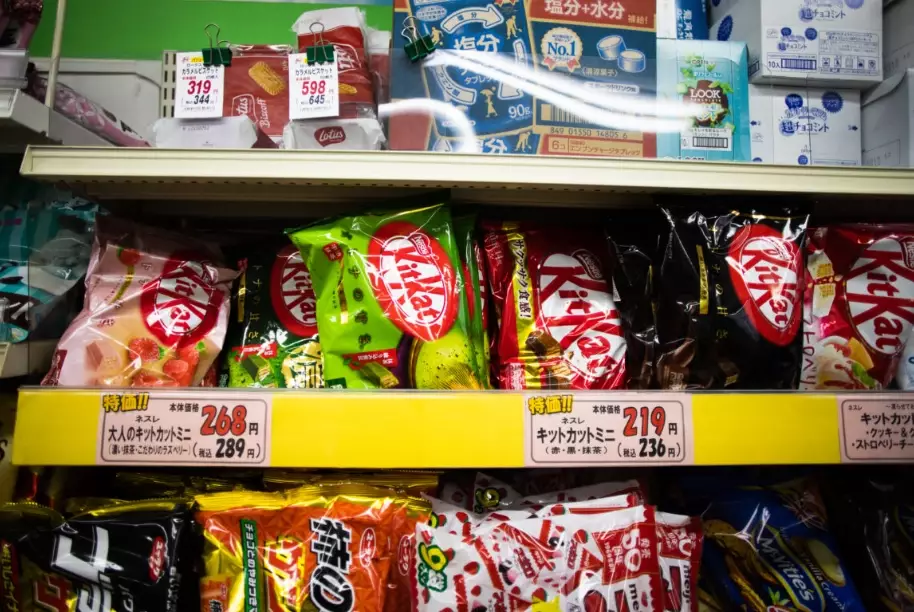
My biggest rookie mistake? Buying a cold drink and a hot bento, then shoving them in the same plastic bag. The condensation from the cold bottle made the bag—and my receipt—a soggy mess. Lesson learned: ask for separate bags for hot and cold items, or just use your own tote.
Your Burning Questions About Japanese Convenience Store Food, Answered
Beyond the Big Three: Lawson, 7-Eleven, FamilyMart
While the big three dominate, smaller chains have their own charm. Mini Stop has fantastic soft-serve ice cream. Daily Yamazaki has a great bakery focus. NewDays in train stations is perfect for grab-and-go before a journey. And then there are regional specialties. Go into a konbini in Hokkaido, and you'll find dairy products and soups you won't see in Osaka. It's worth popping into different brands to compare their exclusive lines.
The beauty of Japanese convenience store food is that it's democratic, innovative, and deeply integrated into daily life. It respects the customer's intelligence and palate. It says, "You're busy, you're on a budget, but you still deserve to eat something good."
So next time you're in Japan, don't just duck into a konbini for a bottle of water. Take ten minutes. Browse the shelves. Let yourself be curious. Grab a fried chicken skewer, a weird-looking drink, and a pastry you can't identify. That combination of discovery, quality, and value is the real magic of the konbini. It turned me from a skeptic into a believer, one warm onigiri at a time.
Honestly, writing this makes me want to book a flight just for a Famichiki and a strong Boss coffee. The craving is real. Maybe you'll understand once you try it.


Share Your Thoughts