If you think 7-Eleven is just for slurpees and hot dogs, you're in for a shock. In Japan, 7-Eleven (or Sebun as it's often called) is a culinary destination. It's a place where office workers grab lunch, families pick up dinner, and foodies hunt for exclusive sweets. The quality and variety are a direct reflection of Japan's demanding food culture. This isn't just convenience store food; it's Japanese convenience store food, which operates on a completely different level.
I've spent years living in and traveling around Japan, and I've lost count of the meals I've assembled from the glowing green, orange, and red signs of 7-Eleven. From desperate late-night hunger to planned picnic lunches, it's always delivered. But not all items are created equal. Let's cut through the overwhelming shelves and get to the genuinely good stuff.
What's Inside?
Why is 7-Eleven Food in Japan So Good?
The secret is a ruthless system of quality control and a business model built on freshness. Unlike many Western chains, Japanese konbini like 7-Eleven have a high-frequency, small-batch delivery system. Items are delivered multiple times a day. That sandwich you buy at noon was likely made and delivered that morning. Anything unsold by its strict shōmikigen (consume-by) time is thrown away. This relentless turnover is why the food tastes fresh.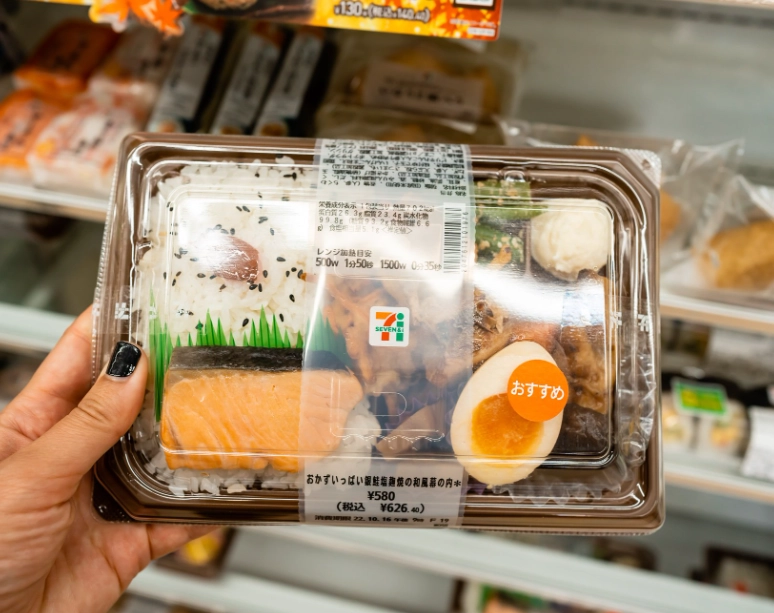
7-Eleven Japan also operates its own dedicated factories and collaborates with famous restaurants and producers to develop exclusive products. Their in-house brand, 7 Premium, is a mark of quality that rivals supermarket brands. They're not just stocking third-party snacks; they're actively creating a curated food ecosystem.
A Quick Note on Konbini Culture: The convenience store in Japan is a social institution. It's a place to pay bills, send packages, print documents, and yes, eat reliably good food at any hour. The expectation for quality is sky-high, and the stores compete fiercely on the merit of their food offerings. According to a report by the Japan Franchise Association, the konbini food service market is massive, with prepared foods being a key growth driver.
Best Picks for Breakfast
Mornings at a Japanese 7-Eleven are a quiet hustle. The onigiri (rice ball) section gets restocked, and the coffee machines hum.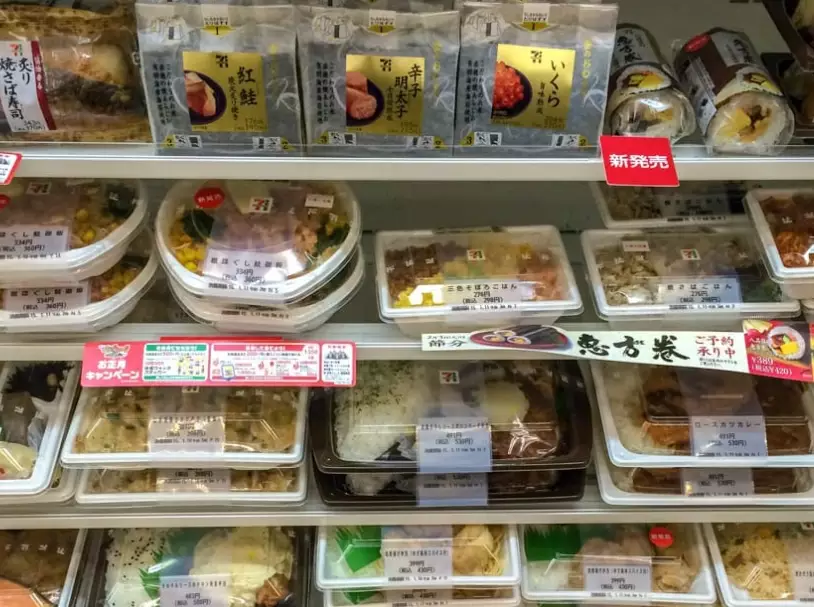
Onigiri is the undisputed king. The triangular packages are ingenious—you pull a plastic strip to separate the nori (seaweed) from the rice, keeping it crisp until the last second. My go-tos:
- Salmon (Sake): The classic. Flaky, salty salmon mixed into the rice. Always reliable.
- Spicy Cod Roe (Mentaiko): For a punch of umami and a slight kick. This one feels luxurious.
- Plum (Umeboshi): The sour pickled plum cuts through the rice. It's a traditional wake-up call for your palate.
Pair an onigiri (about 120-150 yen) with a drink from the Seven Cafe counter. Their hot coffee is decent, but their iced coffee and cafe latte (using their proprietary "Seven Milk" blend) are excellent. For a fuller breakfast, their egg salad sandwiches or the simple "fruit sandwich" (whipped cream and strawberries) are light and satisfying.
Lunch & Dinner: Bento Boxes and Beyond
This is where 7-Eleven truly shines. The bento aisle can be paralyzing. Dozens of boxes, all with perfect plastic-window presentations. Here’s how to navigate it.
Pro Tip: Look for the "New" or "Limited Time" stickers. These are often collaboration items with popular restaurants or seasonal specials and represent the store's current top effort. They sell out fast.
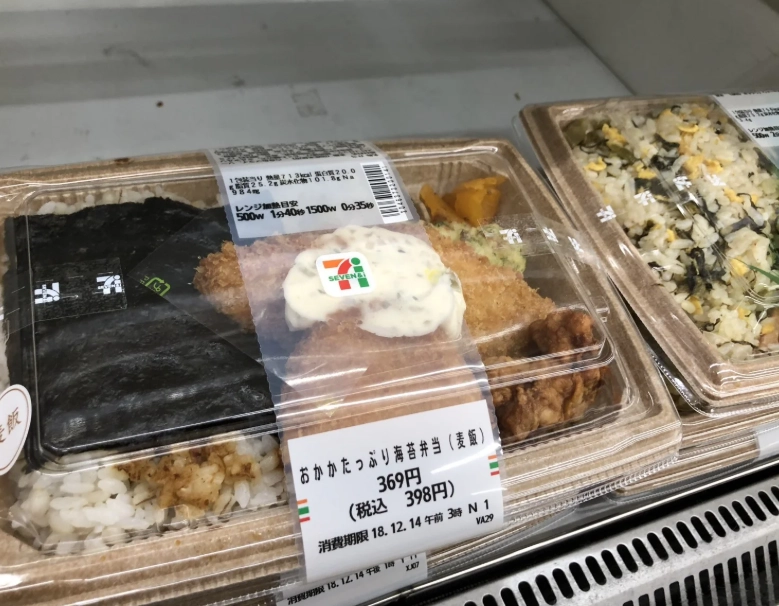
For a hearty, classic Japanese meal, you can't go wrong with the Karaage (Fried Chicken) Bento or the Tonkatsu (Pork Cutlet) Bento. The chicken is juicy, the pork cutlet retains a surprising crunch, and the rice is always perfectly seasoned and sticky. Price: 450-550 yen.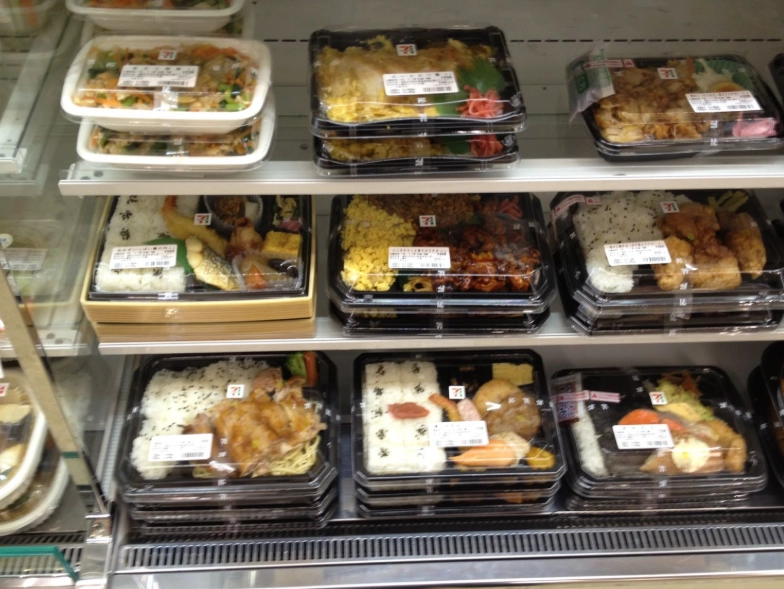
If you want something a bit more refined, seek out the 7 Premium Gold series bentos. These might feature grilled fish with a proper miso glaze or a delicate chicken meatball stew. They cost a bit more (600-750 yen) but the ingredient quality is noticeably higher.
Don't ignore the hot case by the register. The fried chicken (karaage) is a cultural icon—a single, giant piece of juicy, garlicky, soy-marinated chicken. The korokke (croquette), especially the cream crab one, is a crispy, creamy delight. These are meant to be eaten immediately, no microwave needed.
| Bento Type | Key Feature | Approx. Price (JPY) | Best For |
|---|---|---|---|
| Karaage Bento | Juicy Japanese-style fried chicken, rice, sides | 480 | A filling, satisfying classic |
| 7 Premium Gold Grilled Fish | High-quality fish (like salmon), delicate seasoning | 680 | A healthier, more premium option |
| Pasta Bento (Carbonara etc.) | Creamy pasta, often with bacon or mushrooms | 420 | A quick Western-style fix |
| Chinese-style Mapo Tofu Bento | Spicy tofu and minced meat over rice | 450 | Something spicy and flavorful |
Snacks, Sandwiches, and Legendary Sweets
This is the fun zone. Beyond the bento, the shelves are packed with instant gratification.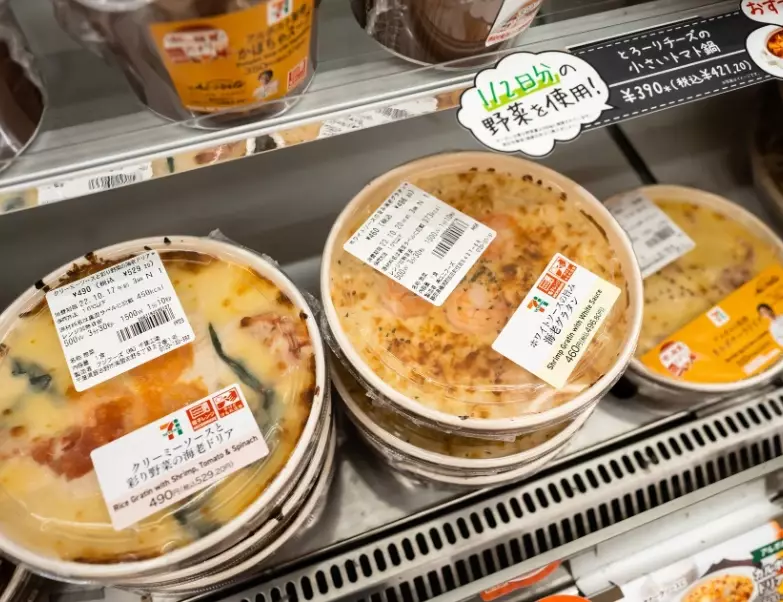
Sandwiches: The egg salad sandwich (tamago sando) is a konbini staple. 7-Eleven's version uses fluffy, crustless white bread and a creamy, slightly sweet filling. The "mixed sandwich" (egg, ham, cucumber) is also a winner. They're light, cheap (250-300 yen), and perfect for a small meal.
Snacks: Look for oden in the winter—a simmered pot of fish cakes, daikon radish, and eggs in a light broth. It's comfort food. The steamed buns (manju) with pork or red bean paste are great for a hot snack.
The Dessert Case: A World of Its Own
This deserves its own section. Japanese 7-Eleven desserts are famous for a reason. They are absurdly good for the price.
- Rich Cream Daifuku (7 Premium Gold): This is the one. A soft, pillowy mochi skin filled with ultra-rich custard cream. It's a must-try. About 150 yen.
- Cheesecakes & Puddings: The small, individual cheesecakes and the purin(caramel pudding) are consistently smooth, creamy, and not too sweet.
- Ice Cream: Their exclusive soft-serve style cups and monaka (ice cream sandwiched in wafer) are excellent.
Let's be honest. I've gone to 7-Eleven just for the Cream Daifuku. It's that good.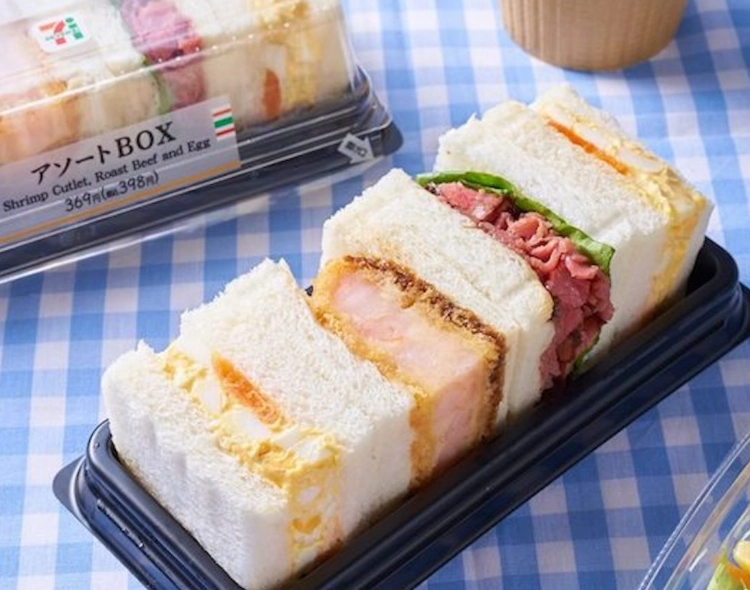
Drinks, Sides, and Seasonal Surprises
The drink aisle is an adventure—from every conceivable tea (barley tea, green tea, oolong) to unique sodas and coffees. For something uniquely Japanese, try a bottle of Mugicha (roasted barley tea) or Lactic Acid Bacteria Drink (like Yakult).
For sides, the small packs of edamame (salted soybeans) or a green salad with sesame dressing are healthy additions to any meal. The potato salad is also a popular, creamy choice.
Seasonal Items are a huge deal. In spring, look for sakura (cherry blossom) flavored sweets and drinks. Summer brings cold noodle bentos. Autumn features sweet potato and chestnut desserts. Winter is all about hot drinks and oden. These limited-time items are a great way to taste the season.
How to Shop Like a Pro at 7-Eleven Japan
A few hard-earned pieces of advice from someone who's made mistakes so you don't have to.
- Timing is Everything: For the freshest selection of bentos and onigiri, go in the morning or around noon. Popular items sell out. Late at night, the pickings can be slim, but they often discount items close to expiration.
- Use the Microwave (Properly): Don't be shy. Take your bento to the counter. The staff will heat it for you perfectly. They know which parts of the packaging to remove.
- Check for Condiments: Near the hot case or register, there's often a small station with free condiments—mustard, karashi (Japanese hot mustard), soy sauce, and sometimes even small packs of mayonnaise or salt for your fried chicken.
- Pay with Ease: You can use cash, IC cards (Suica, Pasmo), credit cards, and even some mobile pay apps. It's incredibly convenient.
- Don't Overlook the Frozen Section: For longer stays, they sell excellent frozen gyoza, fried rice, and even full meals that are a step up from typical frozen food.
Your 7-Eleven Food Questions Answered
Can I eat well at 7-Eleven Japan on a tight budget?
It's one of the best ways to stretch your yen. You can assemble a solid meal for under 500 yen. A bento is 450-550 yen. An onigiri is about 120 yen. A pack of fried chicken is around 200 yen. For 1000 yen, you can get a bento, a side, a dessert, and a drink. It's significantly cheaper than a restaurant, and the quality-to-price ratio is unmatched for quick food.
Are there vegetarian or vegan options at Japanese 7-Eleven?
Vegan is very tough due to hidden dashi (fish stock) and animal-based seasonings. Vegetarians have to be detectives. Safe-ish bets: plain salt (shio) or plain seaweed (yaki onigiri) onigiri (check the fine print on the back for "katsuobushi"), some potato or green salads, inari sushi (fried tofu pouch), and certain breads. The ingredient lists are detailed but require translation app vigilance. It's not a vegetarian paradise, but you won't starve.
How do I heat up a bento box from 7-Eleven in Japan?
Never do it yourself. Always hand it to the staff at the counter. They have a dedicated microwave and know the exact heating time for each product. They'll remove any plastic film and, crucially, any small metal tabs or staples used in the packaging. If you try to microwave it with those in, you'll see sparks. Just hand it over and say "onegaishimasu" (please).
What's the one item I absolutely shouldn't miss?
If you have a sweet tooth, the 7 Premium Gold Rich Cream Daifuku. It's a masterclass in konbini dessert engineering. For savory, the single piece of fried chicken (karaage) from the hot case. It's iconic for a reason—hot, juicy, and packed with flavor. Skip the pre-packaged fried chicken in the fridge; go for the one in the heated cabinet.
So, what is the Japanese food at 7-Eleven? It's a reliable, delicious, and often surprising window into everyday Japanese eating. It's a system built on respect for ingredients and convenience. From a humble rice ball to a gourmet-grade dessert, it's a culinary experience that redefines what a convenience store can be. Next time you see that familiar sign in Japan, walk in with confidence. A good meal is waiting.



Share Your Thoughts