Let's cut to the chase. You're coming to Fukuoka, you've heard the legends about its food, and now you're staring at a list of hundreds of restaurants online. It's overwhelming. I've lived here for over a decade, and the mistake I see every visitor make is trying to hit every "famous" spot without understanding the landscape. Fukuoka's dining scene isn't a checklist; it's an ecosystem of dedicated specialists. The best restaurant for you depends entirely on what you want to experience that day: the soul-warming perfection of tonkotsu ramen, the communal sizzle of a motsunabe (offal hot pot), or the pristine bite of seafood pulled from the Genkai Sea hours before.
This guide won't just give you names. It'll explain why these places matter, how to approach them, and the subtle, unspoken rules that make the difference between a good meal and a memorable one. We're going beyond the standard Tenjin and Nakasu recommendations to include some neighborhoods you might miss.
Your Fukuoka Food Navigation
The Ramen Shrines: Hakata Tonkotsu Masters
Hakata ramen is the city's signature. It's characterized by a rich, milky broth made from pork bones simmered for hours, thin, straight noodles, and minimalist toppings. But within that framework, the variations are profound. A common pitfall? Going to the most famous shop at peak hours, waiting an hour, eating in five rushed minutes, and leaving wondering what the fuss was about. The context is everything.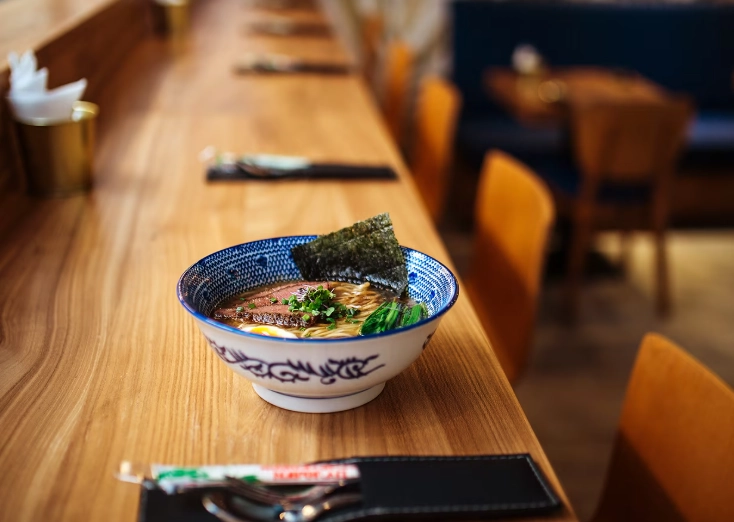
Three Must-Visit Ramen Icons
Forget a generic top 10. These three represent distinct pillars of the Fukuoka ramen world.
| Name & Style | Address & Key Info | The Experience & What to Order | Price & Hours |
|---|---|---|---|
| Ichiran (Tenjin Main Store) The Solitary, Customizable Benchmark. |
3-1-22 Tenjin, Chuo-ku. 5-min walk from Tenjin Station. No reservations. Famous for individual booths. |
This is where you calibrate your palate. The ordering ticket machine lets you customize broth richness, garlic, noodle firmness, and spice. It's a controlled, consistent, and oddly meditative experience. It's crowded, but the system moves fast. Go at 3 PM, not 7 PM. | ¥890-1200 Open 24/7. The main store never closes. |
| Ramen Stadium (at Canal City Hakata) The Comparative Tasting Hall. |
1-2 Sumiyoshi, Hakata-ku, inside Canal City. Accessible via bus or 15-min walk from Hakata Station. |
Not a single restaurant, but a curated collection of 8 famous ramen shops from across Japan, with several Fukuoka legends in rotation. Perfect if you want to try different styles (e.g., lighter chicken paitan vs. heavy tonkotsu) side-by-side without traveling. Ippudo and Hakata Issou are often featured. | ¥800-1100 per bowl. 11:00 AM - 11:00 PM. |
| Shin Shin (Akasaka Branch) The Local's Daily Comfort. |
13-3 Tenjin, Chuo-ku. In the Akasaka shotengai. Always a line, but it's mostly locals and moves steadily. |
This is what Ichiran might taste like if it was run by a fiercely traditional family. The broth is slightly clearer and more delicate, with a profound pork sweetness. The atmosphere is no-frills, communal, and feels deeply rooted. They use fresh noodles made in-house daily, which makes a noticeable difference in texture. | ¥750-950 11:00 AM - 3:00 AM (yes, perfect for a late-night bowl). |
Beyond the Broth: Motsunabe & Yatai Culture
If ramen is the soul, motsunabe is the heart of Fukuoka's social dining. This hot pot, filled with beef or pork offal, vegetables, and a savory, miso or soy-based broth, is a must-try. The magic happens as the broth reduces, becoming richer with each ingredient cooked. By the end, you add ramen noodles or champon to soak up the incredible, concentrated soup.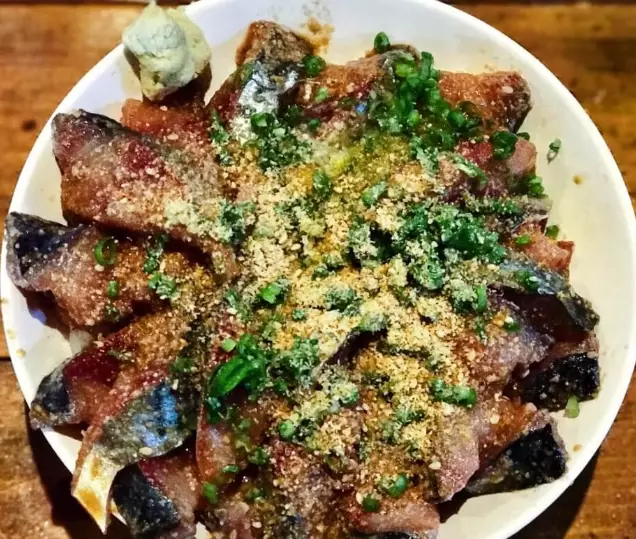
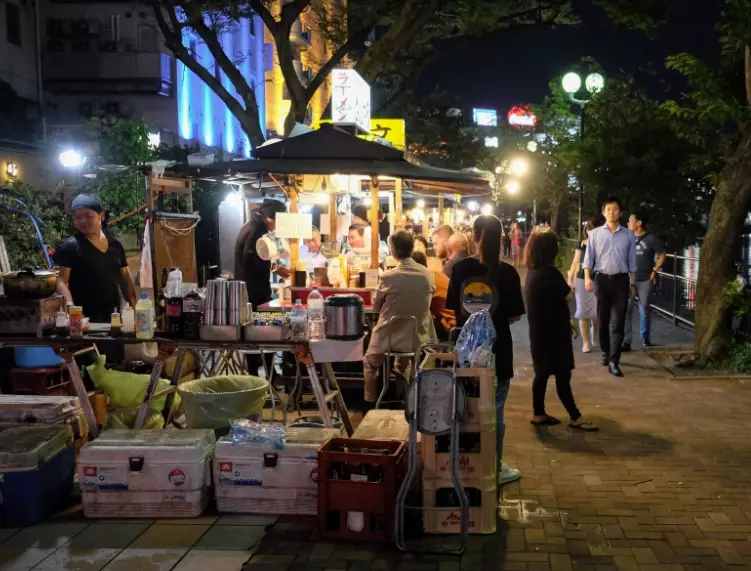
Then there are the yatai, the iconic open-air food stalls. They're an experience, not just a meal. My advice? Don't just pick the one with the most tourists. Look for one where locals are laughing with the owner. The menu is usually simple: ramen, oden, grilled skewers, and beer.
Top Picks for Authentic Local Flavors
Motsunabe: Yamanaka (Nakasu)
Address: 5-2-18 Nakasu, Hakata-ku. In the heart of the entertainment district.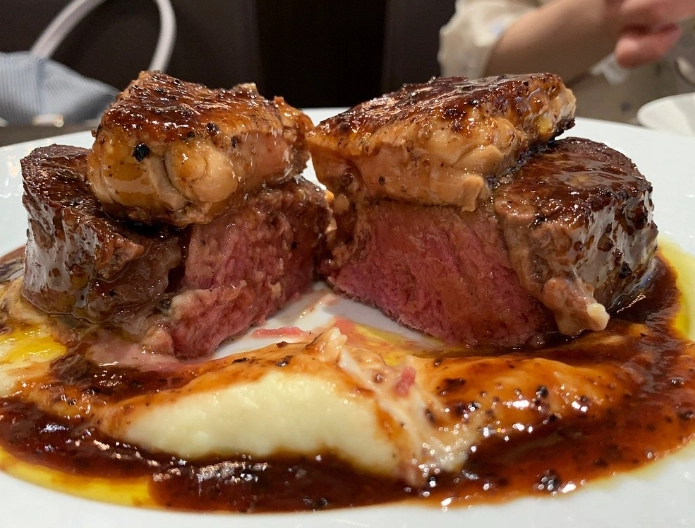
This is the king. It's busy, loud, and absolutely definitive. The miso-based broth is legendary. Reservations are essential for dinner, especially for groups. A meal here is a vibrant, shared feast. Budget around ¥3,500-5,000 per person with drinks.
Yatai: Look for the veteran on the south side of Nakasu Island
There's no official address, but the cluster along the river on Nakasu is reliable. I prefer the older stalls. One master has been running his for 40 years. His grilled mentaiko (spicy cod roe) and simple tonkotsu ramen are honest and delicious. Expect to spend ¥1,000-2,000 for a couple of items and a drink. Cash only. Open from dusk until around 1-2 AM.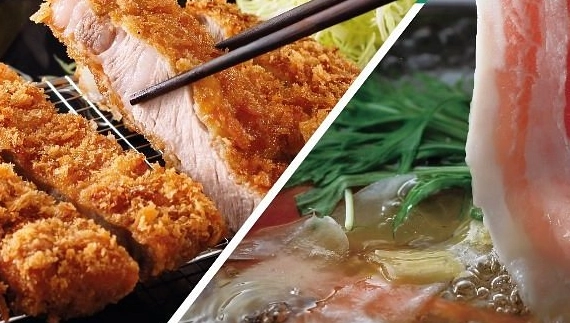
Seafood Specialists: From Market to Table
Fukuoka's location means incredible fish. The Yanagibashi Rengo Market is the wholesale center, but for a visitor-friendly experience, head to the Nokonoshima Island Fish Restaurant (Umi no Ie). It's a 10-minute ferry from Meinohama port. You eat looking over the sea. Their sashimi set lunch, featuring seasonal catches, is spectacular value at ¥2,500. It's a trip, but it defines the "ocean-to-table" concept.
In the city, Ganso Hakata Motsuyaki Kantaro offers a different twist. They specialize in motsuyaki – fresh seafood grilled over high heat with a secret sauce. The fugu (pufferfish) grill and the giant scallops are unreal. Address: 2-1-44 Daimyo, Chuo-ku. It's a standing bar style, energetic and focused on the food. Budget ¥3,000-4,000.
Making It Happen: Reservations, Budget & Areas
Planning is key. High-end motsunabe places and sushi spots require reservations, often a day in advance. Use your hotel concierge. For ramen and yatai, just show up.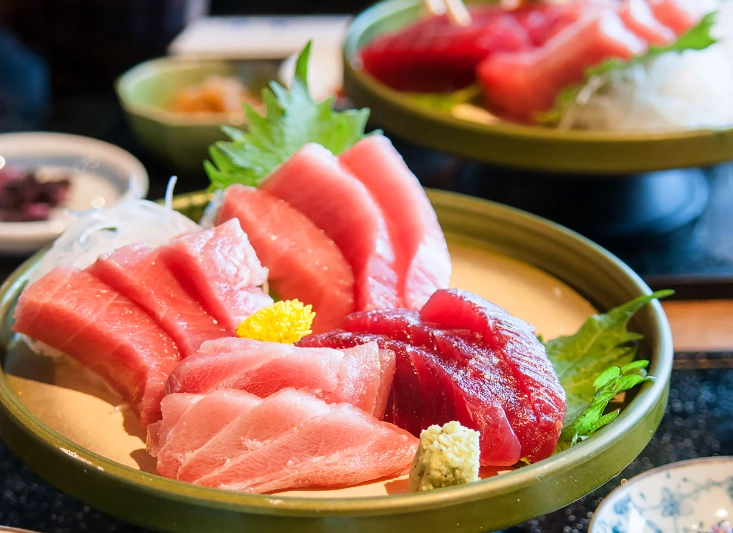
Budget-wise, you can eat incredibly well for very little. A legendary ramen bowl is under ¥1,000. A filling yatai visit is ¥2,000. A proper motsunabe dinner with friends will be ¥4,000+. Mix and match.
Geographically, focus your searches:
Tenjin/Daimyo: Upscale izakayas, modern cafes, and hidden bars. The dining is more varied here.
Nakasu: The heart of yatai and robust, late-night fare like motsunabe.
Hakata Station Area: Convenient for ramen stadiums and department store depachika (food halls) for gourmet takeout.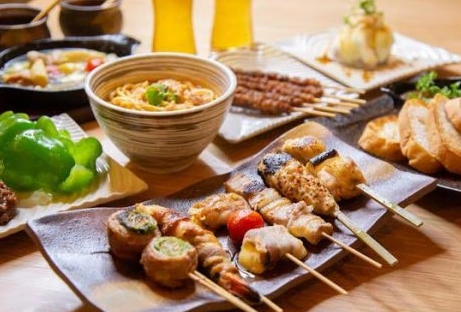
Your Fukuoka Food Questions, Answered
I only have one night in Fukuoka. What's the single best food experience I shouldn't miss?
Where can I find the best budget-friendly ramen that's not packed with tourists?
I want to try motsunabe but I'm nervous about eating offal. Any tips?
Is it worth going to the Yanagibashi Market as a tourist?
What's a common mistake foreigners make when dining at a yatai?


Share Your Thoughts