Let's get this out of the way first. If you're picturing a single "Japan art island festival" with crowds, food stalls, and a fixed schedule, you're in for a surprise. What we're really talking about is a transformative experience scattered across several islands in Japan's Seto Inland Sea. It's less of a traditional festival and more of a permanent, yet evolving, dialogue between art, architecture, and breathtaking nature. The heart of this phenomenon is the Setouchi Triennale, a massive contemporary art festival held every three years, but the islands themselves—Naoshima, Teshima, and Inujima—are year-round destinations.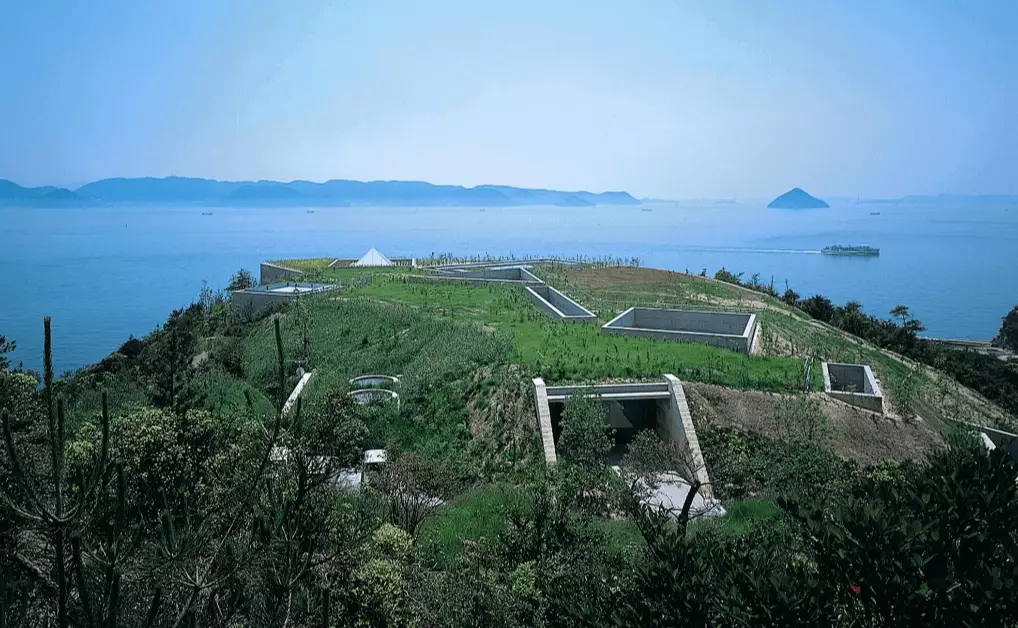
I've visited these islands multiple times, both during the Triennale and in the off-seasons. The mistake most first-timers make? Treating it like a checklist. Rushing from the famous pumpkin to the next museum misses the point entirely. The magic is in the slow pace, the sea breeze, and the way a James Turrell installation makes you lose track of time.
Your Quick Island Hopping Guide
What Exactly Are Japan's Art Islands?
Think of them as open-air museums where the landscape is part of the canvas. The project began in the late 1980s on Naoshima, an island facing population decline. The Benesse Corporation, in partnership with visionary architects like Tadao Ando, initiated a bold plan: fuse contemporary art with the island's environment to revitalize it. It worked spectacularly.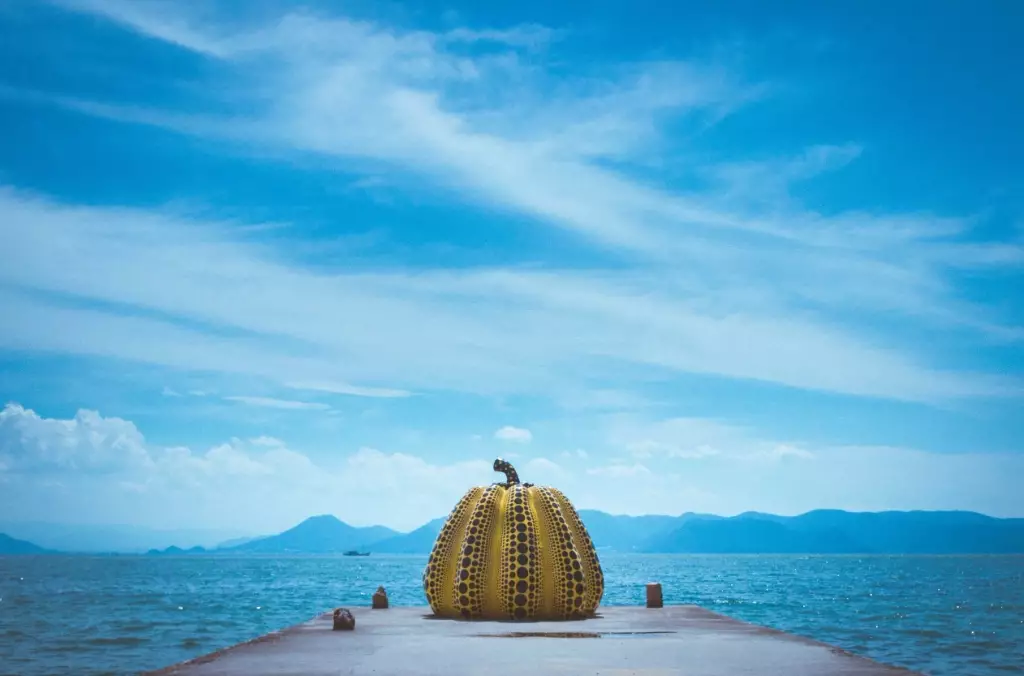
Today, the core islands are:
- Naoshima: The flagship. Home to the iconic Yayoi Kusama pumpkin, stunning Tadao Ando concrete museums (Chichu, Benesse House), and art-filled guesthouses.
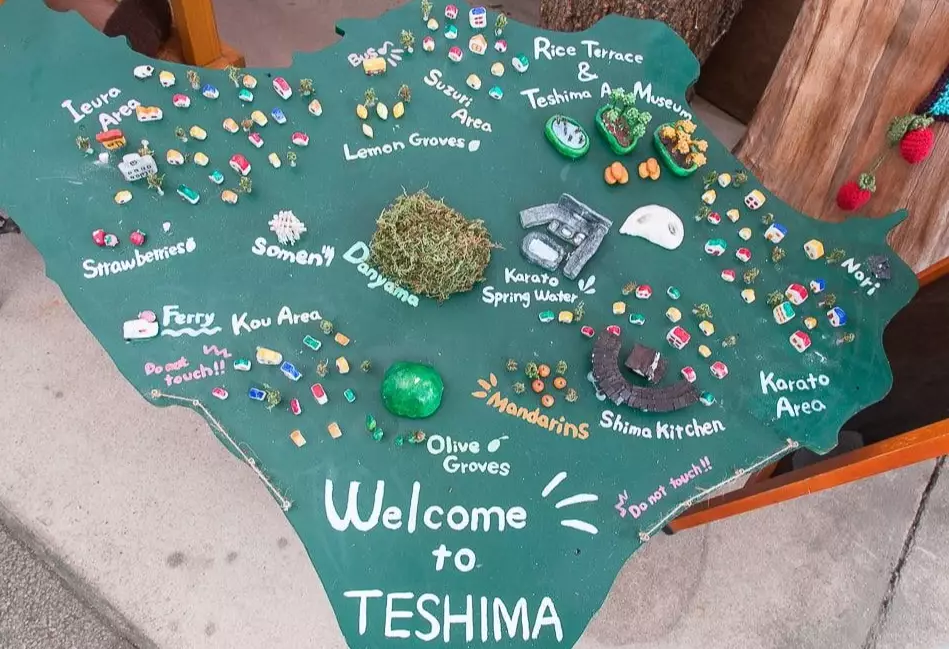
- Teshima: More organic and fluid. Its centerpiece is the Teshima Art Museum, a breathtaking water-drop shaped structure housing a single artwork. The vibe is serene and meditative.
- Inujima: The smallest and most conceptual. It transforms a former copper refinery into an art complex questioning energy and environment. It feels raw and intellectually charged.
During the Setouchi Triennale, the network expands to include up to 12 other islands and port towns, each with temporary installations and events. But for a first visit, focusing on the main three gives you the full, rich picture.
Naoshima Deep Dive: More Than the Pumpkin
Yes, you'll take a photo with the yellow pumpkin on the pier. Everyone does. But don't let it be the only memory. Naoshima is divided into areas best explored by rental bicycle (around 500-1000 yen per day).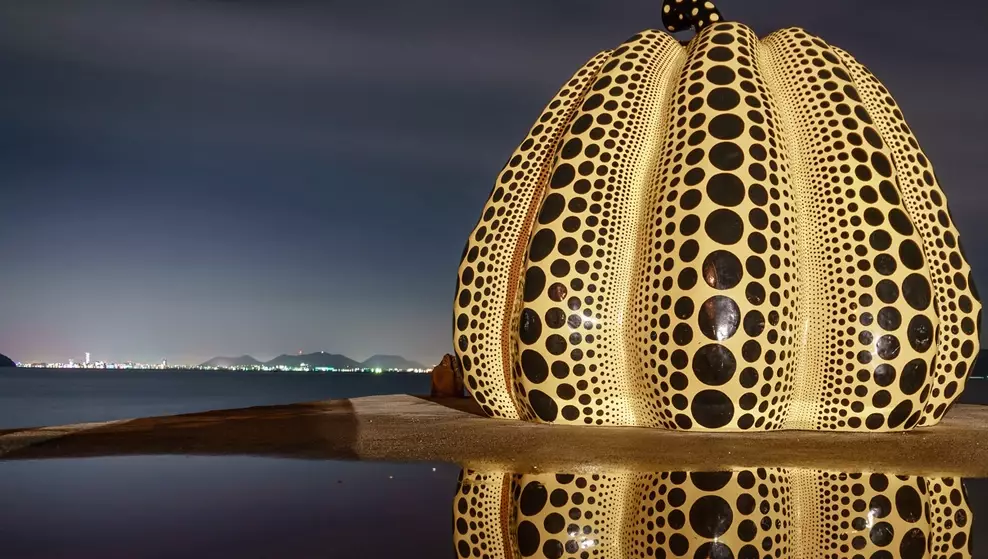
Pro Tip: Rent an electric bicycle (e-chari). The hills, especially around the Benesse House area, are no joke under the summer sun. The extra cost is worth every yen.
Must-Visit Venues on Naoshima
Chichu Art Museum (literally "Underground Museum")
Address: 3449-1 Naoshima, Kagawa District, Kagawa 761-3110
Hours: 10:00-18:00 (Last entry 17:00). Closed Mondays (or Tuesday if Monday is a holiday).
Admission: 2,100 yen. Book online in advance. I can't stress this enough. They sell out, especially for timed entries to the Claude Monet room and James Turrell installations.
The building, by Tadao Ando, is the artwork as much as the pieces inside. Walking through the geometric concrete forms into rooms dedicated to Monet, Turrell, and Walter De Maria is a spiritual architectural experience. The Monet room, lit only by natural light, changes mood by the minute.
Benesse House Museum & Oval
Address: Gotanji, Naoshima, Kagawa District, Kagawa 761-3110
Hours: 8:00-21:00 (Museum area).
Admission: 1,050 yen (or free if you're a hotel guest – more on that later).
This is a hybrid museum-hotel. The museum collection (works by Hockney, Giacometti, Kusama) is fantastic, but the real thrill is accessing areas like the beachfront Lee Ufan Museum and the outdoor sculptures scattered along the coast. The "Oval" is a separate, exclusive hotel section accessed by a monorail. You can't enter without a reservation, but it's a legend among architecture fans.
Art House Project (in Honmura area)
Admission: Single venue ticket ~410 yen, or a combined ticket for all 7 houses for 1,050 yen.
This is where art truly integrates with community. Artists have converted old houses, a temple, and a shrine into installation spaces. Wandering the quiet lanes of Honmura, finding these hidden gems, feels like a treasure hunt. My favorite is James Turrell's "Backside of the Moon" in the Go'o Shrine.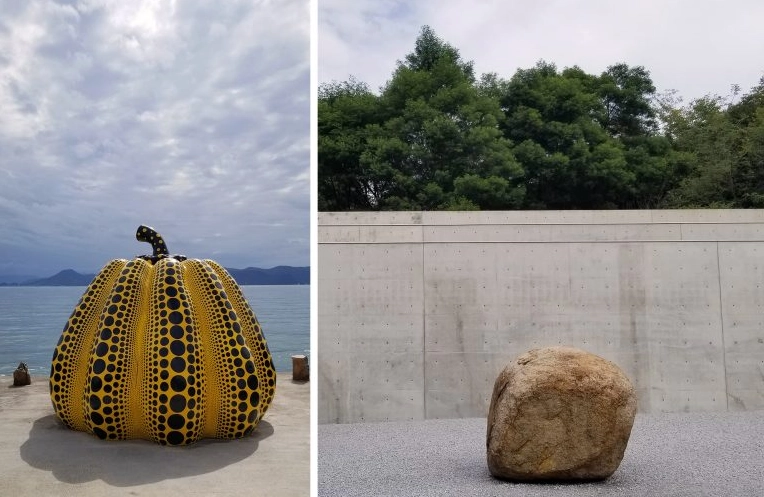
Teshima & Inujima: The Quieter Gems
If Naoshima is the headliner, Teshima and Inujima are the critically acclaimed B-sides. They offer a completely different, often more profound, pace.
Teshima Art Museum is not a building full of art. It's a single, empty, shell-like structure with two openings where water bubbles up from the ground. You sit on the concrete floor and just... watch. The sound of droplets, the light shifting on the water, the sheer white space—it's an exercise in perception. Tickets (1,570 yen) also require advance online booking. The surrounding Teshima Yokoo House and the heart-wrenching Les Archives du Coeur by Christian Boltanski are also must-sees.
Inujima is an island of contrasts. The Inujima Seirensho Art Museum (2,060 yen) is built within the ruins of a refinery. It's a powerful statement on industrialization and renewal. The island is small enough to walk in a few hours, and the views back towards the industrial mainland are deliberately part of the artistic commentary. It feels like walking through a post-industrial poem.
The Setouchi Triennale Explained: Festival vs. Off-Season
This is the big one. The Setouchi Triennale transforms the entire region. The next edition is scheduled for 2025 (Spring, Summer, Autumn seasons).
| Aspect | Visiting During the Triennale | Visiting Off-Season |
|---|---|---|
| Atmosphere | Energetic, festive, crowded. More people, events, and food options. | Peaceful, contemplative, personal. You might have a museum room to yourself. |
| Art Access | Access to 100+ temporary installations across many islands. The region is "alive." | Only the permanent installations and museums are open. Some smaller projects may be closed. |
| Logistics | More frequent ferries. BUT requires meticulous planning: book all accommodation and museum tickets months ahead. Ferry passes (3-day pass: ~2,500 yen) are essential. | Easier to be spontaneous. Ferries run on reduced schedules. Accommodation is easier to find. |
| Cost | Higher. Accommodation prices surge. You need a Triennale Passport (~5,000 yen) for entry to most sites. | Standard prices. Pay per museum. Generally more budget-friendly. |
A Hard Truth: If you visit during the Triennale expecting a serene art retreat, you'll be frustrated. The queues for popular sites can be long, and the islands feel busy. The trade-off is experiencing the collective, celebratory energy of the festival. I personally prefer the off-season for a deeper connection with the art, but the Triennale is a unique spectacle.
Planning Your Art Island Trip: Ferries, Passes & Where to Stay
Getting There: The Ferry Hub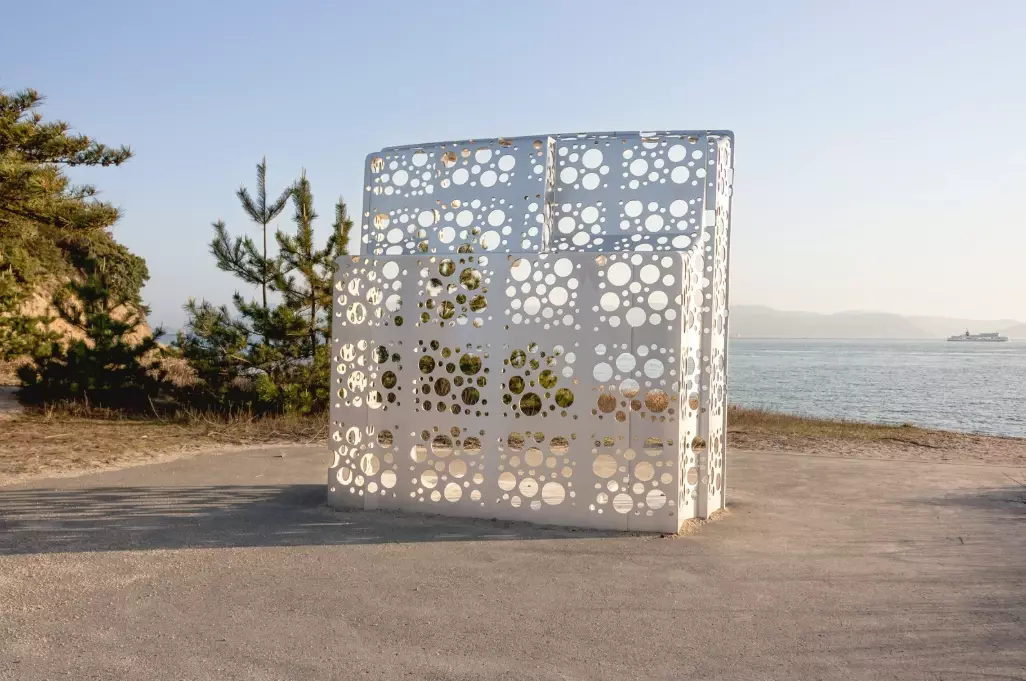
Your gateway is either Takamatsu (Shikoku) or Uno Port (Okayama, Honshu). Takamatsu has direct ferries to Naoshisa (Miyanoura port) and Teshima. Uno Port has frequent ferries to Naoshima (Honmura/Miyanoura) and Inujima.
Key Route: Takamatsu → Naoshima (50 min) → Teshima (25-40 min) → Naoshima → Uno Port. Or the reverse. Study the ferry timetables from the official Setouchi Triennale site or local operator websites like Shikoku Kisen. Miss a ferry and you could be stuck for hours.
Where to Sleep: A Strategic Choice
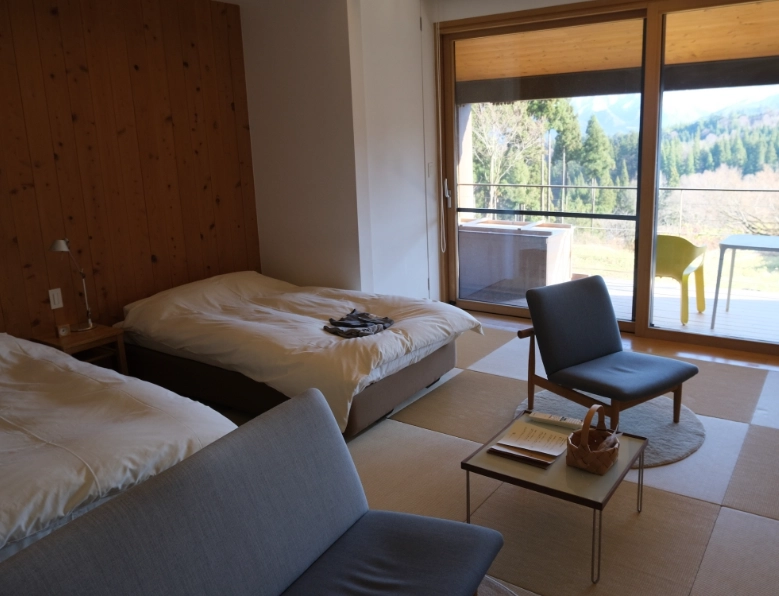
- On Naoshima (Budget to Mid): Guesthouse Oomiyake or one of the Art House Project guesthouses (like Haisha). You live inside an artwork. Prices from 5,000-10,000 yen per night.
- On Naoshima (Splurge): Benesse House. Staying here (from 40,000 yen/night) grants you 24-hour access to the museum and outdoor art after the day-trippers leave. This is the ultimate experience. Book a year in advance.
- On the Mainland (Practical): Stay in Okayama or Takamatsu. More hotel options, restaurants, and you can take early ferries. This is the most flexible and often cheaper option.
I've done both—staying on Naoshima and basing in Okayama. Waking up on the island as the first ferry arrives is magical. But having a comfortable city hotel room and a wider dinner selection after a long day of cycling has its own appeal.
Art Island Travel: Your Questions Answered
 What's the one mistake you see every tourist make?
Share Your Thoughts