Let's cut to the chase: if you're searching for the largest ski resort in Hokkaido, it's Niseko United. No debate, no runner-ups—this interconnected beast of a resort dominates with over 2,191 acres of skiable terrain, blending four major areas into one seamless winter playground. I've skied here multiple times, and while the powder lives up to the hype, the logistics can trip up first-timers. This guide dives into everything from the nitty-gritty of lift tickets to those hidden gems only locals whisper about.
Jump to What Matters
What Exactly is Niseko United?
Niseko United isn't a single resort—it's a collaboration of four interconnected ski areas: Grand Hirafu, Hanazono, Niseko Village, and Annupuri. Think of it as a mega-complex where one lift pass gets you access to all of them, connected by slopes and shuttle buses. Grand Hirafu is the bustling heart, packed with bars and shops, while Annupuri feels more laid-back, perfect for families. Hanazono draws freestyle enthusiasts, and Niseko Village offers luxury digs. From my experience, newbies often flock to Hirafu and miss out on Annupuri's quieter charm.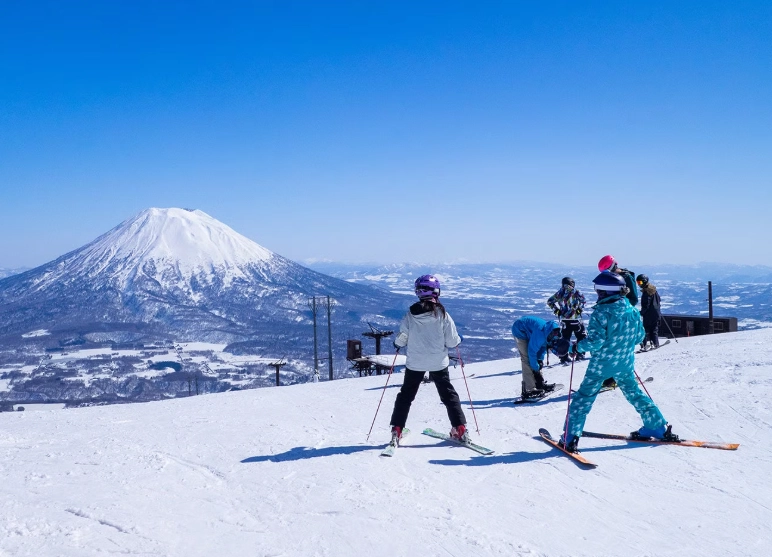
Key Detail: The resort is located in the town of Niseko, about 100 km southwest of Sapporo. Addresses vary by area—for example, Grand Hirafu's base is at 204 Yamada, Kutchan-cho, Abuta-gun, Hokkaido 044-0081. Always check specific lodge locations when booking.
By the Numbers: Why It's Hokkaido's Biggest
Size matters here. Niseko United boasts 2,191 acres of terrain, dwarfing other Hokkaido resorts like Rusutsu (around 1,200 acres) or Furano (about 1,000 acres). It has 61 runs, 38 lifts, and a vertical drop of 3,084 feet. But raw numbers don't tell the whole story—the interconnected design means you can ski from one end to the other without taking off your skis. A common mistake? Underestimating travel time between areas; it can take 30 minutes to traverse from Annupuri to Hanazono on a busy day.
According to data from the Niseko Tourism Association, the resort sees over 2 million skier visits annually, cementing its status as Hokkaido's premier destination. For comparison, Rusutsu Resort, often cited as a competitor, has less than half the skiable acreage.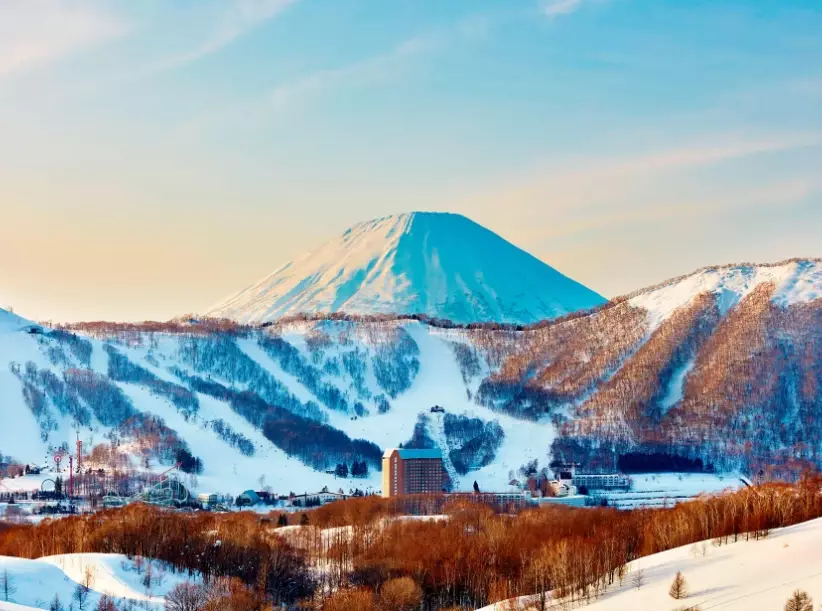
Getting There: Transportation Made Simple
Most visitors fly into New Chitose Airport (CTS) near Sapporo. From there, you have three main options:
- Direct Bus: The easiest choice. Companies like Hokkaido Resort Liner run buses that take about 3 hours, costing ¥4,500-¥6,000 one-way. Book online in advance—they sell out fast in peak season (December to March).
- Rental Car: Gives flexibility for exploring nearby onsens or Rusutsu. The drive is roughly 2.5 hours via the Hokkaido Expressway, but winter roads can be icy. Expect to pay ¥10,000-¥15,000 per day for a 4WD.
- Train: Less convenient. Take the JR train from Sapporo to Kutchan Station (about 2.5 hours, ¥4,000), then a 20-minute taxi to your lodge. Not ideal with bulky ski gear.
Once in Niseko, free shuttle buses connect the four areas, running from 8 AM to 10 PM. Taxis are available but pricey—budget ¥2,000 for short hops.
The Ski Experience: Slopes for Every Level
Niseko United is famous for its light, dry powder—often called "Japow"—but the terrain variety is what sets it apart.
Beginner-Friendly Zones
If you're new to skiing, head to Annupuri's Family Course or Grand Hirafu's Green runs. They're wide, gentle, and well-groomed. I've seen too many beginners get intimidated by Hirafu's crowds; Annupuri offers a calmer vibe with shorter lift lines. Lessons are essential—book through Niseko United's official schools, like Niseko International Snowsports School, where group lessons start at ¥8,000 for 2 hours.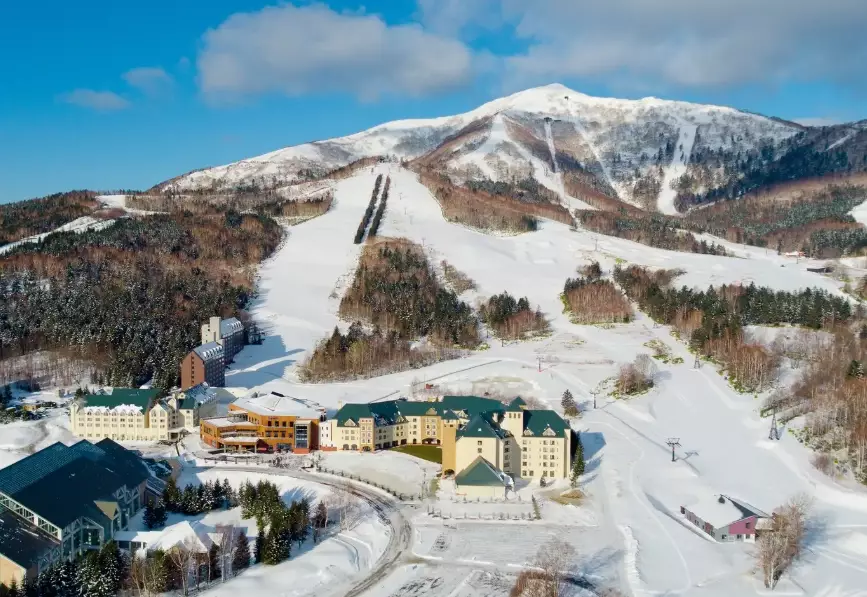
Challenging Terrain for Experts
Experts crave the backcountry gates and steep chutes. Hanazono's Strawberry Fields and Grand Hirafu's Top Ridge deliver, but avy gear and guides are a must. A local guide once told me that the best powder stashes are off-piste near Niseko Village, accessed via Gate 3—just don't go alone.
For intermediates, the entire resort is a playground. Try linking runs from Hanazono to Niseko Village via the interconnected lifts; it's a full-day adventure with epic views of Mount Yotei.
Practical Info: Tickets, Hours, and Prices
Here's the breakdown for the 2024-2025 season (prices in JPY, approximate):
| Ticket Type | Price (Adult) | Validity | Notes |
|---|---|---|---|
| 1-Day All Mountain Pass | ¥8,500 | Access to all 4 areas | Cheaper online; peak season surcharge applies |
| Multi-Day Pass (3 days) | ¥24,000 | Consecutive days | Best value for week-long trips |
| Night Skiing Pass | ¥3,000 | 4 PM - 8:30 PM | Only in Grand Hirafu and Hanazono |
| Beginner Area Pass | ¥4,000 | Limited lifts | Great for first-timers at Annupuri |
Operating hours: Generally 8:30 AM to 8:30 PM, with night skiing from 4 PM. The season runs from late November to early May, but prime time is January to February. Check the official Niseko United website for real-time updates—snow conditions can vary.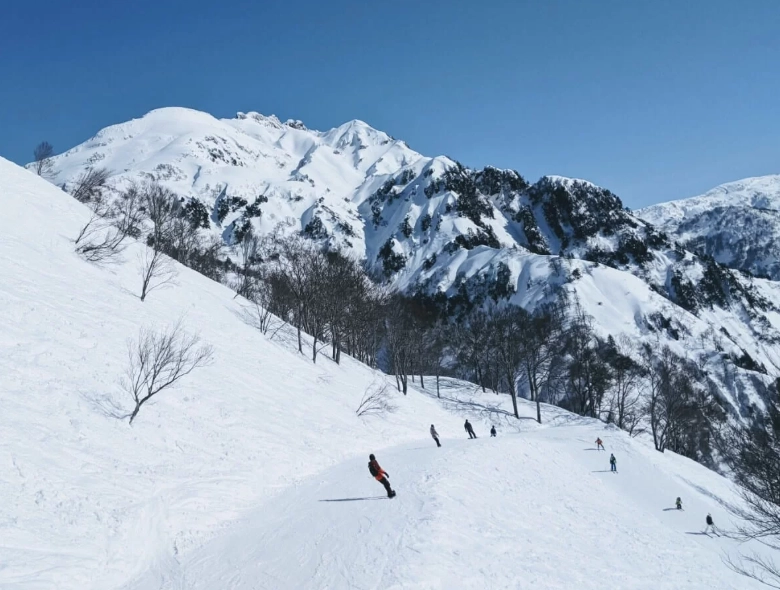
Where to Stay and Eat
Accommodation ranges from budget hostels to luxury hotels. Here's a quick list based on my stays:
- Grand Hirafu: The Hirafu Intersection area is buzzing. Try Ki Niseko (from ¥25,000/night) for ski-in/ski-out convenience. For budget options, Niseko Northern Resort Annex offers rooms from ¥8,000.
- Niseko Village: Upscale and quiet. The Green Leaf Niseko Village (¥30,000+/night) has direct slope access but limited dining—eat at the hotel's restaurants.
- Annupuri: Family-friendly and affordable. Niseko Annupuri Kokusai Resort (¥12,000/night) includes breakfast and free shuttle.
Dining? Don't miss the ramen at Rakuichi in Hirafu (¥1,500 per bowl, cash only) or the izakaya Abucha 2 for après-ski drinks. Reservations are key—most places get packed by 7 PM.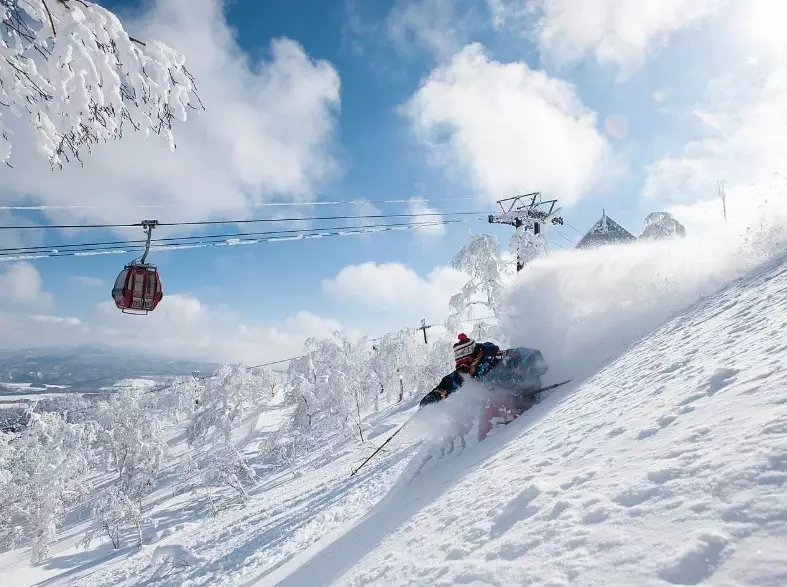
Insider Tips for Your Visit
From a decade of skiing here, here's what most guides won't tell you:
- Avoid Peak Weeks: The New Year (Dec 28-Jan 3) and Chinese New Year are chaos. Go in late January or early March for shorter lines.
- Rent Gear Off-Mountain: Rental shops in Kutchan town are 30% cheaper than resort shops. I use Rhythm Japan for quality gear (around ¥5,000/day for skis+boots).
- Explore Beyond Skiing: Soak in an onsen like Goshiki Onsen after a day on slopes—it's ¥800 entry and less touristy.
- Weather Watch: Niseko gets heavy snowfalls; pack waterproof layers and check forecasts on Japan Meteorological Agency's site. Whiteouts can shut lifts.
One personal gripe: the resort can feel oversold during holidays, with lift queues stretching past 20 minutes. Mid-week visits solve this.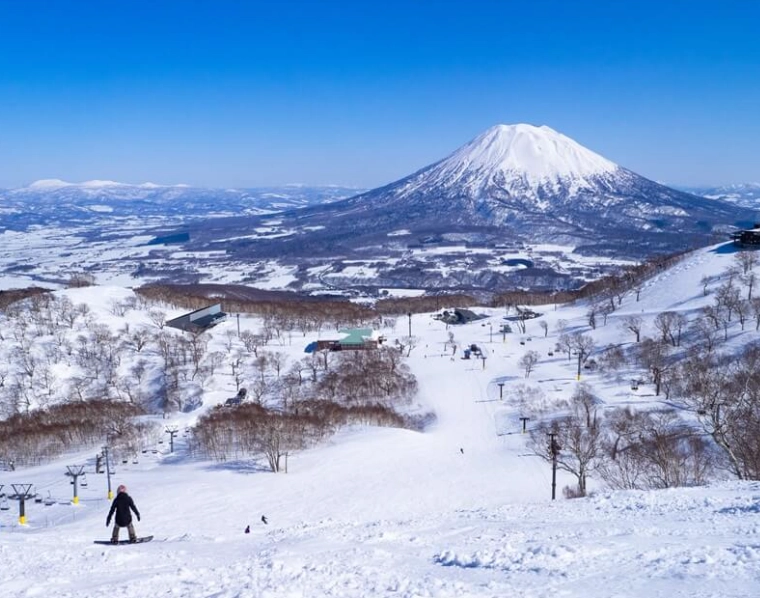
Frequently Asked Questions
Wrapping up, Niseko United isn't just big—it's a meticulously connected universe of powder and peaks. Plan ahead, embrace the local quirks, and you'll see why it dominates Hokkaido's ski scene. For more details, refer to the Niseko Tourism Association's annual reports or the official Niseko United site for real-time updates. Now go chase that Japow!

Share Your Thoughts