Quick Bites: What's Inside This Guide
Fukuoka isn't just another Japanese city—it's a food lover's paradise where every bite tells a story. Think rich tonkotsu ramen, spicy mentaiko, and sizzling street food under neon lights. I've spent years exploring its alleys, and let me tell you, the hype is real. But with so many options, where do you start? This guide cuts through the noise to give you the essentials, from must-try dishes to hidden gems only locals know.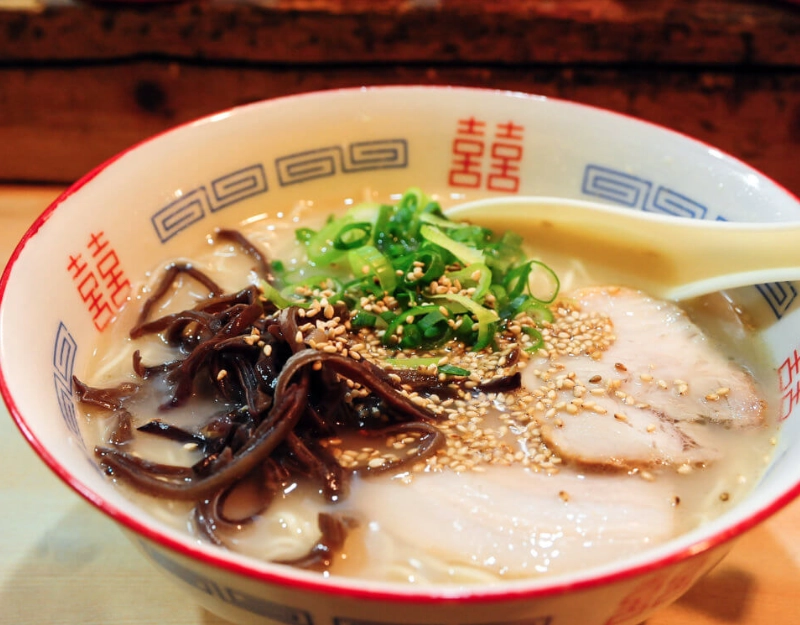
The Iconic Dishes That Define Fukuoka
Fukuoka's fame in the culinary world rests on a few pillars. Forget generic lists; here's what actually matters.
Tonkotsu Ramen: More Than Just Noodles
Tonkotsu ramen originated in Fukuoka's Hakata district, and it's a game-changer. The broth simmers for hours, turning pork bones into a creamy, umami-packed liquid. Most people get this wrong—they rush to chain stores like Ichiran, but the real magic happens in smaller shops where the broth has a deeper, almost nutty flavor. I once tried a bowl at a place called Ramen Shin-Shin, and the richness lingered for hours. It's not just food; it's an experience.
Mentaiko: The Spicy Secret
Mentaiko, or marinated pollock roe, started as a local delicacy and now graces tables nationwide. The best comes from Hakata, with a perfect balance of spice and salt. Don't just buy it packaged; head to a market like Yanagibashi Rengo Market to see it fresh. My tip: pair it with plain rice or use it as a pasta sauce—sounds weird, but trust me, it works.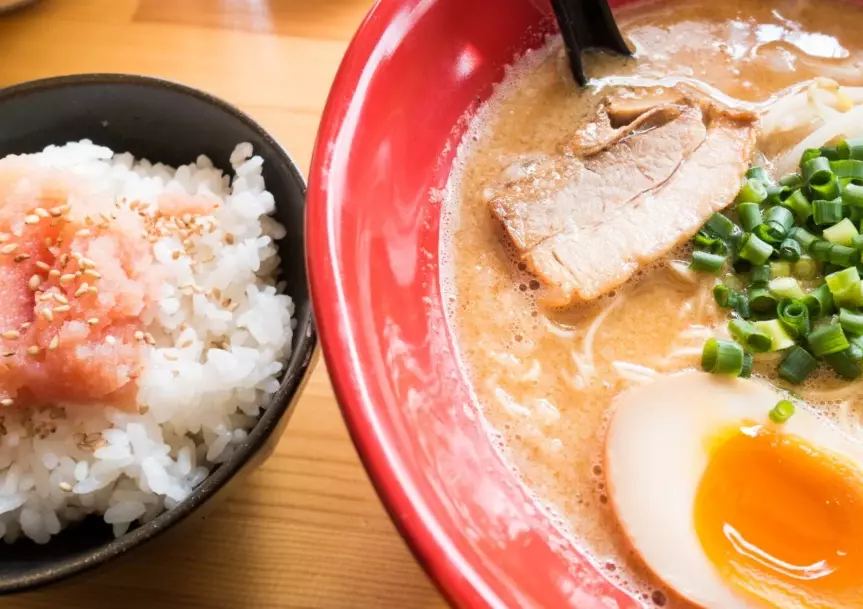
Yatai Culture: Street Food Heaven
Yatai are mobile food stalls that pop up at dusk, offering everything from ramen to oden. They're social hubs, but here's a nuance: not all yatai are created equal. The ones in Nakasu area cater to tourists and can be pricey, while those in Tenjin feel more authentic. I've had hit-or-miss experiences; some stalls serve lukewarm broth, so watch for crowds—locals know where the good stuff is.
Pro Insight: Many guides skip this, but Fukuoka's food scene isn't just about ramen. Dishes like mizutaki (chicken hot pot) and gyoza (dumplings) have local twists that deserve attention. For example, Fukuoka gyoza are often thinner and crisper than elsewhere.
Where to Eat: Top Restaurants and Stalls
Let's get practical. Here are specific spots I've vetted, with details to help you plan.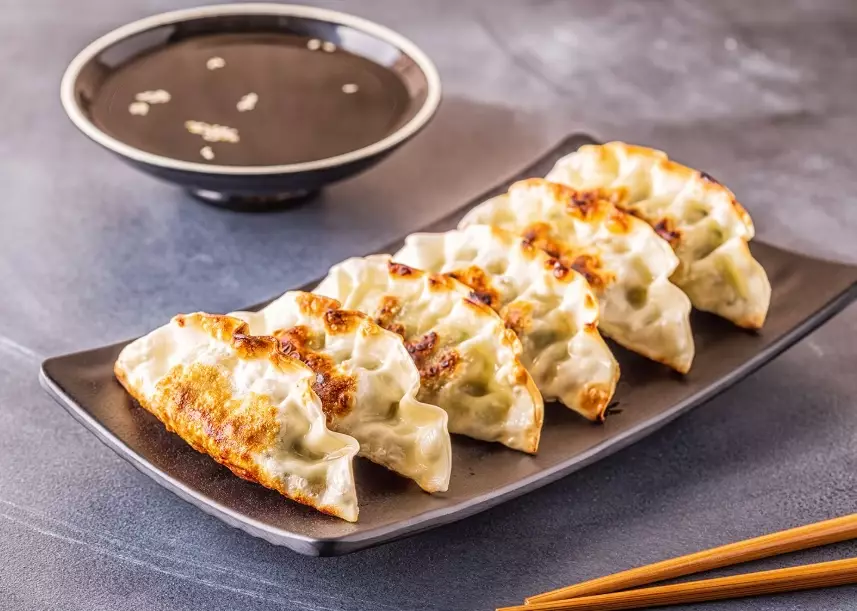
For Tonkotsu Ramen:
- Hakata Issou: Address: 3-23-12 Hakataekihigashi, Hakata Ward, Fukuoka. This place is a legend—their broth is thick and velvety, with noodles cooked to order. Price: around 900 yen per bowl. Open 11 AM to 3 AM, perfect for late-night cravings. No reservations, so expect a line.
- Ichiran Ramen: Yes, it's a chain, but the Tenjin branch (1-10-15 Tenjin, Chuo Ward) is efficient. Price: 890 yen. Open 24/7. It's consistent, but I find it a bit overhyped—good for beginners, not for depth.
For Mentaiko and Local Bites:
- Mentaiko Specialty Stores: Visit Fukutaro in Hakata (2-1-35 Hakataekihigashi). They sell fresh mentaiko and offer tastings. Price varies, but a small pack costs about 500 yen. Open 10 AM to 6 PM.
- Yatai Stalls in Tenjin: Look for stalls along Showa-dori Street. One favorite serves yakitori and ramen combo for 1,200 yen. Opens from 6 PM to midnight. Cash only—a common pitfall for tourists.
| Restaurant/Stall | Specialty | Address | Price Range (approx.) | Hours |
|---|---|---|---|---|
| Hakata Issou | Tonkotsu Ramen | 3-23-12 Hakataekihigashi, Hakata Ward | 800-1,000 yen | 11:00-03:00 |
| Ramen Stadium | Multiple Ramen Shops | Canal City Hakata, 1-2 Sumiyoshi, Hakata Ward | 700-1,200 yen per bowl | 11:00-23:00 |
| Yatai in Nakasu | Street Food Variety | Nakasu Island area, Hakata Ward | 500-1,500 yen per dish | 18:00-02:00 (weather permitting) |
I once got lost looking for a specific yatai, only to find it closed due to rain. Always check weather forecasts—yatai are fickle.
How to Plan Your Food Tour in Fukuoka
You don't need a rigid itinerary, but a loose plan saves time. Start in Hakata for ramen, then head to Tenjin for yatai at night. Allocate a morning to Yanagibashi Market for fresh seafood. Use public transport; Fukuoka's subway is efficient. A day pass costs 620 yen, and stations like Hakata and Tenjin are food hubs.
If you're short on time, focus on Hakata Station area—it's packed with options. But avoid eating right inside the station; prices are higher, and quality dips. Instead, walk a block out for better value.
Insider Tips for Avoiding Tourist Traps
Here's where most guides fall short. Fukuoka's food scene has subtle traps.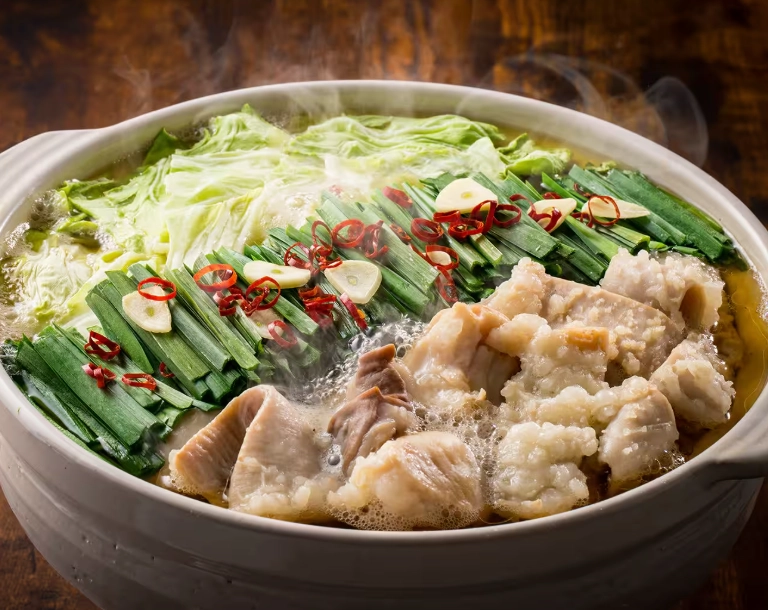
First, the ramen shops with English menus aren't always the best. I've seen places near tourist spots serve watered-down broth. Look for spots with a line of locals, even if it means pointing at pictures to order.
Second, yatai can be hit-or-miss. The stalls with flashy signs often charge more for mediocre food. My rule: if the stall owner is engaging with regulars, it's a good sign. Also, bring cash—many don't accept cards, and ATMs can be scarce at night.
Third, mentaiko quality varies. Supermarket versions are fine, but for the real deal, visit a specialty store early in the day. The Fukuoka City Tourism Association website has updates on market events, but I've found local blogs more reliable for real-time tips.
Personal story: I once followed a recommendation to a "hidden" ramen shop, only to find it overcrowded and the broth salty. Lesson learned—sometimes, popular spots are popular for a reason, but don't be afraid to wander off the beaten path.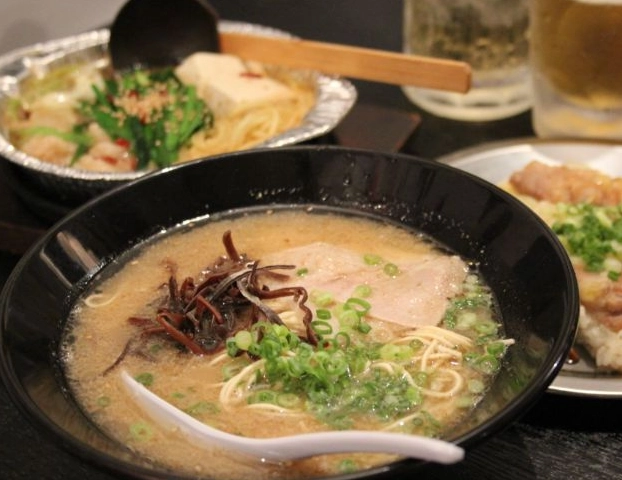
Frequently Asked Questions (FAQ)
Fukuoka's food isn't just about filling your stomach; it's about connecting with a culture that values simplicity and depth. From the first slurp of ramen to the last bite of mentaiko, every moment is a discovery. Use this guide as a starting point, but don't be afraid to explore—your own favorite spot might be just around the corner.
Share Your Thoughts