You've seen the temples, eaten the sushi, and ridden the bullet train. But to touch the real heart of Japan, you need to get your hands dirty. Literally. Japanese craft workshops offer a connection to the country's soul that no museum ticket can buy. This isn't about watching someone else work; it's about sitting down with a local artisan and learning a skill passed down for generations. The result? More than a souvenir. It's a memory etched in clay, woven into cloth, or blown into glass.
I remember my first time at a Kyoto pottery wheel. My vase looked more like a sad pancake. The master, a man with clay under his nails and infinite patience, just smiled. "The clay remembers your touch," he said. That's the magic. It's imperfect, personal, and deeply human. This guide cuts through the tourist traps to show you where to find these genuine experiences, how to book them, and what you'll actually walk away with.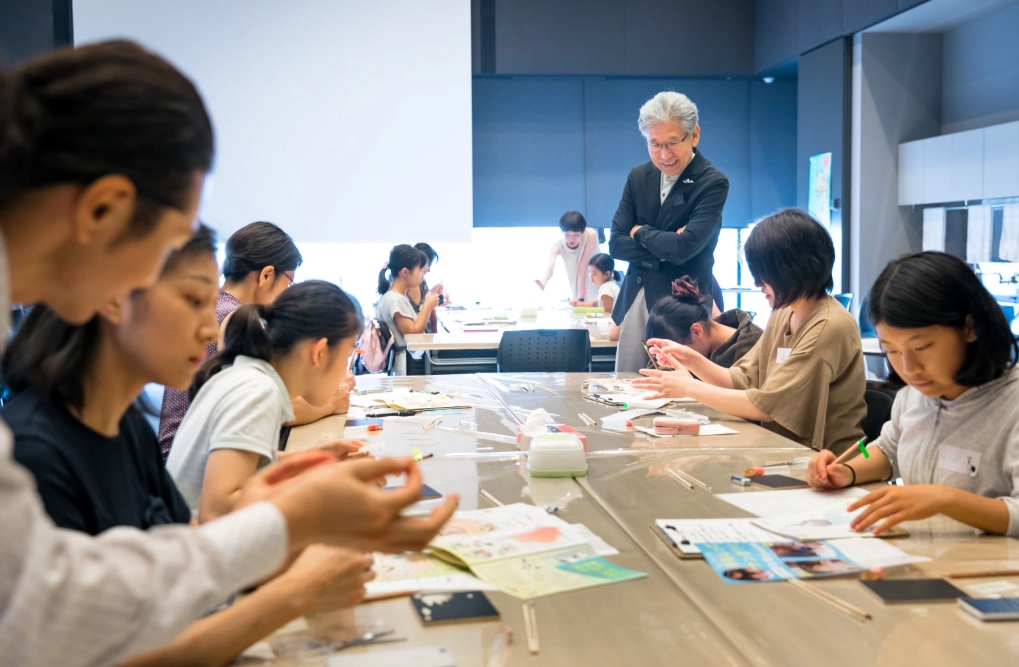
Your Journey Through Japanese Craftsmanship Starts Here
- What Are Japanese Craft Workshops Really Like?
- Top Japanese Crafts to Try: From Pottery to Paper
- How to Choose the Right Japanese Craft Workshop for You
- Where to Find the Best Craft Workshops in Japan
- Practical Guide: Booking Your Workshop & What to Expect
- Your Japanese Craft Workshop Questions Answered
What Are Japanese Craft Workshops Really Like?
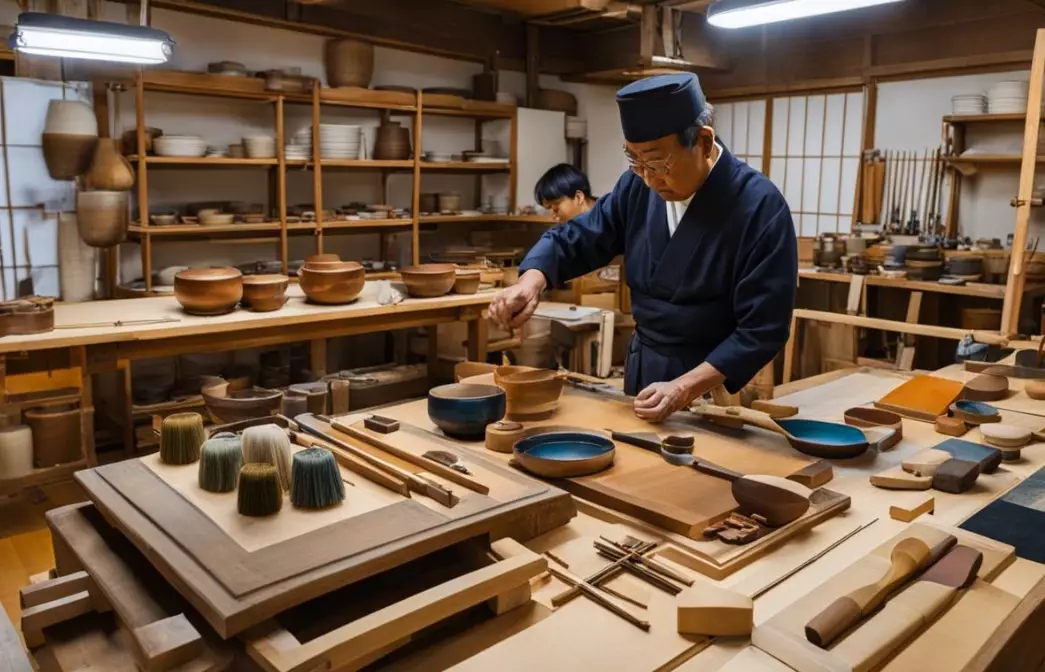
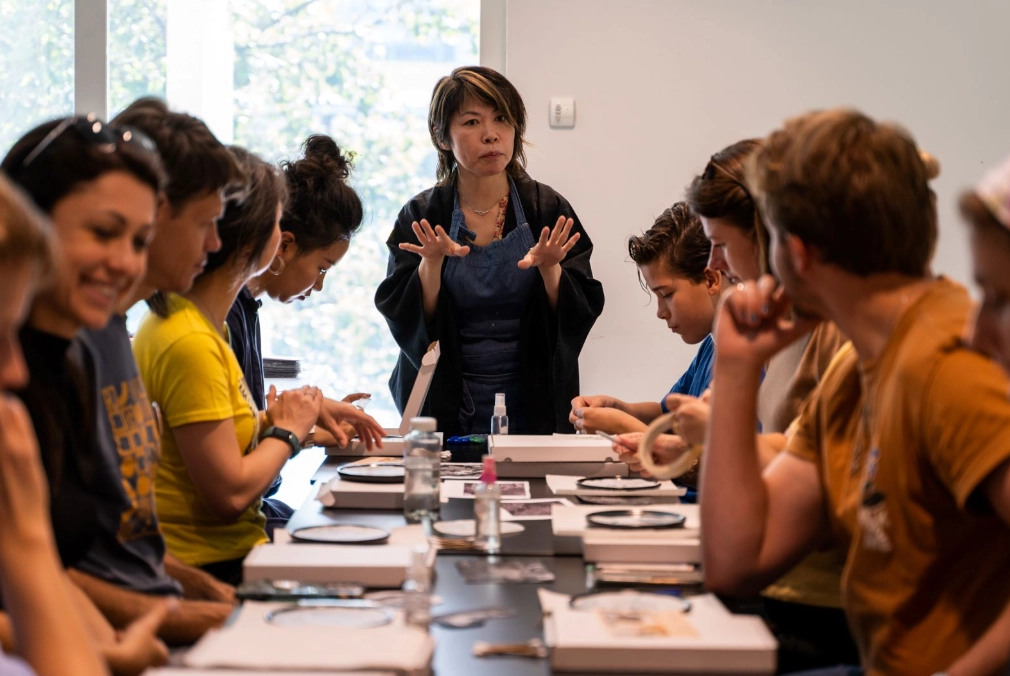
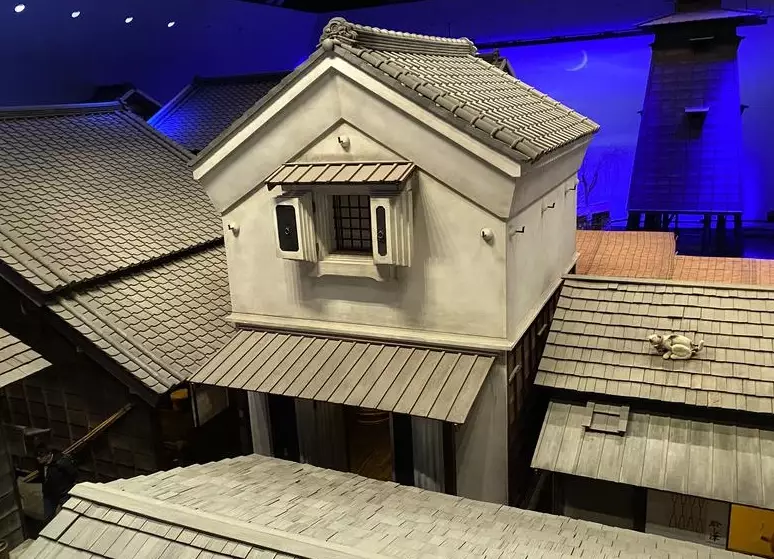
Forget sterile, factory-style classes. A traditional Japanese craft workshop is often a small, family-run affair. You might be in a converted kura (storehouse) in Kanazawa, a quiet studio tucked behind a Tokyo side street, or an open-air workshop in Okinawa. The atmosphere is usually calm and focused. The sensei (teacher) demonstrates, often with few words but precise movements, and then guides you.
The biggest mistake first-timers make? Expecting a perfect product. The goal isn't replication. It's understanding the process, the material, and the mindset. Wabi-sabi, the appreciation of beauty in imperfection, isn't just a philosophy here; it's the natural outcome. Your slightly wobbly bowl has more character than anything you could buy.
A quick reality check: Not all workshops are created equal. The ones heavily advertised in giant English fonts in tourist hubs can feel rushed and impersonal. The real gems often require a bit of digging—or reading to the end of this guide.
Top Japanese Crafts to Try: From Pottery to Paper
Japan's craft traditions are deeply regional. What you learn in Kyoto differs from what you'd learn in Hokkaido. Here’s a breakdown of the most accessible and rewarding workshops for visitors.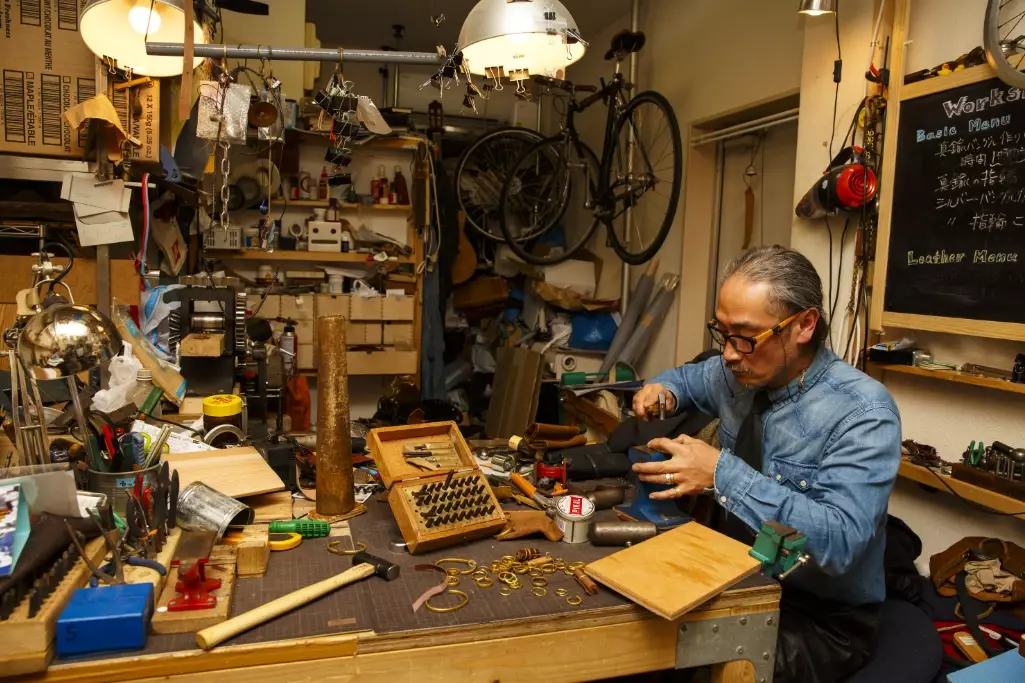
Ceramics & Pottery (Yakimono)
This is the king of craft experiences. You can try the potter's wheel (rokuro) or hand-building techniques. Kyoto is famous for Kiyomizu-yaki, often with vibrant enamel glazes. Seto and Tokoname (near Nagoya) are historic pottery towns where you can work with distinctive local clays. A 2-hour wheel-throwing session typically costs between 4,000 to 7,000 yen. Your piece will be fired and glazed for you, often shipped to your hotel or overseas for an extra fee (plan for 2-4 weeks).
Textile Arts: Indigo Dyeing (Aizome) & Weaving
Indigo dyeing is incredibly satisfying. You bind, stitch, or clamp fabric before dipping it into the deep blue vat. The reveal is always a surprise. Tokushima on Shikoku island is the spiritual home of Japanese indigo. In Tokyo, the Bunkyo Ward has smaller studios. Weaving workshops, like making a tenugui (thin cotton towel) on a loom, are also common in craft villages like Omiya in Saitama.
Metalwork: Gold Leaf Application (Kinpaku)
Kanazawa produces over 99% of Japan's gold leaf. Here, workshops let you apply fragile sheets of gold to lacquerware, boxes, or even chopsticks. It's less about brute force and more about breath control and delicate precision. It’s surprisingly affordable for the material involved, with small items starting around 2,500 yen.
Glasswork (Glass Koubou)
Especially popular in Okinawa (Ryukyu glass) and Niijima Island, you can try glass blowing or fuse smaller pieces in a kiln. The oceanic colors of Okinawan glass are stunning. This often requires more specialized equipment, so workshops are usually in dedicated studios.
Paper Crafting (Washi)
You can try making traditional washi paper from mulberry pulp or crafting with existing sheets—like chochin paper lanterns or shoji screen panels. Look for workshops in areas known for paper, like Echizen in Fukui Prefecture.
| Craft Type | Best Regions to Try It | Typical Duration | Price Range (Approx.) | Good For |
|---|---|---|---|---|
| Pottery (Wheel) | Kyoto, Seto, Tokoname, Bizen | 1.5 - 2.5 hours | ¥4,000 - ¥8,000 | Hands-on learners, those wanting a tangible result |
| Indigo Dyeing | Tokushima, Tokyo (Bunkyo), Fujino | 1 - 2 hours | ¥3,000 - ¥6,000 | Families, people who enjoy pattern-making |
| Gold Leaf Application | Kanazawa | 45 mins - 1.5 hours | ¥2,500 - ¥5,000 | Short on time, detail-oriented crafters |
| Glass Blowing/Fusing | Okinawa, Niijima, Hakone | 1.5 - 3 hours | ¥5,000 - ¥12,000 | Those seeking a dramatic, colorful craft |
| Washi Paper Making | Echizen, Gifu, Kyoto suburbs | 1 - 2 hours | ¥2,000 - ¥5,000 | A calm, tactile experience, good with kids |
How to Choose the Right Japanese Craft Workshop for You
With so many options, how do you pick? Don't just go for the first result on Google. Think about these factors:
Your Interest vs. Time Commitment: Love the idea of pottery but only have an hour? Opt for a hand-building or plate-painting session instead of the wheel, which has a steeper learning curve. Glass fusing is quicker than blowing.
Group Size & Atmosphere: Do you want a private lesson or a social group experience? Smaller studios (often booked via direct email) offer intimacy. Larger operations through platforms like Voyagin or GetYourGuide are more structured and multilingual but can feel less personal.
The "Take-Home" Factor: What happens to your creation? Pottery needs firing and glazing (weeks). Glass needs cooling (days). Can you pick it up later, or will it be shipped? Clarify shipping costs—international postage can be steep. For a same-day souvenir, dyeing, gold leaf, or some paper crafts are best.
Language Barrier: This is less of an issue than you think. Many masters are skilled at non-verbal teaching. However, if detailed explanation is important, seek out studios with younger, English-speaking staff or dedicated foreigner-friendly sessions. Websites like Japan Travel by NAVITIME or the official Japan National Tourism Organization (JNTO) site sometimes list such options.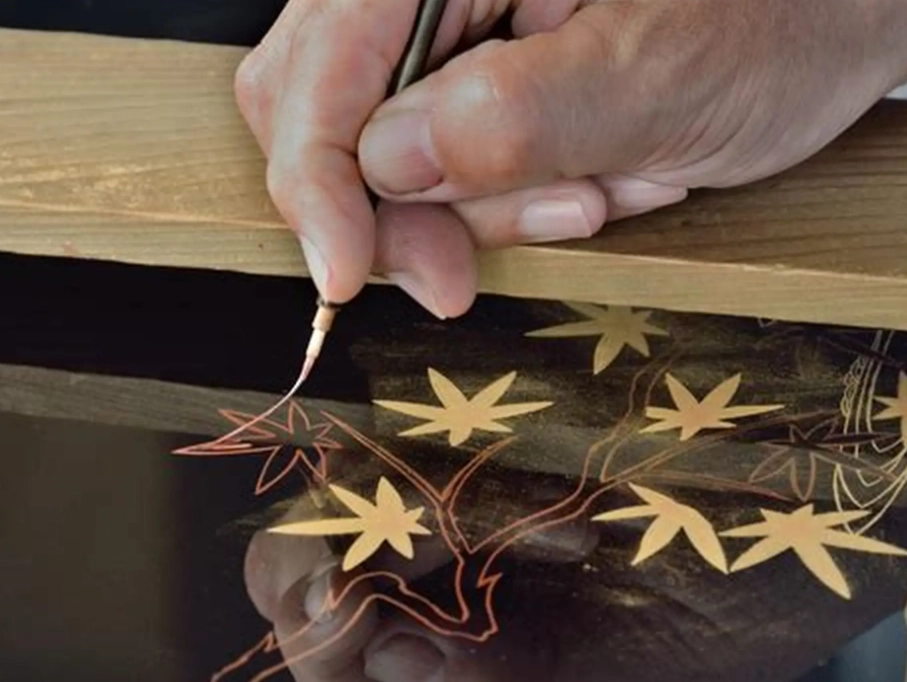
Where to Find the Best Craft Workshops in Japan
While you can find workshops in big cities, the most memorable are often in towns known for that specific craft.
- Tokyo: Don't overlook the capital. Asakusa has fan-making and chochin (lantern) painting workshops catering to tourists. For more authentic feels, venture to Bunkyo's indigo studios or the Ome area for woodworking.
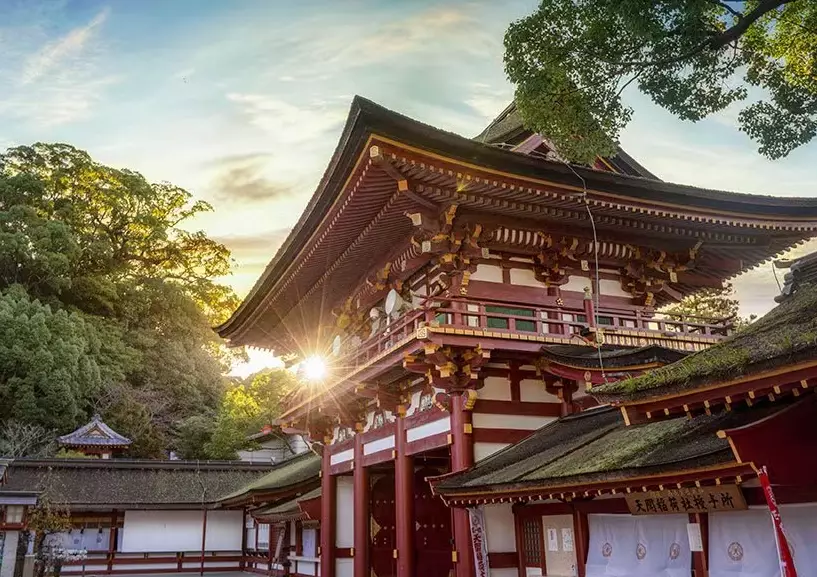
- Kyoto: The epicenter for traditional arts. Look beyond Gion. Gojo-zaka hill near Kiyomizu Temple is lined with pottery studios (Kiyomizu-yaki). The Nishijin Textile Center offers short weaving experiences.
- Kanazawa: A must for gold leaf, but also great for Kutani-yaki pottery painting and Kaga Yuzen silk dyeing (though the latter is complex and expensive).
- Okinawa: The culture is distinctively Ryukyuan. Ryukyu glass workshops in Naha or Itoman use recycled glass and feature brilliant blues and greens. Bingata textile dyeing is another unique option here.
- Craft Villages (Kougei no Sato): These are purpose-built clusters of craft studios. Omiya Bonsai Village (Saitama) has pottery related to bonsai. Fujino (west of Tokyo) is an artists' town with various workshops. They offer a one-stop, immersive dive.
Practical Guide: Booking Your Workshop & What to Expect
Here’s the step-by-step, from finding to finishing your workshop.
1. Research & Booking: Start early, especially for popular small studios. Use a mix of resources:
- Official Tourism Sites: Check the prefectural or city tourism website (e.g., "Kyoto Traditional Crafts Center" website). They list vetted, legitimate artisans.
- Aggregator Sites: Platforms like Activity Japan or Travelience (by the JNTO) are reliable for browsing and booking in English.
- Direct Contact: For the most authentic finds, use Google Maps to search "[craft] workshop [city]" in Japanese (e.g., "陶芸 体験 京都"). Translate the studio's own website and book via email. A little effort goes a long way.
2. Before You Go: Confirm the address in both English and Japanese (for taxi drivers). Wear clothes you don't mind getting dirty—aprons are provided, but clay and dye find a way. Arrive 5-10 minutes early. Bring cash, as some smaller places don't take cards.
3. During the Workshop: Listen, watch closely, and don't be afraid to make a mess. Ask before taking photos of the sensei or their workspace. It's a studio, not a zoo. Enjoy the quiet focus. It's a form of meditation.
4. Afterward: Get clear instructions on when and how you'll receive your finished piece. If shipping, ensure your address is perfectly legible. A thank you (arigatou gozaimashita) is always appreciated.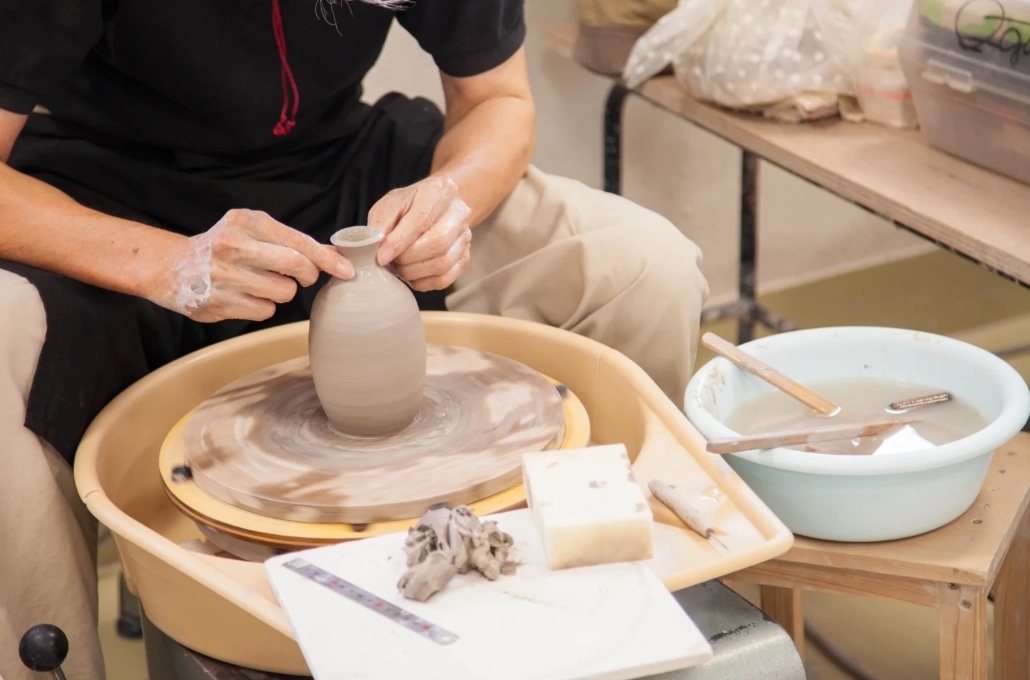
Your Japanese Craft Workshop Questions Answered
I'm short on time in Tokyo. Can I still do a craft workshop?
Absolutely. Look for workshops in Asakusa (like sensu fan decorating) or short 60-90 minute sessions like gold leaf application on small items. Many studios in the Tokyo area offer afternoon or evening slots. Avoid pottery if you need the finished piece the same day.
Are Japanese craft workshops suitable for children or complete beginners?
Most are perfectly suited for beginners—that's their main clientele. For children, choose crafts with immediate, safe results: paper making, simple indigo dyeing (using rubber bands), or painting pre-made pottery. Always check age minimums (often 6+) and if an adult must participate alongside them.
 What if I don't speak any Japanese? Will I understand the instructions?
You'll be fine. The teaching is 80% demonstration. Many studios have picture guides or basic English instructions. For complex crafts like weaving, seek out the explicitly "English-friendly" workshops listed on tourism sites. The universal language of "watch and try" works surprisingly well.
How far in advance should I book a popular workshop, like pottery in Kyoto?
For renowned small studios, a month in advance isn't excessive, especially for peak seasons (cherry blossom, autumn leaves). For larger, tourist-oriented studios, a week or two is usually sufficient. Last-minute spots can be found, but your choice will be limited.
Is it considered rude if my creation turns out poorly?
Not at all. In fact, it's expected. The artisans I've worked with find genuine joy in seeing people engage with their craft, regardless of the outcome. They often find charm in the "mistakes." Your effort and respect for the process are what they value most. Just don't deliberately mock the tradition.
Stepping into a Japanese craft workshop is a decision to engage, not just observe. It slows you down. It connects you to a place through your fingertips. You leave with more than an object; you leave with a sliver of understanding about patience, care, and the beauty of a process mastered over centuries. Skip the mass-produced keychain. Book the workshop. Let the clay remember your touch.



Share Your Thoughts