It's the question that pops up in every travel forum. You've saved up, you're dreaming of sushi and temples, but you're terrified your wallet will scream in protest. Can you actually do Japan on $100 a day? The short, honest answer is: maybe, but it'll be tight, and it depends almost entirely on where you go, when you go, and your travel style. Calling it "enough" is setting yourself up for stress. Framing it as a "challenging but possible budget target" is more honest.
I've traveled Japan on a shoestring and in more comfort. The $100-a-day figure sits in a weird middle ground—it's not poverty tourism, but it's also not letting you say "yes" to everything. Let's break it down, city by city, category by category.
Your Quick Guide to This Article
Defining the $100 Budget
First, let's be clear. When we say $100 a day, we're talking about spending money after your big-ticket items are paid for. Your international flights, travel insurance, and maybe a Japan Rail Pass are separate. This $100 is for everything that happens on the ground: a place to sleep, three meals, getting around, seeing stuff, and the occasional drink or souvenir.
We also need to talk about the exchange rate. As of my last check, $100 USD is roughly ¥15,500 yen. Rates fluctuate, so use a tool like XE.com for the latest. I'll use this 1:155 conversion for our examples.
A crucial nuance most blogs miss: Your first and last day in a country are often budget-busters. You arrive jet-lagged and overpay for a taxi or a rushed meal. You're trying to use up coins on the last day and end up spending more cash. When planning, I always add a $50 "buffer" to my total trip budget for these arrival/departure frictions.
The $100 Daily Budget: A Line-Item Breakdown
To see if it's possible, we need to assign hypothetical yen to every need. Here’s a realistic, no-frills allocation for a single traveler, based on current prices (2024).
| Category | Budget (¥) | Budget ($) | What This Gets You |
|---|---|---|---|
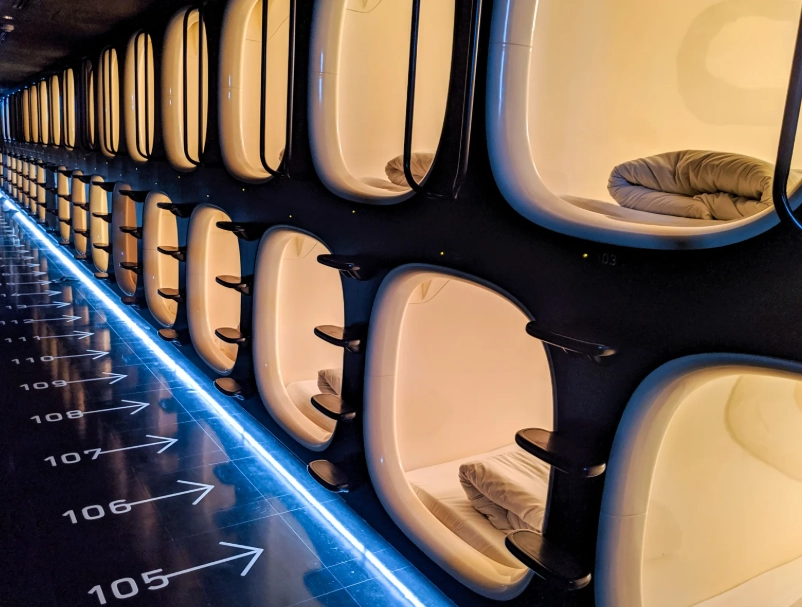
| Accommodation | ¥4,000 - ¥6,000 | $26 - $39 | A bunk in a good hostel dorm, a capsule hotel pod, or a budget business hotel room booked *well* in advance. In major cities, expect the higher end. |
| Food | ¥3,000 - ¥4,000 | $19 - $26 | Convenience store (konbini) breakfast (¥500), a lunch set at a casual restaurant (¥1,000), and a bowl of ramen or gyudon for dinner (¥900). Leaves ¥500-¥1,500 for a drink/snack. |
| Local Transport | ¥1,000 - ¥1,500 | $6.50 - $10 | 3-4 metro/bus rides within a city (e.g., Tokyo subway starts at ¥180, but average ride is ¥250-300). This does NOT cover inter-city travel like Shinkansen. |
| Activities & Sights | ¥1,000 - ¥2,000 | $6.50 - $13 | One major temple/shrine entry (¥500-¥1,000), a museum (¥600-¥1,200), or a park. Free walking tours and temple grounds help a lot here. |
| Miscellaneous | ¥500 - ¥1,000 | $3 - $6.50 | Water, a coffee, a coin locker, a souvenir stamp (goshuin), or that irresistible melon pan. |
| TOTAL | ¥9,500 - ¥14,500 | $61 - $94 | This leaves a slim buffer of ¥1,000 ($6.50) if you hit the lower end. One splurge blows it. |
See the problem? The math works on paper, but it's a house of cards. If your hostel costs ¥6,500 instead of ¥5,000, you're already over. If you need to take a taxi because you missed the last train (a ¥3,000 mistake), your budget is ruined for two days.
Where $100 a Day Works (and Where It Doesn't)
Japan isn't a monolith. Costs vary wildly.
Tokyo: The Ultimate Test
$100 a day in Tokyo is a constant negotiation. Accommodation is your biggest enemy. A decent hostel in Shinjuku or Shibuya will run ¥3,500-¥4,500 for a dorm. Food can be done cheaply if you embrace ramen shops, standing sushi bars (kaitenzushi), and supermarket bentos after 7 PM. Transport adds up fast—a trip from Shinjuku to Asakusa and back is about ¥600. My advice? In Tokyo, $100 is a survival budget, not an enjoyment budget. You'll be skipping the SkyTree, the fancy robot shows, and most paid museums.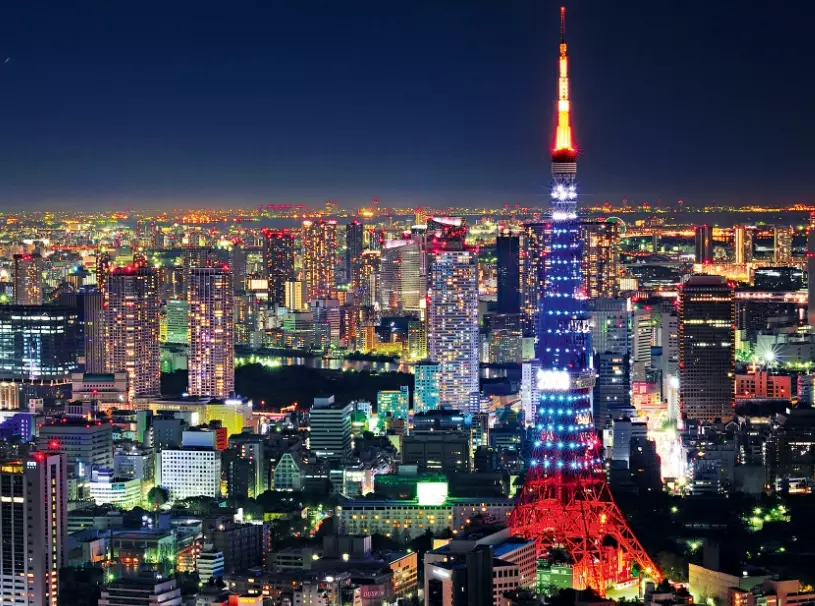
Kyoto: A Mixed Bag
Kyoto surprises people. Hotels are expensive, but a growing number of guesthouses and hostels in areas like Fushimi or near Kyoto Station offer dorms for ¥3,000-¥4,000. The killer here is transport. Buses are the main way to reach temples, and a single ride is ¥230. A day pass is ¥700. If you visit two temples a day, the pass pays off. Many major temples charge ¥500-¥1,000 entry. You can easily spend ¥2,500 just on getting to and entering sights. $100 is doable if you're strategic, pick a few paid temples, and fill the rest with free gardens and streets like Sannenzaka.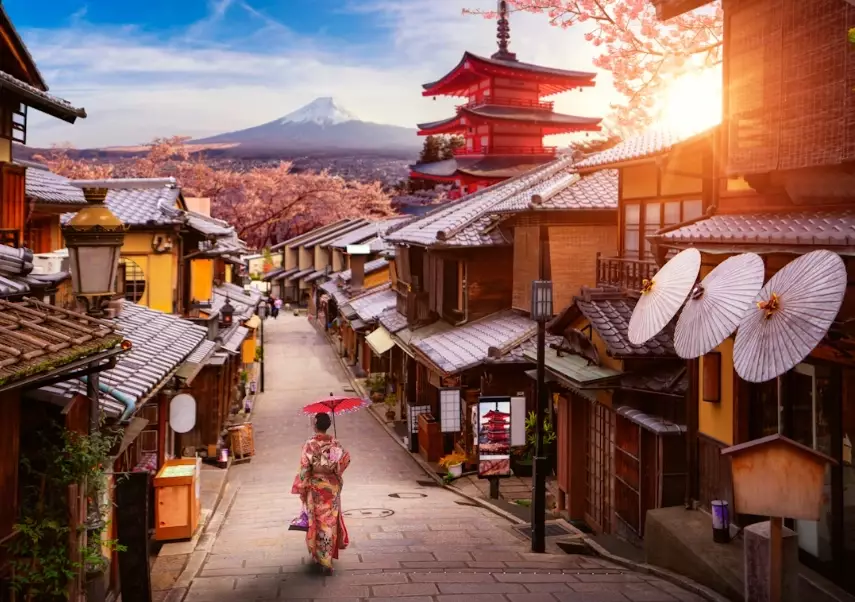
Osaka: The Budget-Friendly City
Osaka is where $100 starts to feel more comfortable. Food is famously cheap and incredible—takoyaki for ¥600, kushikatsu for ¥1,500, street food everywhere. Hostels in the Namba area are plentiful. The Osaka Amazing Pass (¥3,000 for 2 days) is a steal, covering unlimited subway travel and entry to about 40 attractions. For a day, you could do: Hostel (¥3,500) + Food (¥3,000) + Amazing Pass (¥1,500 pro-rated) + Misc (¥500) = ¥8,500 ($55). You're under budget with room for an extra beer!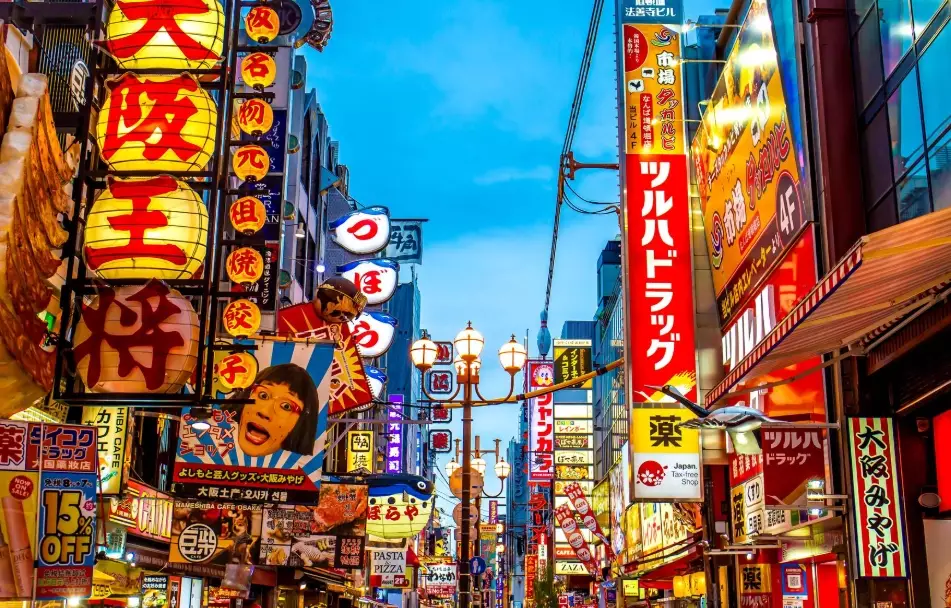
Smaller Towns & Rural Areas
This is the sweet spot. In places like Kanazawa, Takayama, or on the islands of Shikoku, $100 a day can feel generous. Family-run ryokans or business hotels can be ¥6,000-¥8,000 for a private room. Local bus fares are smaller. Many attractions are cheaper or free. The trade-off is that inter-city travel to get there costs more.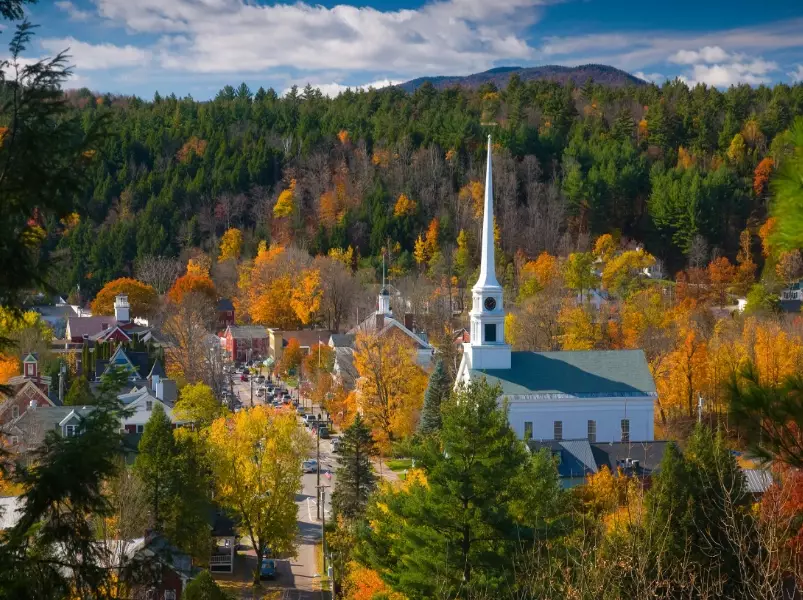
How Your Travel Style Changes Everything
Are you a backpacker who loves hostels? A foodie who dreams of sushi breakfast? A couple wanting privacy? Your style dictates feasibility.
Scenario: Mika's Tokyo 3-Day Budget Blitz
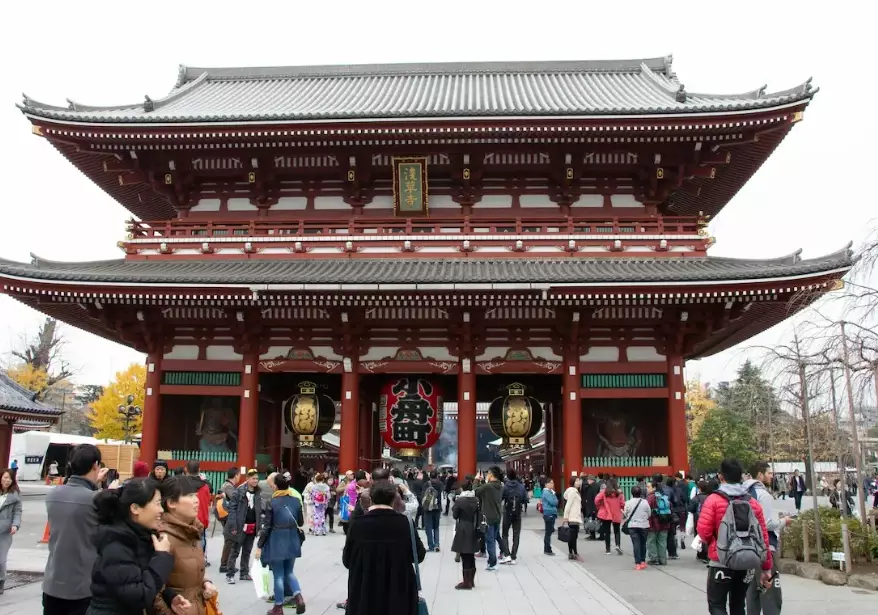
Mika is solo, doesn't mind dorms, and is happy with konbini food. She books a capsule hotel in Shinjuku for ¥4,000/night. Breakfast: konbini onigiri (¥250). Lunch: Yoshinoya beef bowl (¥500). Dinner: Ichiran ramen (¥1,000). Transport: Uses a Pasmo card, travels 4 times (¥1,200). Activity: Visits Senso-ji (free) and the Tokyo Metropolitan Government Building observatory (free). Misc: Water, green tea (¥300).
Her daily total: ¥7,250 ($47). She's way under $100! But she's also missing out on quintessential experiences like Tsukiji Outer Market treats, a proper sushi meal, or a night out in Golden Gai. It's a barebones existence.
For a couple, the math shifts. A private room in a budget hotel might be ¥9,000, splitting to ¥4,500 each—already higher than Mika's capsule. You might save by sharing meals, but your accommodation baseline is higher.
Pro Tips to Make Your Money Go Further
Beyond the obvious "stay in hostels," here are some less-talked-about strategies.
Accommodation Hacks: Look for business hotels slightly outside the major hubs but within a 5-minute walk of a subway line. Toyoko Inn and APA Hotel chains are basic but reliable. Use Japanese booking sites like Jalan or Rakuten Travel for deals not always on international sites. Consider a last-minute "net cafe" stay in an emergency—¥2,500 for a private cubicle with a PC, shower, and all-you-can-drink soda.
Food Mastery: Department store basements (depachika) are gourmet heavens that discount prepared food massively after 7 PM. Supermarkets do the same around 8 PM. For lunch, always look for the plastic food models outside restaurants showing the "teishoku" (set meal)—it's the best value. A ¥1,500 lunch set can include a main, rice, miso soup, salad, and a small dessert.
Transport Wisdom: The Japan Rail Pass is a complex calculation. For a $100/day budget, it's often a bad choice unless you're doing a whirlwind cross-country trip. Regional passes (like the Kansai Area Pass or Hokkaido Rail Pass) are more targeted and cheaper. In cities, buy a Suica/Pasmo card—it saves time and gives you small discounts on fares compared to single tickets.
The Free & Almost-Free List:
- Temples & Shrines: Grounds are almost always free; only specific inner gardens or halls charge.
- Hiking: Trails in places like Kamakura, Nikko, or the Japan Alps.
- City Views: Tokyo Metropolitan Gov Building (Shinjuku), Umeda Sky Building Floating Garden (Osaka, small fee).
- Festivals: If your timing is right, summer matsuri are free spectacles.
- Window Shopping: Takeshita Street, Akihabara, Dotonbori—the energy is the attraction.
Your Japan Budget Questions Answered
So, is $100 a day enough for Japan? It's a strict budget that requires planning, discipline, and compromise. You can make it work, especially in smaller cities or if you're traveling solo and love hostels. But for most people wanting a balanced experience—a mix of culture, good food, and comfort—I'd recommend aiming for a more realistic $120-$150 per day. That extra $20-$50 is the difference between surviving and actually enjoying one of the world's most incredible destinations. It lets you say "yes" to that unforgettable Kobe beef lunch special, take a spontaneous river cruise in Kyoto, or buy a beautiful piece of ceramics without guilt. Your memories are worth the upgrade.

Share Your Thoughts