So you're thinking about swapping Tokyo's neon buzz for the refined elegance of Kanazawa. Good call. That journey from the hyper-modern capital to the well-preserved Edo-period city on the Sea of Japan is one of my favorites in the country. It's not just a change of location; it's a shift in pace, aesthetic, and flavor. Kanazawa is often called "Little Kyoto," but that sells it short. It has its own distinct character—less crowded, proudly local, and obsessed with two things: incredible seafood and gold leaf.
I've made this trip half a dozen times, by train, by bus, and once (regrettably) by car. Let's cut through the clutter and get you the real information you need to plan an unforgettable Tokyo to Kanazawa adventure.
Your Quick Jump to Kanazawa Info
How to Get from Tokyo to Kanazawa: Shinkansen, Bus, or Drive?
You have three main options, and the choice really depends on your budget and how much you value time versus cost.
The Hokuriku Shinkansen (The Fast & Scenic Choice)
This is my strong recommendation for most travelers. Since 2015, the bullet train has connected Tokyo to Kanazawa in about 2.5 hours. You board at Tokyo Station or Ueno Station.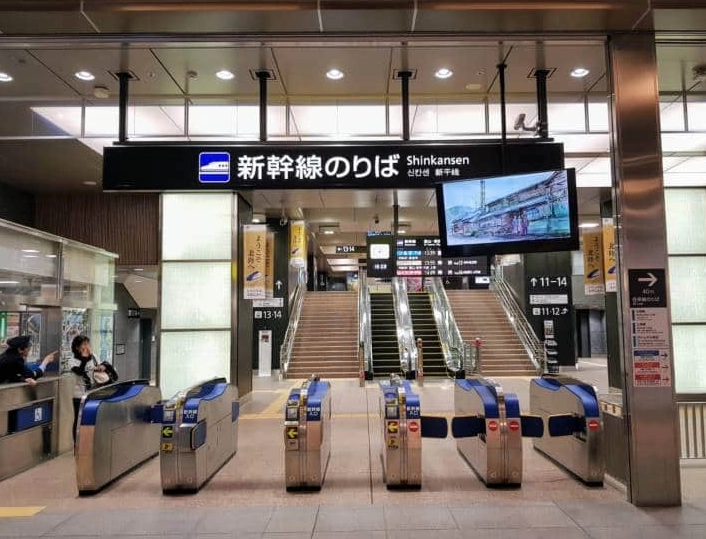
The ride itself is part of the experience. After Nagano, the train plunges into the Japanese Alps. If you get a window seat on the right side (Seat D or E) heading north, you're in for a treat—snow-capped peaks and deep valleys. The Kagayaki is the fastest, with fewer stops. The Hakutaka and Tsurugi make more stops but cost the same.
The Highway Bus (The Budget Choice)
Overnight buses run from Shinjuku and Tokyo Station to Kanazawa. A trip takes 7-8 hours and costs roughly ¥7,000 to ¥10,000 one way—less than half the Shinkansen fare.
It sounds efficient—sleep while you travel—but the reality is often a cramped, fitful night. If you're young, on a tight budget, and can sleep anywhere, it's an option. For anyone else, the time cost and next-day fatigue can eat into your precious sightseeing. Companies like Willer Express and JR Bus operate these routes.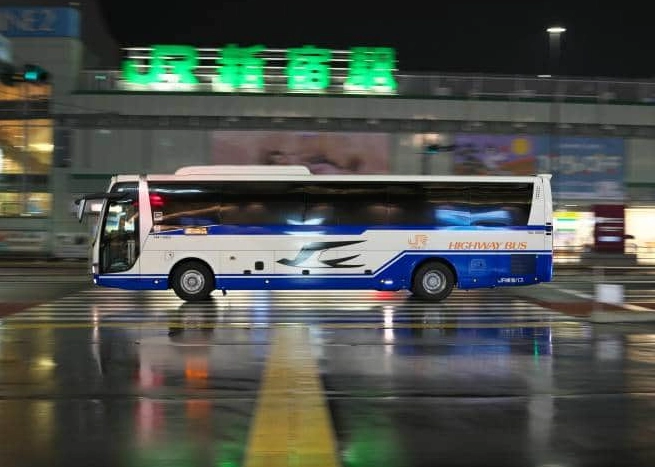
Rental Car (The Flexible, But Complicated, Choice)
I did this once. I won't do it again for a simple point-to-point trip. The drive via the Kanetsu and Hokuriku Expressways takes 5-6 hours without stops, and tolls alone will run you over ¥10,000. Add rental and gas, and you're near Shinkansen prices but with the stress of navigation and parking in a city where the best districts are best explored on foot.
Only consider this if you plan to explore the remote Noto Peninsula or mountain villages afterwards.
| Transport Method | Travel Time | Approx. Cost (One-Way) | Best For |
|---|---|---|---|
| Hokuriku Shinkansen | ~2.5 hours | ¥14,500 - ¥15,500 | Time-savers, comfort seekers, first-timers |
| Highway Bus (Overnight) | 7-8 hours | ¥7,000 - ¥10,000 | Ultra-budget travelers, those who can sleep on buses |
| Rental Car | 5-6 hours driving | ¥15,000+ (with tolls & rental) | Travelers exploring beyond Kanazawa (e.g., Noto Peninsula) |
What is the Best Kanazawa Itinerary from Tokyo?
You need at least two full days. Three is ideal. Here's a balanced 3-day plan that covers the highlights without a frantic pace.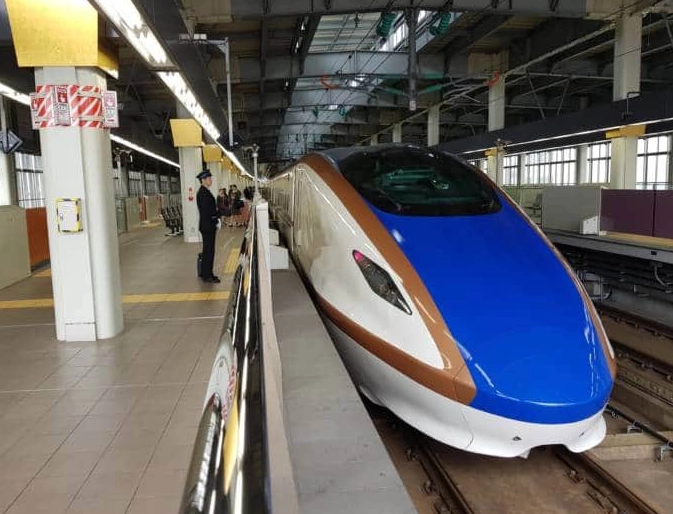
Day 1: Gardens, Castles, and Modern Art
Take an early Shinkansen from Tokyo, arriving in Kanazawa by late morning. Drop your bags at your hotel or a station locker.
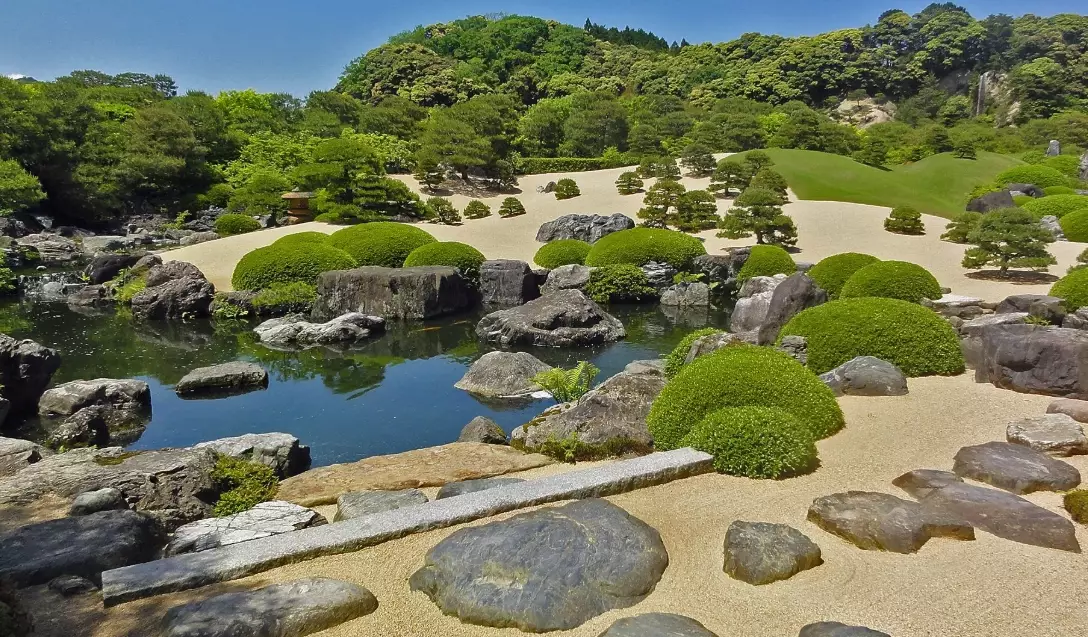
Head straight to Kenrokuen Garden. It's one of Japan's Three Great Gardens for a reason. Go early to beat the worst of the crowds. The morning light is beautiful. Admission is ¥320 for adults. It's open 7 AM to 6 PM (hours vary slightly by season).
Right next door is Kanazawa Castle Park. The main keep is gone, but the restored gates, walls, and storehouses are impressive. The Ishikawa-mon gate is iconic. Castle park entry is free, though it costs ¥320 to enter some restored buildings.
In the afternoon, visit the 21st Century Museum of Contemporary Art. Even if you hate modern art, go. The architecture is the main attraction—a circular, glass-walled building that feels open and playful. The famous swimming pool installation (Leandro Erlich's "The Swimming Pool") is a must-see. General admission to the museum zones is about ¥450.
Day 2: Geisha Districts and Samurai Culture
Start in the Higashi Chaya District. This is the largest and most famous of Kanazawa's geisha entertainment districts. The lattice-worked wooden teahouses are stunning in the morning quiet before the tour buses arrive. Don't just walk the main street—peek down the tiny alleys. Visit the Shima or Kaikaro teahouses (both open to the public for a fee) to see the interior.
Afternoon, explore the Nagamachi Samurai District. Wander the narrow, earthen-walled lanes where middle-ranking samurai and their families lived. The Nomura-ke Samurai House (¥550) is a beautifully preserved example with a lovely small garden. It gives you a tangible sense of the samurai's austere yet refined lifestyle.
Evening? Head to the Korinbo or Katamachi areas for dinner. That's where the locals go for izakayas and restaurants.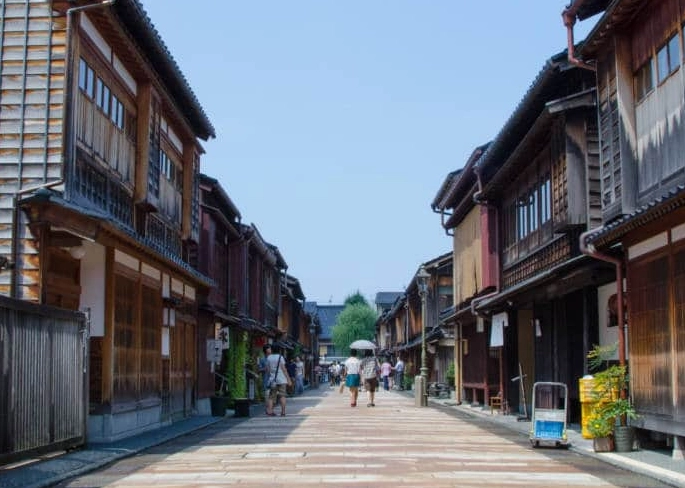
Day 3: Market, Crafts, and Departure
Your last morning is for Omicho Market. This is Kanazawa's kitchen—a covered market with over 200 stalls. It's chaotic and wonderful. Come hungry. Sushi and seafood don bowls for breakfast are the move. Try places like Iki Iki Tei or just follow the line of locals. The market opens around 9 AM, with most food stalls ready by 10 AM.
Spend your final hours shopping for crafts. Kanazawa is a Kogei (crafts) city. Look for gold leaf products (everything from skincare to chopsticks), Kutani-yaki pottery, and Kaga Yuzen silk dyeing. A good one-stop shop is the Ishikawa Prefectural Museum of Traditional Products and Crafts near Kenrokuen, or the many small studios in the Higashi Chaya area.
Top Things to Do in Kanazawa: Beyond the Guidebook List
Everyone will tell you to see Kenrokuen and the geisha districts. They're right. But here's a bit more texture on those spots and one often-missed gem.
Kenrokuen Garden is stunning, but it can feel like a museum—roped-off paths, don't-step-on-the-grass rules. My advice? Don't rush. Find a bench near Kasumigaike pond and just sit. Watch the gardeners meticulously maintain the iconic yukitsuri (rope supports protecting trees from snow) if you're there in winter. It's about the atmosphere, not just ticking a box.
The Higashi Chaya District gets packed. For a slightly quieter, more authentic feel, walk 10 minutes to the Kazuemachi Chaya District, across the Asano River. It's smaller, has fewer shops, but feels more lived-in. You might even see a geisha or maiko (apprentice) shuffling between appointments in the late afternoon.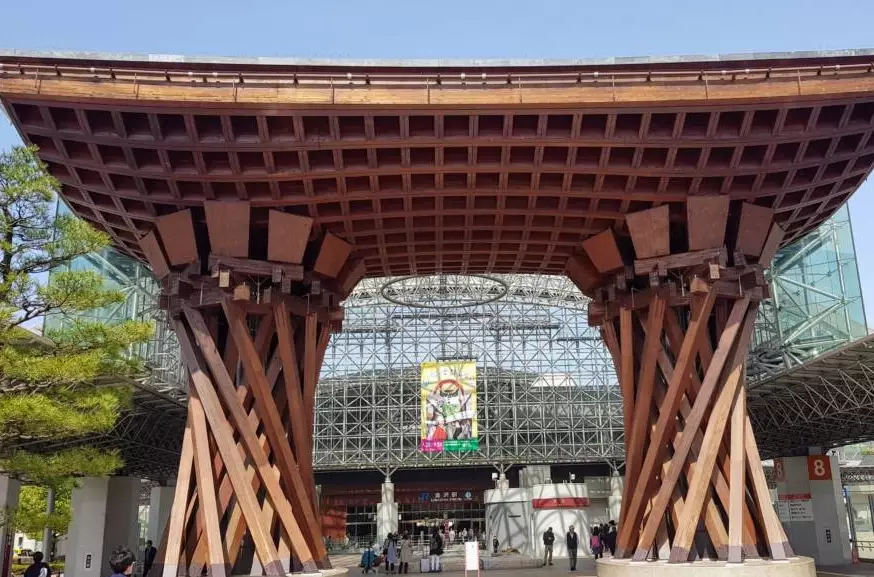
The often-missed gem? Myoryuji Temple, nicknamed the "Ninja Temple" (¥1000, reservation usually required). It has nothing to do with ninjas, but everything to do with paranoid samurai. Built in the Edo period, it's a labyrinth of hidden rooms, trick stairs, and escape routes—a fascinating look at feudal paranoia and clever architecture.
What & Where to Eat in Kanazawa: A Food Lover's Map
Kanazawa's food scene is dominated by the Sea of Japan. It's fresh, briny, and often luxurious.
Seafood at Omicho Market: This is ground zero. Go for kaisen-don (seafood rice bowl). The variety is insane: sweet shrimp (amaebi), creamy uni (sea urchin), fatty otoro tuna. Prices range from ¥1,500 for a basic bowl to ¥5,000+ for the premium stuff. Sit at a counter and point at what looks good.
Kanazawa Curry: This is a local point of pride. It's different from Japanese or Indian curry—thicker, darker, often with a tonkatsu (pork cutlet) on top, and served with shredded cabbage. It's a hearty, working-class meal. Go! Go! Curry is a famous chain that started here, but locals swear by old-school spots like Curry no Kameya near Omicho Market.
Jibuni: This is the local stew. Duck or chicken is coated in flour, simmered with vegetables like bamboo shoot and shitake mushroom in a soy-dashi broth. It's warming and comforting. Find it at traditional restaurants, especially in the Higashi Chaya area.
Gold Leaf Everything: Yes, you can eat gold. It's tasteless and non-toxic. The classic is kinpaku soft serve ice cream, available at several shops in the Higashi Chaya District for around ¥500-¥900. It's a fun, glittery photo op. You'll also find gold leaf in sake, on sushi, and in sweets.
For a memorable dinner splurge, look for a Kaga Kaiseki restaurant. This is the multi-course haute cuisine of the region, using local seafood and mountain vegetables. Expect to pay ¥10,000-¥20,000 per person. Miyoshian near Kenrokuen is a renowned option.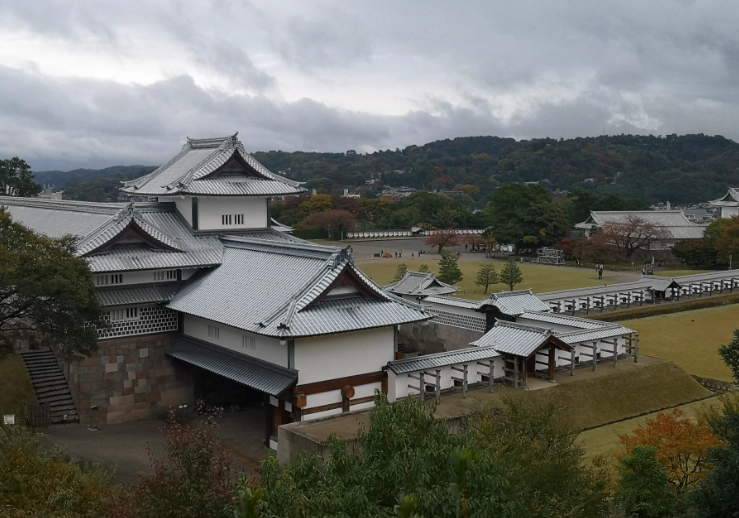
Share Your Thoughts