Your Festival Journey Map
- A Seasonal Japanese Festivals List: When to Go and What to See
- Beyond the Season: Types of Festivals on a Japanese Festivals List
- How to Choose From This Massive Japanese Festivals List?
- Planning & Survival Tips: From a Japanese Festivals List to Reality
- Common Questions About Any Japanese Festivals List
- Wrapping Up This Japanese Festivals List Journey
Let's be honest. You search for a "Japanese festivals list" and you get a thousand results, all pretty much the same. They throw a bunch of names and dates at you, and you're left more confused than before. Is Gion Matsuri worth the insane crowds? Can you actually see anything at the Sumida River fireworks? What's the difference between a neighborhood street fair and a nationally televised spectacle?
I've been there. I've stood in the pouring rain at a tiny shrine festival wondering if I was in the right place, and I've also been swept away by the sheer energy of a million-person parade. This isn't just another copied-and-pasted list. This is a curated, practical guide built on getting it wrong so you can get it right. We're going to sort through the noise, tell you what's genuinely worth planning your trip around, and give you the real talk you need to enjoy it.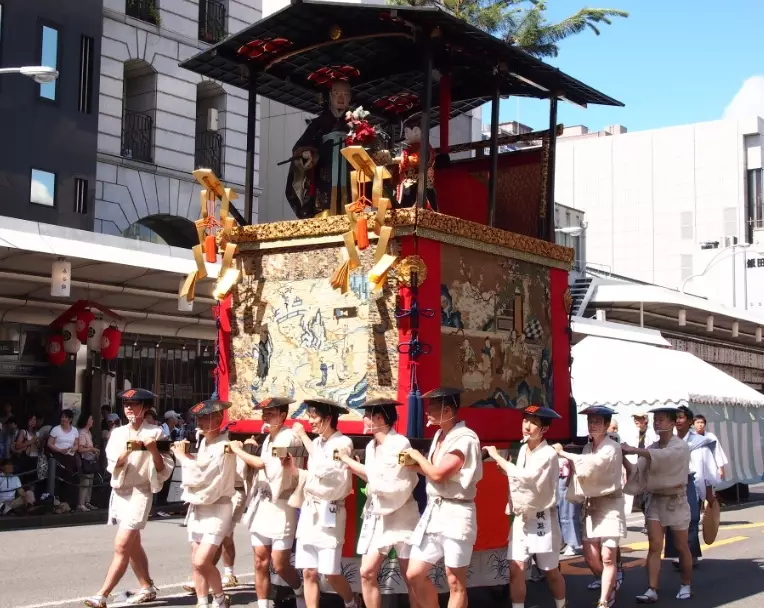
A Seasonal Japanese Festivals List: When to Go and What to See
Timing is everything in Japan. The climate shapes the culture, and the festivals are no exception. Planning by season isn't just about the weather; it's about catching the right vibe. Here’s a breakdown of the year, highlighting the absolute must-see events that belong on any comprehensive Japanese festivals list.
| Season | Key Festivals (A Sample) | Atmosphere & Vibe | Best For |
|---|---|---|---|
| Spring (Mar-May) | Takayama Spring Festival, Hirosaki Cherry Blossom Festival | Elegant, celebratory, floral. Marking renewal and beauty. | Photography, family outings, enjoying milder weather. |
| Summer (Jun-Aug) | Gion Matsuri (Kyoto), Tenjin Matsuri (Osaka), Nebuta Matsuri (Aomori) | Energetic, explosive, crowded. Fireworks, night parades, beating the heat. | Nightlife lovers, experiencing massive scale, firework fans. |
| Autumn (Sep-Nov) | Kishiwada Danjiri Matsuri, Karatsu Kunchi, Jidai Matsuri | Historical, thankful, majestic. Harvest celebrations and historical re-enactments. | Culture buffs, foodies (autumn harvest!), avoiding peak summer crowds. |
| Winter (Dec-Feb) | Sapporo Snow Festival, Otaru Snow Light Path, Wakakusa Yamayaki | Illuminated, serene, mystical. Ice sculptures, light festivals, fire rituals. | Unique photo ops, romantic getaways, onsen trips. |
Spring's Graceful Celebrations
After the quiet of winter, spring festivals feel like a deep, elegant breath. It's not just about cherry blossoms (though they're a huge part). The Takayama Spring Festival (Sannō Matsuri) in mid-April is a personal favorite. Held in the beautiful old town of Takayama in the Japanese Alps, it's like stepping into a living museum. The highlight is the parade of yatai—lavishly decorated festival floats that are literally designated national treasures. Some have intricate karakuri ningyō (mechanical dolls) that perform plays. The atmosphere is less about wild partying and more about proud, precise tradition. You can find detailed schedules and float information on the official Hida-Takayama Tourism website.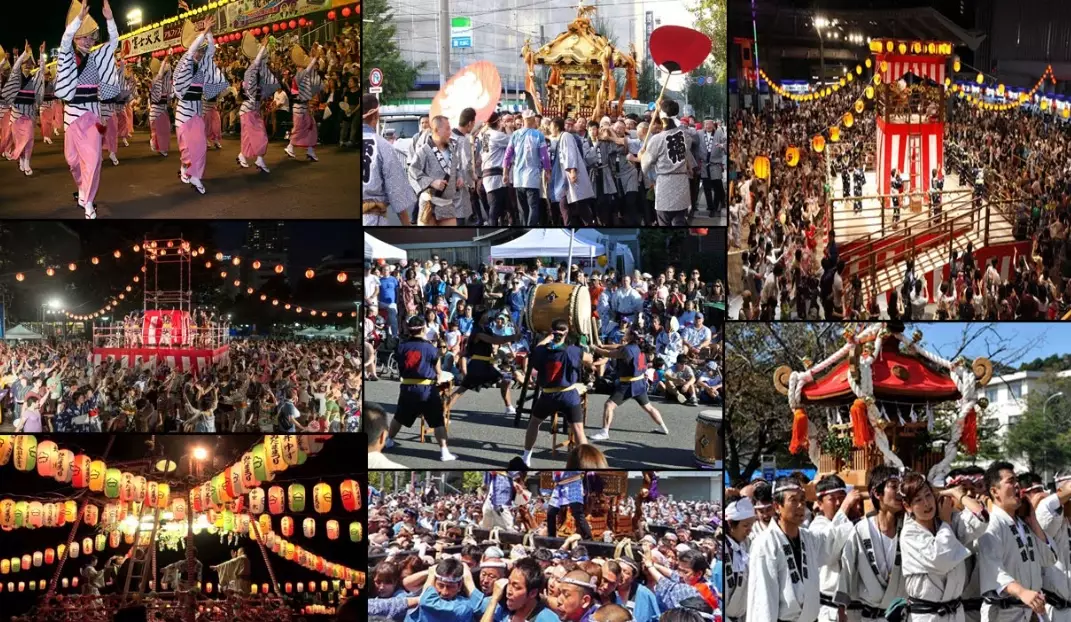
Then you have the Hirosaki Cherry Blossom Festival in late April. Look, many castles have sakura, but Hirosaki Park, with its 2,600 trees, moats filled with pink petals, and illuminated night views, is arguably the most breathtaking. It’s less a "festival" with parades and more a massive, communal picnic under the blossoms. Go early to claim a spot!
Summer's Fiery Explosion
Summer is the undisputed king of the Japanese festival calendar. The heat and humidity seem to fuel an insane energy. The big three of Tohoku's summer—Aomori Nebuta, Akita Kanto, and Sendai Tanabata—are legendary. But let's talk about Nebuta. Massive, illuminated paper floats depicting fierce warriors and gods are paraded through the streets, followed by thousands of dancers (*haneto*) shouting "Rassera!" The sheer scale is mind-blowing. A word of warning: Aomori city gets packed. Book accommodation a year in advance, seriously. It's chaotic, sweaty, and utterly unforgettable.
Down in Kyoto, the Gion Matsuri, spanning the whole of July, is the most famous on any Japanese festivals list. The main event is the Yamaboko Junko parade on July 17th. The floats are towering wooden mountains, some weighing over 10 tons. The craftsmanship is insane. But here's my take: the three nights before the parade (Yoiyama) are, for me, better. The floats are parked in the streets, lit by lanterns, and the areas become massive street parties with food stalls and people in yukata. It's more accessible and feels more festive. The parade itself is a spectacle, but you're often just watching from a cramped spot.
Autumn's Historical Pageantry
As the air turns crisp, the festivals take on a more solemn, historical tone. The Kishiwada Danjiri Matsuri in Osaka (September) is pure, unadulterated adrenaline. Teams of men pull enormous, heavy wooden floats (danjiri) at breakneck speeds around sharp corners. It's dangerous, loud, and breathtakingly macho. You can feel the community pride and tension in the air. It's raw and real, not polished for tourists.
Then there's Kyoto's Jidai Matsuri (Festival of the Ages) on October 22nd. It's a grand historical procession with people dressed in accurate costumes from every era of Kyoto's history as the capital. It's like a walking history book. It's less about participatory fun and more about watching a majestic, slow-moving timeline. Perfect for history nerds.
Winter's Illuminated Wonders
Winter festivals create magic out of the cold. The Sapporo Snow Festival needs no introduction. Massive, intricate snow and ice sculptures line Odori Park. It's incredible, but also the most tourist-heavy event imaginable. For a more intimate experience, I fell in love with the Otaru Snow Light Path Festival around early February. Just an hour from Sapporo, the canal town of Otaru is lined with thousands of gentle snow lanterns and glass floats. It's quiet, romantic, and feels like a fairy tale. You can sip warm sake while strolling—it's perfect.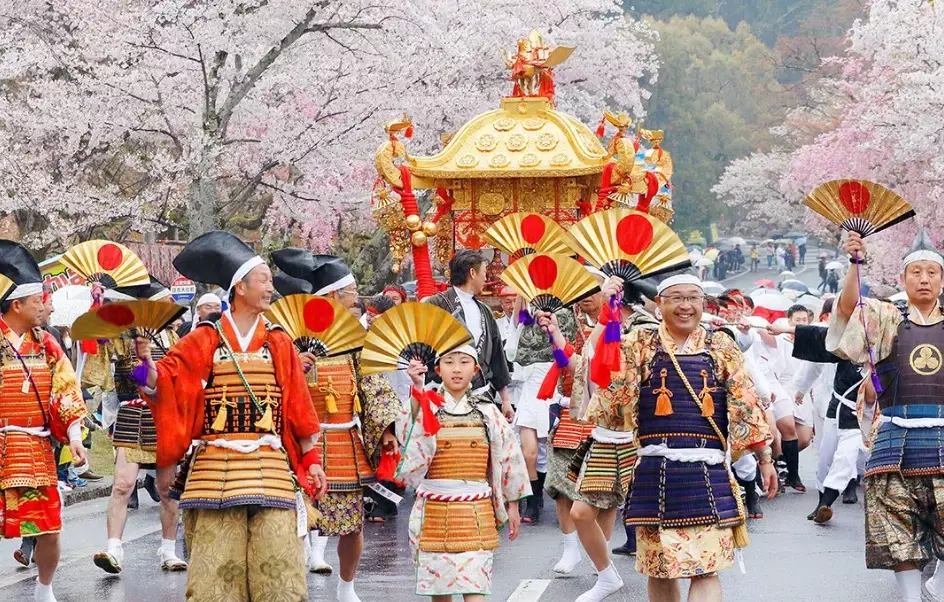
Beyond the Season: Types of Festivals on a Japanese Festivals List
Sorting by season is practical, but understanding the *type* of festival helps you know what you're in for. Is it a solemn religious rite or a town-wide block party?
- Shinto Festivals (Matsuri): The classic. Often involve parading a mikoshi (portable shrine) through the streets to bless the community. Can range from a quiet neighborhood affair with 50 people to a city-wide extravaganza.
- Fire Festivals: Often purification rituals. Think Wakakusa Yamayaki (Nara) where a hillside is set ablaze, or Dōsojin fire festivals in rural areas. Dramatic, primal, and deeply spiritual.
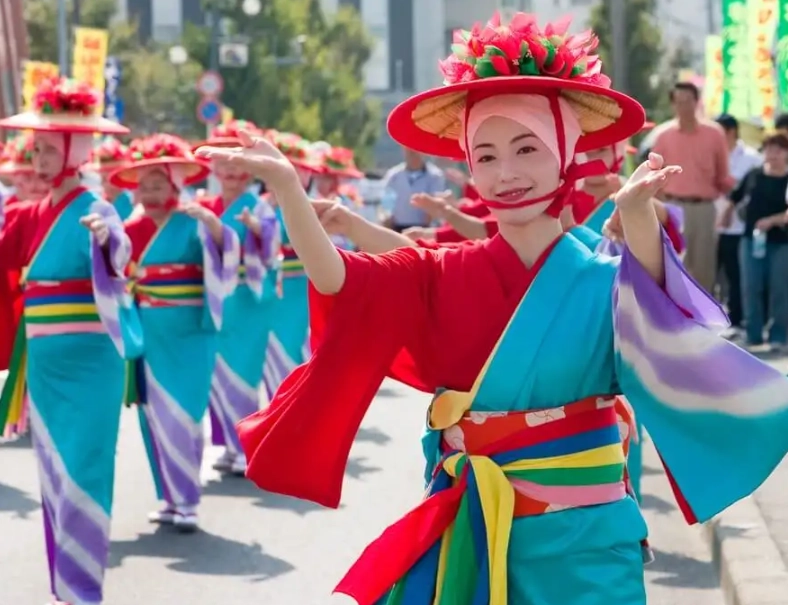
- Dance Festivals: Where participation is key! The Awa Odori in Tokushima (August) is the most famous. The rule is "Fools dance, and fools watch." Spectators often get pulled into the dancing lines. It's incredibly fun and inclusive.
- Modern/Special Interest Festivals: Like the Sapporo Snow Festival (snow art) or the Sumida River Fireworks (competitive pyrotechnics). These are often large-scale spectator events with less religious basis but massive cultural draw.
How to Choose From This Massive Japanese Festivals List?
Okay, so you've seen the names. How do you pick? Don't just go for the most famous one. Ask yourself:
Where are you going? It's better to choose a festival that fits your itinerary than to crisscross the country for one event. Japan has incredible local festivals everywhere. The official Japan National Tourism Organization (JNTO) site has a great searchable event calendar that's super reliable for dates and basics.
What's your interest? Into history? Aim for Jidai Matsuri or samurai-themed festivals. Love food? Summer and autumn festivals have the best street food (yatai) scenes. Photography? Winter illuminations and spring blossoms are your best bet.
My personal strategy? I often pick one "anchor" mega-festival for a trip and then ask locals or my ryokan host about any small, local festivals happening in the area during my stay. Those small ones—where you might be the only foreigner—are often the most memorable.
Planning & Survival Tips: From a Japanese Festivals List to Reality
You've chosen your festival. Now, how to not mess it up?
Accommodation: This is the big one. For major festivals, hotels in the host city sell out months, sometimes a year, in advance. Prices triple. Book your hotel the moment your flights are confirmed. Consider staying in a neighboring town and taking a train in, but know that last trains can be very early, and you might miss the night activities.
Viewing: For parade festivals, good spots go early. People put down blue tarps hours in advance. For some, like Gion Matsuri, you can pay for reserved seating, which is worth it if you hate crowds. For fireworks, like the Sumida River show, you need to camp out on the riverbank with a picnic blanket by mid-afternoon for a prime spot. It's a commitment.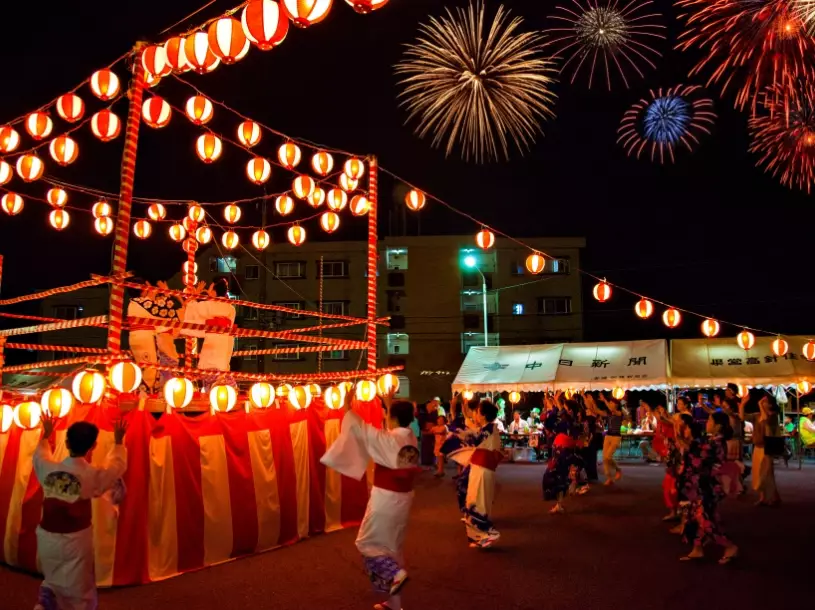
What to Wear/Bring: Comfortable shoes is rule number one. A small towel (for sweat in summer). Cash—most stalls don't take cards. A portable battery for your phone. A plastic bag to sit on. And for summer, a handheld fan (uchiwa) is a lifesaver.
Etiquette: Generally, be respectful. Don't push to the front if people have been waiting. Ask before taking close-up photos of people, especially in smaller, more intimate festivals. If a festival involves a religious procession, be quiet and observant as it passes. When in doubt, watch what the locals do.
Common Questions About Any Japanese Festivals List
Let's tackle the stuff you're actually wondering but other lists don't bother to explain.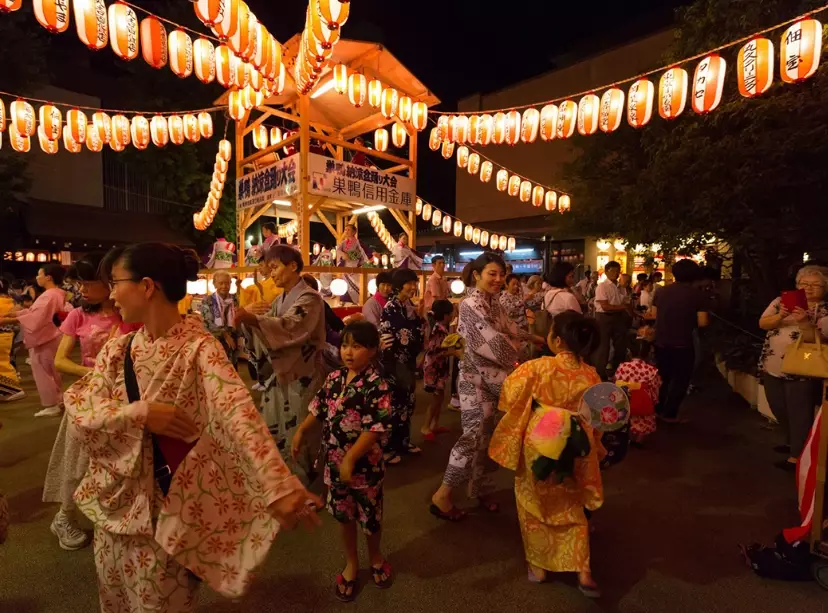
Wrapping Up This Japanese Festivals List Journey
So there you have it. More than just a list, but a roadmap. From the snow-globe charm of winter lights to the thunderous drums of summer parades, a Japanese festival is a direct line to the country's soul. My final piece of advice? Don't try to tick too many off your list. Pick one or two that genuinely speak to you. Immerse yourself. Get lost in the backstreets filled with food stalls. Let yourself be carried by the crowd's energy. Eat the questionable-but-delicious fried squid on a stick. Stay until the end, even when you're tired.
That's when the magic happens. That's when a simple entry on a Japanese festivals list transforms into a memory that stays with you for life. The real list isn't the one you read online; it's the one you create from your own experiences. Now go start yours.
Share Your Thoughts