Yes, absolutely. I've done it multiple times, and so can you. Traveling Japan without a tour isn't just possible; it's often more rewarding. You get to set your own pace, dive deeper into local culture, and save money by avoiding packaged markups. But let's be real—it requires some groundwork. This guide cuts through the fluff and gives you the practical steps I wish I knew on my first solo trip to Tokyo years ago.
What You'll Find in This Guide
- Why Travel Japan Independently?
- How to Plan Your Japan Itinerary Without a Tour
- Navigating Japan's Transportation System on Your Own
- Finding Accommodation: From Ryokans to Hostels
- Must-Visit Attractions and Hidden Gems
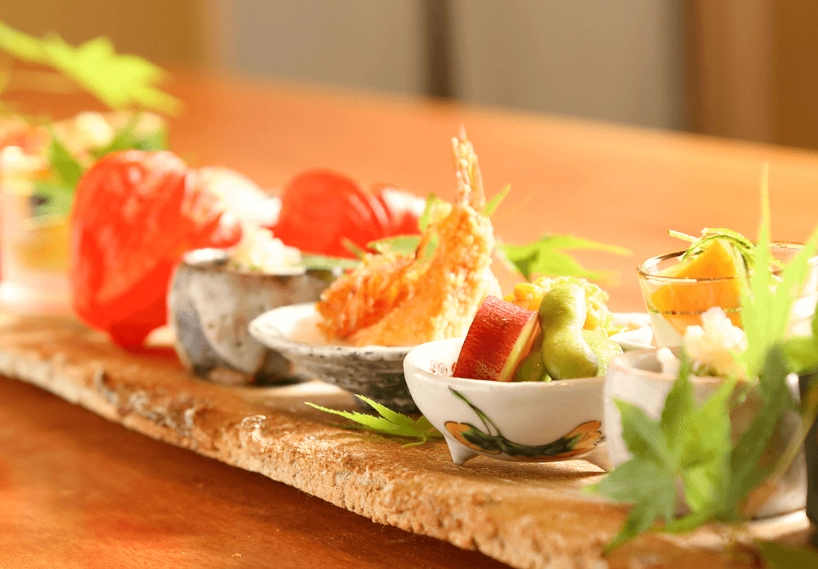
- Dining Solo: Exploring Japanese Cuisine
- Managing Your Budget: Costs and Savings Tips
- Language and Culture: Navigating Like a Local
- FAQ: Common Concerns About Solo Travel in Japan
Why Travel Japan Independently?
Most people think Japan is too complex for solo travel. I thought so too, until I missed a tour bus in Kyoto and ended up wandering into a tiny tea house run by an elderly couple. That spontaneous moment taught me more about Japanese hospitality than any guided tour could. Independent travel lets you have those unscripted experiences.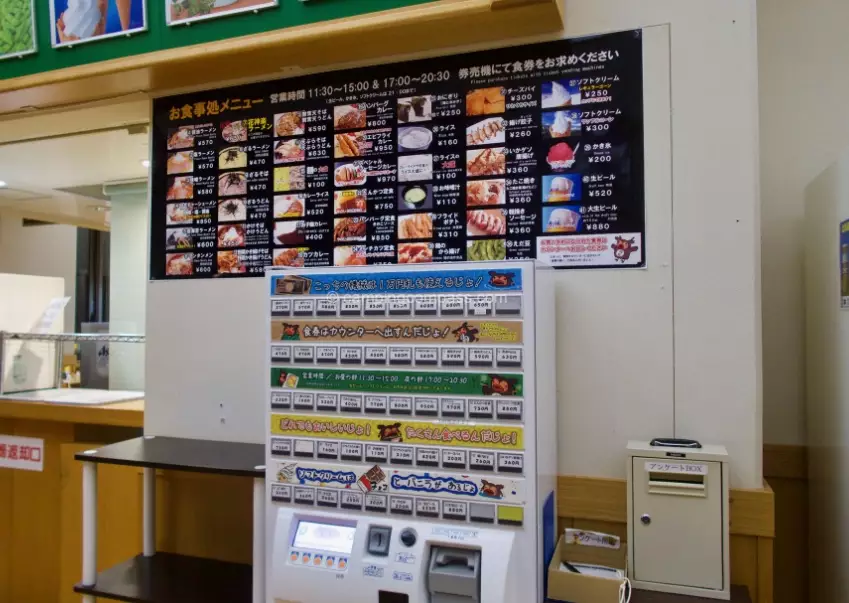
But it's not all roses. You'll deal with language barriers, confusing train schedules, and the occasional loneliness. The trade-off? Freedom. You can spend three hours in a museum instead of thirty minutes, or skip crowded spots for a quiet temple garden.
Key benefit: Flexibility. On a tour, you're stuck with a fixed schedule. On your own, you adapt. If you fall in love with Osaka's street food, you can extend your stay without begging a tour guide.
How to Plan Your Japan Itinerary Without a Tour
Planning is everything. Start by asking yourself: What do I really want? History? Food? Nature? For a first-timer, I recommend a mix. Here's a sample 7-day itinerary based on my own trips.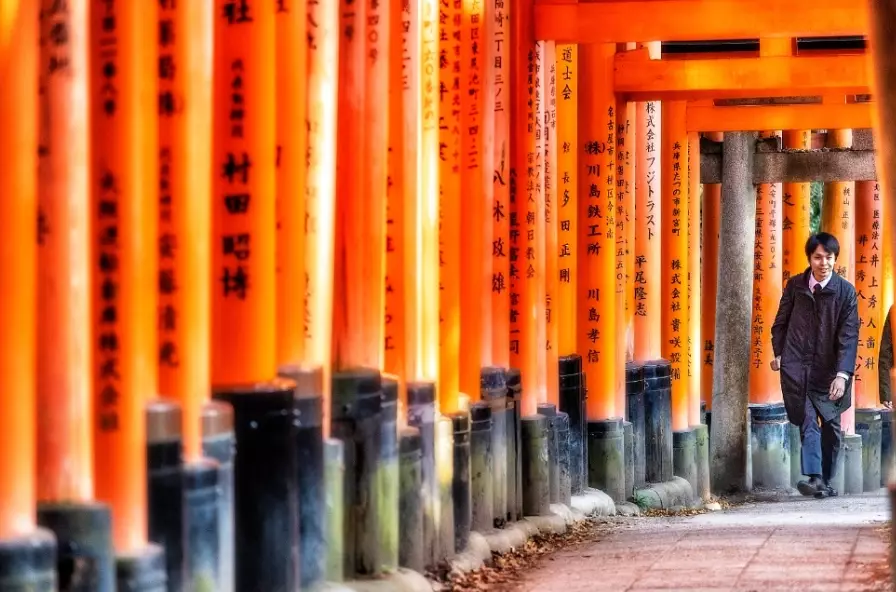
Sample 7-Day Japan Itinerary for First-Timers
- Day 1-3: Tokyo – Hit Shinjuku for skyscrapers, Shibuya for shopping, and Asakusa for temples. Don't miss the Tsukiji Outer Market for breakfast sushi (opens 5 AM, free entry).
- Day 4-5: Kyoto – Take the Shinkansen (bullet train). Visit Fushimi Inari Shrine early to avoid crowds (open 24/7, free). Kinkaku-ji (Golden Pavilion) costs 400 yen, worth it for the photo op.
- Day 6-7: Osaka – Focus on food at Dotonbori. Try takoyaki from street stalls (around 500 yen). Universal Studios Japan is fun but crowded; tickets start at 8,400 yen.
Use Google Maps to plot locations. I once overplanned and ended up exhausted—leave buffer days. Book flights 3-4 months early for deals. Accommodation? More on that later.
Navigating Japan's Transportation System on Your Own
Japan's trains are legendary, but they can overwhelm newcomers. Here's the secret: the Japan Rail Pass isn't always worth it. If you're only doing Tokyo-Kyoto-Osaka, calculate costs separately. A one-way Shinkansen ticket from Tokyo to Kyoto is about 13,000 yen; a 7-day JR Pass costs 29,650 yen. For short trips, pay as you go.
Common mistake: Tour groups push the JR Pass hard. But if you're staying in cities, local passes like Tokyo's 24-hour subway ticket (800 yen) are cheaper.
Get a Suica or Pasmo card—rechargeable IC cards for trains and buses. They work nationwide. I lost mine once, and the station staff helped me recover it with minimal Japanese. Apps like Japan Travel by Navitime are lifesavers for real-time schedules.
Finding Accommodation: From Ryokans to Hostels
Japan offers everything from capsule hotels to luxury ryokans. For solo travelers, hostels are gold. They're social, affordable, and often centrally located.
| Type | Average Price (per night) | Best For | Example in Tokyo |
|---|---|---|---|
| Hostel | 2,500 - 4,000 yen | Budget travelers, socializing | Khaosan Tokyo Kabuki (Asakusa) |
| Business Hotel | 6,000 - 10,000 yen | Convenience, privacy | APA Hotel Shinjuku |
| Ryokan | 15,000 - 30,000 yen | Cultural experience | Ryokan Sawanoya (Ueno) |
| Capsule Hotel | 3,000 - 5,000 yen | Short stays, novelty | Nine Hours Shinjuku |
Book through sites like Booking.com or Agoda. Ryokans often require advance reservations and include meals. I stayed at a ryokan in Hakone once—the kaiseki dinner was incredible, but the shared bath took getting used to.
Must-Visit Attractions and Hidden Gems
Skip the tour groups at major sites by going off-peak. Here are some specifics.
Tokyo Highlights
- Senso-ji Temple (Asakusa): Free entry, open 6 AM to 5 PM. Arrive before 8 AM to avoid crowds. Nearby Nakamise Street sells souvenirs—bargain gently.
- Tokyo Skytree: Tickets from 2,100 yen. Book online to skip lines. The view is stunning, but on cloudy days, save your money.
Kyoto's Cultural Gems
- Arashiyama Bamboo Grove: Free, always open. Go at sunrise for photos without people. The nearby Tenryu-ji Temple costs 500 yen, worth it for the garden.
- Kiyomizu-dera Temple: 400 yen, open 6 AM to 6 PM. The wooden stage offers panoramic views. Wear comfortable shoes—the approach is steep.
For hidden spots, try Kanazawa's Kenrokuen Garden (310 yen, less crowded than Kyoto) or Naoshima Island for art installations.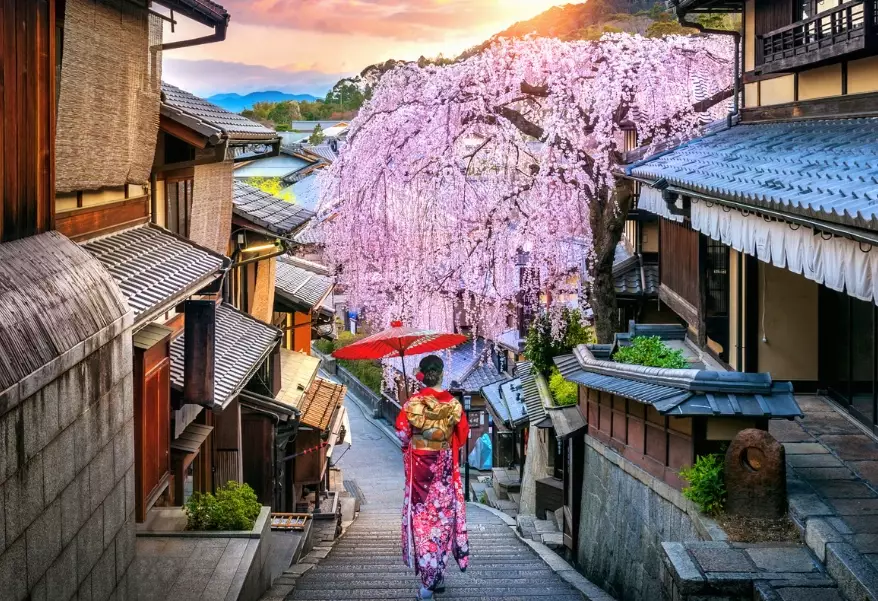
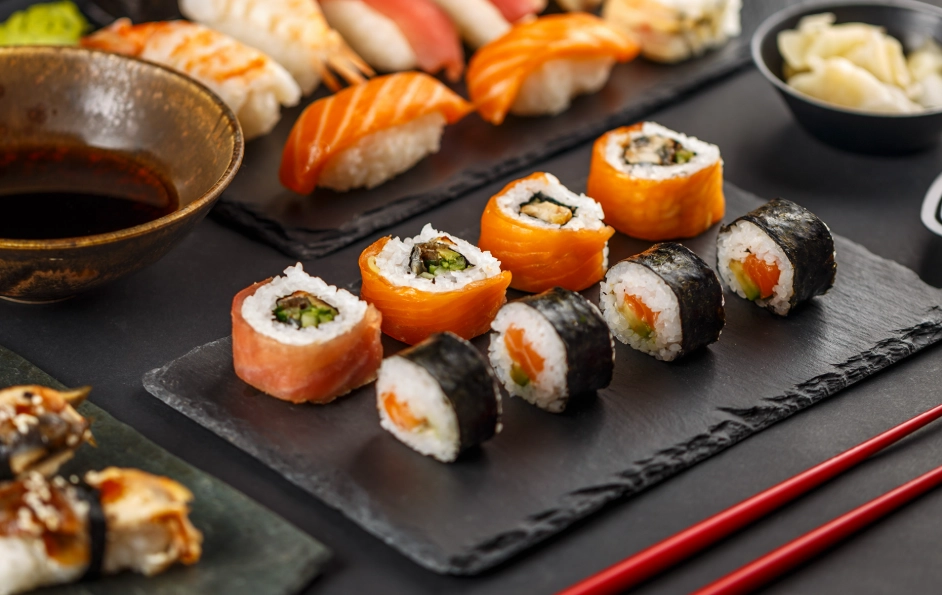
Dining Solo: Exploring Japanese Cuisine
Eating alone in Japan is normal. Many restaurants have counter seating. Don't be shy—just say "hitori" (one person).
Here's a quick list of must-try foods:
- Ramen: Ichiran in Shinjuku (24/7, around 1,000 yen). Order via vending machine—no human interaction needed.
- Sushi: Sushi Zanmai in Tsukiji (opens 11 AM, budget 2,000 yen). Fresh and affordable.
- Okonomiyaki: Mizuno in Osaka (Dotonbori, 1,500 yen). Cook it yourself on the table grill.
Conveyor belt sushi (kaitenzushi) is perfect for solo diners. I frequented Genki Sushi in Shibuya—order via tablet, dishes start at 100 yen.
Managing Your Budget: Costs and Savings Tips
Japan isn't as expensive as you think if you plan smart. A daily budget of 8,000-12,000 yen is realistic for mid-range travel.
Breakdown: Accommodation 4,000 yen, food 3,000 yen, transport 2,000 yen, attractions 1,000 yen. Use convenience stores (7-Eleven) for cheap meals—their onigiri (rice balls) are delicious at 120 yen each.
Save on transport with regional passes like the Kansai Thru Pass for Osaka-Kyoto-Nara. Avoid taxis; they're pricey. For attractions, many temples offer free entry or discounted combo tickets.
Language and Culture: Navigating Like a Local
You don't need fluent Japanese. Learn a few phrases: "sumimasen" (excuse me), "arigatou gozaimasu" (thank you). Most signs have English, and younger people often speak basic English.
Cultural nuances matter. Bow slightly when greeting. Don't tip—it's considered rude. In temples, remove shoes and avoid loud talk. I once saw a tourist yelled at for taking photos in a sacred area—respect goes a long way.
Use translation apps like Google Translate. The camera feature can read menus. Cash is still king in rural areas; withdraw yen from 7-Eleven ATMs (they accept foreign cards).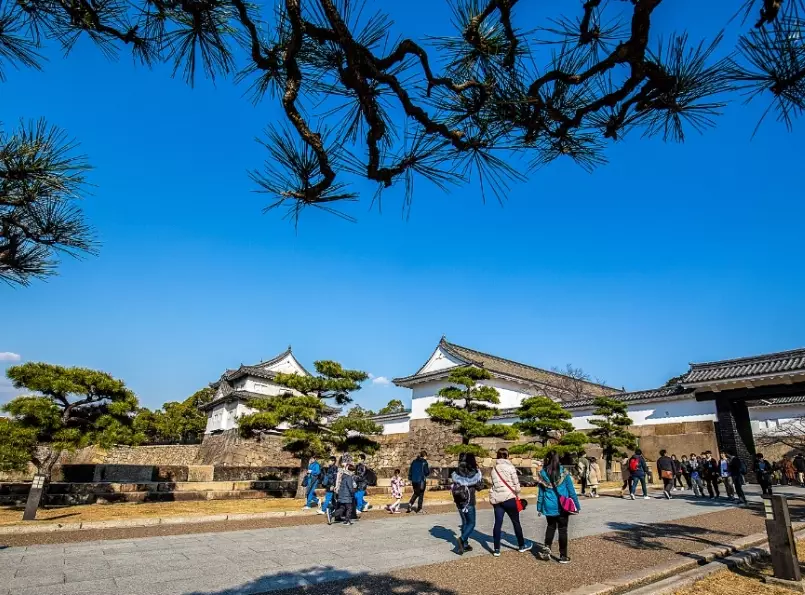
FAQ: Common Concerns About Solo Travel in Japan
Traveling Japan without a tour is an adventure that rewards the prepared. Start planning, stay flexible, and enjoy the journey. If I can navigate the bustling streets of Tokyo with just a map and curiosity, you can too. Safe travels!

Share Your Thoughts