Inside This Guide
Let's be honest, when most people hear "Japanese cuisine," they immediately think of sushi. And don't get me wrong, I love a good piece of fatty tuna nigiri as much as the next person. But to stop there is to miss the entire point. It's like saying Italian food is just pizza. There's so much more depth, history, and frankly, genius in the way the Japanese approach food. I remember my first real encounter with it wasn't in a fancy restaurant, but in a cramped, steamy izakaya in Osaka. The dishes kept coming—grilled skewers, a simple plate of marinated bamboo shoots, a simmering pot of something unidentifiable but delicious—and it clicked. This wasn't just a meal; it was a conversation with the season, the ingredients, and the cook.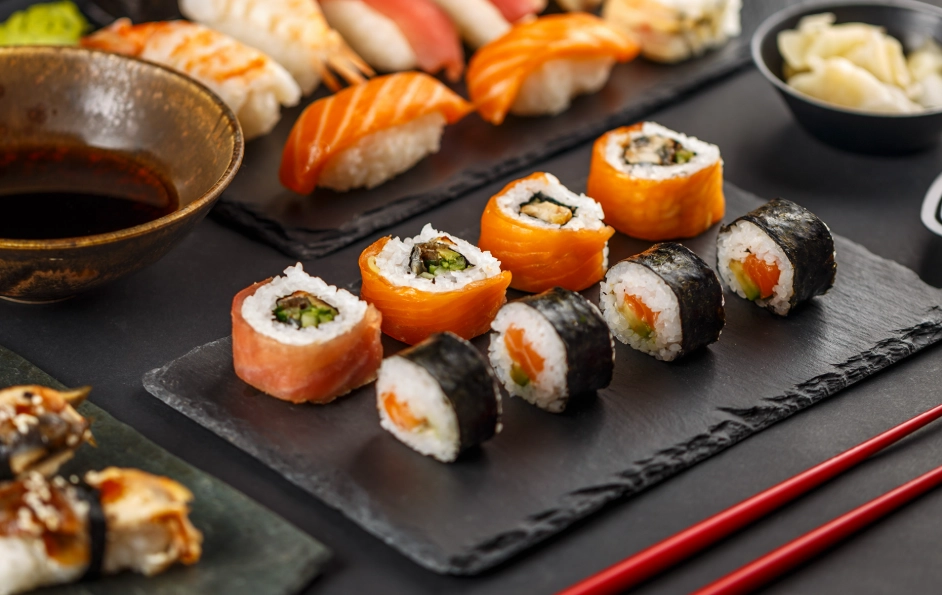
What we often call Japanese food is really a collection of regional specialties, seasonal celebrations, and cooking philosophies that have been refined over centuries. It's food that looks simple but demands incredible skill. It's food that can be both deeply comforting (a steaming bowl of ramen on a cold day) and exquisitely refined (a multi-course kaiseki dinner). And more than anything, it's food that feels good to eat. You rarely leave a proper Japanese meal feeling heavy or sluggish. There's a lightness, a balance to it that's hard to find elsewhere.
The Five Core Philosophies That Make Japanese Food Unique
If you want to understand authentic Japanese cooking, you need to start with the principles behind it. Chefs and home cooks don't just throw things together; they follow a kind of culinary code. These aren't rigid rules, but guiding stars that shape every decision in the kitchen.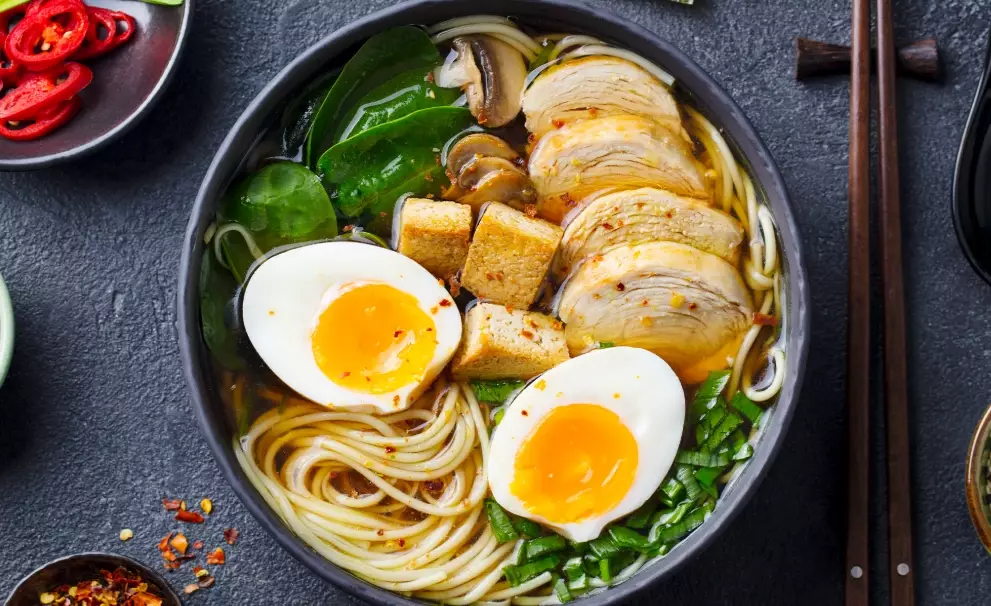
First up is respect for seasonality, or shun. This is huge. The Japanese culinary calendar is obsessed with what's at its absolute peak right now. A cherry blossom-viewing party calls for sakura-flavored sweets and pink-tinted rice. In autumn, you'll find matsutake mushrooms and persimmons everywhere. It forces you to appreciate the fleeting beauty of ingredients. I tried making a summer dish with winter vegetables once—it was fine, but it felt flat, like it was missing its soul. The flavor just wasn't there.
Then there's the famous rule of five colors (goshi): red, yellow, green, black, and white. A well-composed plate will naturally include these, making it visually stunning and nutritionally balanced. Think of a simple bento: white rice, green spinach, yellow tamagoyaki (omelette), red pickled ginger, and black nori seaweed. It's a feast for the eyes before you even take a bite.
The five tastes (gomi)—sweet, sour, salty, bitter, and umami—work in harmony. Umami, that savory "fifth taste," is the secret weapon. It comes from ingredients like katsuobushi (dried bonito flakes), kombu (kelp), miso, and soy sauce. It's what gives dashi broth its incredible depth without being heavy.
Five cooking methods (goho)—raw, grilled, steamed, boiled/simmered, and fried—ensure textural variety. A single meal might feature silky raw sashimi, crispy grilled fish skin, and tender simmered daikon. Finally, the five senses are engaged. The sizzle of the teppanyaki grill (sound), the elegant pottery (touch and sight), the aroma of miso soup (smell), and of course, the taste. It's a fully immersive experience.
| Core Philosophy (Japanese) | What It Means | Everyday Example |
|---|---|---|
| Shun (Seasonality) | Using ingredients at their absolute seasonal peak for flavor and meaning. | Eating unagi (eel) in summer for stamina, using maple leaves as decoration in autumn. |
| Goshi (Five Colors) | Balancing red, yellow, green, black, and white on the plate for visual appeal and nutrition. | A standard bento box or a plate of sashimi with garnishes. |
| Gomi (Five Tastes) | Harmonizing sweet, sour, salty, bitter, and umami in each meal. | The balance in a sauce for teriyaki or the dressing for a sunomono (vinegared) salad. |
| Goho (Five Methods) | Employing varied cooking techniques: raw, grill, steam, simmer, fry. | A kaiseki course featuring sashimi, grilled fish, steamed egg custard, simmered veg, and tempura. |
| Engaging the Senses | Creating a meal that pleases sight, smell, sound, touch, and taste. | The crackle of tempura batter, the visual art of plating, the aroma of green tea. |
See, it's a system. When you eat a meal designed with these principles, you're not just filling your stomach. You're participating in a centuries-old tradition of mindfulness. It's the opposite of mindless scrolling while you shove a sandwich in your mouth.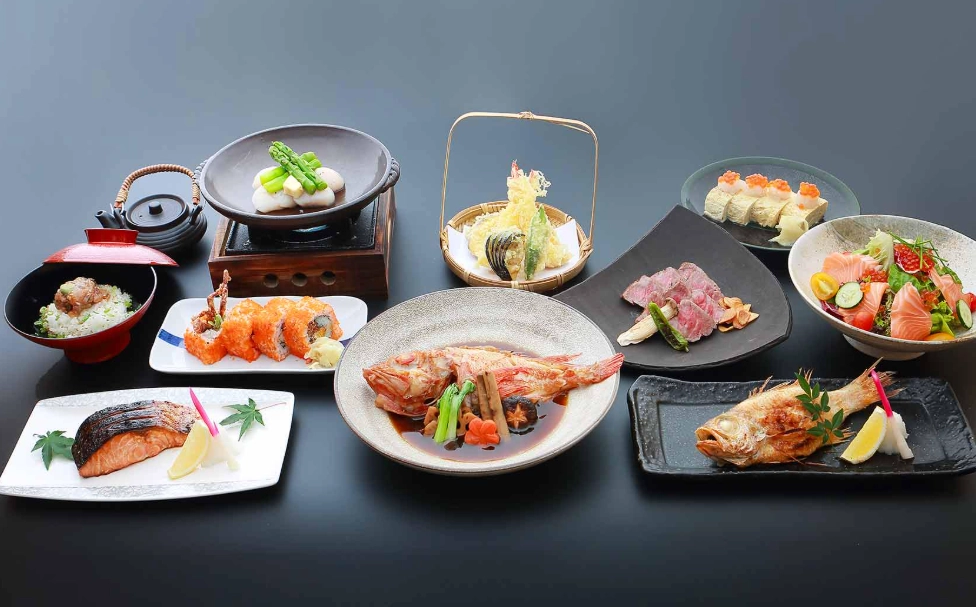
Beyond the Hype: The Real Health Benefits of a Japanese Diet
Okay, so Japanese food is pretty and philosophical. But is it actually good for you? The data suggests a resounding yes. Look at Japan's life expectancy rates—consistently among the highest in the world. While genetics and lifestyle play a role, diet is a massive factor. The traditional Japanese diet, as outlined by the Japanese government's Ministry of Health, Labour and Welfare in their dietary guidelines, is a big part of the story.
Let's break it down. The foundation is rice and vegetables, with fish and seafood as the primary protein sources. Red meat, dairy, and saturated fats play a much smaller role than in Western diets. This alone shifts the nutritional profile dramatically. You're getting loads of omega-3 fatty acids from the fish, a ton of fiber and phytochemicals from the vegetables (including sea vegetables like nori and wakame), and complex carbs from the rice.
The Power of Fermentation
This is where Japanese cuisine really shines for gut health. Foods like miso (fermented soybean paste), natto (fermented soybeans, an acquired taste I'm still working on!), and tsukemono (pickles) are probiotic powerhouses. They introduce beneficial bacteria to your digestive system. A daily bowl of miso soup isn't just tradition; it's a dose of gut-friendly culture. The Japanese have been into gut health for centuries before it became a wellness buzzword.
Portion control is built-in. Meals are served on multiple small plates and bowls, encouraging variety but limiting the quantity of any single item. You eat with your eyes first, and the visual satisfaction helps signal fullness. Compare that to the giant, single-plate portions common elsewhere. It's a psychological trick that works wonders.
Now, a reality check. Modern Japan has its share of dietary issues, with rising rates of Western-style diseases linked to increased consumption of processed foods and meat. The traditional model, however, the one centered on washoku principles, remains a gold standard for balanced eating. It's not a restrictive "diet"; it's a sustainable pattern of eating that celebrates food rather than fearing it.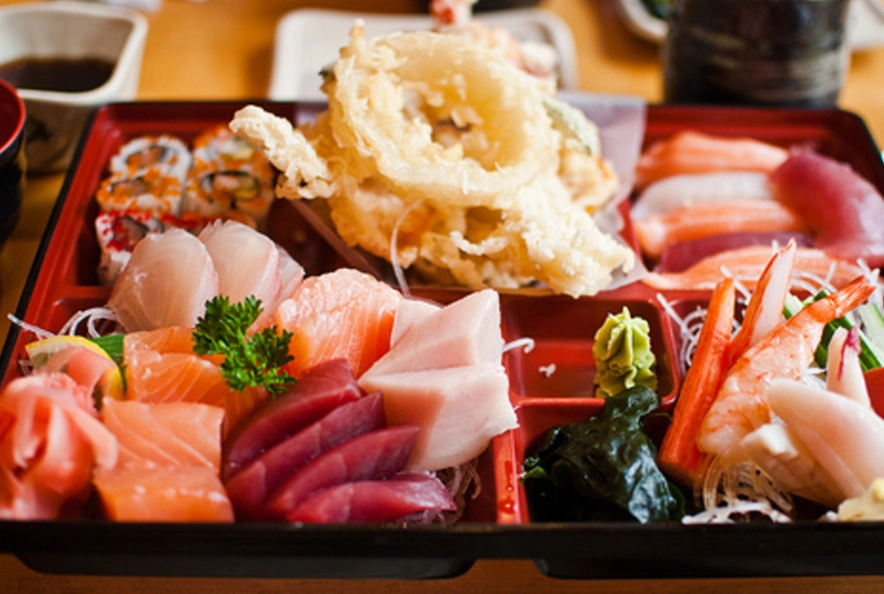
Your Kitchen, Your Dojo: A Practical Guide to Cooking Japanese Food at Home
Feeling inspired? Good. You don't need to fly to Tokyo to eat well. Bringing Japanese cuisine into your home kitchen is totally doable, but it requires a slight mindset shift and a few key investments. Don't try to make sushi on day one. Start simple.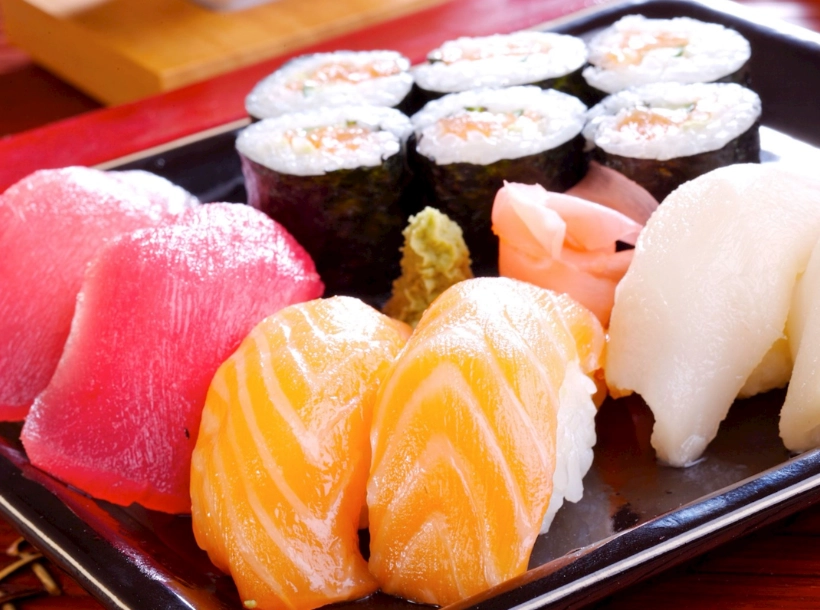
First, build your pantry. You don't need everything, but these staples will open countless doors:
The Non-Negotiable Pantry Staples
- Soy Sauce (Shoyu): Get a good quality one, brewed naturally. There's light (usukuchi) for color and dark (koikuchi) for general use.
- Mirin: A sweet rice wine for cooking. It's not the same as rice vinegar! It adds a subtle sweetness and gloss to sauces.
- Sake: Cooking sake (ryorishu) is fine. It tenderizes and removes unwanted odors from fish and meat.
- Rice Vinegar: Mild and slightly sweet. Essential for sushi rice and salad dressings.
- Miso Paste: Start with a mild white miso (shiro miso) for soups and marinades. It's incredibly versatile.
- Dashi: The soul of Japanese cooking. You can buy instant granules (I do, no shame!), but making it from kombu and katsuobushi is a revelation. It's the base for miso soup, noodle broths, and simmering liquids.
- Short-Grain Rice (Japonica): Don't use long-grain. It needs to be sticky. A rice cooker is a game-changer here.
With just these items, you can make miso soup, teriyaki sauce, marinades for fish, and dressings for salads. That's a solid week of dinners right there.
Master the Basic Techniques, Not Just Recipes
Instead of memorizing a hundred recipes, focus on a few core methods.
Simmering (Nimono): This is a gentle, flavor-infusing cook. You bring a dashi-based liquid with soy sauce, mirin, and sake to a simmer, add ingredients (like daikon, carrots, chicken), and cook with a drop-lid (otoshibuta or a circle of parchment) to ensure even flavor penetration. The results are tender, savory, and comforting.
Grilling (Yakimono): Not just throwing something on a BBQ. For fish like sanma (Pacific saury) or yakitori skewers, the goal is crisp skin, juicy interior, and a glaze brushed on at the very end. Control your heat.
Frying (Agemono - Tempura): The secret to light, crispy tempura is a cold, lumpy batter (don't overmix!), fresh oil at the right temperature (around 340-360°F / 170-180°C), and drying your ingredients thoroughly. It's a technique that takes practice. My first batch was soggy and oily—a learning experience.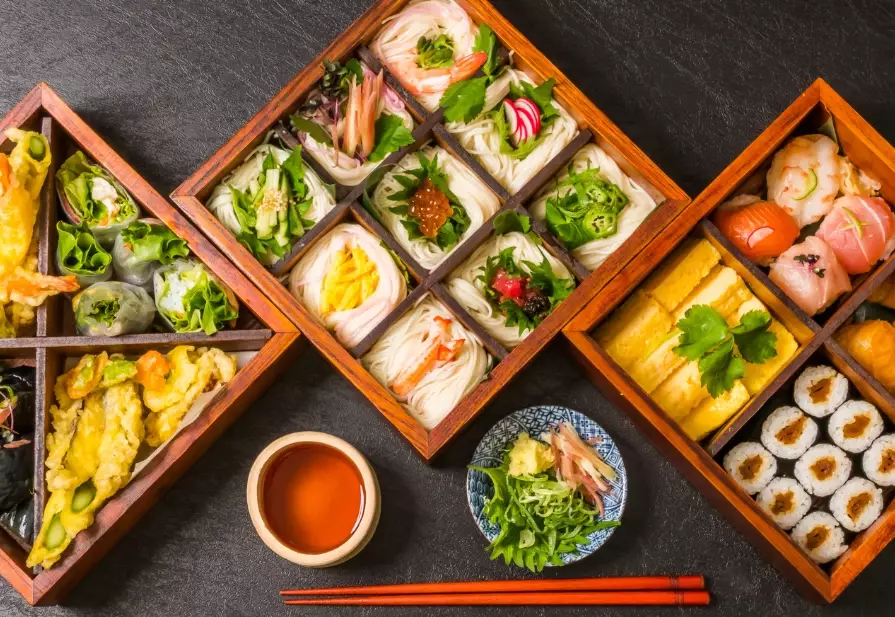
Answering Your Burning Questions About Japanese Cuisine
The Final Bite: Why Japanese Cuisine Endures
Japanese food isn't a trend. It's not going anywhere. Its strength lies in its adaptability and its core integrity. It respects ingredients too much to waste them (nose-to-tail, root-to-leaf eating is a natural part of it). It's designed for health and longevity without feeling like a punishment. It's as much about the visual and textural poetry on the plate as it is about flavor.
You can spend a lifetime exploring its regional variations—the bold flavors of Hokkaido, the refined kaiseki of Kyoto, the street food culture of Osaka. There's always something new to learn, a new technique to try, a new seasonal ingredient to celebrate.
So, the next time you think of Japanese cuisine, think beyond the sushi boat.
Think of a steaming, comforting bowl of ramen that warms you from the inside out. Think of the perfect crispness of tempura against a dipping sauce. Think of the quiet satisfaction of a well-composed home-cooked meal that looks beautiful and makes you feel good. That's the real magic. It's a cuisine that feeds more than just your hunger; it feeds your senses and, in its own way, your mindfulness. And honestly, isn't that what we all want from our food these days?
Start simple. Make a pot of proper dashi. Simmer some vegetables in it. Taste the difference. You might just find yourself on a very delicious journey.





Share Your Thoughts