So you've booked a private onsen in Japan. Maybe it's a secluded outdoor rotemburo attached to your ryokan room, or a rented family bath at a public hot spring facility. You're excited, but then the question hits you: wait, do you wear clothes in a private onsen?
It's one of the most common points of confusion for travelers. The word "private" seems to imply you can make your own rules. I thought the same on my first trip years ago. I figured, it's just me and my partner, we can wear swimsuits, right? We learned quickly that wasn't the case, and the host's polite but firm explanation opened my eyes to the deeper meaning of onsen culture.
The short, direct answer is no, you typically do not wear clothes in a private onsen. The standard etiquette of bathing nude applies almost universally, regardless of privacy. But the "why" behind this rule is what truly matters, and understanding it transforms the experience from a simple soak into a respectful cultural immersion.
Quick Navigation
The Golden Rule of Onsen (Even Private Ones)
Let's clear this up immediately. The fundamental principle of Japanese onsen etiquette is hygiene and purity. The hot spring water is considered a shared resource, even if your sharing is limited to your own group for a reserved time slot. Introducing foreign materials—like detergent residue, fabric dyes, or lint from swimsuits or underwear—is seen as polluting the water.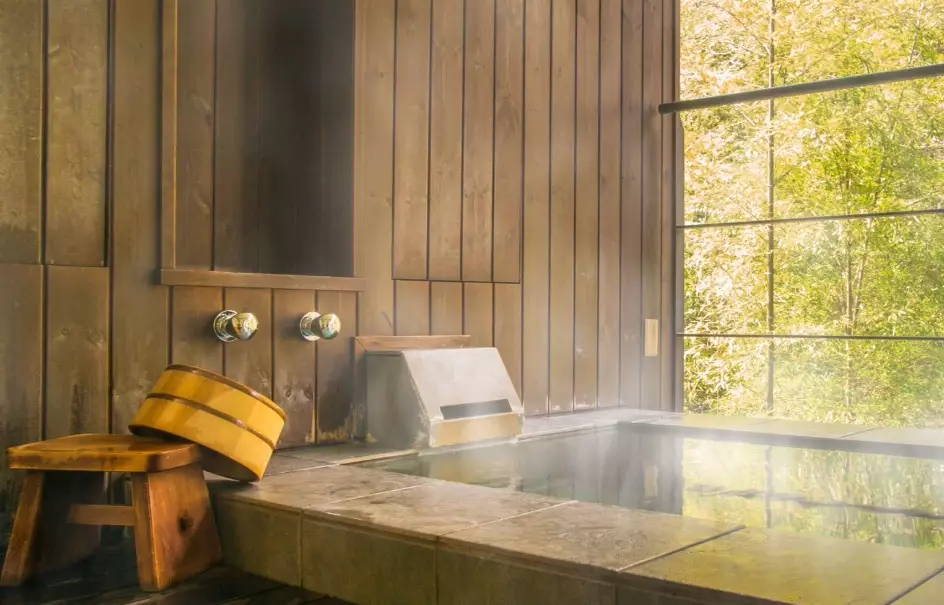
The Japan Tourism Agency and organizations like the Japan Onsen Association consistently emphasize this. The water's natural mineral composition and cleanliness are paramount.
Think of it this way: a private onsen room is like renting a private dining room in a high-end restaurant. You have privacy, but you still use the restaurant's plates and cutlery by their rules. You wouldn't bring your own plastic fork because you're in a private room. Similarly, the onsen bath itself has a protocol.
The Core Principle: The bath (ofuro or onsen) is for soaking only. All cleaning, soaping, and shampooing happens before you enter, at the dedicated shower station. Your body must be thoroughly rinsed clean before you so much as dip a toe in the communal (or in this case, temporarily personal) hot water.
Why Nudity is Still Recommended in Private Onsen?
Beyond hygiene, there are practical and philosophical reasons.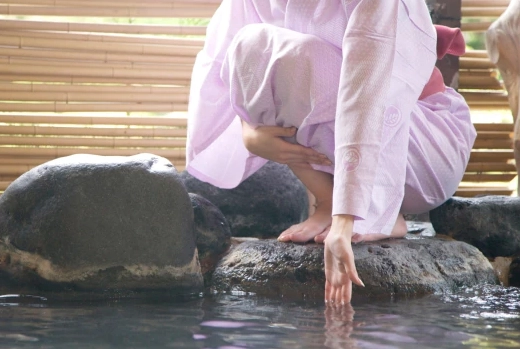
1. It's About the Water, Not You
This is the mindset shift. In many Western spas, the focus can be on leisure, maybe socializing. In a traditional onsen, the focus is almost meditative—on the therapeutic properties of the water and the sensation on your skin. Clothing creates a barrier. The minerals are meant to interact directly with your skin. Wearing a swimsuit can also trap soap residue against your skin, which then washes off into the water, defeating the purpose of the pre-wash.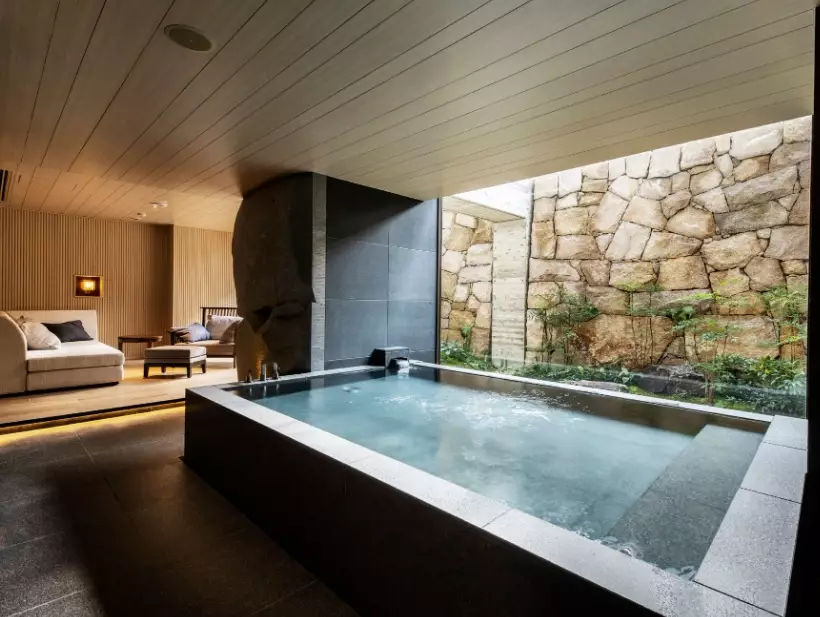
2. The Towel is Your Modesty Tool
You're not just thrown into the room naked. You'll have a small towel (tenugui or a small bath towel). This towel is multipurpose: you use it to wash yourself, and you can use it for modesty when moving between the shower and the bath. The typical practice is to place it on your head while soaking, or leave it folded on the side. It should never be dipped or swished around in the onsen water. This is a subtle but crucial rule many miss.
3. "Private" Often Means "Not Seen by Strangers"
Most "private" onsens you book at a public facility (kashikiri buro) are simply locked rooms for a set period. They are cleaned and used by hundreds of different people weekly. The rules are in place to maintain standards for everyone. Even a private open-air bath attached to a luxury hotel suite follows the same sanitation logic for long-term maintenance.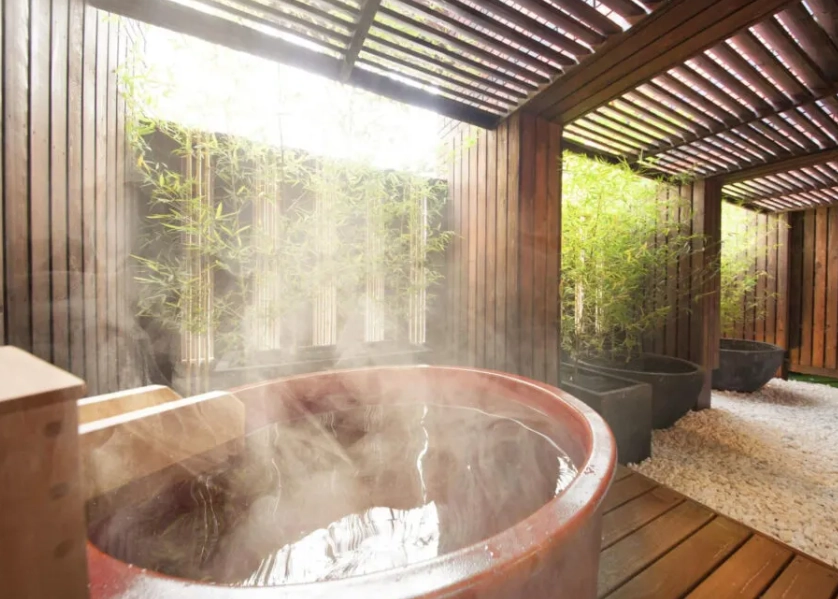
A Common Misstep: I've seen friends assume that because they rented a family bath, they could let their kids wear floaties or swim diapers. This is a major faux pas. If a child is not potty-trained, they generally should not enter an onsen. The risk of contamination is too high. Always check the facility's policy on children.
How to Properly Enjoy a Private Onsen: A Step-by-Step Guide
Let's walk through it so you know exactly what to do. Assume you've booked a 50-minute slot for a family bath at a place like Dogo Onsen in Matsuyama or a similar establishment.
Step 1: Preparation. Change into the provided yukata (light robe) or your own casual clothes in the main changing room. Bring only your small towel into the private bath area. Leave your big towel, toiletries (soap and shampoo are provided), and clothes in the locker or basket.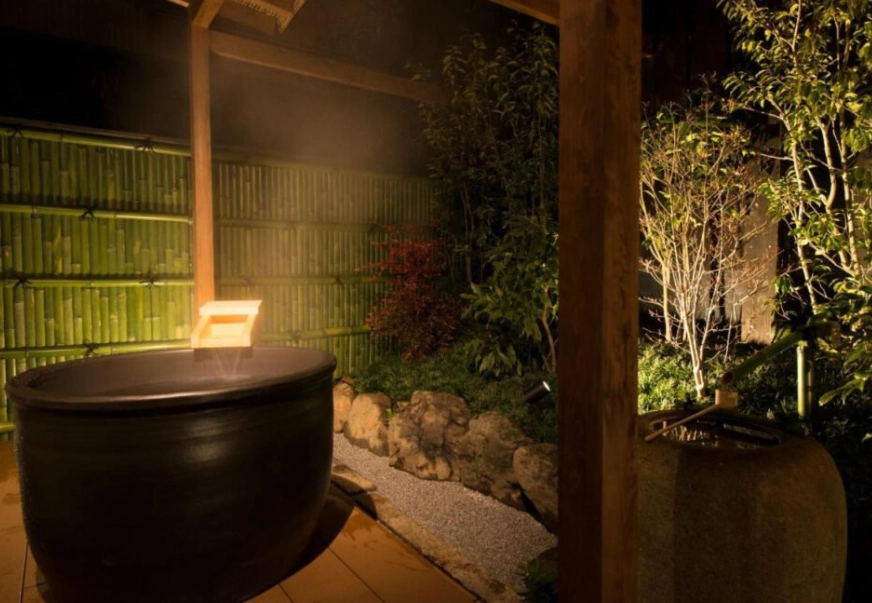
Step 2: Enter the Private Room. You'll have a shower area with a stool and bucket, and the onsen bath itself. Before you even think about the bath, go to the shower.
Step 3: The Mandatory Pre-Wash. Sit on the stool. Use the shower or bucket to thoroughly wet your body. Apply soap and lather up every part of yourself. Rinse off all the suds. Rinse the stool and area down too. Your body should be completely clean. This is non-negotiable.
Step 4: Entering the Onsen. Now you can approach the bath. You can hold your small towel in front of you for modesty if you wish. Gently enter the water. Avoid splashing. Place your folded small towel on the edge of the bath or on your head. Relax. Soak for 10-15 minutes at a time, taking breaks.
Step 5: Exiting and Post-Soak. When done, get out and do not rinse off with fresh water. Pat yourself dry gently with your big towel back in the changing area. Let the minerals stay on your skin. Rehydrate with water or milk—a classic post-onsen ritual.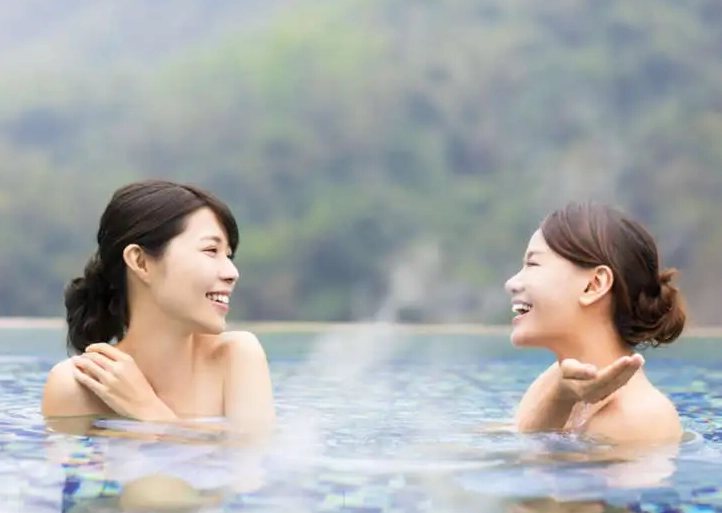
Exceptions and Common Scenarios Clarified
Is it ever okay? Context matters.
Modern Hotel "Spa" or "Onsen" Facilities: Some high-end hotels, particularly those catering heavily to international guests, may have large indoor/outdoor baths where swimsuits are required or allowed. These are often explicitly marketed as "spa baths" or "hot spring pools." They function more like a resort pool with onsen water. The signage will be clear. If it says "Swimwear Required," follow that. When in doubt, ask at the front desk: "Yofuku wa mochiron desu ka?" (Can I wear swimwear?).
Mixed-Gender Public Onsen (Konyoku): In some rare, traditional mixed-gender public onsens, women may be required to wear a special covering (like a wrap or a thin yukata) in the water. This is an exception to the nude rule for public baths, not the norm.
The "Towel Wrap" Compromise: In your private room, if you are intensely uncomfortable with full nudity even with just your family/partner, using the small towel to wrap around your torso or waist as you sit in the water is a common and accepted compromise. It's less intrusive than a full swimsuit. But remember, that towel must be clean from your pre-wash.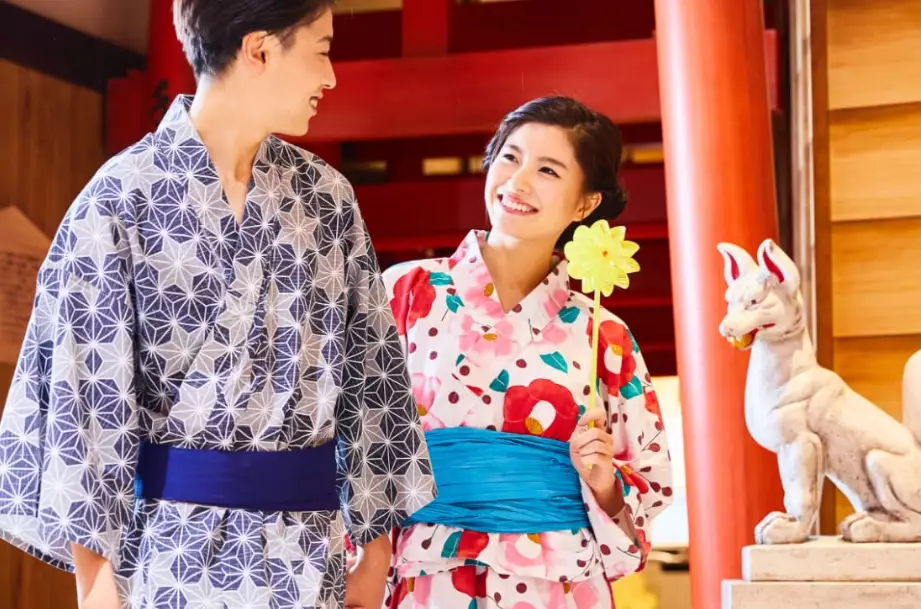
Your Private Onsen Questions, Answered
Ultimately, navigating private onsen etiquette comes down to respect—for the culture, the facility, and the other guests who will use the space after you. Embracing the custom of bathing nude, after the proper cleansing ritual, is the key to unlocking the authentic, deeply relaxing essence of the Japanese onsen experience. It feels awkward at first for almost everyone. But once you sink into that mineral-rich water, the initial self-consciousness melts away, leaving only the heat, the steam, and a profound sense of calm. That's the moment you understand why the rules exist.
Book that private onsen with confidence now. You know what to do.



Share Your Thoughts