You see it in photos. The skeletal frame of the Atomic Bomb Dome against a clear sky. You know the history, or at least the outline of it. But standing in Hiroshima Peace Memorial Park is a different thing entirely. It’s not just a collection of monuments; it’s a 120,000-square-meter conversation between unimaginable loss and stubborn hope. As a space, it demands more from you than a quick snapshot. It asks for your attention, your reflection, and in its own quiet way, your commitment.
I’ve been multiple times, in different seasons and moods. Each visit peels back another layer. The first time, it was the sheer scale of the silence amid the city bustle. Later, it was noticing the small details—the worn stone of a statue touched by thousands, the specific flowers left at a memorial. This guide isn’t just a list of what to see. It’s an attempt to help you navigate the physical and emotional landscape of the park, to move from observer to participant in its ongoing story of peace.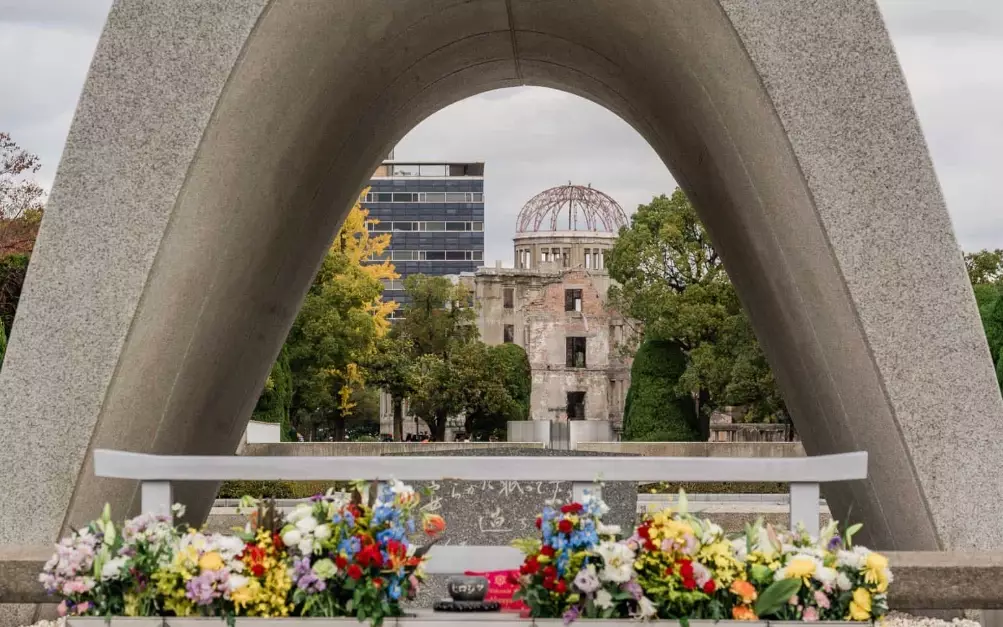
What You'll Find in This Guide
The Heart of the Park: Key Monuments Explained
Walking from the south entrance towards the Dome, you follow a narrative path. The monuments aren’t randomly placed. They guide you from mourning, to memory, to a pledge for the future. Don’t just walk past them. Stop. Read the inscriptions (most have English). Here’s what you’re looking at.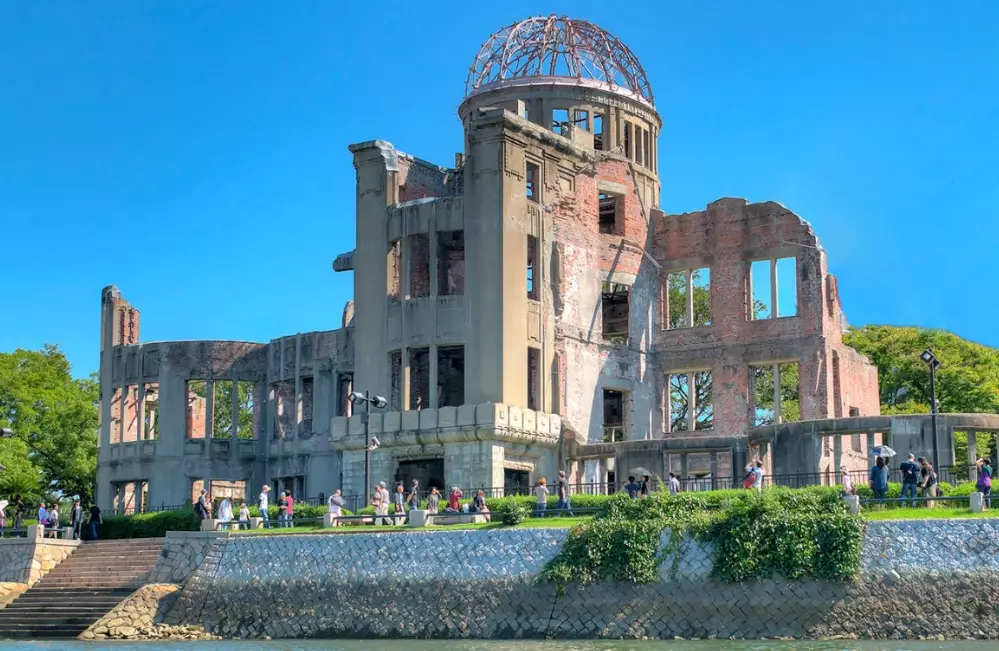
A Quick Orientation
The park is a long, narrow strip of land between two rivers—the Motoyasu and the Honkawa. The Atomic Bomb Dome is at the north end. The Peace Memorial Museum is at the south end. Most visitors walk the central path connecting them, which takes you past the major memorials.
The Atomic Bomb Dome (Genbaku Dome)
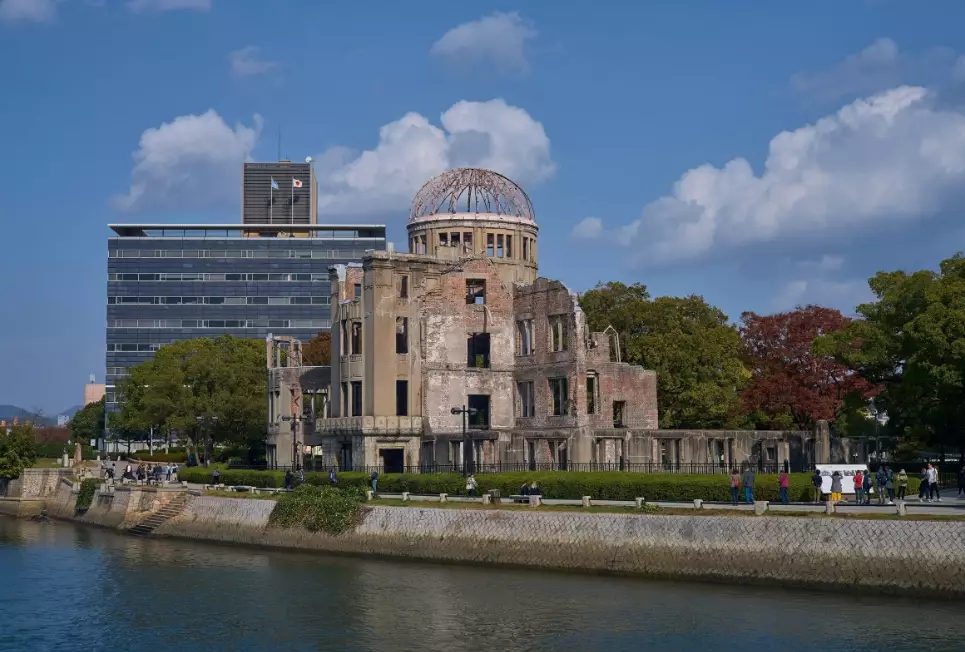
This is the icon. The ruined shell of the former Hiroshima Prefectural Industrial Promotion Hall, preserved almost exactly as it was after the blast. It’s a UNESCO World Heritage Site, but labels don’t capture its presence. Up close, you see the twisted metal, the bricks blown outward. The river flows peacefully behind it. The contrast is jarring.
I once saw a Japanese school group here. Their teacher didn’t just talk about 1945. She pointed to the new buildings surrounding the park and said, “This is what we built after.” That’s the Dome’s dual message: a record of destruction and a backdrop for rebirth.
The Cenotaph for the A-Bomb Victims & The Flame of Peace
An arched tomb holding the names of all known victims. The inscription reads, “Let all the souls here rest in peace, for we shall not repeat the evil.” Look through the arch—it perfectly frames the Flame of Peace and the Dome behind it. The flame has burned since 1964 and will only be extinguished when the last nuclear weapon on Earth is destroyed. It’s a powerful visual line connecting remembrance (Cenotaph), ongoing commitment (Flame), and historical witness (Dome).
Hiroshima Peace Memorial Museum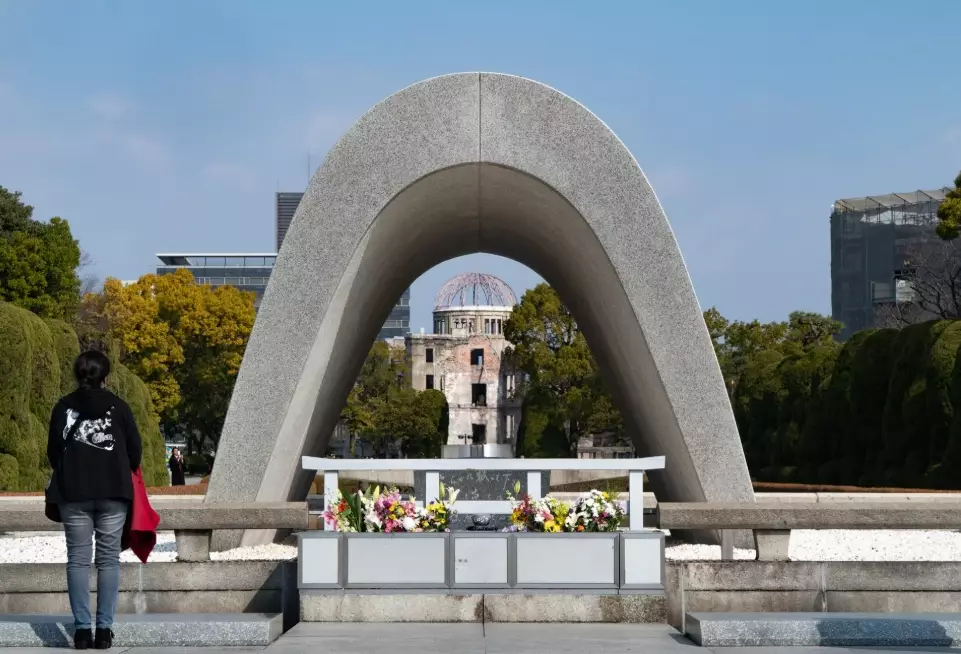
This is the hardest part, and the most essential. The museum is not celebratory. It’s forensic, personal, and devastating. The East Wing explains Hiroshima before the bomb, the development of nuclear weapons, and the aftermath. The West Wing is where the human scale hits you. A burnt lunchbox. A torn school uniform. Photographs that are difficult to look at.
Go slow. It’s okay to feel overwhelmed. The museum’s power isn’t in assigning blame to modern visitors, but in making the abstract horror painfully specific. It answers the “what was it like?” question in a way no book can.
Three Monuments Visitors Often Miss (But Shouldn't)
Everyone sees the big ones. But the park’s depth is in its smaller memorials, often built by specific survivor groups.
| Monument | Location | Significance |
|---|---|---|
| Children's Peace Monument | Central park, near museum | Inspired by Sadako Sasaki, a girl who developed leukemia and folded paper cranes. Surrounded by millions of donated cranes from around the world. It speaks directly to the impact on the young. |
| Memorial Mound | West of the Cenotaph | A large, grassy mound containing the ashes of roughly 70,000 unidentified victims. It’s a silent, somber reminder of the sheer number of lives lost. |
| Atomic Bomb Memorial Mound (Honkawa Elementary School) | Just outside the park's west edge | This one is a 2-minute walk across a bridge. It marks where a school stood; over 400 students and teachers died. It’s quieter, more intimate, and shows how the bomb’s footprint extended beyond the park's current borders. |
Planning Your Visit: Hours, Tickets & Getting There
Let’s get practical. A smooth visit helps you focus on the experience, not the logistics.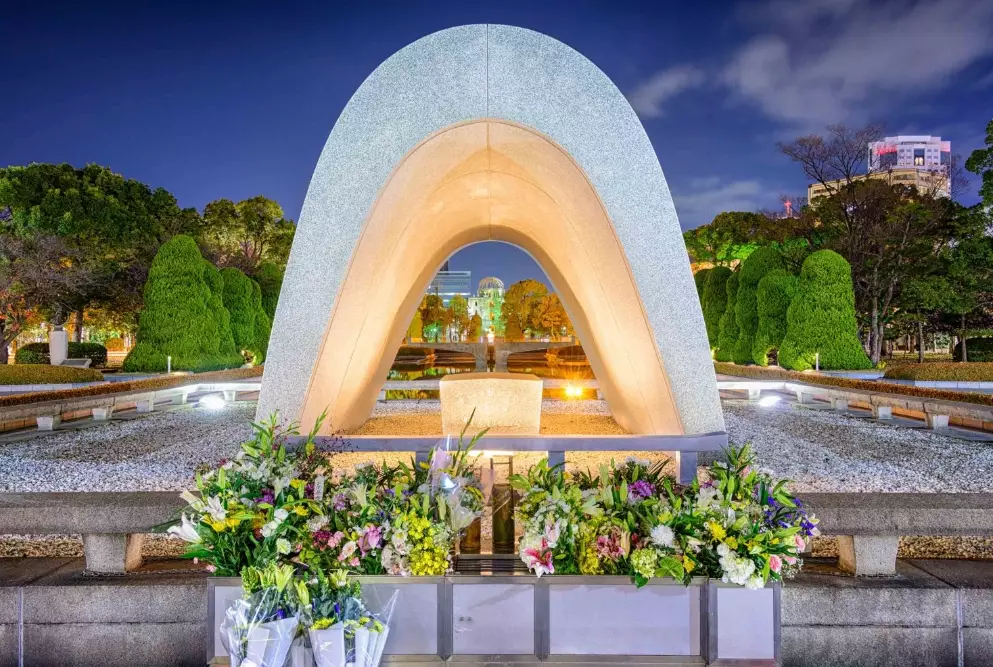
- Address: 1-2 Nakajimacho, Naka Ward, Hiroshima, 730-0811. The park doesn’t have a single gate; it’s integrated into the city.
- Park Grounds: Open 24 hours. Illuminated at night, offering a different, solemn atmosphere.
- Peace Memorial Museum Hours: 8:30 AM to 6:00 PM (until 7:00 PM in Aug, 5:00 PM from Dec-Feb). Last entry 30 minutes before closing.
- Museum Admission: 200 yen (adults). 100 yen (high school students). Free for junior high and younger. An absolute bargain for the value.
How to Get There: The Tram is Your Best Friend
From Hiroshima Station, ignore the buses unless you have mobility issues. Take the Hiroden tram (the old-fashioned, green streetcars). Lines 2 or 6, headed for Miyajima-guchi. Get off at Genbaku Dome-mae. The ride is 15 minutes, costs 190 yen, and drops you right at the park’s doorstep. You can also walk from the downtown core (Kamiyacho area) in about 20 pleasant minutes along the river.
A common mistake is taking a taxi all the way from the station. It’s more expensive, and you miss the slow approach by tram, which lets the city context sink in.
How to Truly Understand This Place (Beyond the History Book)
Knowing dates is one thing. Feeling the weight of the park is another. Here’s what most travel guides don’t tell you.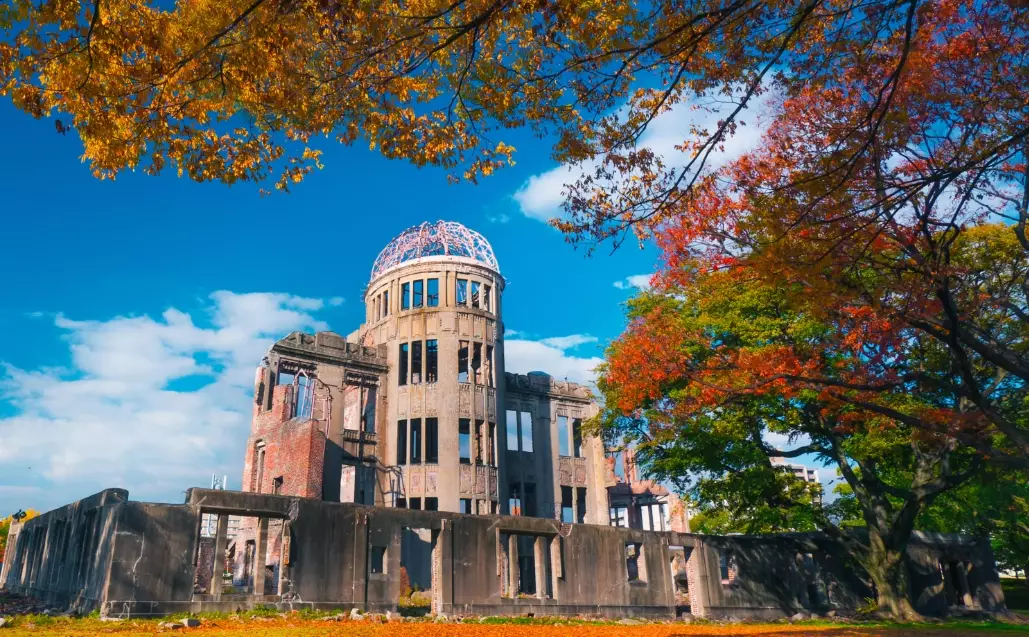
It’s a Living Memorial. On any given day, you’ll see Japanese students on field trips, international tourists, and hibakusha (atomic bomb survivors) sometimes sharing testimonies. On August 6th, the annual Peace Memorial Ceremony is held here. The park isn’t frozen in 1945; it’s an active workshop for peace education. Check the City of Hiroshima website for event schedules.
The Role of Nature. The park is lush with trees, notably the Weeping Willow near the Rest House. These are second-generation trees descended from ones that survived the blast. They symbolize resilience. The rivers, once filled with casualties, are now bustling with carp and pleasure boats. This reclamation of life is a central, non-verbal part of the park’s message.
Engage with the Paper Cranes. At the Children’s Peace Monument, you’ll see colorful strings of origami cranes. You can bring your own (fold a few beforehand) to add to the collection. It’s a small, tangible act that connects you to the ritual of remembrance. Nearby, the UNESCO-listed Atomic Bomb Dome isn’t just a ruin; it’s a structurally stabilized artifact. Engineers continuously work to preserve it against weathering—a fight against time to maintain a physical witness.
Beyond the Park Gates: Exploring Central Hiroshima
The park can be emotionally draining. Hiroshima’s modern city center, just a few blocks away, is the perfect counterbalance. It’s vibrant, delicious proof of life moving forward.
For Food: You must try Hiroshima-style okonomiyaki. It’s layered, not mixed, with more cabbage and noodles. Head to Okonomimura (“Okonomiyaki Village”), a multi-story building packed with small restaurants, or Nagarekawa for local spots. It’s a hearty, savory meal that feels like a communal celebration.
For a Quiet Moment: Shukkeien Garden, a 15-minute walk from the park, is a beautiful, classical Japanese garden. After the park’s open spaces, its winding paths and tea houses offer a serene place to quietly process your thoughts.
For a Different Perspective: Take the tram (the same line you came on) further to Hijiyama Park. It’s a hill with great views over the city. You see the Peace Park, the rebuilt downtown, and the mountains beyond—a panoramic view of Hiroshima’s past, present, and future geography.
Answers to Common Visitor Questions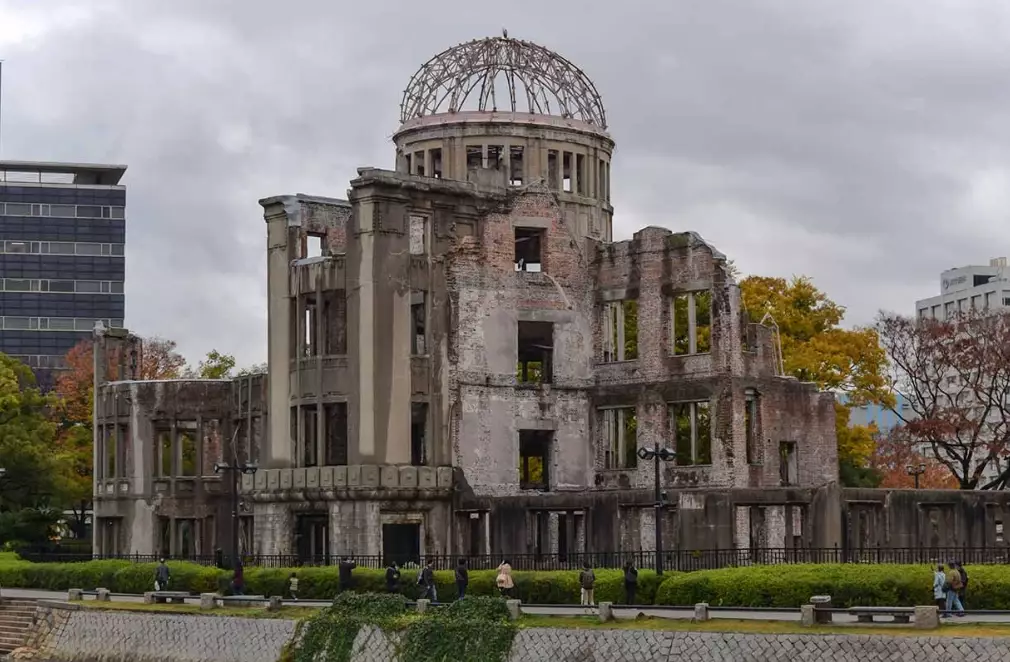
 The final impression of Hiroshima Peace Memorial Park often isn’t one of sheer sadness. It’s more complex—a blend of sorrow, awe at human resilience, and a sharpened sense of what’s precious. You don’t just leave having seen a historical site. You leave having felt the weight of a city’s memory and the quiet, determined pull of its hope. That’s why you go.
Share Your Thoughts