You see a boxed meal in Japan. Is it an ekiben or a bento? Most people use the terms interchangeably, but getting it wrong means missing out on a huge part of Japanese food culture. The difference isn't just about what's inside – it's about where you eat it, why it was made, and the story it tells.
I learned this the hard way years ago, asking for an "ekiben" at a department store basement (depachika) and getting a confused smile. That moment sent me down a rabbit hole. Let's clear this up.
What's Inside This Guide?
What Exactly is an Ekiben?
Say it with me: eh-kee-ben. The name gives it away. "Eki" means station, "ben" is short for bento. It's a station lunch box, but that's too simple.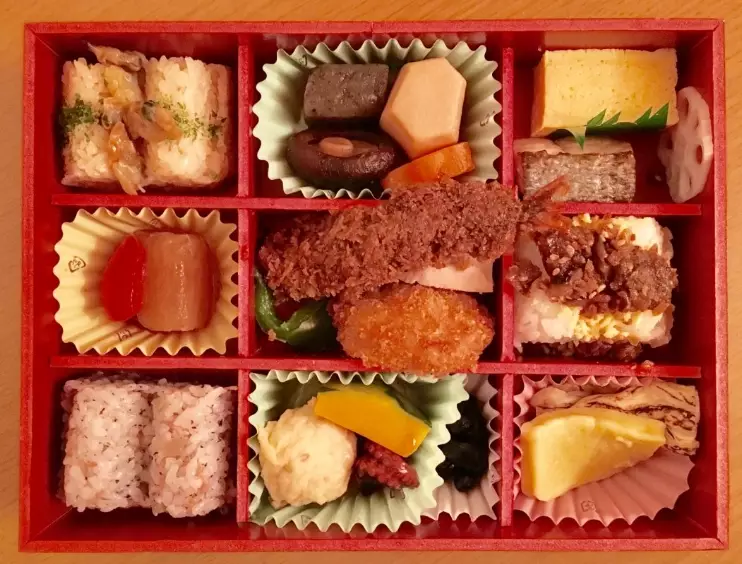
An ekiben is a travel experience you eat. Born in the late 1800s with Japan's railway expansion, its original purpose was to feed long-distance travelers on journeys that could last a full day. Local stations started selling boxes featuring regional specialties, turning a meal into a edible souvenir.
Think of the famous "Kobe Beef Rice" ekiben at Shin-Kobe Station, or the "Kaiseki-style" ekiben in Kyoto featuring delicate, multi-course-inspired portions. The price reflects this specialty, ranging from 1,000 to 2,500 yen or more for premium ones.
What Exactly is a Bento?
Bento is the umbrella term. It just means a portable, single-portion meal served in a box. Its soul is practicality and balance.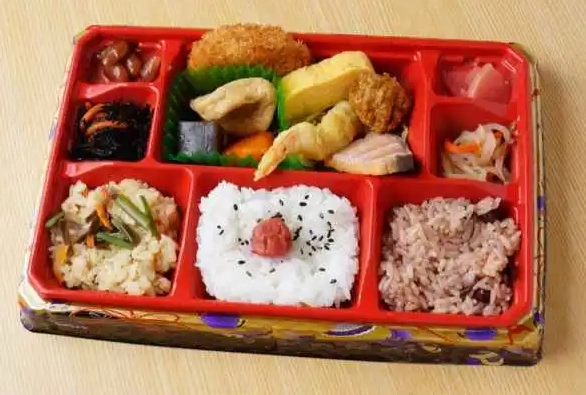
A bento can be homemade, store-bought, or from a restaurant. Its purpose is daily sustenance—for school, work, a picnic, or a casual day out. The focus is on nutritional balance (the classic ichiju-sansai ideal of one soup, three dishes), visual appeal, and personal taste.
You'll find them everywhere: convenience stores (konbini), supermarkets, department store food halls, and dedicated bento shops (bento-ya). A typical konbini bento costs between 400 and 800 yen. A homemade bento's cost is whatever you put in it.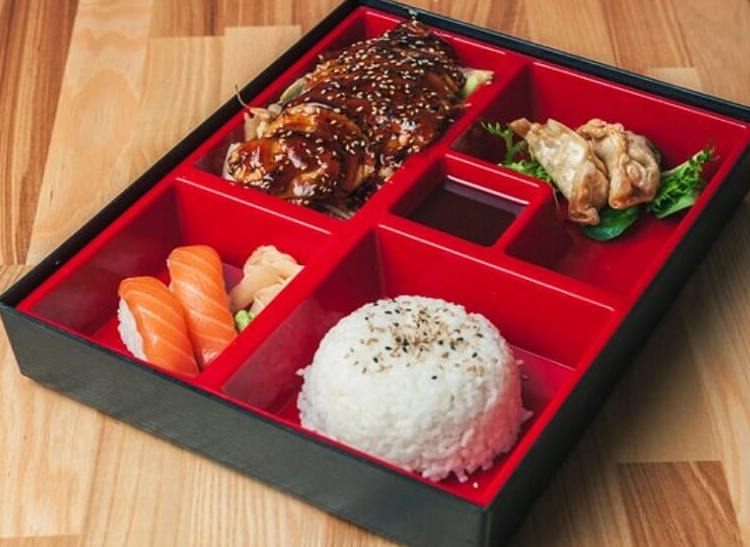
The Heart of a Good Bento
It's not just throwing leftovers in a box. There's a silent rulebook. Rice (or carbs) takes up about half the space. The other half is divided between protein (fish, meat, egg) and vegetables (cooked or pickled). A small compartment for something sweet or tart, like a prune or a cherry tomato, acts as a palate cleanser.
Texture matters too. You avoid multiple saucy or wet items together. That's why you often see dry-ish items like karaage (fried chicken) next to tamagoyaki (sweet omelet) and blanched greens.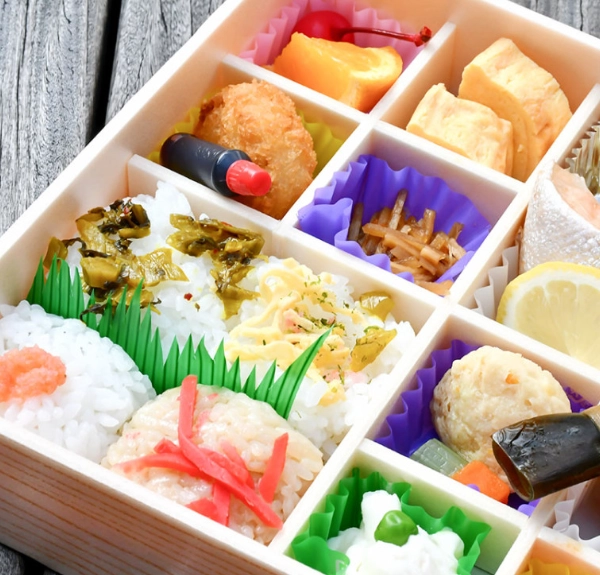
Ekiben vs Bento: Side-by-Side Breakdown
| Aspect | Ekiben (駅弁) | Bento (弁当) |
|---|---|---|
| Core Purpose | Travel dining, regional tourism, experience | Daily nutrition, convenience, personal meal |
| Primary Purchase Location | Train stations (especially JR stations) | Everywhere (konbini, supermarkets, home) |
| Packaging | Often elaborate, themed, collectible | Utilitarian, disposable, or simple reusable |
| Menu Flexibility | Fixed, set menu showcasing local fare | Highly variable, customizable |
| Price Range | Higher (1,000 - 3,000+ yen) | Lower (400 - 1,200 yen for store-bought) |
| When to Eat It | On a train journey | Anywhere (desk, park, school) |
| Temperature | Designed to be eaten cold/room temp | Can be hot (thermal jars) or cold |
See? One is an event. The other is a tool.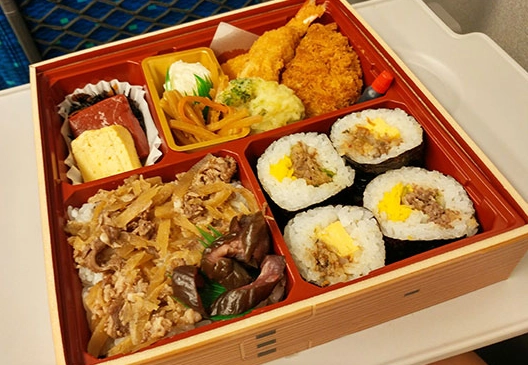
Where to Find & How to Choose
Hunting for the Perfect Ekiben
Don't just grab the first box you see on the platform. Major stations like Tokyo Station, Shin-Osaka Station, and Hakata Station have dedicated "Ekibenya" shops with dozens of choices from across the country.
My strategy? I look for boxes with a local ingredient in the name: "Matsusaka Beef," "Hokkaido Crab," "Sanuki Olive Beef." If you're passing through a coastal region, expect fish. Mountainous areas? Look for wild game or mountain vegetable mixes. If you're unsure, the staff are usually proud to make a recommendation.
Navigating the Bento Universe
For store-bought, the depachika (department store basement food hall) is the luxury end. Expect exquisite presentation and quality for 1,000-1,800 yen. The konbini (7-Eleven, FamilyMart, Lawson) is the reliable workhorse. Their bentos are improved dramatically in the last decade. Look for the "Premium" or "Gold" labels.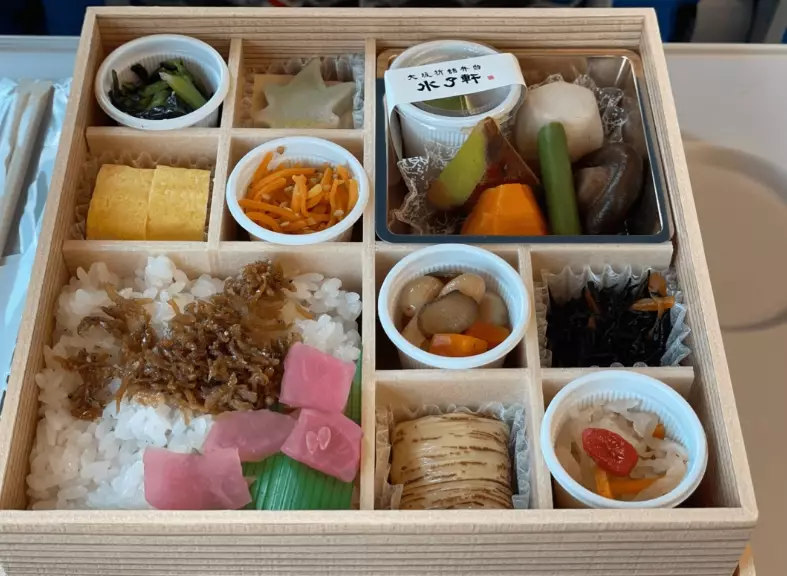
For homemade, it's about the gear. A good bento box with tight compartments is worth the investment. Silicone cups are lifesavers for keeping sauces or wet items from leaking.
Beyond the Basics: Expert Tips & Pitfalls
Here's the stuff you won't find on most tourist blogs.
Ekiben Pitfall: The "Cold Rice" Shock. Many Westerners expect hot food. Traditional ekiben rice is seasoned and meant to be eaten at room temperature. It's a different texture and flavor profile—often vinegared or mixed with ingredients to taste good cold. Don't judge it by hot rice standards. If you must have it warm, some major stations have microwave stations, but purists will frown.
Bento Tip: The Single-Serve Condiment Trick. Instead of pouring sauce over your karaage or meat in the box (hello, sogginess), put it in a separate tiny container. You can buy miniature sauce bottles or use the foil seals from yogurt tops. This preserves crunch and texture until the moment you eat.
Another one: When making a bento for later, pack the rice first but let it cool completely before adding other items and closing the lid. Trapped steam is the enemy of crisp vegetables and dry ingredients.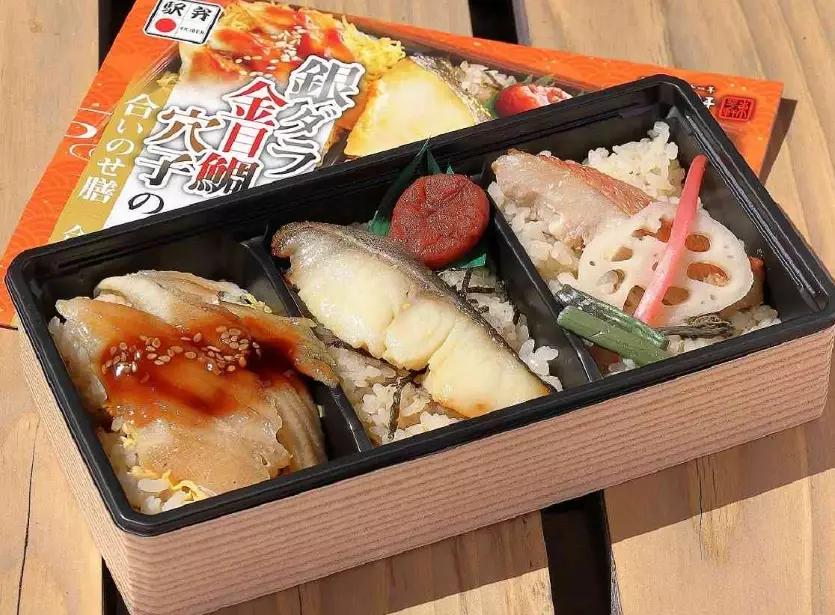
Your Burning Questions Answered
Got More Questions? Let's Dive Deeper.
What is the single biggest mistake tourists make when choosing an ekiben?
They pick based on the prettiest box art alone. While the art is part of the charm, it doesn't guarantee the food inside suits your palate. A stunning box might contain strongly flavored local fish or mountain vegetables that a first-time visitor finds challenging. Instead, peek at the ingredient list (often in simple English or with pictures) or ask the staff "osusume" (recommendation) for something "kinder" to a foreign palate, like a premium beef or chicken option.
Where is the absolute best place to buy ekiben in Tokyo for a first-timer?
Skip the generic convenience store near your hotel. Head directly to the "Ekibenya Matsuri" shop inside Tokyo Station's Yaesu South Exit GranSta dining area. It's a dedicated ekiben hall featuring famous boxes from all over Japan. You can compare dozens of options in one place, see samples, and get staff advice. It turns buying ekiben from a chore into a cultural experience and ensures you get an authentic, high-quality product for your journey.
My homemade bento gets soggy by lunchtime. What's the one thing I'm probably forgetting?
The temperature of your rice when you pack it. Packing warm rice directly into a sealed container creates steam, which condenses and makes everything soggy. The Japanese bento rule is to let the rice cool completely to room temperature before closing the lid. Spread it in the box to help it cool faster. This simple step, often overlooked in Western meal prep, is the key to preserving texture and preventing bacterial growth.
For a 5-hour Shinkansen ride, should I get an ekiben or pack a bento?
Get the ekiben. It's not just about food; it's about the experience. Part of the joy of a long train ride in Japan is unwrapping a beautifully packaged, region-specific ekiben that you can't get anywhere else. It's a culinary souvenir of the landscape you're passing through. A homemade bento, while economical, misses this unique travel ritual. Budget for the ekiben as part of your travel ticket—it's worth it.
So, the next time you're in Japan and face that array of boxes, you'll know. Are you fueling a journey, or fueling your day? That's the real difference between ekiben and bento.




Share Your Thoughts