I almost missed my ferry to Naoshima. Rushing to Uno Port after a delayed train, I realized my carefully planned Japanese art islands tour was about to start with a classic traveler's blunder. That frantic morning taught me more about navigating these islands than any guidebook could. The Seto Inland Sea's art islands – Naoshima, Teshima, Inujima – aren't just a checklist of museums. They're a slow-travel experience where the journey between sites, the quiet coastal roads, and the interaction with space are as much a part of the art as the installations themselves.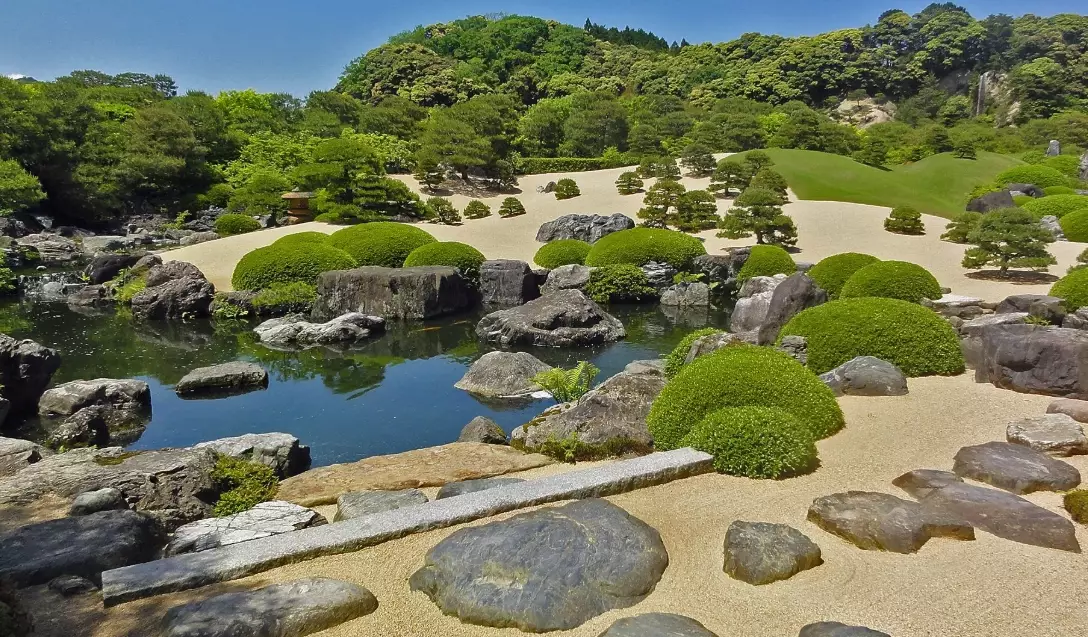
Your Quick Island-Hopping Map
Why Go? It's More Than Just Instagram Spots
Everyone wants the shot with Yayoi Kusama's Yellow Pumpkin on Naoshima's pier. But if that's your only goal, you're missing the point. The art here integrates with abandoned houses, old factories, and the natural landscape. The Setouchi Triennale (the art festival that put these islands on the map) was born from a need to revitalize depopulating communities, not just to build fancy museums. You're walking through a living social project. The art is contemplative, often requiring you to be silent, to take off your shoes, to sit and watch light move across a concrete wall for ten minutes. It's not a passive gallery hop; it's an active, sensory experience.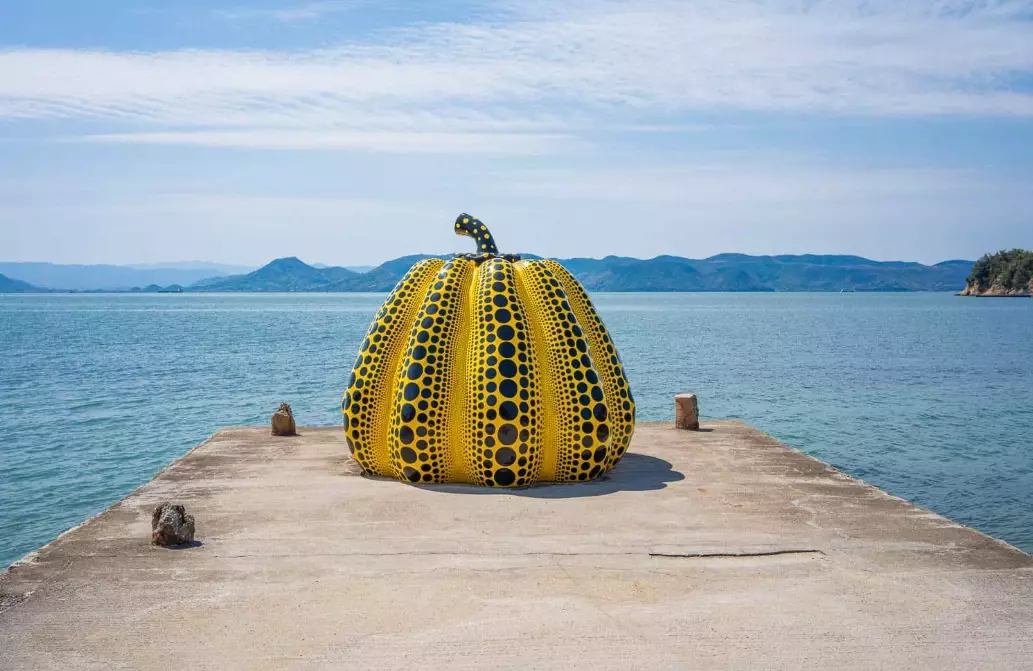
Local Insight: The biggest mistake first-timers make? Trying to see all three islands in one day. It's technically possible with military precision, but you'll spend more time on ferries and worrying about schedules than actually experiencing anything. The art demands your time and attention. Pick two islands for a day trip, or better yet, stay overnight.
Getting There: Ferries, Passes, and Timing
Your gateway cities are Okayama or Takamatsu. From Tokyo or Osaka, take the Shinkansen to Okayama, then a local train to Uno Station (about 45 mins). Takamatsu is directly accessible via JR limited express trains from Osaka.
The ferry network is your lifeline. From Uno Port, you can reach all three islands. From Takamatsu Port, you can reach Naoshima directly. Schedules change seasonally, so always check the official Shikoku Kisen ferry website the day before. The first ferry is usually around 7:00-8:00 AM, and the last return is around 5:00-6:00 PM.
Island Hopping Ferry Tips
Buy tickets at the port counter. They don't sell out often, but for peace of mind on weekends or during the Triennale, arrive 30 minutes early. The Setouchi Triennale Pass (available during the festival periods) is a fantastic money-saver if you're island-hopping extensively over multiple days. Outside the festival, consider the Benesse Art Site Naoshima Free Pass from JR Shikoku, which covers some transport and offers museum discounts.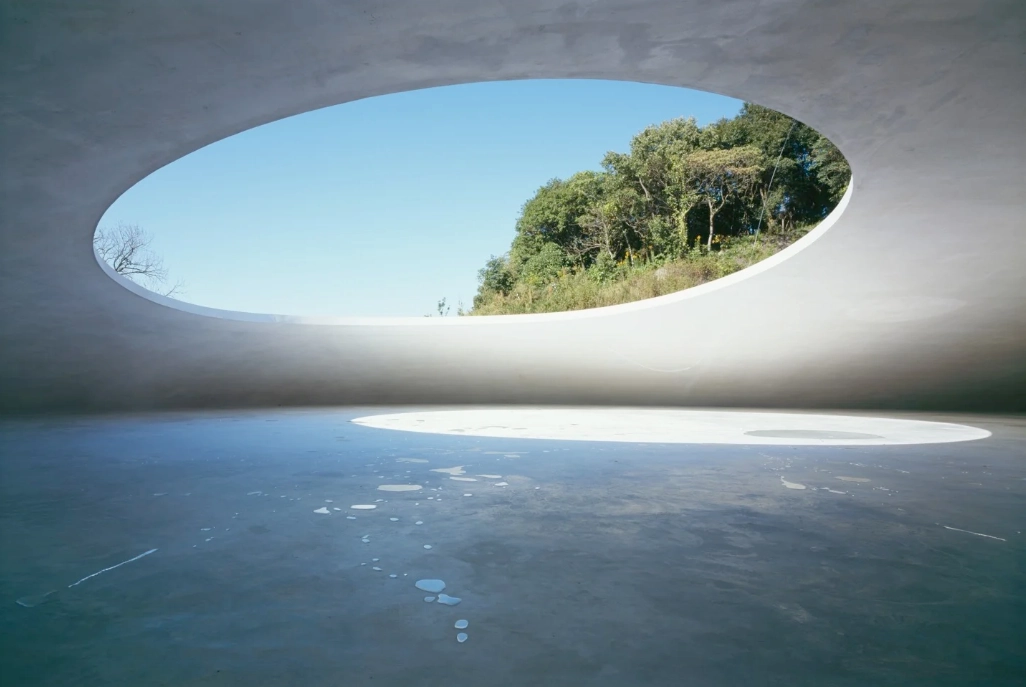
| Route | Approx. Duration | Approx. Fare (One Way) | Key Note |
|---|---|---|---|
| Uno Port → Naoshima (Miyanoura) | 20 minutes | ¥300 | Most frequent service. |
| Uno Port → Teshima (Ieura) | 25-35 minutes | ¥550 | Fewer departures. Plan your day around the schedule. |
| Uno Port → Inujima | 10 minutes | ¥250 | Small ferry, cozy ride. |
| Naoshima (Miyanoura) → Teshima (Ieura) | 30 minutes | ¥700 | Direct connection, but not always frequent. |
Naoshima Deep Dive: Benesse Art Site Must-Sees
Naoshima is the flagship. Rent an electric bicycle the moment you get off at Miyanoura Port. Trust me, the hills are steeper than they look. A standard bike is fine if you're fit, but the e-bike lets you glide between sites effortlessly. Rental shops are right outside the port, costing about ¥1,500-¥2,000 for the day.
Can't-Miss Art & Practical Details
Benesse House Museum & Oval: More than a museum, it's a hotel where art and accommodation blend. You can visit the museum even if you're not staying (¥1,030, 8:00 AM - 9:00 PM). The Oval is the exclusive, architecturally stunning part only accessible to hotel guests – a major reason to splurge on a night here if your budget allows.
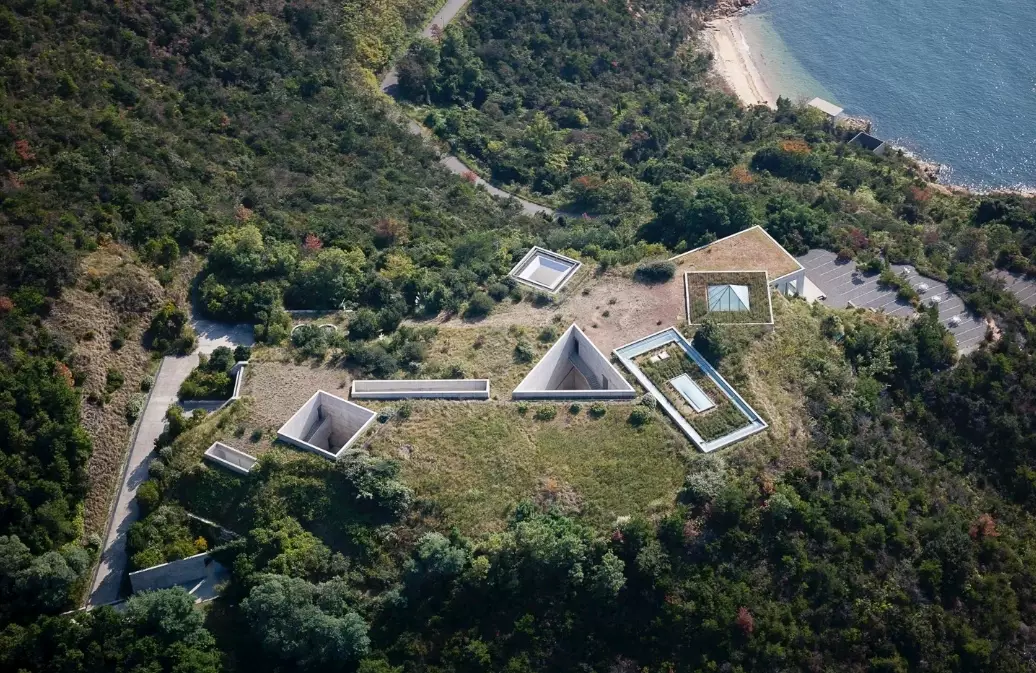
Chichu Art Museum: Tadao Ando's masterpiece built into a hill. It houses a breathtaking Monet's "Water Lilies" room, Walter De Maria's geometric sphere, and James Turrell's light installations. Book online in advance. Seriously. Tickets (¥2,100) sell out days ahead, especially for Turrell's "Open Field" which requires a separate timed entry. Open 10:00 AM - 6:00 PM (last entry 5:00 PM). Closed Mondays.
Art House Project: Scattered in Honmura village. Buy a combined ticket (¥1,050) at the Honmura Lounge & Archive. My favorite is Minamidera by James Turrell – a pitch-black room that slowly reveals light in a way that redefines perception. Allow 2-3 hours to visit all seven houses.
The Yellow Pumpkin is at the end of a pier near the Benesse House area. It's free to visit, but expect a line for photos during the day. Go at sunrise for a magical, crowd-free moment.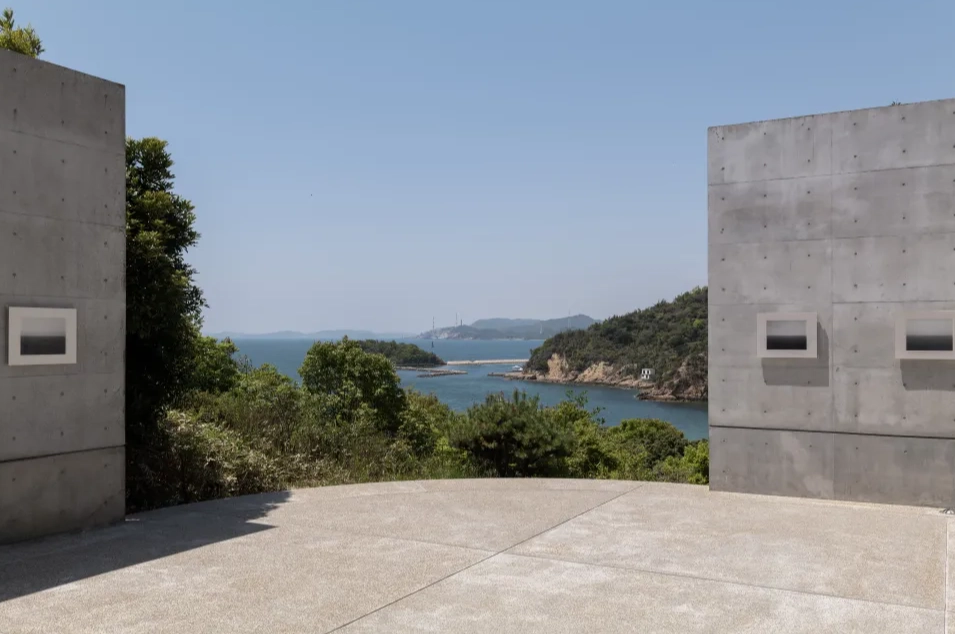
Teshima: The Soulful Hidden Gem
If Naoshima feels curated, Teshima feels organic. It's quieter, more rural, and the art feels woven into the fabric of the island. From Ieura Port, rent an e-bike again (essential here, distances are longer). The island's crown jewel is the Teshima Art Museum (¥1,570, 10:00 AM - 5:00 PM, last entry 4:30 PM, closed Tuesdays).
It's not a museum with a collection. It's a single, breathtaking concrete shell designed by architect Ryue Nishizawa, with water droplets that emerge and move across the floor, an artwork by Rei Naito. You sit on the perimeter in silence. No photos are allowed inside – a rule that forces you to be present in a way most tourist sites don't. I sat for 45 minutes. Time dissolved.
Don't miss Les Archives du Cœur by Christian Boltanski, a small hut recording the heartbeats of thousands of visitors (you can record your own for a fee). And Teshima Yokoo House, a transformed old house filled with surreal, colorful art by Tadanori Yokoo.
For lunch, stop at one of the tiny, family-run shokudo (diners) near the ports. Look for the day's set meal, often featuring fresh local seafood. It's simple, authentic, and supports the local community directly.
Inujima: Where Industry Meets Art
The smallest and most concentrated of the three, Inujima is a powerful statement on recycling and memory. Its centerpiece is the Inujima Seirensho Art Museum (¥2,060, 9:30 AM - 4:30 PM), built within the ruins of a copper refinery. The artist Yukinori Yanagi uses solar power, mirrors, and the old factory infrastructure to create a poignant reflection on Japan's industrial past and ecological future. You can explore the whole island on foot in a couple of hours.
It's less about individual masterpieces and more about the overwhelming atmosphere. The contrast between rusted metal, clean modern design, and the quiet sea is unforgettable. Because it's small and less famous, you might have it almost to yourself, especially on a weekday.
Practical Trip Planner: Itinerary & Logistics
Sample 2-Day, 2-Night Itinerary (The Balanced Experience)
Day 1: Arrive at Uno Port in the afternoon. Ferry to Naoshima. Check into your guesthouse (I recommend Guesthouse Uo in Honmura for a friendly, budget option, or Benesse House for the ultimate splurge). Spend the late afternoon exploring the Art House Project in Honmura village. Dinner at a local izakaya near Miyanoura Port.
Day 2: Early start. Visit Chichu Art Museum (with pre-booked tickets). Cycle to Benesse House Museum. Have lunch at the museum cafe. In the afternoon, ferry from Naoshima to Teshima. Visit the Teshima Art Museum and one or two other sites. Return to Naoshima for the night.
Day 3: Morning ferry to Inujima. Explore the Seirensho Museum and the small island paths. Return to Uno Port by early afternoon for your journey onward.
Where to Stay: Overnighting on Naoshima is the best move. Options range from high-end (Benesse House, ¥40,000+ per night) to mid-range (Tsutsuji-so lodge, ¥15,000-20,000) to guesthouses and minshuku (¥5,000-10,000 with meals). Book months in advance, especially during peak seasons. Staying on Teshima is also possible but options are very limited (like Teshima Guesthouse).
Expert FAQ: Your Questions, Answered
 How do I navigate between islands if I don't speak Japanese?

Share Your Thoughts