Quick Navigation
- What Exactly is Hanami? It's More Than a Picnic
- Where to Go: A Global Tour of Top Cherry Blossom Viewing Destinations
- The Art of Prediction: Timing Your Trip Perfectly
- Your Ultimate Hanami Field Guide: From Packing to Picnicking
- Beyond the Blossoms: Deepening Your Appreciation
- Cherry Blossom Viewing FAQs: Your Questions Answered
Let's be honest. You've seen the pictures. Those dreamy clouds of pink against a bright blue sky, covering ancient castles or lining city canals. It looks perfect. And then you think about actually planning a trip for cherry blossom viewing, and a million questions pop up. When do they bloom? Where's the best spot that isn't crawling with a million other people with the same idea? What do you even do once you're there, besides take the same photo everyone else is taking?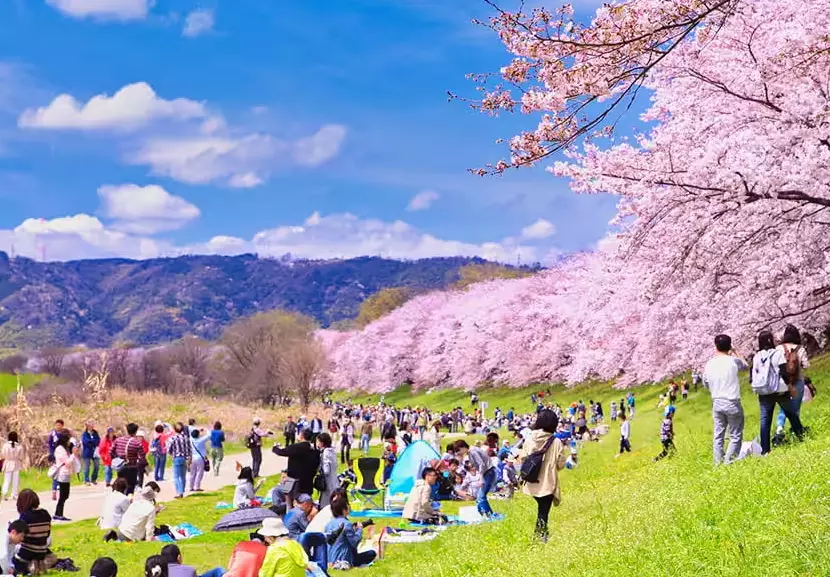
I remember my first time. I landed in Tokyo with a backpack and a vague idea from a blog post. I was a week too early. I saw buds. Very nice buds, mind you, but not the explosive pink canopy I'd flown across the ocean for. I spent more time squinting at confusing forecast maps than actually enjoying myself. It was a lesson learned the hard way.
It doesn't have to be that way.
This guide is everything I wish I'd known. We're going to move past the pretty postcards and into the nitty-gritty of planning an unforgettable hanami experience. We'll talk about the best places in the world (hint: it's not just Japan), how to outsmart the crowds, what to pack in your picnic basket, and even how to take a photo that doesn't look like every other one on Instagram. Consider this your one-stop shop for becoming a savvy cherry blossom viewer.
What Exactly is Hanami? It's More Than a Picnic
If you think cherry blossom viewing is just about snapping a photo, you're missing about 90% of the joy. The core of the tradition is the hanami party. Imagine this: a blue tarp spread under a canopy of pink, friends laughing, the smell of grilled food in the air, and maybe a few cans of beer or cups of sake. It's a communal celebration of spring.
But here's a personal take: the most popular parks for this can get insanely crowded and loud. It's a party atmosphere, which is fun, but it's not the serene, contemplative experience you might see in a film. If you're after peace and quiet, you need a different strategy (which we'll get to). The social aspect, though, is undeniable and a huge part of the cultural experience. People reserve spots with tarps early in the morning, sometimes even the night before. Office workers, families, students—everyone comes out.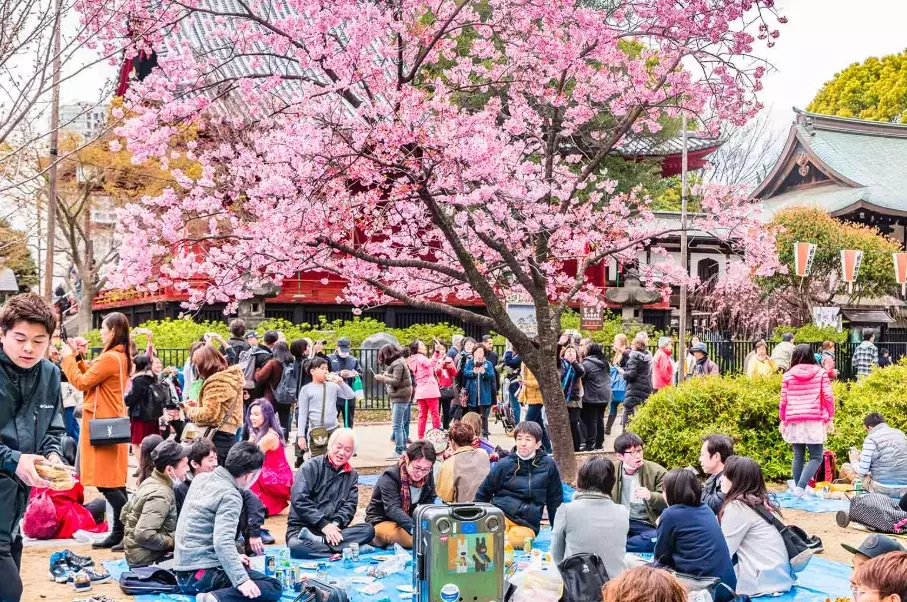
So, are you going for the party, or for the poetry?
Knowing what you want from your cherry blossom viewing trip is the first step. Both are valid, but they require different plans.
Where to Go: A Global Tour of Top Cherry Blossom Viewing Destinations
Japan is the undisputed king, but it's not the only kingdom. Blossoms bloom across the Northern Hemisphere, and each location offers a unique backdrop. Let's break down the top contenders.
| Country/Region | Top Locations for Cherry Blossom Viewing | Best Time (Typically) | Vibe & Unique Selling Point |
|---|---|---|---|
| Japan | Tokyo (Ueno Park, Shinjuku Gyoen), Kyoto (Philosopher's Path, Maruyama Park), Yoshino Mountain, Hirosaki Castle | Late March - Mid April (varies by region) | The classic, deep cultural immersion. Mix of epic urban parks, historic temples, and mountain vistas. Crowds are guaranteed. |
| South Korea | Jinhae Gunhangje Festival, Seoul (Yeouido Park, Seokchon Lake), Gyeongju | Early - Mid April | Massive, festive celebrations. Jinhae's festival is one of the largest in the world. Often combined with stunning night illuminations (yeonhwado). |
| Washington D.C., USA | Tidal Basin, National Mall | Late March - Early April | A stunning political-historical backdrop with the Jefferson Memorial. The National Cherry Blossom Festival is a huge, multi-week event with parades and concerts. |
| Vancouver, Canada | Stanley Park, VanDusen Botanical Garden, Queen Elizabeth Park | Early - Late April | Lush, West Coast greenery mixed with blossoms. More relaxed than East Asian counterparts, great for cycling or strolling. |
| Germany | Bonn (Heerstraße), Hamburg (Alster Lakes), Berlin (Gärten der Welt) | Mid - Late April | European charm. Bonn's tunnel of blossoms over a cobblestone street is an iconic photo op. Less of a formal "hanami" culture, more of a beautiful spring stroll. |
But how do you choose? Ask yourself: do you want a full-blown cultural festival (Korea, Japan, D.C.), or a more low-key, scenic integration with a city (Vancouver, Germany)? Your answer will narrow things down fast.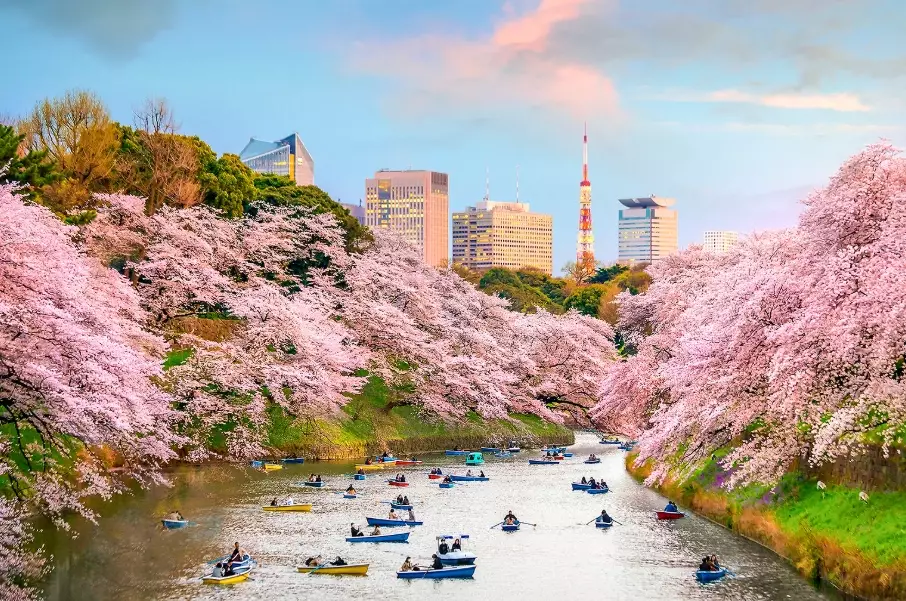
The Art of Prediction: Timing Your Trip Perfectly
This is the million-dollar question, and the source of most traveler anxiety. The bloom is maddeningly dependent on the weather in the preceding weeks. A warm spell can rush it; a cold snap can delay it. Booking flights and hotels a year in advance feels like gambling.
Here’s the good news: several governments and meteorological agencies take this very seriously and provide incredibly detailed forecasts.
- Japan Meteorological Corporation (JMC): Their "Sakura Forecast" is the industry gold standard. It's updated frequently as the season approaches and breaks predictions down by city and even specific landmark. Bookmark this.
- Korea Meteorological Administration (KMA): The KMA website provides official blossom forecasts for major locations like Jinhae and Seoul. Look for "벚꽃 개화 시기" (blossom period) announcements.
- National Cherry Blossom Festival (Washington D.C.): The official festival's "Bloom Watch" page is your best bet for the Tidal Basin. They give updates from the National Park Service horticulturists.
The key is to understand the stages. Forecasts will talk about "kaika" (開花) - the day the first blossoms open on a sample tree. The real goal for cherry blossom viewing is "mankai" (満開) - full bloom, when about 80% of the blossoms are open. This usually happens about a week after kaika. The window of perfect, full-bloom cherry blossom viewing is typically 4-7 days, before wind and rain start the "sakura fubuki" (cherry blossom blizzard) of falling petals.
My strategy now? I book my trip to span the predicted full bloom date, with a few buffer days on either side. I also pick a destination with multiple micro-climates. In Japan, for example, you can chase the bloom from south (Kyushu) to north (Hokkaido) over several weeks.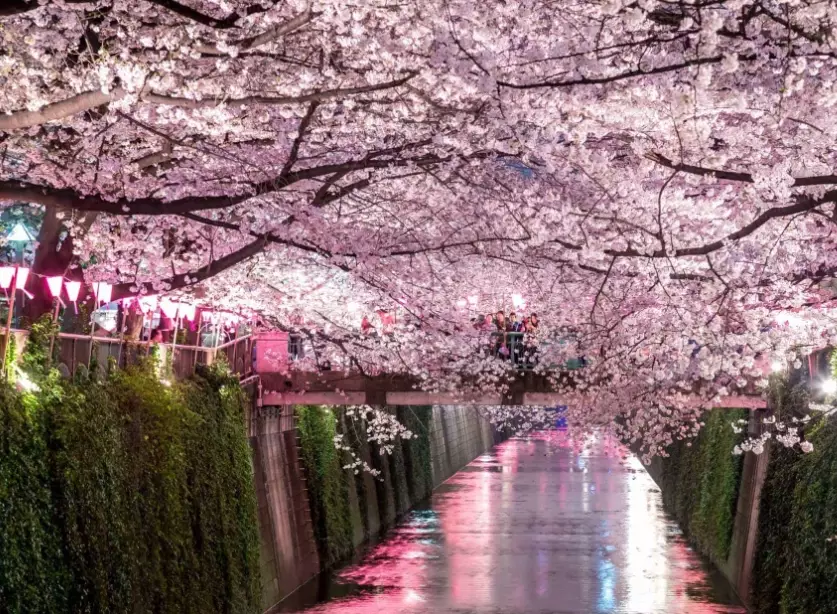
Your Ultimate Hanami Field Guide: From Packing to Picnicking
Alright, you've picked your spot and nailed the timing. Now, what do you actually do? Let's get practical.
Packing for Petals: The Essential Hanami Kit
Forget just a camera. If you're planning a proper hanami picnic, here's what you really need:
- A Ground Sheet (Blue Tarp is Traditional): This is your real estate. It gets damp in the morning, and grass stains are real. A waterproof sheet is non-negotiable.
- Hand Warmers: Seriously. Spring mornings and evenings can be deceptively chilly, especially after sitting still for a while.
- Wet Wipes & a Small Trash Bag: Public bins in popular parks overflow instantly. The golden rule of hanami is to leave no trace. Pack out everything you pack in.
- Layers, Layers, Layers: A t-shirt, a sweater, and a light jacket. The temperature can swing wildly from morning to afternoon.
- Cash: Many street food vendors and small stalls near blossom spots don't take cards.
- Picnic Food (Bento, Onigiri, Snacks): Convenience stores (7-Eleven, FamilyMart, Lawson) in Japan and Korea become your best friends, offering amazing pre-made hanami bento boxes.
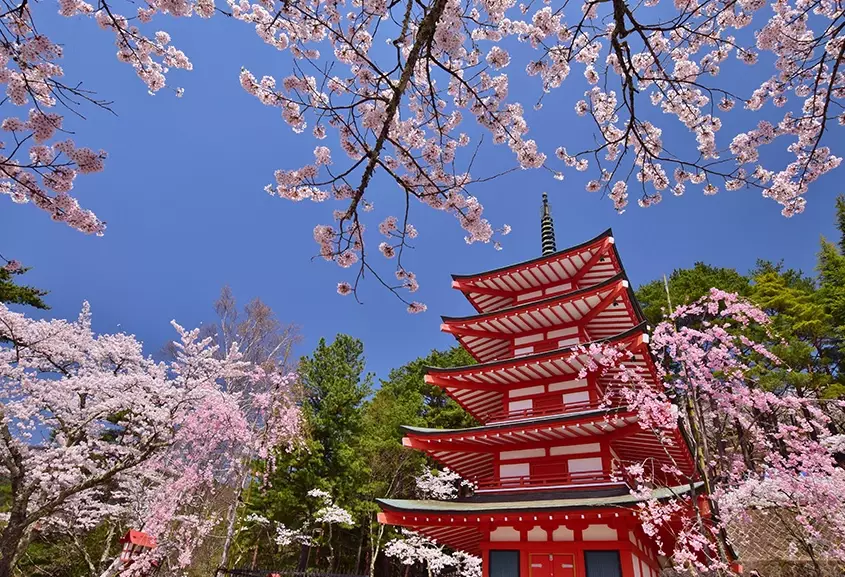
Hanami Etiquette: Respecting the Tradition
This is where you elevate from tourist to respectful guest. A few unspoken rules:
If you're in a public park, spaces are first-come, first-served. But don't spread your tarp out over a massive area for two people. Be considerate. Keep noise levels reasonable if you're near families or others trying to enjoy a quiet moment. And again, clean up meticulously. The sight of litter under the beautiful blossoms is a real mood-killer.
Capturing the Moment: Photography Tips That Aren't Obvious
Everyone has a camera phone now. How do your cherry blossom viewing photos stand out?
Go Early. Really Early. I'm talking sunrise. The light is soft and golden, the crowds are nonexistent, and you get that magical, misty morning atmosphere. It's the single best tip for photography. Alternatively, try a late afternoon visit for warmer light.
Look for Details. Sure, get the wide shot of the castle framed by blossoms. But then get close. A single cluster of blossoms against the blue sky. Petals floating on a pond. A lantern peeking through the pink. Details tell a richer story.
Use People for Scale and Story. A person walking under a blossom tunnel gives a sense of awe and scale. A candid shot of friends laughing on a picnic blanket captures the true spirit of hanami far better than a sterile landscape.
And sometimes, just put the camera away. The best memory might be the feeling of the sun on your face and the faint scent of flowers in the air.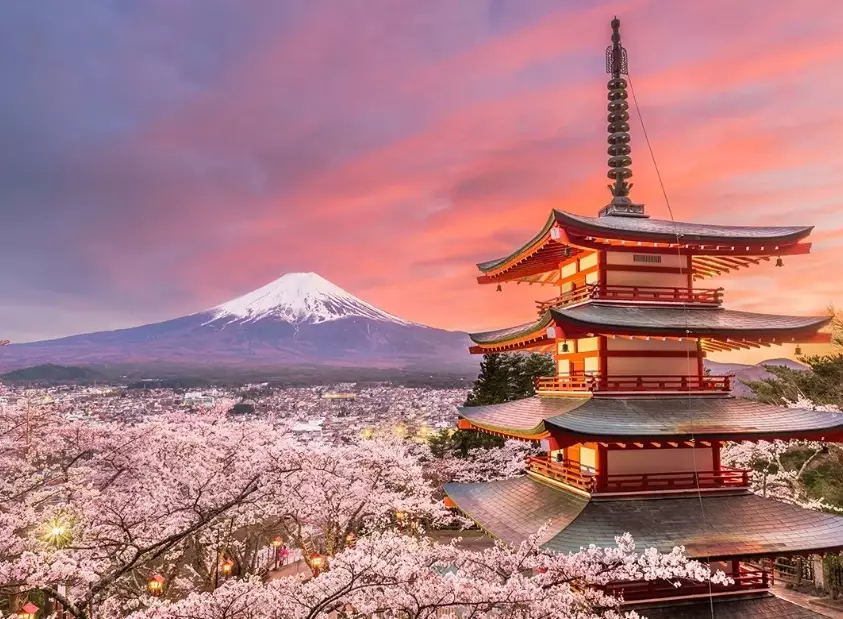
Beyond the Blossoms: Deepening Your Appreciation
Once you've checked the major cherry blossom viewing spots off your list, it's fun to dive deeper.
Did you know there are hundreds of varieties? The most common is the "Somei Yoshino," known for its pale pink, almost white flowers that bloom in clusters before the leaves appear. But seek out the "Kanzan" with its vibrant pink, double-petaled pompoms, or the weeping "Shidarezakura" (cherry blossom weeping willow), which looks like a pink waterfall. Places like the Shinjuku Gyoen National Garden in Tokyo showcase dozens of varieties with different bloom times.
The tradition isn't just about the party, either. The concept of "mono no aware" (物の哀れ)—a gentle sadness at the impermanence of things—is deeply tied to the blossoms' short life. It's a beautiful, poignant layer to the celebration that makes you appreciate the moment even more.
Cherry Blossom Viewing FAQs: Your Questions Answered
Planning your cherry blossom viewing adventure might seem complex, but that's part of the fun. It turns a simple vacation into a seasonal quest. With the right information—knowing how to read a forecast, packing the right gear, and understanding the culture—you're not just hoping for a good experience, you're engineering one. You'll move from being a passive observer to an active participant in a beautiful, centuries-old tradition. And when you're finally sitting under that pink canopy, snack in hand, surrounded by the quiet hum of happiness (or the lively buzz of a party), you'll know every bit of planning was worth it.
The blossoms wait for no one. But with this guide, you won't be waiting for them either. You'll be right there, in the perfect place, at the perfect moment.


Share Your Thoughts