In This Guide
So you're thinking about climbing Mount Fuji. That's awesome. The first question that pops into everyone's head is usually the same: how far is it, really? You'll see a bunch of numbers thrown around online – 12 kilometers, 14 kilometers, 5 miles, whatever. But here's the thing nobody tells you right away: the Mount Fuji hike distance is one of the most misleading stats in all of hiking.
Why? Because distance alone is almost useless. I learned this the hard way. I remember looking at a map, seeing "Yoshida Trail: ~14 km round trip," and thinking, "Hey, I walk more than that in a week around my neighborhood. How hard can it be?" Let me tell you, it can be very, very hard. The distance is just the canvas. The real painting is made of altitude gain, loose volcanic scree, thinning air, and weather that can change from sunny to brutal in minutes.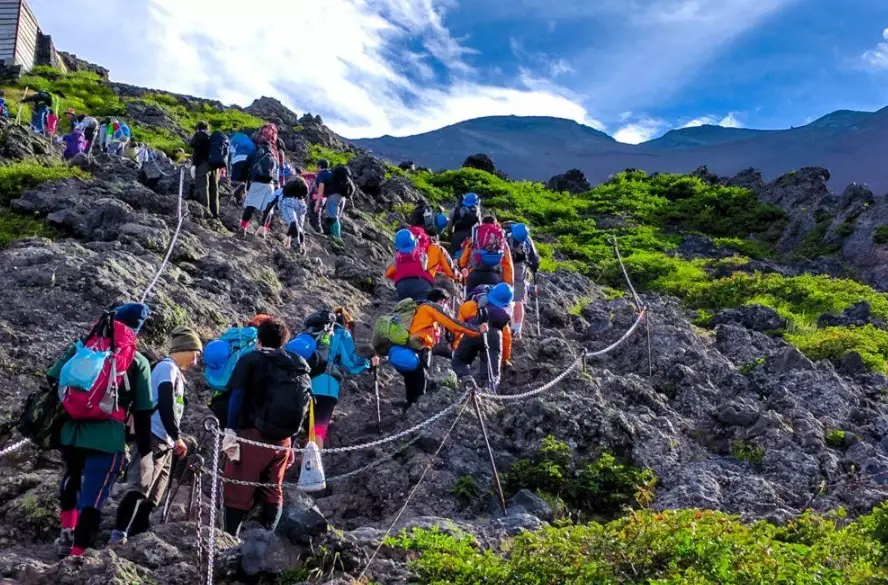
This guide isn't just about spitting out the distance to climb Mount Fuji. We're going to tear that number apart. We'll look at what it means for each of the four main trails, section by painful section. We'll talk about why the descent often feels longer than the ascent (it's not in your head). And most importantly, we'll translate those kilometers into real hours on the mountain, with a tired body and a determined mind.
The Four Main Trails: Breaking Down the Mount Fuji Climb Distance
Mount Fuji has four primary climbing routes, each starting from a different 5th Station. They all end up at the same summit, but oh boy, do they get there differently. The character, the difficulty, and yes, the Fuji climbing distance varies quite a bit. Picking your trail isn't just about picking a number; it's about picking your experience.
Here’s the full breakdown. I've included not just the raw stats but what those numbers actually feel like underfoot.
| Trail Name | Starting 5th Station | Ascent Distance (to summit) | Descent Distance (to 5th Station) | Total Round-Trip Hike Distance | Vertical Gain |
|---|---|---|---|---|---|
| Yoshida Trail | Fuji Subaru Line 5th Station (Yamanashi) | ~7.5 km (4.7 mi) | ~7.8 km (4.8 mi) *different path* | ~15.3 km (9.5 mi) | ~1,470 meters (4,822 ft) |
| Subashiri Trail | Subashiri 5th Station (Shizuoka) | ~7.8 km (4.8 mi) | ~7.8 km (4.8 mi) *same path* | ~15.6 km (9.7 mi) | |
| Gotemba Trail | Gotemba 5th Station (Shizuoka) | ~10.7 km (6.6 mi) | ~10.7 km (6.6 mi) | ~21.4 km (13.3 mi) | ~1,450 meters (4,757 ft) |
| Fujinomiya Trail | Fujinomiya 5th Station (Shizuoka) | ~5.0 km (3.1 mi) | ~5.0 km (3.1 mi) | ~10.0 km (6.2 mi) | ~1,480 meters (4,856 ft) |
Look at that table. The Fujinomiya Trail distance seems like a dream at only 5 km up, right? Shortest by far. But check the vertical gain. It's the steepest. You're climbing the same mountain height in nearly half the horizontal distance. That means relentless, calf-burning inclines with fewer flat spots to catch your breath. The distance is shorter, but the effort per kilometer is immense.
Then there's the Gotemba Trail. The longest Mount Fuji hike distance by a huge margin. Over 21 km round trip. It starts much lower, so you have a long, gradual approach before the real climb even begins. It's less crowded, which is a plus, but that distance is a mental and physical marathon. You need serious endurance for this one, not just power.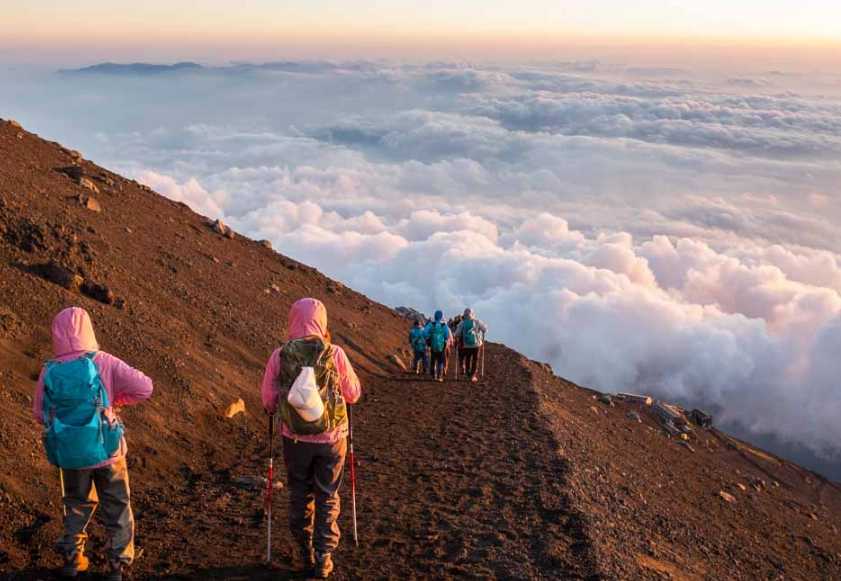
The Yoshida and Subashiri trails are the middle children in terms of distance climbing Mount Fuji. They're the most popular for a reason—they offer a balance. Yoshida is famously crowded during peak season, which can actually slow you down, making the effective "time distance" much longer than the map distance.
Yoshida Trail: The Classic Marathon
Let's zoom in on the Yoshida Trail, since it's the one most first-timers end up on. Saying the Yoshida Trail distance is 7.5 km up is like saying a marathon is 42 km. Technically true, but it misses all the nuance.
The trail is split into 10 "stations" from the 5th to the summit (the 10th). But these aren't even intervals. The stretch between the 7th and 8th stations felt eternal to me. The path is a mix of rocky steps and loose gravel. You're battling crowds, stopping to let faster hikers pass, and queueing at the narrower sections. Your pace slows to a crawl.
And the descent is its own special beast. On the Yoshida Trail, you take a separate, dedicated descent path. It's almost all loose volcanic scree—imagine walking down a steep slope of tiny marbles. It's brutal on your knees and quads. You'll slide a little with every step. Those 7.8 km down can be more exhausting than going up. You're using completely different muscles, constantly bracing yourself. Many people, myself included, think the descent feels longer. It probably isn't on the map, but in your joints, it absolutely is.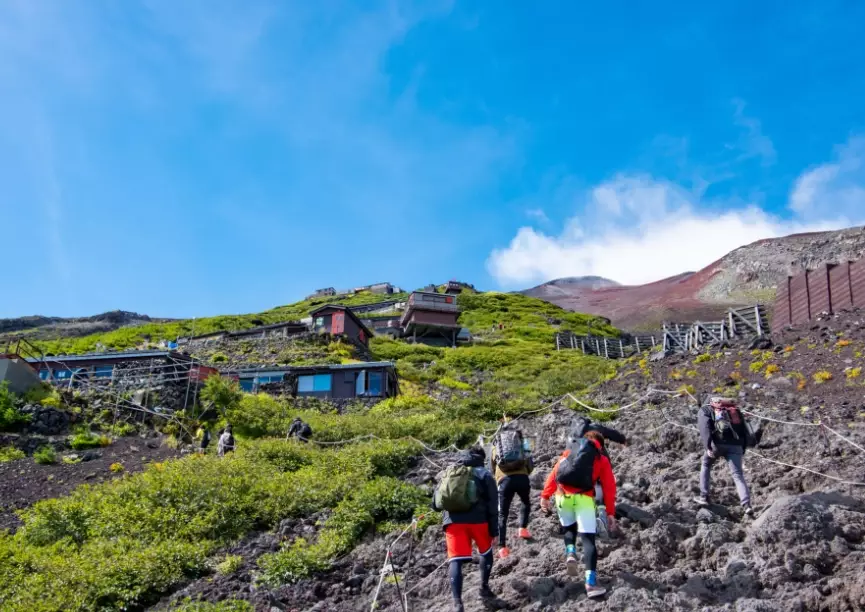
Why the Official Mount Fuji Hike Distance Lies to You
Okay, "lies" is a strong word. But it's incomplete. Here’s what gets added to your personal Mount Fuji hiking distance tally that never makes the brochure:
- The Walk to the Trailhead: Your bus drops you off. There's a parking lot, restrooms, souvenir shops. The actual trail marker might be a 10-15 minute walk away. That's extra.
- Summit Circumnavigation: You didn't climb Fuji just to touch one point and leave, right? You want to see the crater, visit the highest post office, maybe walk to the true highest point (which is a 1-hour round trip walk from the main summit torii gate). That's easily an extra 1-2 km of walking at 3776 meters.
- Mountain Hut Detours: Need to use the toilet? That's 100 yen and a 50-meter detour off the main trail. Staying at a hut? You might need to leave the trail to check in. It all adds up.
- The Zombie Walk Back to the Bus: After finishing the descent, the walk from the trail exit back to the bus stop feels like the longest kilometer of your life. Your legs are jelly.
So when you plan, mentally add at least 2-3 km to whatever the official round-trip Mount Fuji climb distance is. That's your realistic total.
From Kilometers to Hours: The Real Timeline of a Fuji Hike
This is the translation you really need. Let's convert those Mount Fuji hike distance numbers into a realistic schedule. We'll use the Yoshida Trail as our example again, as it's the benchmark.
Day 1: Arrive at 5th Station (~2300m) around 1 PM. Hike 5-6 hours to a 8th Station mountain hut (~3100m). Distance covered: ~4.5 km. Sleep (or try to).
Day 2: Wake up at 2 AM. Hike 2-3 hours to summit for sunrise (~5:30 AM). Distance: ~3 km. Explore crater, take photos. Descend 3-5 hours back to 5th Station. Distance: ~7.8 km. Collapse on bus by noon.
See how the distance is broken up? You're not doing the full 7.5 km ascent in one push. You're splitting it over two days, with a break. This is crucial for acclimatization and safety. Trying to do the entire distance to climb Mount Fuji in one day-trip from Tokyo is not recommended for most people. The altitude sickness risk is high, and you'll be utterly wrecked.
For the other trails, the time-per-kilometer changes. On the steep Fujinomiya trail, you might cover 1 km in well over an hour near the top. On the long Gotemba trail, the first few kilometers are easy, so you'll move faster initially, but you have so much more Fuji climbing distance to cover that you must conserve energy.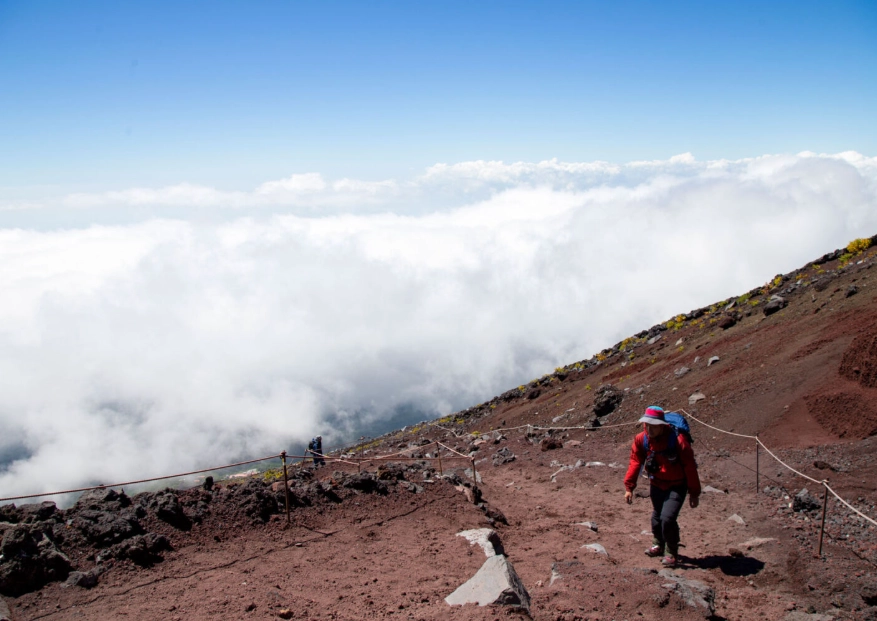
What This Distance Means for Your Body and Gear
Understanding the Mount Fuji hiking distance is key to packing right. It's not a stroll. It's a high-altitude endurance event.
Footwear is Non-Negotiable
I saw people attempting it in sneakers. Bad idea. The terrain is uneven, rocky, and slippery. After 15+ kilometers, improper support will lead to blisters, rolled ankles, and pure misery. You need sturdy, broken-in hiking boots with good ankle support and grip. The descent on scree alone justifies them.
Layering is Everything
The temperature can swing from 25°C (77°F) at the 5th Station to near freezing at the summit before dawn. You'll be sweating on the ascent and shivering during breaks. That distance means you're experiencing multiple climate zones. Moisture-wicking base layers, a warm insulating layer (fleece/down), and a windproof/waterproof shell are the holy trinity. Don't forget gloves and a hat.
Fuel and Water
You need more than you think. For a 10+ hour endeavor covering that much Mount Fuji hike distance, I recommend at least 2-3 liters of water. There are spots to buy water at mountain huts, but it's expensive (¥500-¥1000 per bottle) and huts aren't always open. Bring high-energy snacks—nuts, chocolate, energy bars, dried fruit. Eating small amounts frequently keeps your engine running.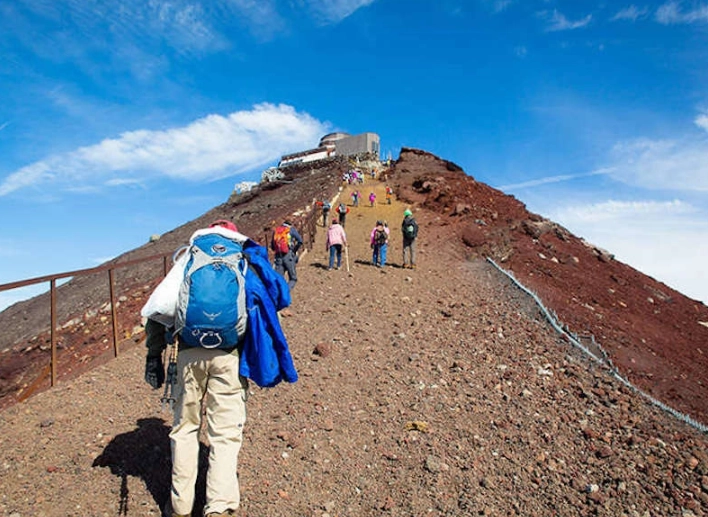
Frequently Asked Questions (The Stuff You're Actually Searching For)
Let's cut to the chase and answer the specific questions people have about Mount Fuji climb distance.
What is the shortest Mount Fuji hike distance?
The Fujinomiya Trail has the shortest horizontal distance from 5th Station to summit: about 5 km. But remember, it's the steepest. Shortest distance doesn't mean easiest. It's a trade-off.
Can I climb Mount Fuji in one day?
Technically, yes. The "bullet climb" (day-trip) is possible if you're very fit and acclimatized. You'd need to start super early (like 5 AM from the 5th Station), summit, and descend all in daylight. But the official Mount Fuji Climbing Official Website strongly discourages this due to risks of exhaustion and altitude sickness. The distance climbing Mount Fuji in one push is a major physical challenge, and weather windows are short. I don't recommend it for your first time.
How long does it take to walk down Mount Fuji?
Almost as long as it takes to go up, sometimes longer if your legs are shot. For the Yoshida Trail, budget 3-5 hours for the 7.8 km descent. The scree slows you down and requires constant focus. It's not a relaxing walk.
Is the distance marked on the trail?
Not in kilometers, really. It's marked by station numbers (6th, 7th, 8th, etc.). These are not equally spaced. You'll see signs telling you the time to the next station (e.g., "To 8th Station: 90 min"), which is far more useful than distance. Time estimates are usually conservative, which is good—beating them feels like an achievement.
How does the Mount Fuji hike distance compare to other hikes?
In pure distance, it's not extreme. Many day hikes are longer. The killer combo is the distance + the altitude gain + the altitude itself. Climbing 1500 vertical meters starting above 2000m is what makes it unique. A similar distance to climb Mount Fuji at sea level would be tough but manageable. At altitude, every step feels heavier.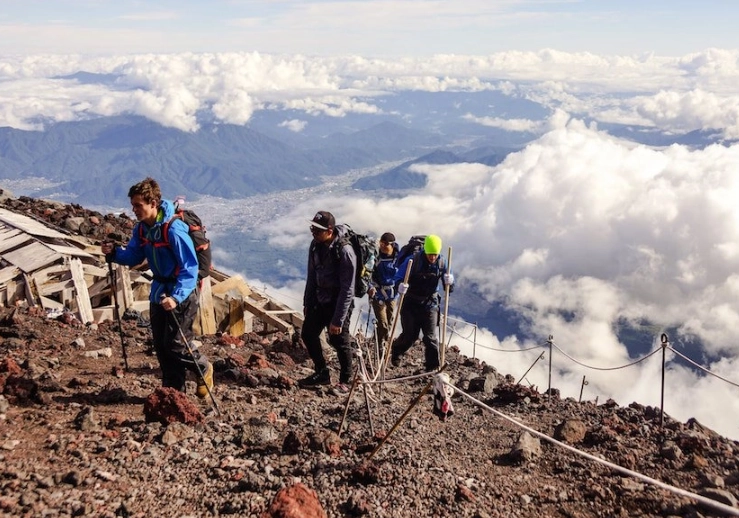
Final Thoughts: Respect the Distance, Enjoy the Journey
At the end of the day, the Mount Fuji hike distance is a number to inform your preparation, not intimidate you. Knowing the Yoshida Trail distance is 15.3 km round trip means you train for a 15-20 km hike with significant elevation. Knowing the Fujinomiya Trail distance is shorter but steeper means you train for inclines.
My biggest piece of advice? Once you're on the mountain, forget the kilometers. Don't constantly check your GPS. Just focus on the next step, the next switchback, the next station. Talk to other hikers. Enjoy the surreal landscape. The distance will pass.
Because when you finally stand at the summit, watching the sun break over the clouds, you won't remember the exact Mount Fuji climbing distance. You'll remember the feeling. And that's worth every single step of those long, hard kilometers.
Train well, pack smart, and have an incredible climb.


Share Your Thoughts