Let's cut to the chase. If you're searching for "Kyoto Craft game," you're probably tired of just snapping photos at temples and want to get your hands dirty with real culture. I've been exploring Kyoto's craft scene for over a decade, and I'll tell you straight: this isn't about a board game. It's a mindset—a way to engage with Kyoto by diving into its living handicraft traditions. Think pottery, weaving, dyeing, and more, scattered across the city like hidden treasures. In this guide, I'll walk you through the best workshops, share insider tips most blogs miss, and help you plan an unforgettable experience that goes beyond the typical tourist trail.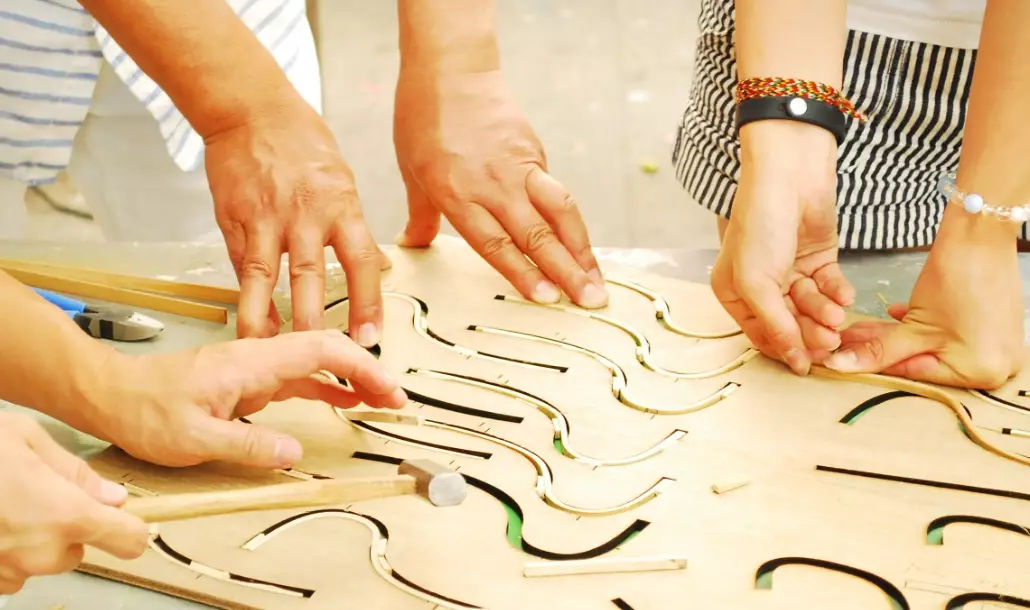
Jump to What Interests You
What Exactly Is the Kyoto Craft Game?
Forget the term "game" if it conjures images of apps or puzzles. Here, it's a metaphor for curating your own adventure through Kyoto's artisan world. The city is a UNESCO Creative City for crafts, with roots dating back centuries. When I first visited, I made the rookie error of just buying souvenirs. Then I tried a pottery class in Kiyomizu—that changed everything. You're not observing; you're participating. The Kyoto Craft game is about selecting workshops that match your interests, budget, and schedule, then immersing yourself in skills passed down through generations. It's hands-on, it's authentic, and it's what separates a forgettable trip from a life-changing one.
Why does this matter? Most tourists stick to Kinkaku-ji or Fushimi Inari, but they leave without touching the culture. The craft scene lets you connect with local artisans, often in serene studios away from crowds. According to the Kyoto City Tourism Association, demand for experiential travel has surged by 40% post-pandemic, yet many workshops remain underbooked because visitors don't know how to find them. That's where this guide comes in.
Top Kyoto Craft Workshops You Can't Miss
I've narrowed it down to three standout spots based on quality, accessibility, and that magical feel. Don't just pick one; mix and match to create your own game.
Address: 1-294 Kiyomizu, Higashiyama-ku, Kyoto. It's a 10-minute walk from Kiyomizu-dera Temple—look for a small sign tucked away on a side street. Open daily from 9:00 AM to 5:00 PM, but sessions run at 10:00 AM and 2:00 PM. Booking is essential via their website or phone; walk-ins rarely get slots. Price: ¥4,500 per person for a 90-minute session, including materials and firing. You'll make a cup or bowl using traditional rokuro (potter's wheel) techniques. What I love: The instructor, Mr. Tanaka, has 30 years of experience and speaks enough English to guide beginners. The downside? The studio is tiny, so groups are limited to six people. If you're claustrophobic, this might feel cramped, but the intimacy is part of the charm.
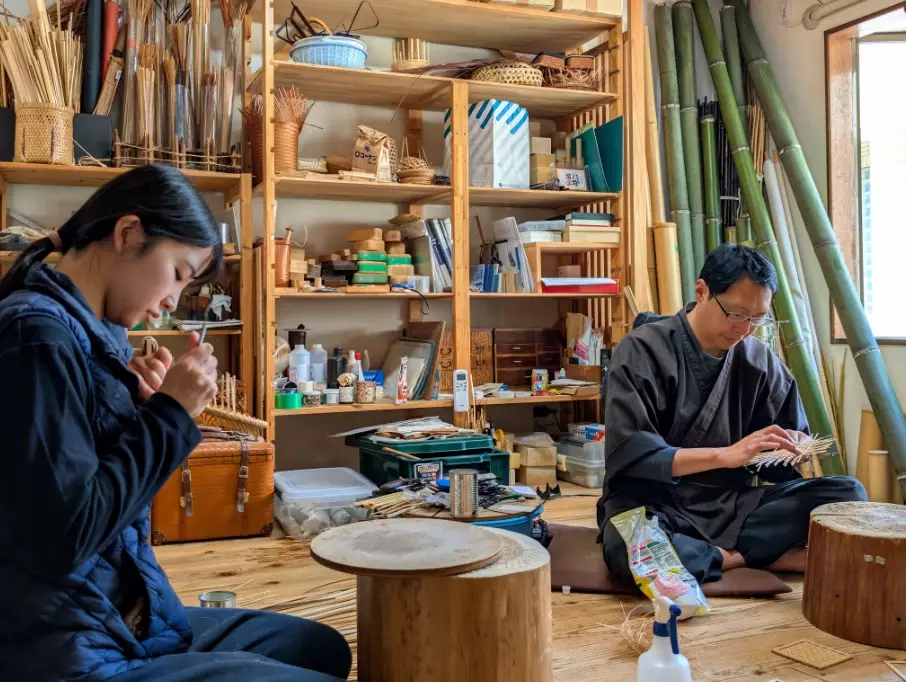
2. Nishijin Weaving Workshop at Orinasu-kanAddress: 67 Nishijin-dori, Kamigyo-ku, Kyoto. Take bus 9 from Kyoto Station to Horikawa-Imadegawa stop, then walk 5 minutes. Hours: 10:00 AM to 4:00 PM, closed on Wednesdays. Cost: ¥6,000 for a 2-hour session where you weave a small coaster on a handloom. This is Kyoto's textile heartland, and the workshop is inside a restored machiya (traditional townhouse). They provide all tools, and you'll learn about kimono fabrics. My tip: Go in the morning when light floods the room—it's perfect for photos. But be warned: the process is meticulous. If you're impatient, you might find it slow, but that's the point. It teaches patience, something most tours skip.
3. Kyo-yuzen Dyeing at MarumasuLocated at 34 Shimogyo-ku, Kyoto, near Nishiki Market. Open from 11:00 AM to 6:00 PM, with last entry at 4:30 PM. No reservation needed for basic sessions, but for advanced ones, book online. Price starts at ¥3,500 for a 60-minute session to dye a handkerchief. Kyo-yuzen is a lavish dyeing method used for kimonos, and here, they simplify it for tourists. You use stencils and brushes to create patterns. I appreciate how family-friendly it is; kids as young as five can join. However, the location gets crowded in the afternoon, so aim for weekdays. The staff is friendly but rushed during peak hours, so ask questions early.
These are just starters. There's also lacquerware in Urushi-no-sato or fan-making in Gion. The key is to match the workshop to your energy level. Pottery is messy and active, weaving is meditative, and dyeing is creative but clean. Mix them for a balanced game.
How to Plan Your Kyoto Craft Game Journey
Planning isn't about rigid schedules; it's about flow. Here's a sample day I've used with friends, and it works like a charm.
Start early at Kiyomizu Pottery—say, 10:00 AM session. After getting clay on your hands, wash up and grab lunch at a nearby soba spot (I recommend Owariya on Sannenzaka). Then, head to Nishijin Weaving for a 2:00 PM slot. The area is quiet, so stroll around after. End with Kyo-yuzen Dyeing around 4:00 PM, since it's flexible. Total cost: roughly ¥14,000 per person, including lunch. Transportation? Use a one-day bus pass (¥700) or taxi between districts (about ¥1,500 per ride).
If you're short on time, focus on one workshop per day. Spread them across your trip to avoid craft fatigue. I once crammed three in one day and ended up with sore hands and zero appreciation. Lesson learned.
Booking is crucial. Many workshops list on platforms like Voyagin or through the Kyoto Official Travel Guide, but direct booking via their websites often gets discounts. For example, Rokuro-an offers 10% off for early birds. Also, check seasonal closures; some shut in August for Obon.
Budget-Friendly Moves
Not all experiences break the bank. Look for shorter sessions or group discounts. Marumasu's basic dyeing is under ¥4,000, and some community centers offer cheaper classes—like the Kyoto Municipal Museum of Art workshops, though they're less tourist-oriented. If money's tight, skip the firing service at pottery places; you can take home an air-dry piece for less.
Common Mistakes and Pro Tips from a Local
I've seen tourists blow their Kyoto Craft game with simple errors. Let's fix that.
First, overbooking. People jam workshops back-to-back, then rush through. Crafts need time to sink in. Leave at least two hours between sessions for travel and reflection. Second, ignoring location. Kyoto's traffic is notorious. A workshop in Arashiyama might seem cool, but if you're staying in Gion, it's an hour away. Cluster activities by district. Use Google Maps—it's accurate for bus times here.
Another pitfall: expecting instant mastery. You're not becoming a master in 90 minutes. Embrace the imperfections. My first pottery cup looked lopsided, but it's my favorite souvenir. Artisans appreciate effort over perfection.
Dress smart. Wear clothes you don't mind getting dirty. For pottery, avoid long sleeves; for weaving, loose fabrics can get tangled. And bring cash—some smaller spots don't take cards.
My secret tip: visit workshops on weekdays, especially Tuesday to Thursday. Weekends are packed with locals. Also, engage with the artisans. Ask about their journey. At Rokuro-an, Mr. Tanaka once shared stories of his apprenticeship—that's the real gold you won't find in guidebooks.
Your Burning Questions Answered (FAQ)
 What if I don't speak Japanese? Will I still enjoy the experience?
 That wraps up the Kyoto Craft game. It's more than an activity; it's a way to touch history. Skip the generic tours and dive into these hands-on experiences. You'll leave with more than souvenirs—you'll have stories and skills. For further reading, check out the Kyoto City Tourism Association's craft section or Japan National Tourism Organization's guides. Now, go get your hands dirty!
Share Your Thoughts