Forget the sterile glass cases of high-end galleries. The real soul of Tokyo's antique scene breathes in the open air, under the occasional drizzle, amidst the chatter of dealers and the clink of porcelain. That's the Oedo Antique Market. Held just twice a month, it's not just a market; it's a monthly event, a pilgrimage for collectors, and a chaotic, wonderful assault on the senses. If you're looking for a mass-produced souvenir, stay in Akihabara. If you want a fragment of Japanese history you can hold in your hands—a chip in a 19th-century bowl that tells a story, a faded indigo pattern on a vintage kimono—this is your place.
I've been going for years. I've bought beautiful things and I've overpaid for junk. That's part of the learning curve. This guide is about skipping the mistakes and going straight to the good stuff.
Your Quick Jump Menu
The Nuts and Bolts: When, Where, and How to Get There
Let's get the practicalities out of the way. This market is famously irregular if you don't know the schedule.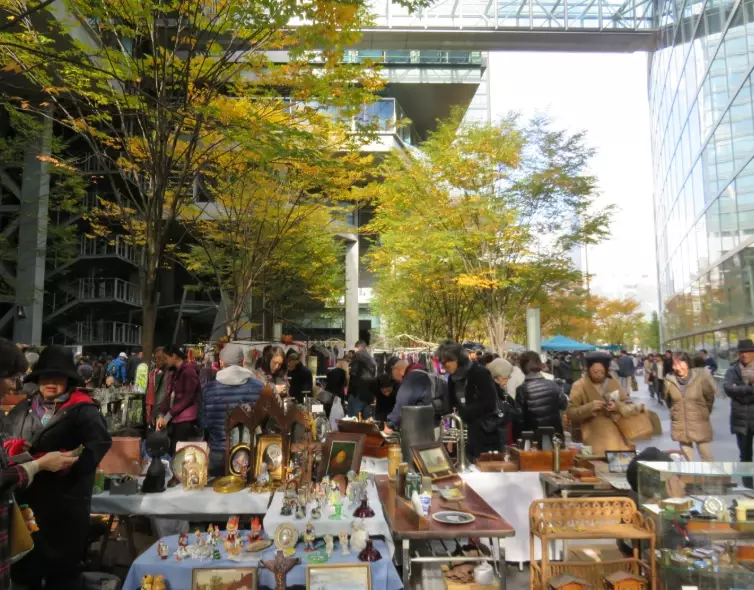
The Core Fact: The Oedo Antique Market is held on the first and third Sundays of every month, with rare exceptions for weather or national holidays. It almost never moves. It runs from sunrise (around 5:30-6:00 AM for the hardcore dealers) until about 3:00 or 4:00 PM. The peak crowd time is between 9:00 AM and 1:00 PM.
It takes over the ground-floor plaza of the Tokyo International Forum in Yurakucho. You can't miss the building—it's a massive, curved glass structure that looks like a futuristic ship. The market sprawls in its shadow.
| Detail | Information |
|---|---|
| Official Name | Oedo Antique Market (大江戸骨董市) |
| Frequency | 1st & 3rd Sunday of the month |
| Hours | Approx. 6:00 AM - 3:30 PM (public hours from ~9:00 AM) |
| Address | Tokyo International Forum Ground Plaza, 3-5-1 Marunouchi, Chiyoda City, Tokyo |
| Admission | Completely Free |
| Nearest Stations | Yurakucho Station (JR Yamanote Line, Tokyo Metro Yurakucho Line) - 2 min walk. Tokyo Station (Marunouchi South Exit) - 5-7 min walk. |
Getting there is straightforward. From Yurakucho Station, follow the signs for the Tokyo International Forum. You'll see the stalls before you see the building's main entrance. My pro-tip? Come from the Tokyo Station side. The walk through the Marunouchi business district is quieter, and you approach the market from a less crowded angle.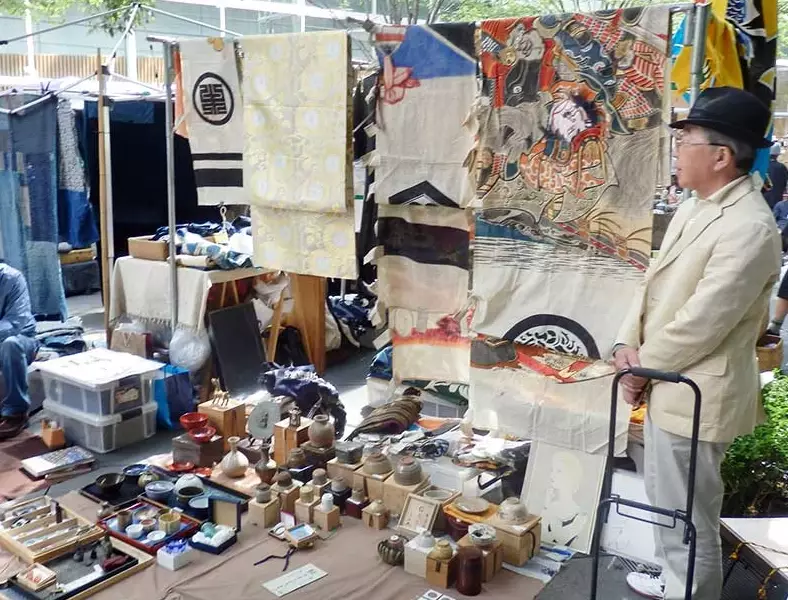
How to Hunt for Treasure (And Not Get Ripped Off)
Walking into the Oedo Market can be overwhelming. Hundreds of stalls, thousands of items. The rookie mistake is to start buying at the first few stalls near the entrance. The vendors there know they get the foot traffic, and prices can be stiffer. Walk the entire perimeter first. Get a lay of the land.
The Art of the Bargain
Bargaining is expected, but it's a subtle dance, not a street bazaar haggle. Here’s what most guides don’t tell you: your demeanor matters more than your technique. A smile and a polite inquiry go further than aggressive negotiation.
- For items with a price tag: If you're buying multiple items from one stall, that's your leverage. Point to two or three things and ask, "Kore de, ikura?" (How much for these together?). A 10-15% discount is common.
- For items without a clear price: Ask "Ikura desu ka?" The vendor will assess you and give a number. If it feels high, a thoughtful pause followed by a slightly lower, rounded counter-offer works. "35,000 yen? Hmm... 28,000 yen wa ikaga desu ka?" (How about 28,000 yen?).
- Cash is king. Waving a stack of yen notes can often secure a deal that a credit card won't.
One personal rule: I never bargain on items already priced below 2000 yen. The effort isn't worth it, and you build better rapport by paying the asking price for small treasures.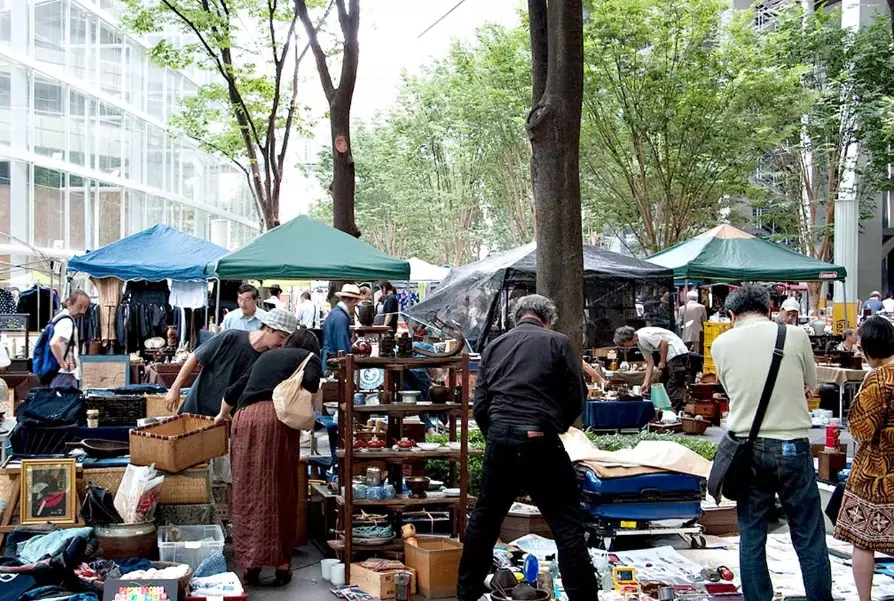
Spotting Quality vs. Tourist Trash
This is the real skill. You'll see stalls selling obvious modern reproductions of ukiyo-e prints or "antique" swords of dubious origin.
For ceramics, turn the piece over. Look at the foot ring. Is the glaze applied unevenly, pooling slightly? That's often a sign of age and handcrafting. Is it perfectly uniform, with a sanded, modern feel? Likely new. For tansu (chests), the metal fittings should show wear consistent with the wood, not look brand new on old wood.
Don't be shy to ask, "Kore wa itsu goro no mono desu ka?" (Approximately what era is this from?). A knowledgeable seller will tell you Meiji, Taisho, Showa. A vague answer is a red flag.
What You Can Actually Find (A Collector's Breakdown)
The market's offerings are vast. To make sense of it, think in categories.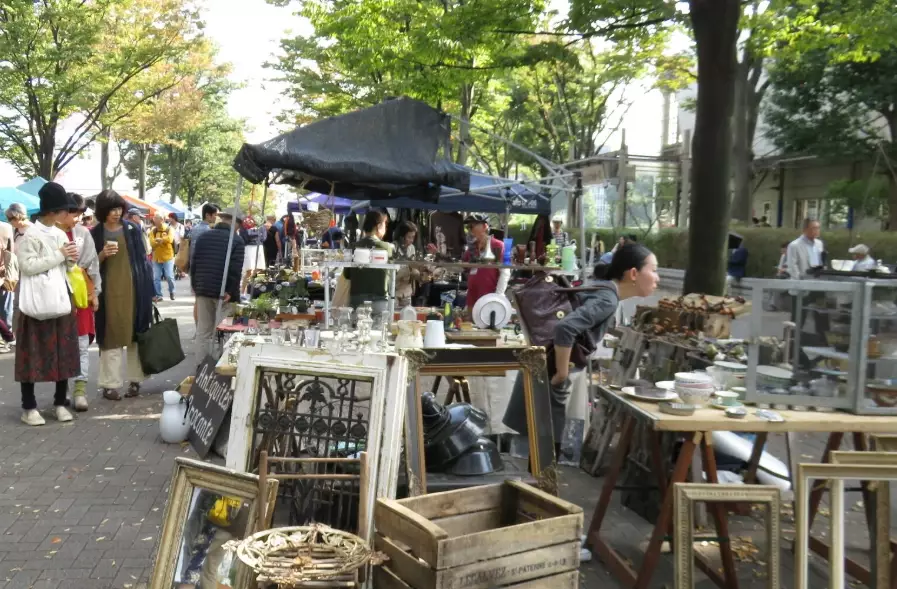
Textiles & Kimono: This is a major highlight. You'll find entire stalls dedicated to vintage kimono, obi sashes, and fabric bolts. A whole kimono can be expensive and cumbersome, but obi are manageable. Look for intricate embroidery and metallic threads. A common hack? Buy a damaged but beautiful obi for a fraction of the price and frame it as textile art.
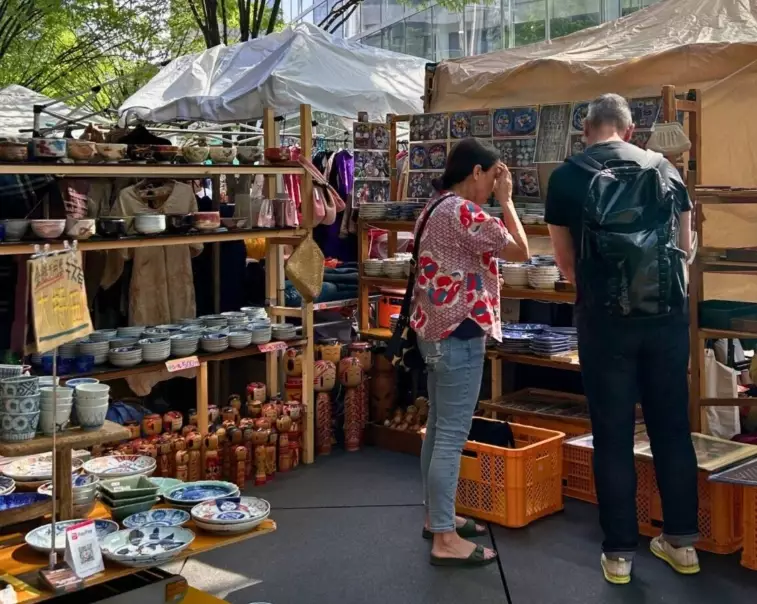
Ceramics & Pottery: From humble, crackled Bizen ware to elaborate, multi-colored Kutani porcelain. Small sake cups (guinomi) and tea bowls (chawan) are excellent starter pieces. I found a stunning, slightly lopsided Showa-era chawan for 4000 yen because the glaze had a tiny crack. It's my favorite tea bowl.
Metalwork & Samurai Items: This is where you need knowledge. You'll see tsuba (sword guards), inro (medicine cases), and kiseru (pipes). Authentic, signed pieces command high prices. Many are sold as decorative collectibles. A beautiful, unsigned Edo-period tsuba with a dragon motif can be had for a few hundred dollars.
Everyday Showa Nostalgia: My personal favorite section. Tin toys, old enamel advertising signs, retro coffee shop mugs, post-war lithograph posters. This is more affordable and bursts with personality. It's where you find the piece that sparks joy, not just investment.
Avoid large furniture unless you have serious shipping plans. Focus on what you can carry home.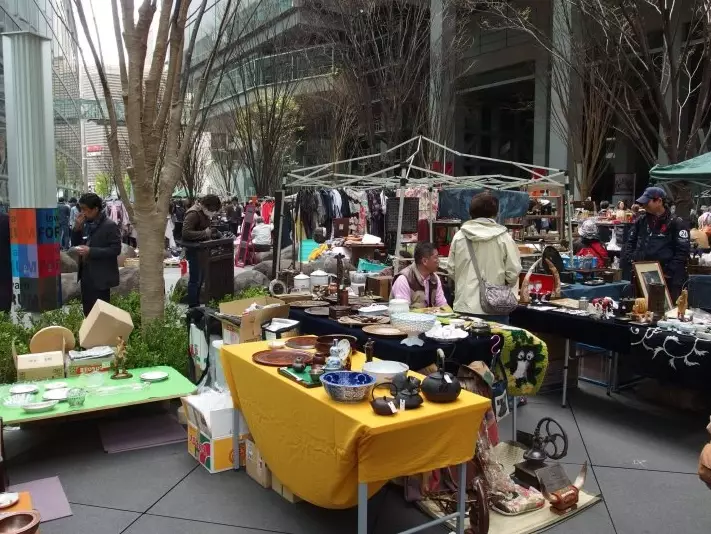
Planning Your Visit: A Realistic Itinerary
Let's map out a perfect market day.
8:30 AM: Arrive. The early bird rush is calming down, but the best stuff is still out. Grab a coffee from one of the Forum's cafes first.
9:00 - 11:30 AM: First sweep. Don't buy anything yet. Walk every aisle. Take photos of items and stall locations that catch your eye. Note prices.
11:30 AM: Lunch break. Escape the crowds. The Forum has decent restaurants, or wander into the Yurakucho area for classic yakitori under the train tracks.
1:00 PM: Second, targeted sweep. Now you know what you want. Go back to your shortlisted items. This is when you negotiate. Vendors are more likely to deal as packing-up time approaches.
2:30 PM: Final decisions. Make your purchases. Some stalls start packing by 3:00 PM.
After: Your feet will hurt. The Ginza shopping district is a 10-minute walk south for a modern contrast. Or, head into Tokyo Station's labyrinthine Depachika (department store food basement) for a well-earned pastry.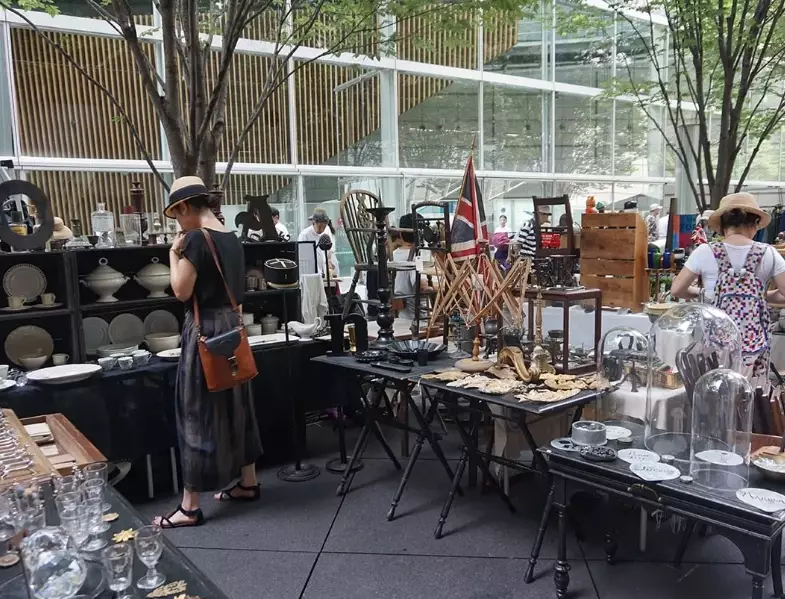
Your Burning Questions, Answered
What is the best strategy for bargaining at the Oedo Antique Market?
Start by observing the seller. If they seem busy or disinterested, bargaining might be tough. For items without a clear price, ask "Ikura desu ka?" (How much?). Offer 20-30% lower than the initial asking price, but be ready to meet in the middle. Cash works best for negotiations. The key is to be polite and smile – a friendly approach gets you much further than a demanding one.
How do I avoid buying fake or reproduction items at a Tokyo flea market?
Examine items closely. Look for maker's marks, stamps, or signatures. For ceramics, check the foot ring for glaze consistency and wear patterns – machine-made modern pieces look too perfect. For woodblock prints, real ones have texture from the wood grain pressed into the paper. Don't hesitate to ask the vendor about an item's history; reputable sellers are often proud to share it. If a "100-year-old" ukiyo-e print looks brand new and costs $20, it's likely a reproduction.
Is the Oedo Antique Market worth visiting if it rains?
It can be a hidden advantage. Vendor turnout is lower, but so is the crowd. Serious collectors still show up. Stalls have tents, but bring an umbrella and wear waterproof shoes. Some vendors might be more eager to sell before packing up, potentially leading to better deals. The atmosphere is more relaxed, allowing for longer conversations with sellers.
What are the top items to look for at the Oedo Market for a first-time visitor?
Focus on portable, authentic items: vintage kimono fabrics (obi sashes make great wall art), mid-century Japanese ceramics like Kutani or Imari ware, and small Edo or Meiji-era metalwork (inro, netsuke, tsuba). Post-war toys and advertising posters are also popular and often more affordable. Avoid large furniture unless you have shipping plans. Start with smaller pieces to build confidence in identifying quality.
The Oedo Antique Market is more than shopping; it's a connection point. You're holding an object that passed through other hands, in another time. You're participating in a cycle that's been going on for centuries in this city. Go with curiosity, a bit of cash, and comfortable shoes. You might just find a piece of Tokyo's soul to take home with you.


Share Your Thoughts