The idea of a Japanese onsen is alluring—natural hot springs, serene settings, deep relaxation. But for many women, especially first-time visitors, the anticipation is mixed with a heavy dose of anxiety. What are the rules? What do I do? Will I make a fool of myself? I remember my first time, clutching my tiny towel, mentally rehearsing steps I'd read online, convinced everyone would know I was a clueless foreigner.
Here's the truth they don't always tell you: everyone is focused on their own relaxation. The etiquette exists not to judge you, but to ensure a clean, quiet, and respectful shared experience. Once you know the steps, it becomes a simple, almost meditative ritual. This guide strips away the mystery and gives you the clear, actionable knowledge you need to walk into any women's onsen with confidence.
What to Expect in This Guide
- Mindset Matters: Getting Over the Nudity Hurdle
- Pre-Bath Prep: What to Bring & Wear
- Entering the Changing Room: Your First Steps
- The Non-Negotiable Washing Ritual
- In the Bathing Area: The Core Dos and Don'ts
- Navigating Special Situations (Tattoos, Periods, Hair)
- Post-Bath: Drying Off and Exiting Gracefully
Mindset Matters: Getting Over the Nudity Hurdle
Let's address the elephant in the changeroom first. Yes, you will be completely nude. No, you cannot wear a swimsuit or underwear. This is the single biggest source of anxiety, but also the first key to fitting in.
In the onsen, nudity is neutral. It's not sexualized; it's simply the default state for bathing. Everyone is in the same situation. Japanese women of all ages, shapes, and sizes are there, utterly unconcerned. The focus is on the therapeutic water and quiet contemplation, not on comparing bodies. The initial awkwardness lasts about 60 seconds. Once you're in the hot water, the relaxation takes over. Keep your eyes at face-level or admire the scenery (rocks, gardens, wooden architecture), not other bathers. Staring is a major breach of etiquette.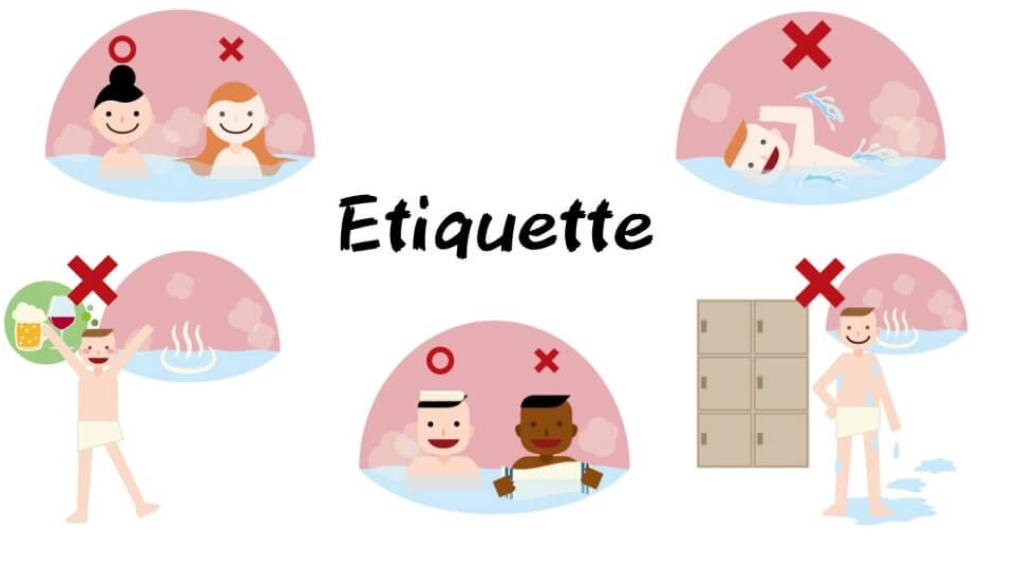
Pre-Bath Prep: What to Bring & Wear
Most onsens provide shampoo, body wash, and conditioner. Some higher-end ones have fancy brands, but basics are always there. You can bring your own if you have sensitive skin. Your essential personal items are:
- A small towel (手拭い tenugui): This is your multi-tool. You'll use it to wash (not in the bath!), cover modesty while walking, and finally to dry off. You can buy one at the front desk (usually 200-500 yen) or bring your own. A facecloth-sized towel is perfect.
- A larger towel: This stays in the changing room locker. You use it to dry your body completely after you're done bathing and before you re-enter the changing area.
- Skincare & a hair tie: The mineral water can be drying. Bring moisturizer. A strong hair tie is crucial for tying up long hair.
Wear easy-on, easy-off clothes to the facility. Complicated outfits with lots of buttons or layers are just annoying when you're eager to get in or tired coming out.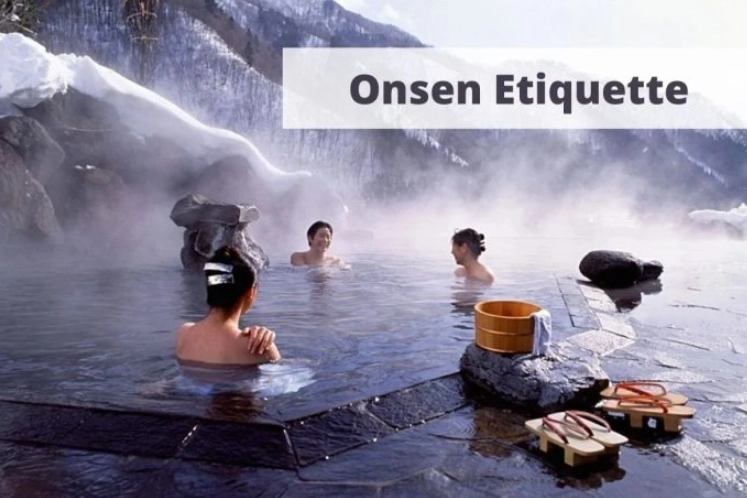
Entering the Changing Room: Your First Steps
Find the curtain or door marked 女湯 (onna-yu) or 「女性」 (josei) for women. Inside, you'll see lockers and benches.
- Find a locker or basket. Some places have electronic bracelets, others use old-fashioned keys.
- Undress completely. Place all your clothes, jewelry, and your large towel in the locker. Leave your phone here—absolutely no photography is permitted anywhere beyond this point.
- Take only your small towel with you. Nothing else. Walk through the door into the washing and bathing area.
The Non-Negotiable Washing Ritual
This is the cornerstone of onsen hygiene. You must wash your body thoroughly before entering any shared bath. Think of the baths as a communal soup pot—you rinse off all the dirt and soap before getting in, not while you're in it.
You'll see a row of shower stations with a stool, a basin, a shower head, and soap/shampoo dispensers.
- Claim a station. Sit on the stool. This keeps water and suds contained to your area.
- Rinse your body and hair first using the shower or basin to wet yourself.
- Lather up. Use the provided soap/shampoo. Wash every part of your body. Use your small towel to scrub your back if needed.
- Rinse everything off. This is critical. Rinse your body, your stool, the floor around you, and make sure no shampoo suds are left in your hair. Check behind your ears and neck.
- Wring out your small towel and place it either on your head (common), on the side of your station, or neatly folded next to you. Do not let it dangle in the washing runoff area.
Now you are clean and ready to enter the baths.
In the Bathing Area: The Core Dos and Don'ts
Towel Tactics: Your Modesty Manager
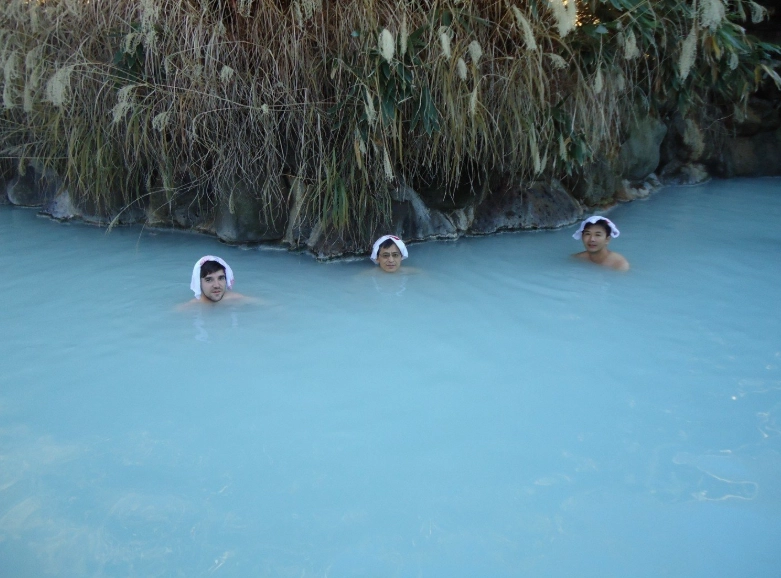
You can't wear it in the water, but you use it to walk from your shower station to the bath. Most women either place it on their head, hold it in front casually, or fold it and carry it. You can also tuck it into a bun on top of your head. When you reach the bath, place the towel on the side of the bath (not in the water) or back on your head. Do not let it soak in the bath water. That's considered dirty.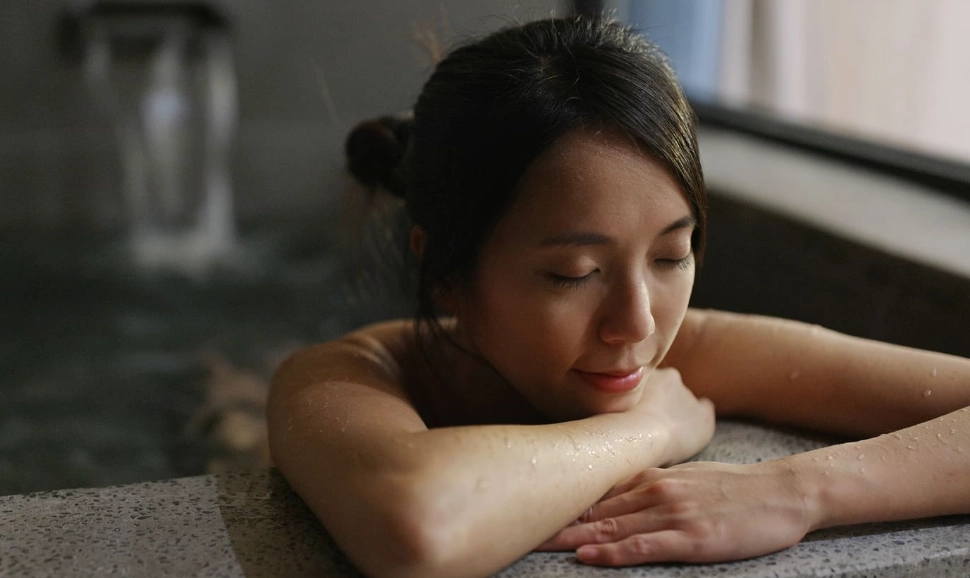
Bath Behavior: Soaking the Right Way
- Enter slowly and quietly. Use the provided steps. No splashing.
- Find a spot without crowding others. If it's busy, a slight nod is a polite greeting.
- Keep the towel out of the water. Place it on the edge, on a rock, or keep it on your head.
- Relax silently. Conversations should be in very low whispers, if at all. This is a quiet zone. The sound of water is the soundtrack.
- Don't swim or walk around. Soak, sit, maybe move to a different temperature bath, but no vigorous activity.
- Never put your head under the water. Hair and face oils contaminate the water.
- Get out if you feel dizzy. The heat can be intense. Sit on the edge for a minute to cool down.
Navigating Special Situations (Tattoos, Periods, Hair)
These are the questions that cause real anxiety.
Tattoos: This is a firm rule with historical roots. Many (but not all) onsens ban tattoos outright. Your small, meaningful tattoo is lumped in with full-body yakuza ink. You must check the policy in advance. Search for "tattoo-friendly onsen" in your area. Some larger, modern facilities allow them, or you can rent a private bath (kashikiri-buro). Covering a tattoo with a large waterproof bandage might work at some places, but don't count on it. It's better to find a place that explicitly allows them. The Japan National Tourism Organization has lists of tattoo-friendly onsens, which is a reliable source to check.
Menstruation: If you're using a tampon or menstrual cup, it's generally fine. The rule is about blood entering the water. Change it right before entering and after. If you're using pads, you cannot bathe, as you wouldn't be nude.
Long Hair: It must be tied up and kept completely out of the bath water. A high bun is best. Some places provide disposable shower caps for hair.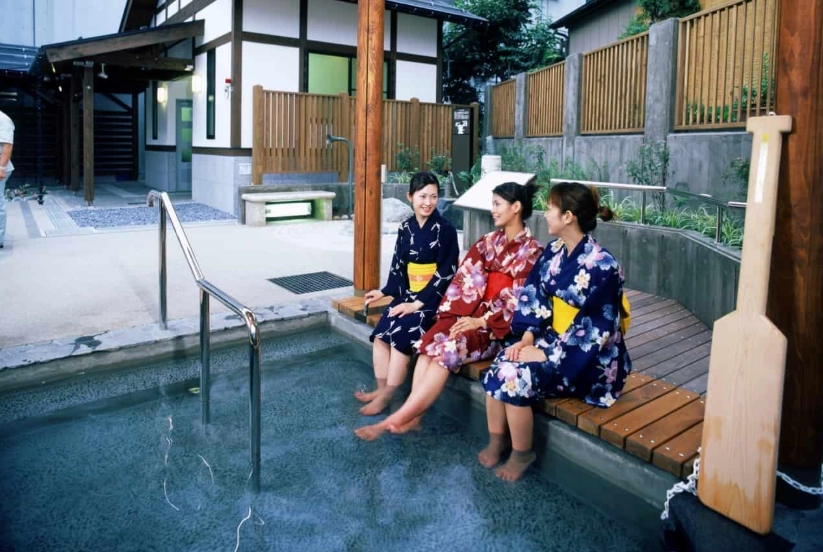
Post-Bath: Drying Off and Exiting Gracefully
When you're done soaking:
- Return to your shower station.
- Give yourself a quick, light rinse with fresh water (no soap this time) to wash off the mineral residue.
- Wring out your small towel and use it to pat yourself down as you walk back to the changing room door. The goal is to not drip water all over the changing room floor.
- Once in the changing room, use your large towel from your locker to dry yourself completely.
- Get dressed. Many women use the provided vanity areas to apply moisturizer and do their hair.
- Drink the water or milk often sold outside the baths—rehydrating is important!
Quick Answers to Common Concerns
What should I do if I have my period and want to use an onsen?
It's generally acceptable to use an onsen while menstruating if you use a tampon or menstrual cup. The key is ensuring no blood enters the bath water. Change your product right before entering and immediately after exiting. Be mindful of your comfort and energy levels; the hot water can sometimes intensify cramps. If you're using a pad, it's not appropriate as it would be worn under your towel in the changing area and is not suitable for bathing.
I have a small tattoo. Can I still visit an onsen?
This is a major point of confusion. The tattoo ban stems from their historical association with organized crime (yakuza). While attitudes are slowly changing, many traditional onsens maintain a strict "no tattoos" policy, regardless of size or meaning. Your best bet is to search specifically for "tattoo-friendly onsen" or "onsen allowing tattoos" in your destination. Many modern or tourist-focused facilities now permit them, and some offer waterproof tattoo covers (ask at reception). Always check the website or call ahead to avoid disappointment at the door.
Is it rude to wear my swimsuit in the bathing area?
Yes, wearing any clothing, including swimsuits, in the shared bath is considered unhygienic and is almost universally prohibited. The entire onsen ritual is based on cleaning your body *before* entering the shared, clean hot spring water. Fabrics can introduce detergents, lint, and bacteria. Everyone is nude, and after the initial minute of self-consciousness, you realize nobody is paying attention. Focus on the relaxing water, not on what you look like. If modesty is a serious concern, look for "kashikiri" (private rental) baths you can book for your group.
How do I handle my long hair in the onsen?
Hair should never touch the bath water. Before getting into any bath, tie long hair up into a bun or high ponytail. Some facilities provide small shower caps for this purpose. The reason is simple hygiene—hair carries oils and products. During the pre-bath shower, you can wash your hair, but ensure you rinse all shampoo and conditioner off completely before moving to the baths. Leaving residue in the bath is a serious faux pas. A pro tip: bring a small, strong hair tie that won't snap in the heat and humidity.
 The etiquette isn't about rigid rules for rules' sake. It's a shared agreement for purity, peace, and respect. Follow these steps, and you'll not only avoid offending anyone, you'll unlock the true, profound relaxation that makes the onsen experience so special. Now go enjoy that soak.
Share Your Thoughts