You're in Kyoto, surrounded by ancient temples and serene gardens, but you want something more than just photos. You want to touch the history, to feel the grain of wood under your fingers, to shape clay that has been formed in this city for centuries. That's where Kyoto's traditional craft workshops come in. They're not just activities; they're portals into the soul of the city. But with dozens of options, how do you find the best traditional craft workshops in Kyoto that match your skill level, time, and genuine interest?
I've spent years exploring these workshops, from the wildly popular to the hidden gems where the master's hands move with a quiet, decades-honed rhythm. The biggest mistake I see visitors make? Choosing a workshop based on Instagramability alone, only to find themselves rushed through a cookie-cutter experience. The real magic happens when the craft chooses you.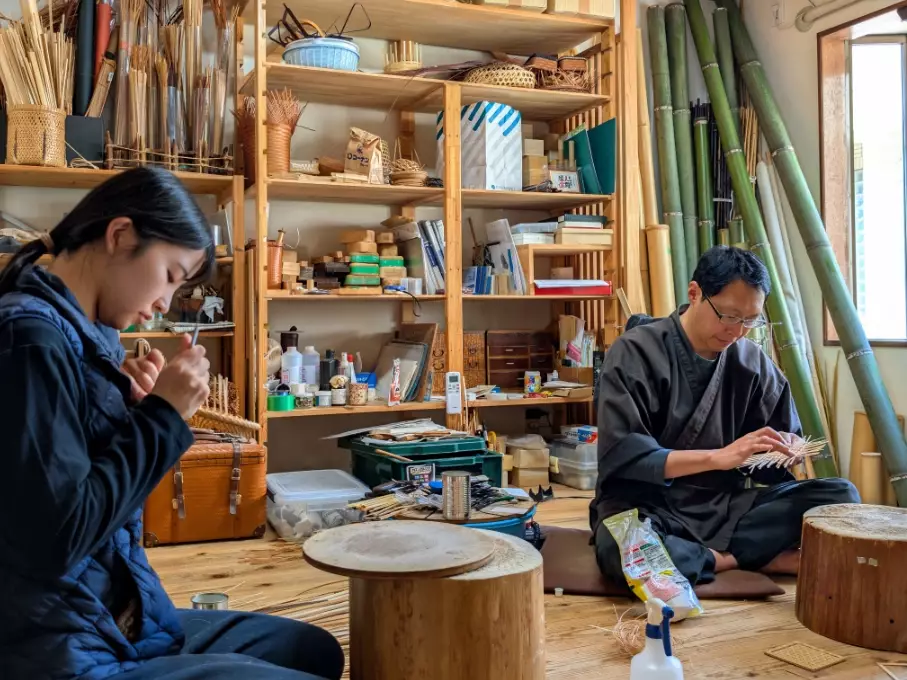
Your Kyoto Craft Workshop Jumpstart
Top Kyoto Craft Workshops at a Glance
Let's cut to the chase. Here’s a curated list of standout Kyoto craft workshops that consistently deliver quality, authenticity, and a memorable hands-on experience in Kyoto. I've included a range to suit different tastes and schedules.
| Workshop Name / Craft | Area | Experience Length & Price (Approx.) | Why It's Special |
|---|---|---|---|
| Kiyomizu Pottery (Kiyomizu-yaki) | Higashiyama (near Kiyomizu-dera) | 90-120 mins / 3,500 - 5,500 JPY | The quintessential Kyoto craft. You paint a pre-formed piece (like a cup or plate) with traditional patterns. It's fired and shipped to your home country. Perfect for beginners and those short on time. |
| Woodblock Print (Ukiyo-e) Carving & Printing | Central Kyoto (near Karasuma) | 2.5 - 3 hours / 7,000 - 10,000 JPY | An incredibly detailed and meditative process. You carve your design into a woodblock and then print it. Challenging but immensely satisfying. Often taught by practicing artists. |
| Indigo Dyeing (Aizome) | Arashiyama / Nishijin | 60-90 mins / 2,500 - 4,000 JPY | Fast, fun, and wearable. You tie-dye a cotton handkerchief, scarf, or tenugui (thin towel) in beautiful indigo blues. The transformation when you untie it is pure joy. |
| Wagashi (Traditional Sweet) Making | Gion / Pontocho | 60-75 mins / 3,000 - 4,500 JPY | A delicious foray into edible art. You shape sweet bean paste into seasonal flowers and leaves using special tools. You get to eat your creations with matcha tea afterward. |
| Furoshiki (Cloth Wrapping) & Knot Dyeing | Various (often in cultural centers) | 60 mins / 2,000 - 3,000 JPY | Surprisingly practical and eco-friendly. Learn the art of wrapping gifts and goods with cloth. Some workshops combine it with simple stencil dyeing to make your own furoshiki. |
How to Choose the Right Kyoto Craft Workshop for You
Picking from the list above is one thing. Making sure it's the best traditional craft workshop in Kyoto for *you* is another. Don't just think about the craft; audit your own trip.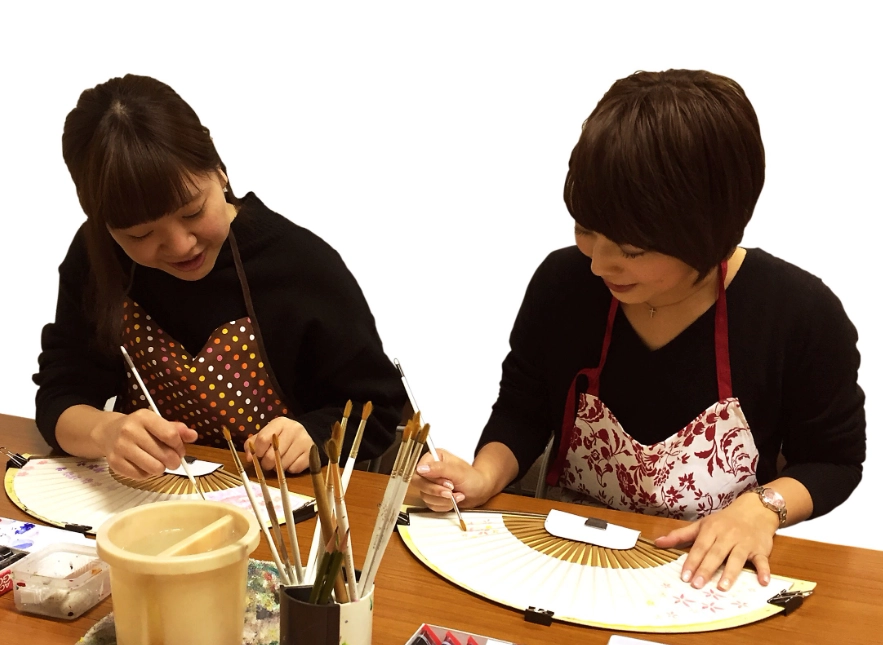
Factor 1: Your Available Time (The Realistic View)
Be brutally honest. A 3-hour woodblock print class is fantastic, but if you've only allocated a morning for Arashiyama, it's a poor fit. Remember to account for:
Travel to/from the studio: Kyoto's buses are reliable but slow.
The experience itself: The listed time is usually the minimum.
Drying/Cleaning up: You'll often chat with the master or other participants afterward.
My rule: If the workshop is 2 hours, block out 3.5 hours for the entire endeavor.
Factor 2: Your "Take-Home" Desire
What do you want to walk away with?
- A usable, finished product same-day: Indigo dyeing, furoshiki, sometimes wagashi (you eat it!).
- A finished product shipped later: Pottery (needs firing), glasswork.
- The skill itself: More advanced courses in bookbinding or metalwork focus on process over a polished final piece.
If you hate waiting, a pottery painting workshop where they ship it might cause anxiety. Go for indigo.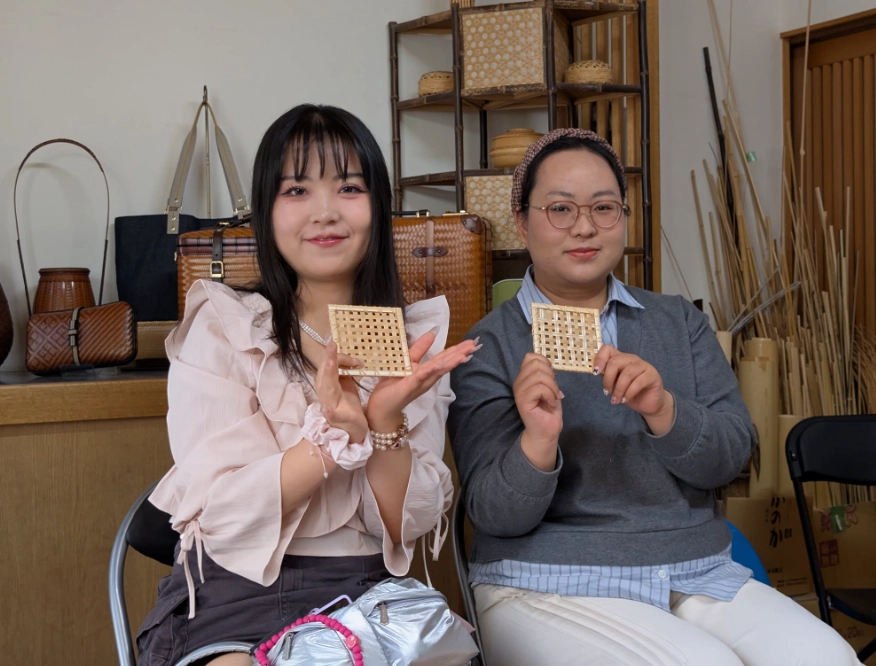
Factor 3: Language & Depth Barrier
Many workshops have simple English instructions. But the profound cultural context often gets lost. I once joined a traditional crafts Kyoto session on incense blending where the master's explanations about seasonal ingredients were so poetic, the translator just smiled and said, "He says it smells like autumn mountain." It was perfect. If you want deep philosophy, seek out workshops with dedicated cultural interpreters or masters who speak some English and love to teach.
Booking & Insider Tips They Don't Tell You
Okay, you've chosen. Now, how do you secure your spot and make the most of it?
Booking Channels:
- Direct Website (Best): Often has the most time slots and best price. Use Google Translate.
- Platforms like Voyagin or Klook (Good for convenience): Reliable, in English, sometimes packaged with other tickets. You might pay a small premium.
- Your Hotel Concierge (A mixed bag): Great for last-minute or obscure finds. But they may only recommend their standard partners.
The Timing Trick: Book the first session of the day. The materials are fresh, the master is most attentive, and you're not watching a clock because the next group is waiting. I've been to afternoon sessions where the indigo vat was exhausted, producing paler blues.
What to Wear: This isn't a fashion show. Wear clothes you don't mind getting a little dirty. For pottery or dyeing, avoid long, loose sleeves. For sitting on tatami floors (common in wagashi classes), comfortable pants are a must.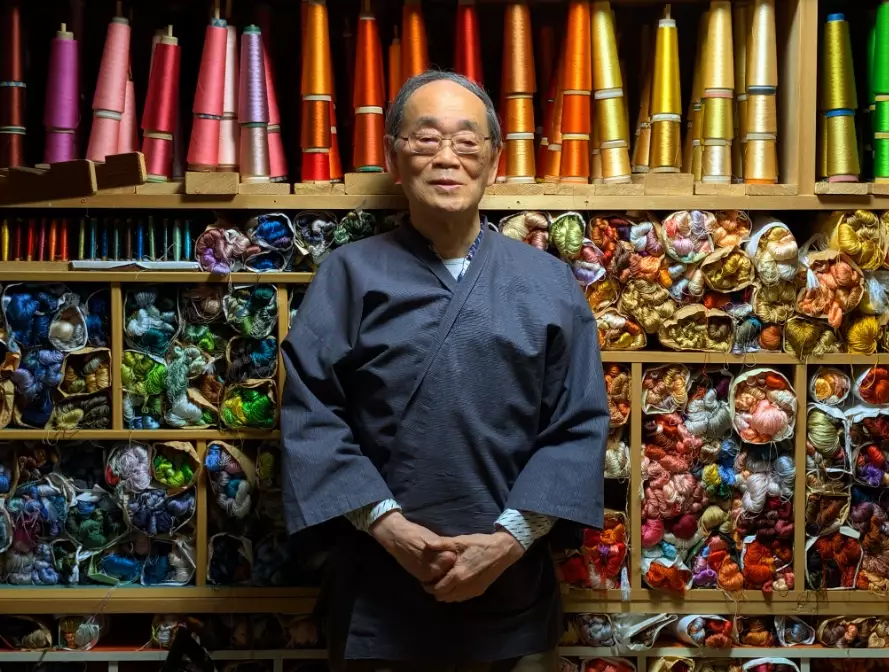
Workshop Culture & Etiquette: Blending In
This is where you transition from tourist to temporary apprentice. A few unspoken rules:
Punctuality is Respect: Arrive 5-10 minutes early. Many studios are also homes or private spaces; ringing the bell exactly at your start time is disruptive.
Listen First, Ask Later: The master will demonstrate. Watch their entire process before raising your hand. The sequence of actions is often as important as the actions themselves.
Embrace the Imperfect: Your first piece of traditional crafts Kyoto will not be perfect. It shouldn't be. The slight wobble in your brushstroke, the uneven tie in your shibori – that's your hand in the centuries-old story. Masters often find more charm in a sincere, flawed piece than a technically correct but soulless one.
The "Thank You": A simple, heartfelt "arigatou gozaimashita" with a bow at the end means more than a tip (tipping is not customary and can be awkward).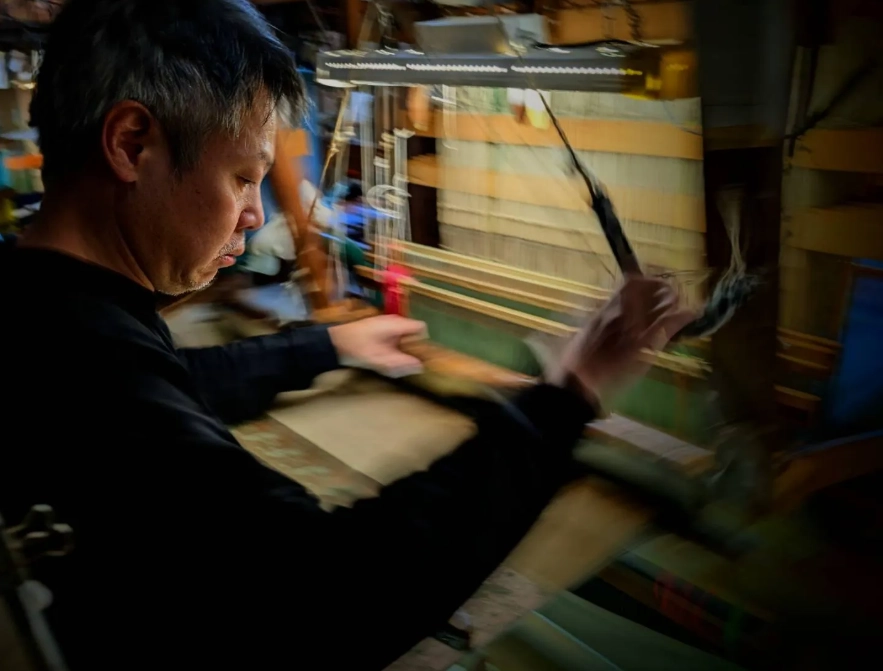
Your Kyoto Craft Workshop Questions, Answered
I only have a half-day free. Is it worth doing a craft workshop in Kyoto, or should I just visit another temple?
It depends on your travel style. If you're on a strict temple-and-shrine checklist, maybe not. But if you're feeling templed-out, a 90-minute workshop can be a rejuvenating, active break. It engages a different part of your brain and memory. You'll leave with a neural memory of the action, not just a visual one. For a half-day, choose something in a district you're already exploring, like indigo in Arashiyama or pottery near Kiyomizu-dera, to minimize transit time.
I'm not very artistic or crafty. Can I still enjoy a Kyoto craft workshop?
Absolutely. In fact, beginners are the primary audience for most tourist-facing workshops. The processes are designed to be accessible. The goal isn't to create a masterpiece for a museum; it's to understand the material and the basic steps. The masters are expert guides. I've seen countless people say "I have no talent" produce something beautiful because they followed the clear, patient instructions. Let go of the outcome and focus on the doing.
 How far in advance do I need to book the best workshops?
For the most popular and high-quality small studios, 2-4 weeks in advance is safe, especially for peak seasons (cherry blossom, autumn foliage) and weekends. Some, like specific woodblock masters, book out months ahead. Larger operations or those attached to cultural centers might have same-day availability. My strategy is to identify my top 2 choices and book the one with the stricter policy first, as soon as my travel dates are firm.
Are these workshops child-friendly? What's a good craft for kids?
Many are, but always check the age policy. Indigo dyeing is a huge hit with kids (around 6+) – it's like a magic trick. Wagashi making can also be fun, though it requires some fine motor skills. Pottery painting is generally okay. Avoid intricate crafts like woodblock printing with young children. Be prepared to manage their expectations and energy level; it's still a structured learning environment, not a playroom.
What's one subtle sign of a truly great workshop versus a tourist trap?
Look at the tools and the workspace. In a tourist trap, everything looks new, generic, and mass-produced for participants. In a great workshop, you'll see signs of real, ongoing craft. The master's personal tools, worn smooth in specific places. Half-finished projects in a corner. Stains on the tables that tell a story. The space feels lived-in by the craft, not just staged for visitors. That's where the authenticity lies.



Share Your Thoughts