Let's cut to the chase. A 3-week trip to Japan is a dream for many, but the big question that stops people is always the cost. Is it astronomically expensive? Can you do it on a budget? The truth is, Japan can fit a range of budgets, but without a clear breakdown, you'll either overspend wildly or stress over every yen. After multiple trips and helping dozens of friends plan theirs, I've found the sweet spot. For a comfortable, immersive three-week adventure—covering major cities, cultural sites, and amazing food—you should plan for a total cost between **$4,500 to $7,500 USD per person** (excluding flights). The variation depends almost entirely on your choices in accommodation, dining, and how many inter-city trips you take.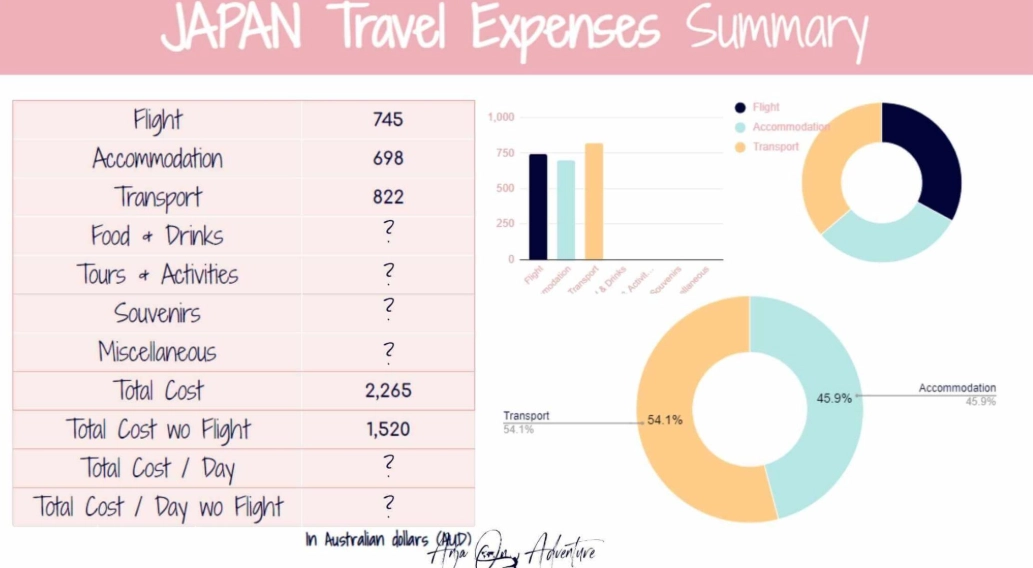
This isn't just another generic list. We're going to dissect where every yen goes, with specific examples from my last trip. You'll get a sample 3-week itinerary with real price tags, learn the one transportation mistake most first-timers make that adds hundreds to their bill, and discover how to splurge wisely while saving in other areas.
Your 3-Week Japan Budget Blueprint
- The Complete 3-Week Japan Budget Breakdown
- Transportation Costs: Navigating the Rail Pass Dilemma
- Accommodation Options: From Capsules to Ryokans
- Food & Dining: How to Eat Like a King on a Budget
- A Sample 3-Week Itinerary with Real Costs
- Expert Money-Saving Tips You Won't Find Elsewhere
- Your Japan Trip Cost Questions Answered
The Complete 3-Week Japan Budget Breakdown
Forget rough estimates. Here’s a detailed table based on a comfortable mid-range travel style for one person. This assumes you're staying in business hotels or nice hostels, using a mix of trains and buses, eating a balance of convenience store meals, casual restaurants, and a few nice dinners, and doing paid attractions most days.
| Expense Category | Budget Range (3 Weeks) | Average Daily Cost | Key Considerations |
|---|---|---|---|
| Accommodation | $1,050 - $2,100 | $50 - $100 | Business hotels ($80-$120/night), hostels ($25-$50), ryokans ($200-$400+ as a splurge). |
| Transportation | $700 - $1,200 | $33 - $57 | Japan Rail Pass, regional passes, IC cards, intercity buses. The biggest variable. |
| Food & Drink | $630 - $1,050 | $30 - $50 | Breakfast from convenience stores ($5), lunch ramen ($10), dinner at izakaya ($20-$30). |
| Activities & Entrance | $300 - $600 | $14 - $29 | Temples ($3-$6), museums ($10-$15), gardens, teamLab Planets, Studio Ghibli Museum. |
| Sim Card / Pocket WiFi | $60 - $100 | N/A (one-time) | Essential for navigation and translations. Pre-book online for better rates. |
| Souvenirs & Misc. | $200 - $500 | $10 - $24 | KitKats, ceramics, snacks, unplanned purchases. |
| TOTAL (excl. flights) | $2,940 - $5,550 | $140 - $264 | A realistic mid-range expectation. Flights add $800-$1,500 from the US/Europe. |
Notice the ranges. A backpacker sticking to hostels, buses, and conveyor-belt sushi can push the total toward $3,000. Someone preferring private rooms in central hotels, the Shinkansen for every leg, and frequent fine dining will easily hit $6,000+. Your itinerary dictates your budget more than anything.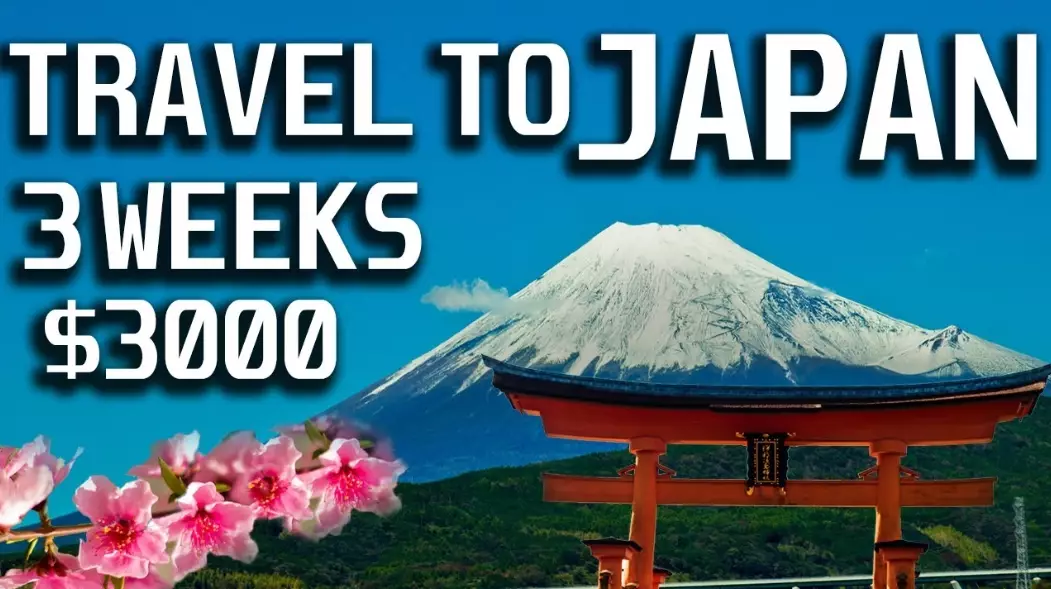
Transportation Costs: Navigating the Rail Pass Dilemma
This is where plans succeed or fail. The iconic Japan Rail Pass (JR Pass) had a massive price hike in late 2023. It's no longer a no-brainer.
For a classic 3-week Golden Route (Tokyo -> Kyoto/Osaka -> Hiroshima -> Tokyo), a 21-day nationwide JR Pass costs around **70,000 yen ($455)**. Do the math: A one-way Shinkansen ticket from Tokyo to Kyoto is about 14,000 yen. A round trip already costs 28,000 yen. Add trips to Osaka, Nara, Hiroshima, and back to Tokyo, and the pass quickly pays for itself. But if your itinerary is slower—say, just Tokyo and Kyoto with day trips—buying individual tickets or using a regional pass (like the JR Kansai-Hiroshima Pass) is cheaper.
Don't forget the humble IC card (Suica or Pasmo). Load it with 5,000 yen initially. It's for all subways, buses, and convenience stores in cities. It's seamless.
Regional Buses: The Budget Savior
For long overnight journeys, like Tokyo to Kyoto, highway buses (Willer Express, JR Bus) are a game-changer. They cost between 6,000 to 10,000 yen one way—half the price of the Shinkansen. You save a night's accommodation and travel time. The seats are comfortable, and buses are punctual. This is the single biggest lever to pull if you need to cut costs.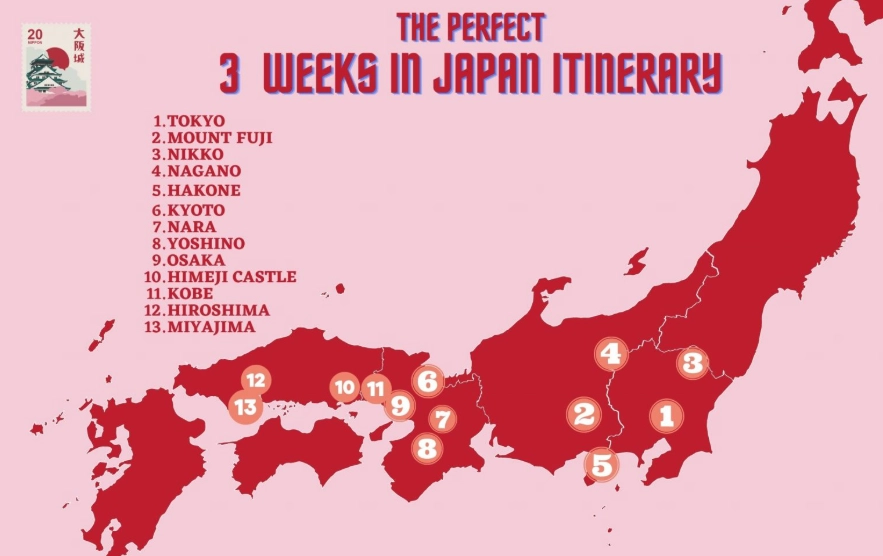
Accommodation Options: From Capsules to Ryokans
Your sleep style dramatically affects your Japan 3 week trip cost.
- Business Hotels (APA, Dormy Inn): The workhorse. Small but impeccably clean rooms, often with free onsen-style baths. Expect **8,000 - 12,000 yen/night** in major cities. Book 2-3 months ahead for best rates.
- Hostels & Guesthouses: Not just for youth. Many offer private rooms. A bed in a clean, modern hostel runs **2,500 - 4,000 yen**. A private room might be **6,000 - 9,000 yen**. Great for socializing. I stayed at Nui. Hostel & Bar Lounge in Tokyo (2-24-1 Kotobashi) – a private room was 9,500 yen, with an incredible downstairs cafe.
- Ryokan (Traditional Inn): A must for at least one night. This is where your budget gets a splurge item. A kaiseki dinner and breakfast, futon on tatami, and a private onsen can cost **30,000 - 60,000 yen per person**. Do it in a smaller town like Hakone or Kinosaki for better value than Kyoto.
Location matters. Staying near a major JR station (like Shinjuku or Kyoto Station) might cost 20% more but saves you time and local transport fares. It's often worth it.
Food & Dining: How to Eat Like a King on a Budget
Japanese food doesn't have to be expensive. You can have a world-class meal for under $10.
Breakfast: Skip the hotel buffet (2,000 yen). Hit a 7-Eleven, FamilyMart, or Lawson. A coffee, onigiri (rice ball), and pastry cost about **500 yen**. It's fresh and delicious.
Lunch: This is the time for restaurant deals. Many ramen, soba, and tonkatsu shops have special lunch sets (teishoku) for **1,000 - 1,500 yen**. A famous bowl of ramen at Ichiran is around 1,000 yen. Department store basements (depachika) have incredible bento boxes for 800-1,200 yen.
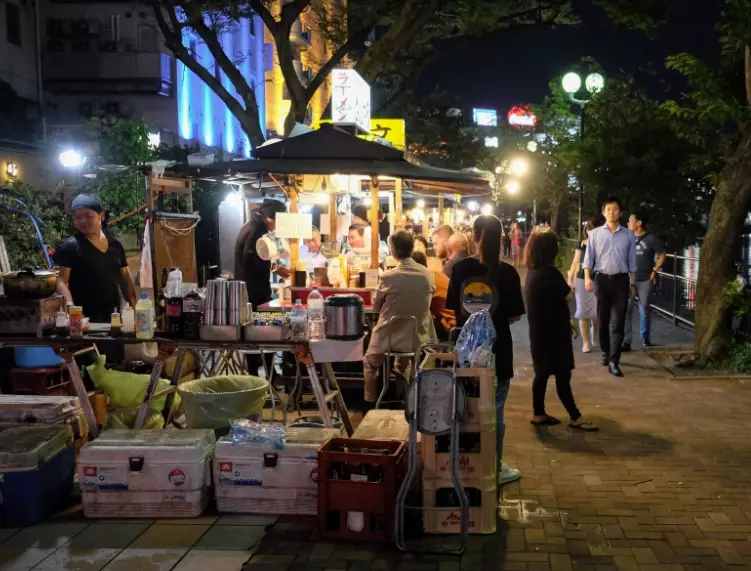
Dinner: Izakayas (Japanese pubs) are your friend. Order a few small plates and a beer. Torikizoku is a chain where every dish and drink is 360 yen. A full meal with drinks costs 2,500 yen. For sushi, avoid high-end omakase. Go to a standing sushi bar (Uogashi Nihon-Ichi) or a kaiten (conveyor belt) shop for a satisfying meal under 2,000 yen.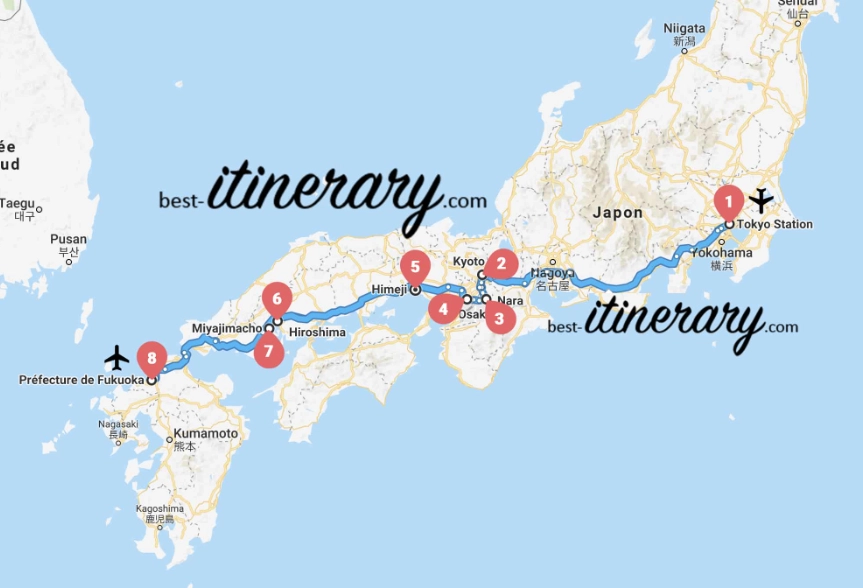
A Sample 3-Week Itinerary with Real Costs
Let's make this concrete. Here’s a balanced itinerary I recommend, with estimated core costs per person.
Week 1: Tokyo & Fuji (7 Days)
Accommodation: Business hotel in Shinjuku (8,500 yen/night x 7 = 59,500 yen).
Transport: Suica card (5,000 yen) + day trip to Kamakura/Enoshima (1,500 yen) + Fuji bus tour (8,000 yen).
Highlights: Senso-ji (Free), teamLab Planets (3,800 yen), Ghibli Museum (1,000 yen), Shibuya Sky (2,200 yen).
Week 1 Estimated Cost: ~120,000 yen ($780)
Week 2: Kyoto, Nara, Osaka (7 Days)
Transport: Shinkansen Tokyo to Kyoto (14,000 yen). Local buses/ trains in Kansai (5,000 yen).
Accommodation: Guesthouse private room in Kyoto (7,000 yen/night x 7 = 49,000 yen).
Highlights: Fushimi Inari (Free), Kinkaku-ji (500 yen), Nara Park (Free, feed deer 200 yen), Osaka Castle (600 yen), Dotonbori food crawl.
Week 2 Estimated Cost: ~110,000 yen ($715)
Week 3: Hiroshima, Miyajima & Back to Tokyo (7 Days)
Transport: Shinkansen Kyoto to Hiroshima (11,000 yen), Ferry to Miyajima (JR Pass covers it), Overnight bus Hiroshima to Tokyo (8,000 yen).
Accommodation: Hiroshima hotel (8,000 yen x 2 = 16,000 yen), Tokyo hostel before flight (3,000 yen x 2 = 6,000 yen).
Highlights: Peace Memorial Museum (200 yen), Miyajima Itsukushima Shrine (300 yen), Oyster lunch (2,500 yen), final shopping in Tokyo.
Week 3 Estimated Cost: ~80,000 yen ($520)
Itinerary Core Total (excl. flexible food/drink): ~310,000 yen ($2,015). Add your daily food budget ($30-$50/day = $630-$1,050) and miscellaneous, and you land squarely in our mid-range estimate.
Expert Money-Saving Tips You Won't Find Elsewhere
Beyond the obvious advice, here are nuanced saves from someone who's learned the hard way.
- Luggage Forwarding (Ta-Q-Bin): If using buses or multiple trains, send your large suitcase ahead to your next hotel. It costs about 2,000 yen per item. This lets you travel hands-free, avoid crowded train luggage areas (a new headache post-2023), and you can use cheap coin lockers for a day bag. Worth every yen for peace of mind.
- Free Attractions are Often the Best: The Fushimi Inari hike, wandering Gion at dusk, the view from Tokyo Metropolitan Government Building, exploring Akihabara or Harajuku's Takeshita Street, the Philosopher's Path in Kyoto—all free and unforgettable.
- Tax-Free Shopping: Spend over 5,000 yen (before tax) at participating stores. Show your passport. They'll deduct the 10% consumption tax on the spot or seal your goods in a bag. Don't get tricked into going to a separate refund counter; the good stores do it instantly at checkout.
- Reality Check on Water: Tap water is perfectly safe to drink. Don't buy bottled water daily. Bring a refillable bottle. This saves $1-$2 a day, which adds up.
Your Japan Trip Cost Questions Answered
 How much should I budget for a once-in-a-lifetime splurge, like a kaiseki meal or a ryokan stay?

Share Your Thoughts